
 Liquid filling
Why are thin free-flowing liquids fill levels inconsistent?
Practical guidance for thin free-flowing liquids: find why weights, levels, positions, torque or finished packs vary during a run.
Read the answer →
Choose your product, packaging format, visible problem or industry. Follow practical checks before comparing machinery.
You do not need to know a machine name. Use the information you already have from the production floor.
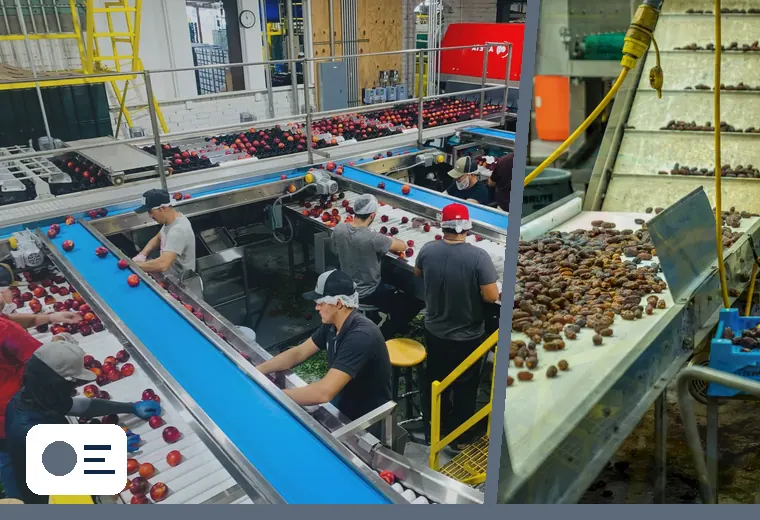
Liquids, pastes, powders, granules, pieces and specialist products.
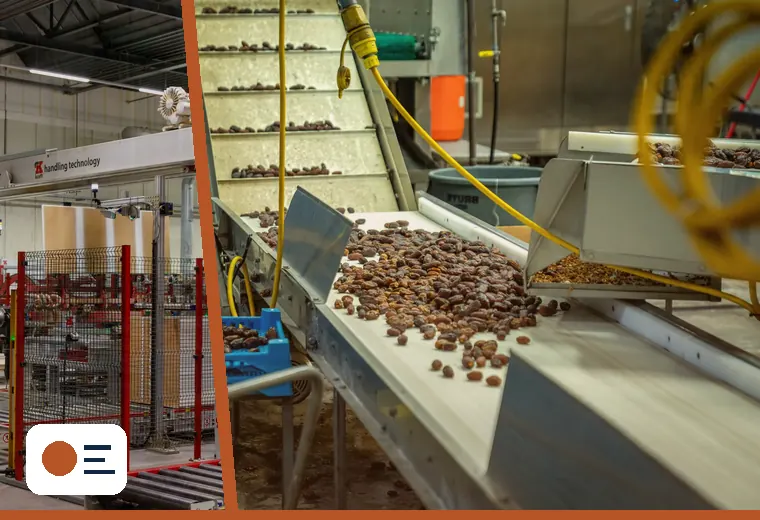
Bottles, jars, tubs, cans, pouches, bags, cartons, cases and more.
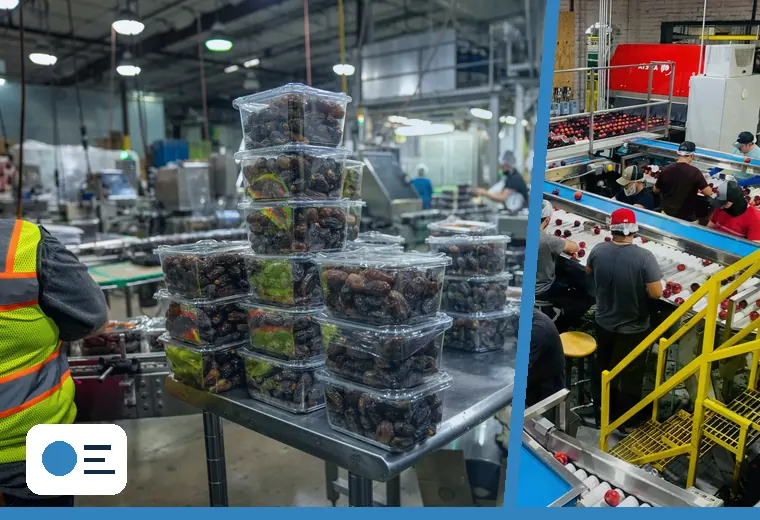
Variation, jams, waste, slow output, quality, cleaning or maintenance.
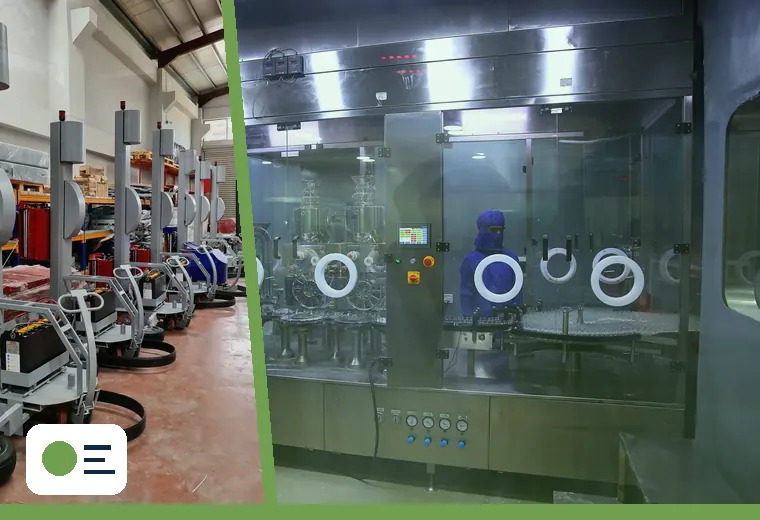
Food, drink, beauty, pharmaceutical, chemical, industrial and fulfilment.

Troubleshoot thin, foamy, viscous, carbonated, corrosive and flammable product filling.
Browse this section →
Solve variable weights, dust, bridging, segregation, breakage and hopper-feeding problems.
Browse this section →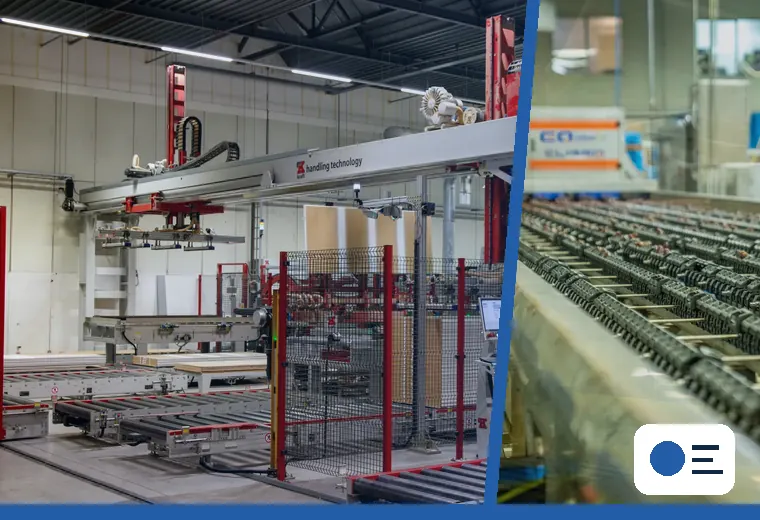
Find answers for bottles, jars, tubs, cans, pouches, bags, cartons, cases, trays and tubes.
Browse this section →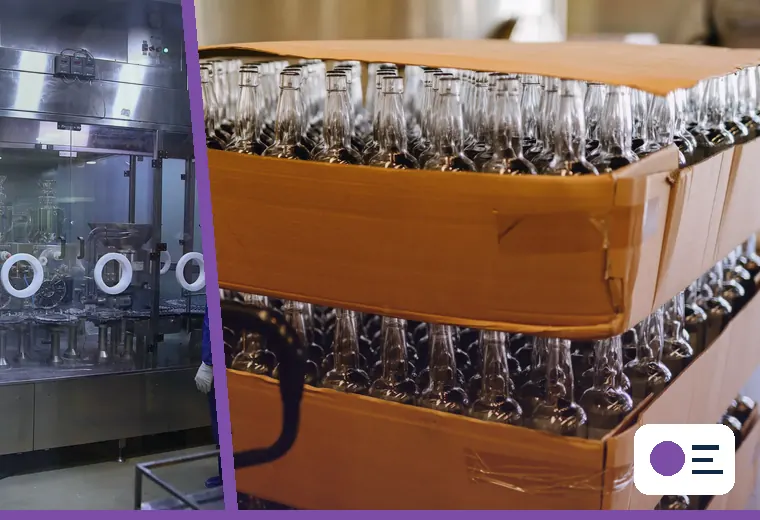
Diagnose leakage, cross-threading, variable torque, cap damage and closure-feeding faults.
Browse this section →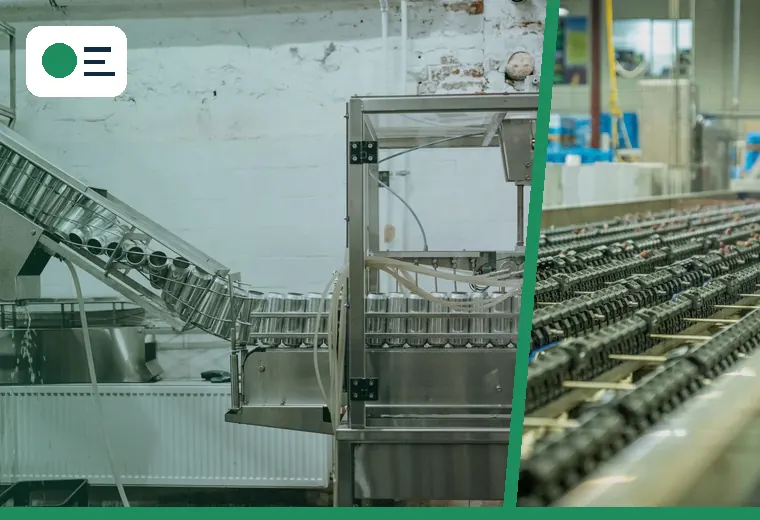
Resolve skew, wrinkles, bubbles, poor adhesion, unreadable codes and variable-data errors.
Browse this section →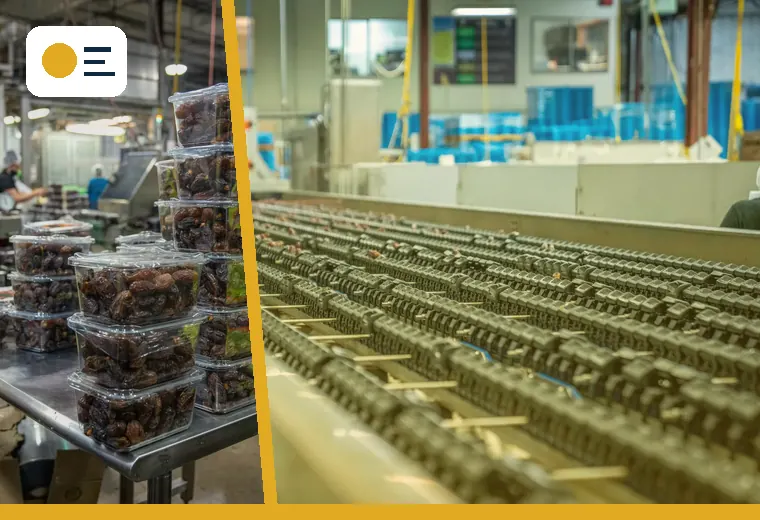
Solve pouch opening, dosing, film tracking, contamination and seal-quality problems.
Browse this section →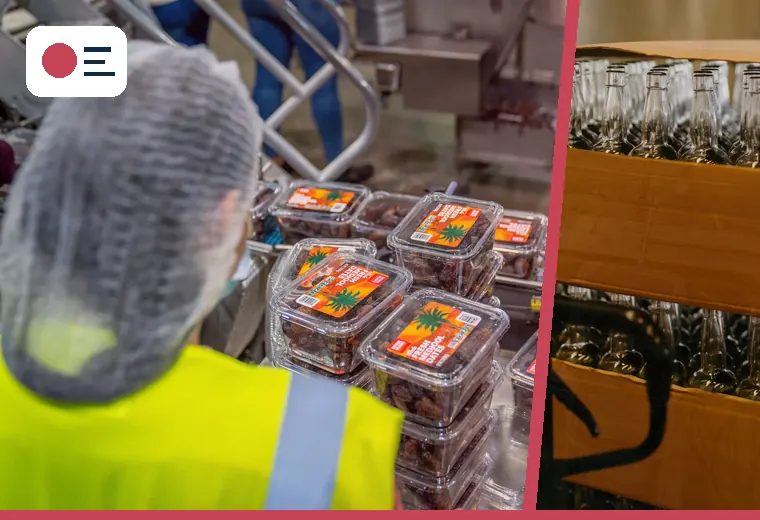
Improve cartoning, case sealing, shrink wrapping, case packing and dispatch inspection.
Browse this section →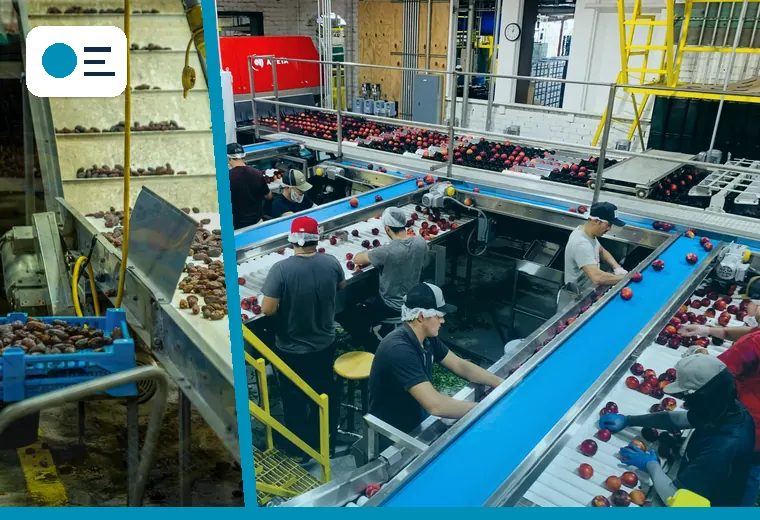
Solve tipping, back-pressure, transfer, feeding, accumulation and line-integration problems.
Browse this section →Liquid fillingPractical guidance for thin free-flowing liquids: find why weights, levels, positions, torque or finished packs vary during a run.
Read the answer →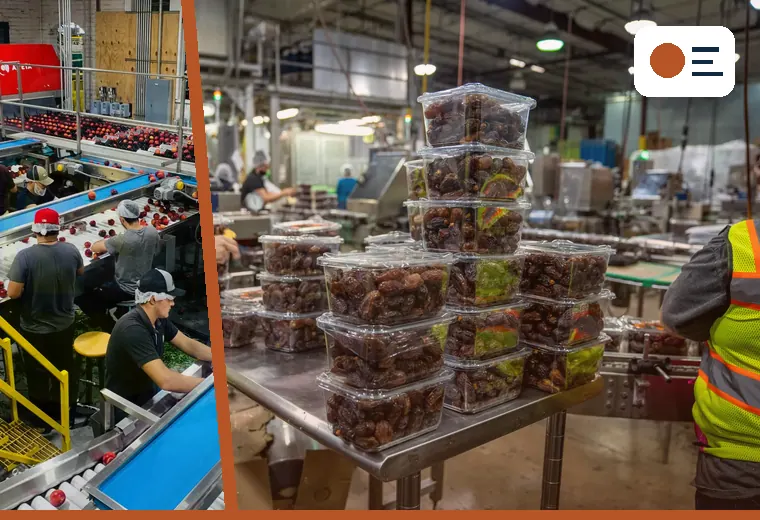 Liquid filling
Practical guidance for foamy liquids: improve appearance, seal, closure, code, dose and transport performance.
Read the answer →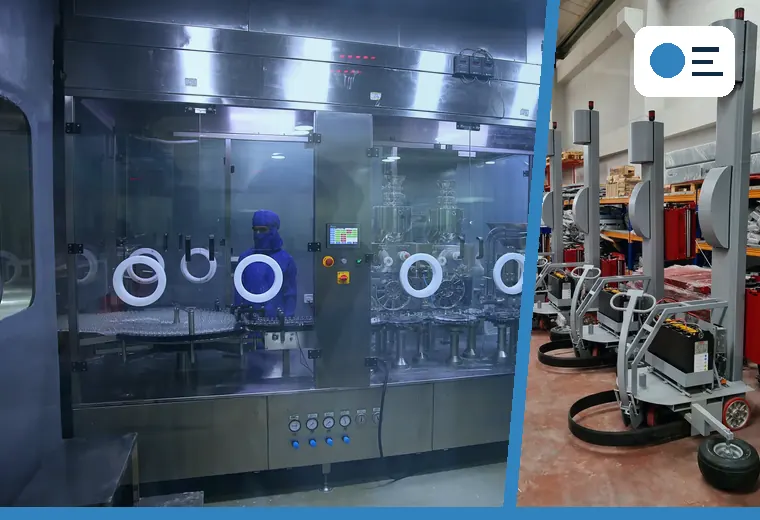 Powder and piece filling
Practical guidance for cohesive powders: trace the first loss of control instead of repeatedly clearing the final jam.
Read the answer → Capping and closures
Practical guidance for screw caps: find why weights, levels, positions, torque or finished packs vary during a run.
Read the answer →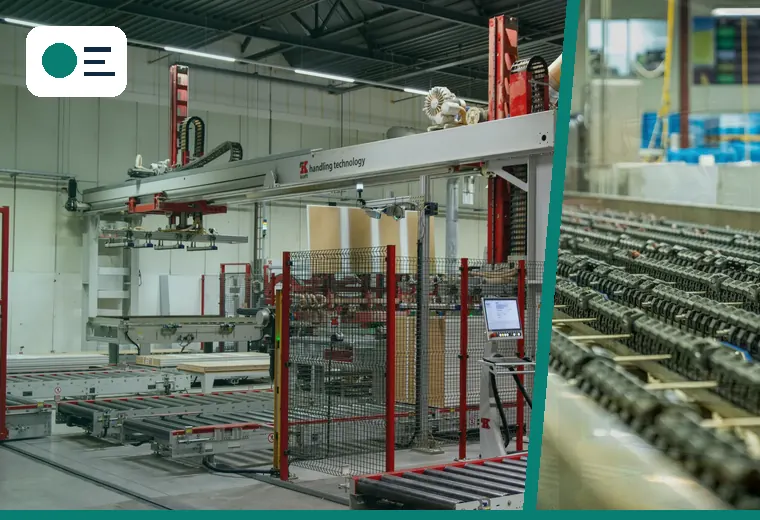 Labels and coding
Practical guidance for round-bottle labels: improve appearance, seal, closure, code, dose and transport performance.
Read the answer →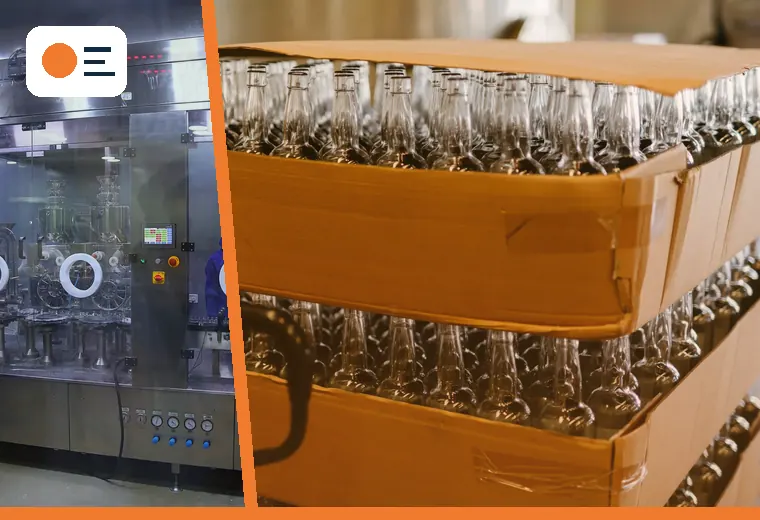 Flexible packaging
Practical guidance for premade pouch filling: improve appearance, seal, closure, code, dose and transport performance.
Read the answer →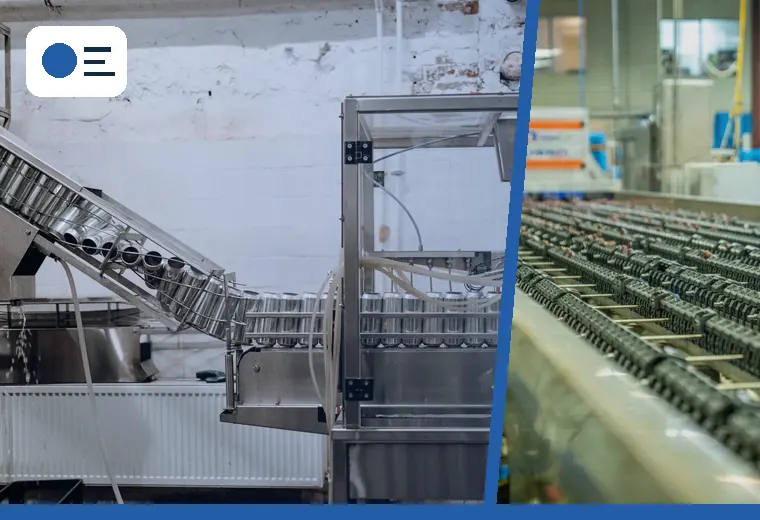 End of line
Practical guidance for shrink wrapping: match the machine principle to the real product, pack, output and acceptance criteria.
Read the answer →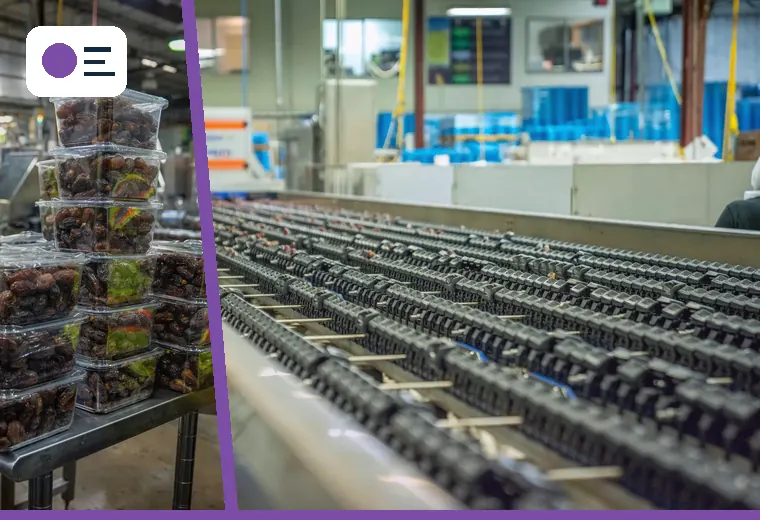 Automation and conveyors
Practical guidance for tall unstable bottles: trace the first loss of control instead of repeatedly clearing the final jam.
Read the answer →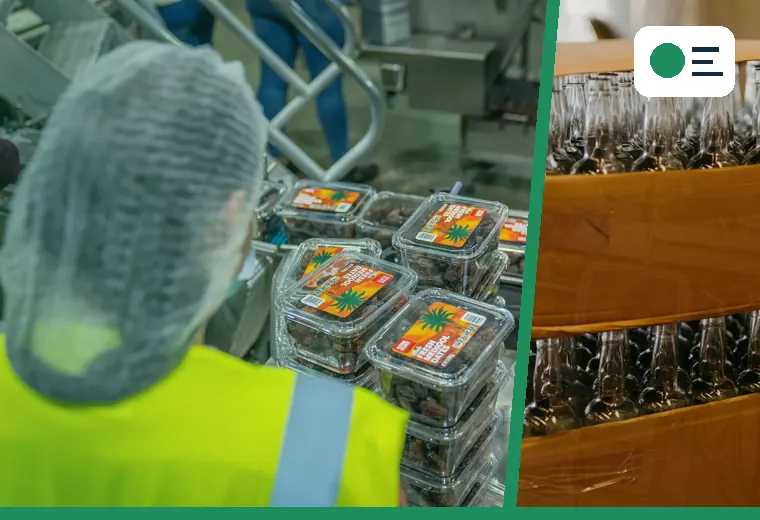 Planning and improvement
Practical guidance for return on automation investment: automate the limiting operation without creating a new bottleneck.
Read the answer →Send us the product, pack, target output and a short video of the current problem. You do not need to choose the machine first.
Use measurable planning tools for line speed, OEE, product giveaway, payback, changeover and technology selection.
Calculate line speed, OEE, ROI, giveaway, bottlenecks and changeover cost.
Open calculators →Compare filling, packing, coding, sealing and feeding principles side by side.
Compare machinery →Build an installed budget and compare total cost per good pack.
Read the cost guide →Use current regulatory guidance, quality-control resources, comparison pages, calculators and printable production records.
 Practical guide
Practical production guides for UK packaged-goods quantity control, packaging EPR, DRS, PPWR, 2D barcodes and product data.
Open the guide → Practical guide
Guides for checkweighing, vision inspection, code verification, closure checks, seals, rejects and net-content control.
Open the guide → Practical guide
Practical guides and calculators for SMED, centrelining, MTBF, MTTR, first-pass yield, data collection, recipes and condition monitoring.
Open the guide → Practical guide
Independent comparison guides for filling, weighing, capping and coding technologies, with sample-trial and specification checks.
Open the guide → Practical guide
Free printable records for commissioning, changeovers, checkweighers, cap torque, code verification and packaging-line audits.
Open the guide →Open a question for a concise answer, then use the detailed guide above for the full production checks.
Liquids, pastes, powders, granules, pieces and specialist products.
Bottles, jars, tubs, cans, pouches, bags, cartons, cases and more.
Variation, jams, waste, slow output, quality, cleaning or maintenance.
Food, drink, beauty, pharmaceutical, chemical, industrial and fulfilment.
Troubleshoot thin, foamy, viscous, carbonated, corrosive and flammable product filling.
Search thousands of practical customer questions about filling, capping, labelling, sealing, packing, conveying and production automation.
Start with the visible symptom, the product and the stage where it first appears. Compare the observed conditions with the guide’s checks and record one controlled change at a time. Keep machine settings, packaging batches and results together so that a useful finding can be repeated on the next run.
Related guidance: Choose a machine
Related guidance: