
Plain-English packaging glossary
Definitions for the production and machinery terms used throughout How to Package.
A
Accumulation
Temporary conveyor capacity that allows upstream and downstream equipment to stop for short periods without stopping the whole line.
Application torque
Torque applied while tightening a threaded closure.
ATEX
European framework concerning equipment and protective systems intended for potentially explosive atmospheres.
Auger filler
A filler that doses powder using controlled rotation of a screw or auger.
B
Blocked
A machine state where downstream equipment cannot accept more product.
Bottle unscrambler
Equipment that takes bulk empty bottles and presents them upright to a production line.
Bulk density
Mass of a powder or granule per unit volume, including the spaces between particles.
C
Cap chute
A track that carries correctly orientated caps from a feeder to the capping point.
Change part
A machine component exchanged to suit a different product or pack format.
Changeover
The complete process of moving production from one product or format to another.
Checkweigher
A weighing system used to verify finished pack mass and reject packs outside limits.
Clean-in-place
Cleaning product-contact equipment without fully dismantling the system.
Coding
Applying variable information such as date, batch, lot, barcode or serial data.
Combination weigher
A multihead weigher that combines several smaller weighments to reach a target weight.
Counter-pressure filling
Filling into a pressurised container to control foam and carbonation loss.
D
Diving nozzle
A filling nozzle that moves into the container and may rise with the liquid level.
Doypack
A stand-up flexible pouch, normally with a bottom gusset.
DSEAR
UK regulations concerning dangerous substances and explosive atmospheres in the workplace.
F
Factory acceptance test
Pre-delivery testing at the supplier or manufacturer against agreed requirements.
Feeder
Equipment that supplies products, components, caps or packs in a controlled way.
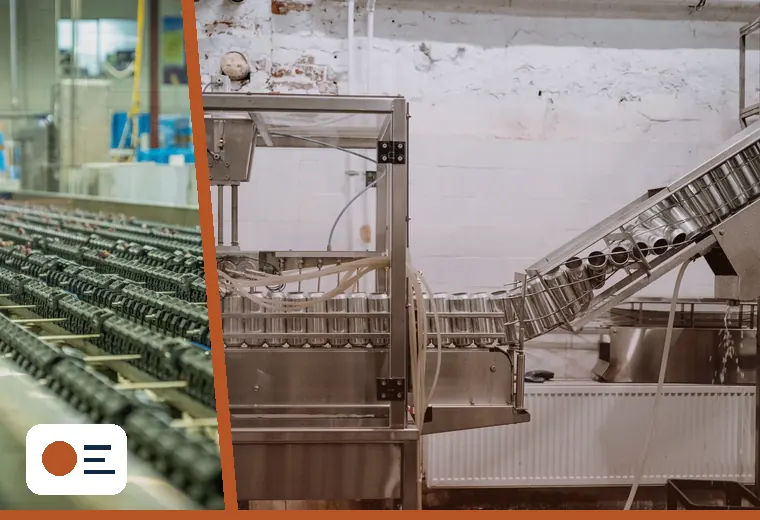
Fill tolerance
Permitted difference between the target quantity and the measured quantity.
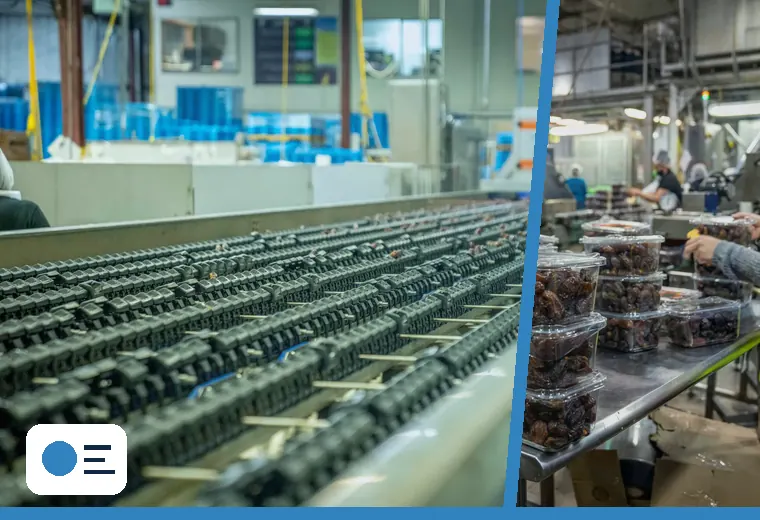
Flow wrapper
A horizontal machine that forms film around a product and makes longitudinal and end seals.
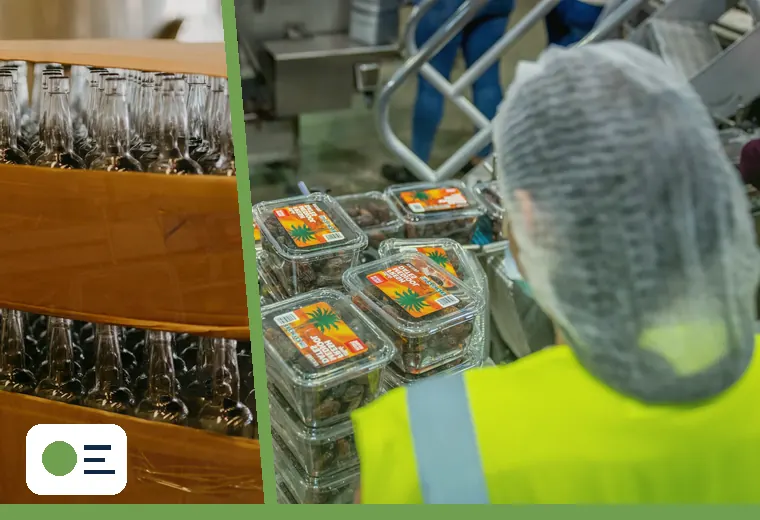
Form-fill-seal
A process that forms a pack from rollstock, fills it and seals it in one machine.
G
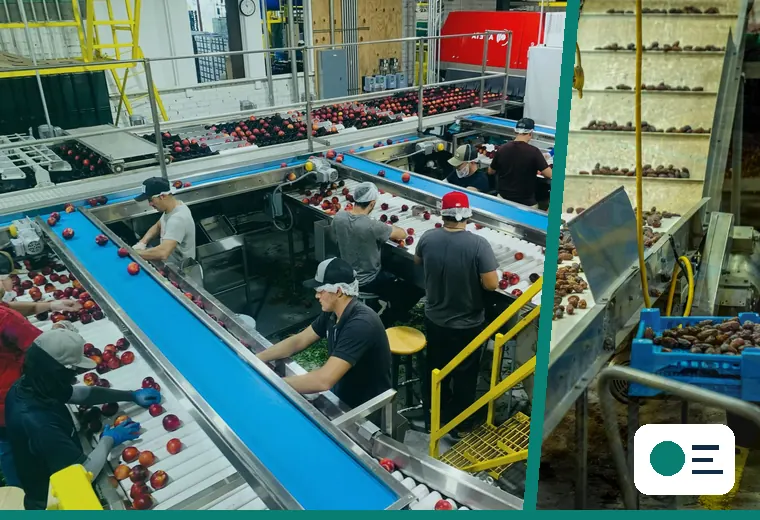
Good pack
A completed pack that meets all agreed quality and quantity requirements.
Gross weight
Total weight of product and packaging.
H
Headspace
Unfilled space between the product and the top or closure of a container.
Heat tunnel
An enclosure that applies controlled heat to shrink film or sleeves.
I
Induction sealing
Non-contact heating of a foil liner to seal it to a compatible container.
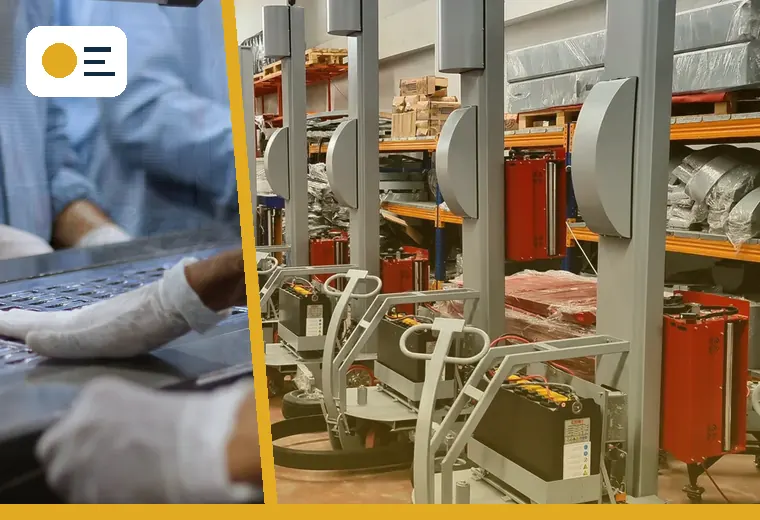
Infeed
The point or system that delivers products to a machine.
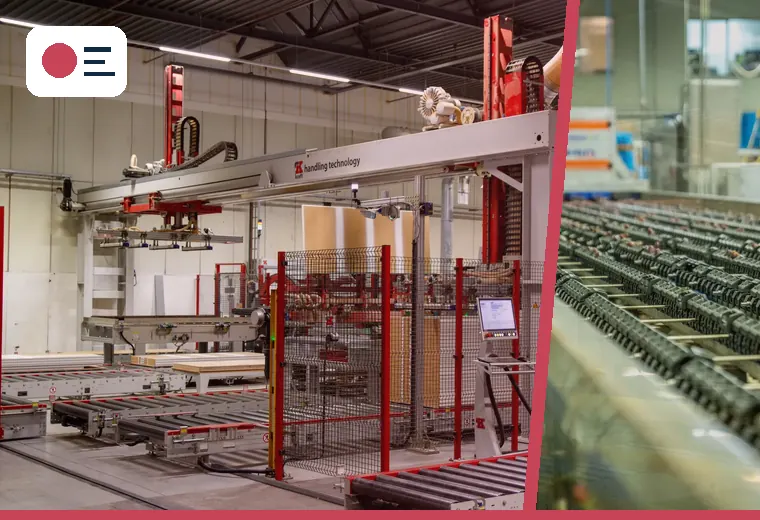
Inkjet coding
Non-contact printing using controlled ink droplets.
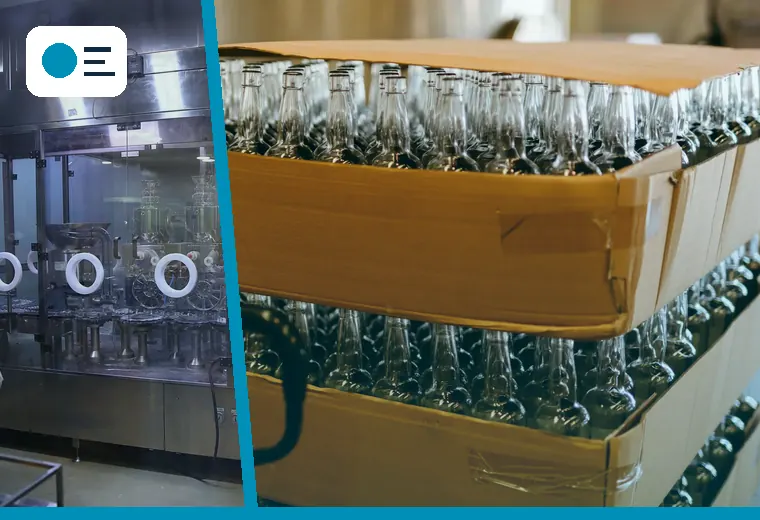
Interlock
A safeguard that monitors a condition such as a guard position and affects machine operation.
L
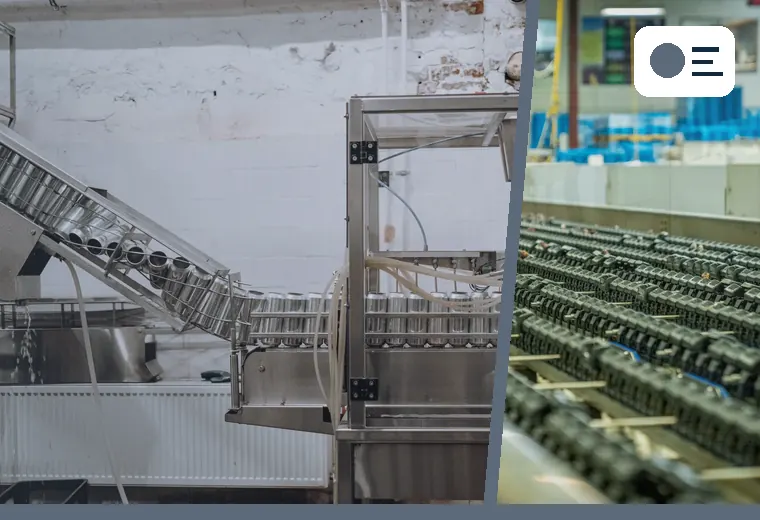
Label gap
Space between successive labels on the backing liner.
Label panel
Area of a pack intended to receive a label.
Lay-flat
Width of a flattened tubular sleeve or bag material.
Line clearance
Controlled removal of previous product, packaging and documents before a new production run.
N
Net weight
Weight of the product excluding the packaging.
No-product no-fill
Control that prevents filling when a pack is not present.
O
OEE
Overall equipment effectiveness: a combined measure of availability, performance and quality.
P

Peel plate
Edge around which a label liner bends so the label separates for application.
Piston filler
Positive-displacement filler using a piston and cylinder to measure product.
Print-and-apply
Printing variable data on a label and automatically applying it to a pack.
R
Recipe
Stored machine settings for a product or pack format.
Release torque
Torque required to begin loosening an applied threaded closure.
Reject system
Mechanism and control used to remove failed products from a production line.
ROPP
Roll-on pilfer-proof aluminium closure formed onto a compatible neck finish.
S
Sachet
Small sealed flexible pack, often designed for a single dose.
Site acceptance test
Testing after installation at the customer site.
Spindle capper
Continuous capper using rotating wheels or spindles to tighten threaded caps.
Starved
A machine state where it cannot run because upstream equipment is not supplying product.

Sustained output
Good production rate maintained over a representative period, including normal handling.
T
T-cork
Closure with a plug or shank and a wider top, commonly used for spirits.
Tamper evidence
Pack feature that provides visible evidence of opening or interference.
Thermal transfer overprinting
Printing onto flexible film using a heated printhead and ribbon.
U
User requirement specification
Customer document defining required functions, performance and constraints.
V
Volumetric filling
Dosing based on a controlled volume.
W
Weigh filling
Dosing controlled by measured mass.
Wetted parts
Machine components that come into contact with the product.
Wrap-around label
Label applied around the circumference of a cylindrical container.
Questions customers also ask
Open a question for a concise answer, then use the detailed guide above for the full production checks.
What should I know about accumulation?
Temporary conveyor capacity that allows upstream and downstream equipment to stop for short periods without stopping the whole line.
What should I know about application torque?
Torque applied while tightening a threaded closure.
What should I know about aTEX?
European framework concerning equipment and protective systems intended for potentially explosive atmospheres.
What should I know about auger filler?
A filler that doses powder using controlled rotation of a screw or auger.
What should I know about blocked?
A machine state where downstream equipment cannot accept more product.
How should I use the Plain-English packaging glossary page?
Plain-English definitions for filling, capping, labelling, sealing, conveying and automation terms.