
Packaging quality and inspection hub
Use these guides to define what must be detected, how it will be challenged, what happens to a failed pack and what evidence is retained. Inspection only protects the customer when the reject and response process are proven.
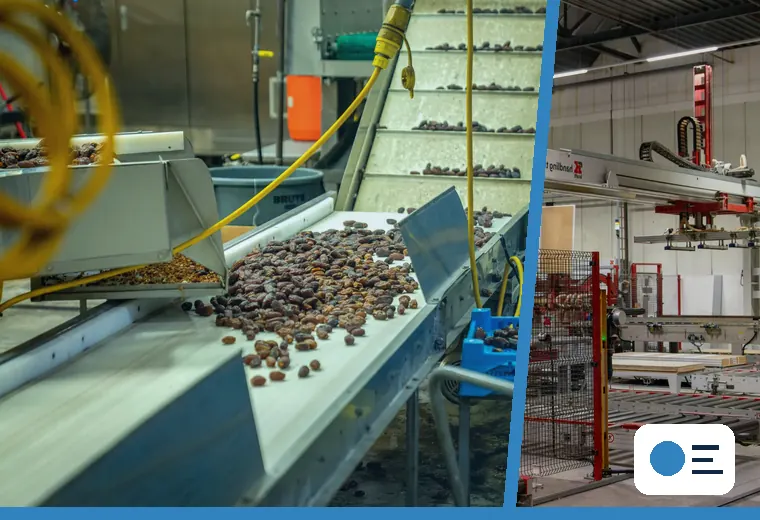
Choose the question you need to answer
Each page gives a direct answer, evidence to collect, practical checks and a relevant specialist route.
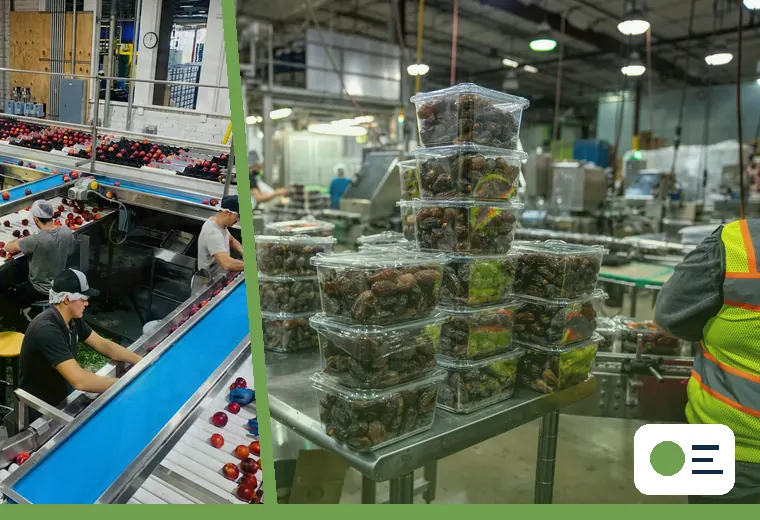 Practical guide
Checkweigher selection
Specify dynamic discrimination, stabilisation, reject method and records.
Open the guide →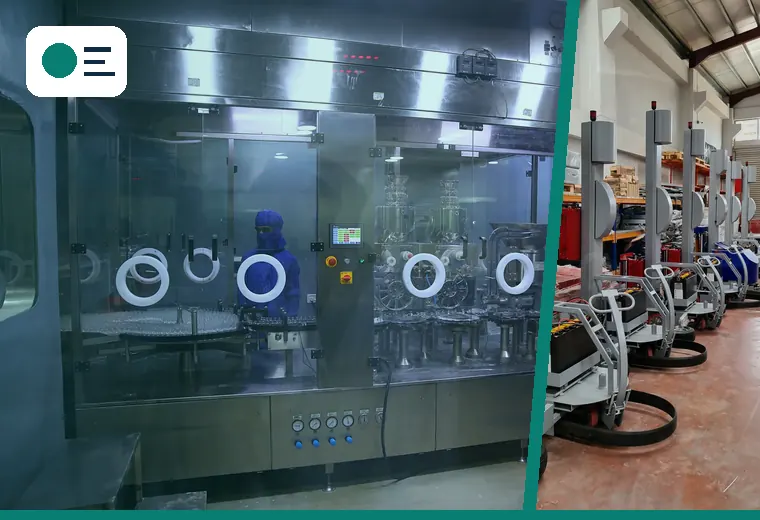 Practical guide
Checkweigher reject validation
Prove detection, timing, physical rejection, confirmation, security and challenge tests.
Open the guide → Practical guide
Packaging vision inspection
Translate defects into controllable images, lighting, decisions and reject actions.
Open the guide →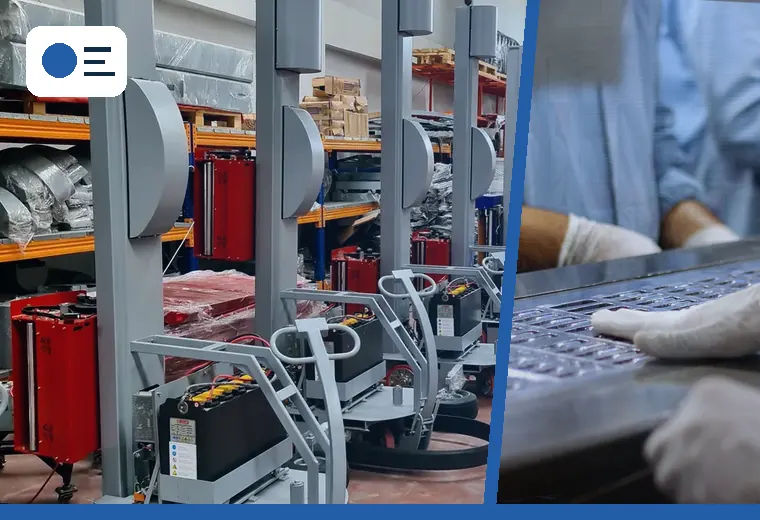 Practical guide
Cap and closure inspection
Check presence, seating, tamper features and relevant closure defects.
Open the guide → Practical guide
Label-position inspection
Define position, skew, presence and artwork checks for production packs.
Open the guide → Practical guide
Date and batch-code verification
Control message selection, legibility, position, inspection and evidence.
Open the guide → Practical guide
Barcode verification and grading
Separate scanner readability from formal symbol verification and production control.
Open the guide → Practical guide
Seal and leak testing
Select destructive, non-destructive and process checks for finished seals.
Open the guide →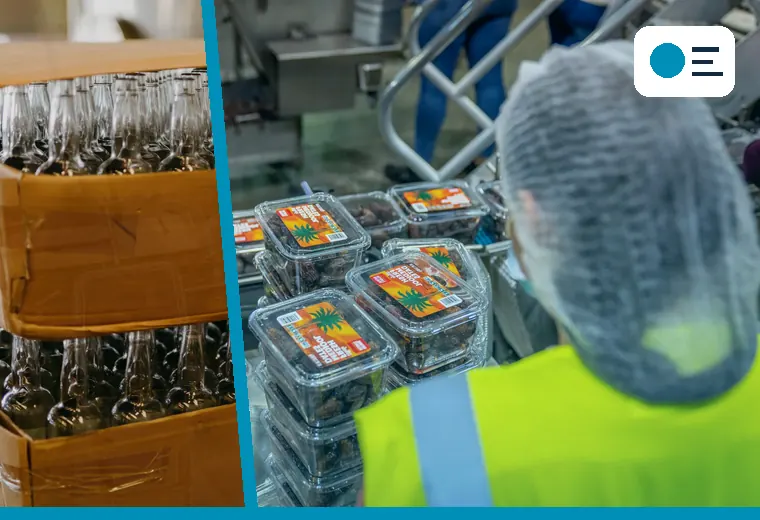 Practical guide
Reject-system design
Design detection-to-reject tracking, confirmation, containment and fail-safe response.
Open the guide →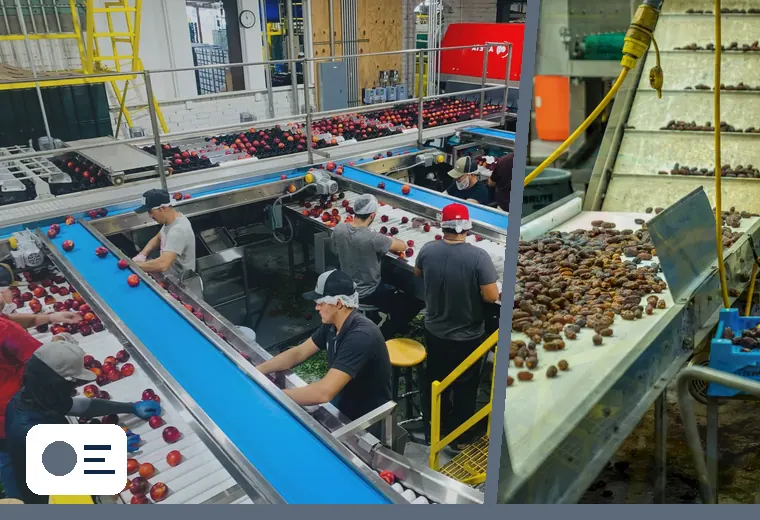 Practical guide
Net-content and filler capability
Use mean, variation, TNE, measurement and trend evidence to control net quantity.
Open the guide →Need the guidance applied to a real production problem?
Send the product, pack, current method, measured symptom and target output.
Questions customers also ask
Does an inspection camera guarantee quality?
No. The defect, lighting, pack presentation, decision limits, reject and challenge test must all be controlled.
What should be validated first?
Start with the customer or compliance risk and a representative set of good and defective packs.
Why is reject confirmation important?
Detection alone does not prove the failed pack left the good-product flow.
How should false rejects be treated?
Measure them as a process loss and investigate pack presentation, limits, lighting, timing or material variation without weakening critical detection.