
What pack, closure or label are you using?
Choose the closest container, closure, label, flexible pack or end-of-line format. Then select the fault or decision you need to solve.

Containers and pack formats
 18 answers
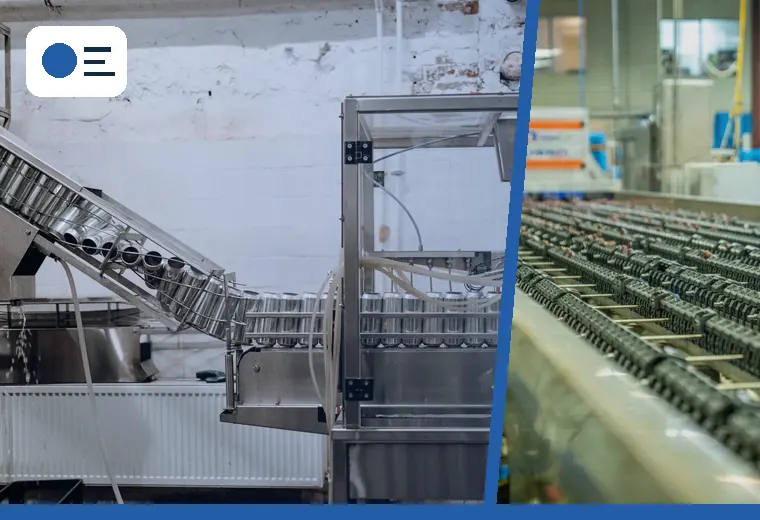
Round bottles
Cylindrical containers suited to wrap labelling but vulnerable to uncontrolled rotation.
Open the guide → 18 answers
Square bottles
Flat-sided containers that need stable orientation and controlled corners at transfers.
Open the guide → 18 answers
Oval bottles
Containers that can rotate or rock unless positively controlled through the line.
Open the guide → 18 answers
Glass bottles
Rigid but breakable containers requiring controlled contact and base support.
Open the guide →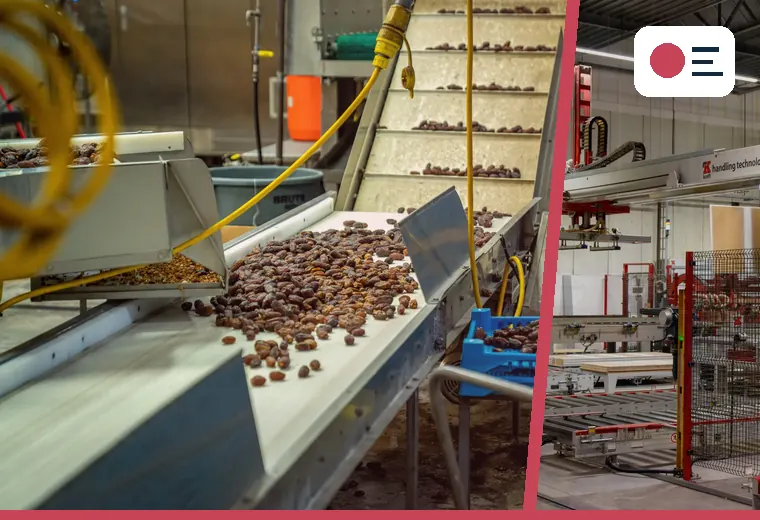 18 answers
Pet bottles
Light plastic containers that can deform, scuff or become unstable under line pressure.
Open the guide →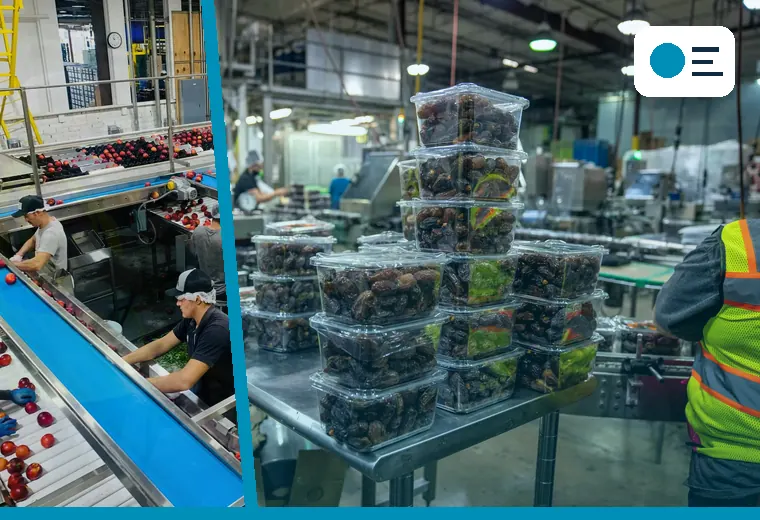 18 answers
Hdpe bottles
Opaque plastic containers with moulding variation and static behaviour.
Open the guide →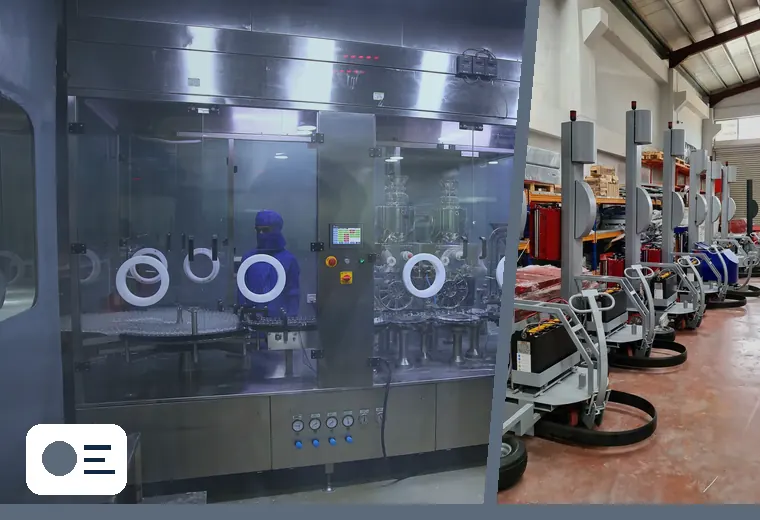 18 answers
Jars
Wide-mouth containers used with screw, twist-off or vacuum closure systems.
Open the guide → 18 answers
Tubs
Wide containers that may use snap lids, foil seals or overcaps.
Open the guide →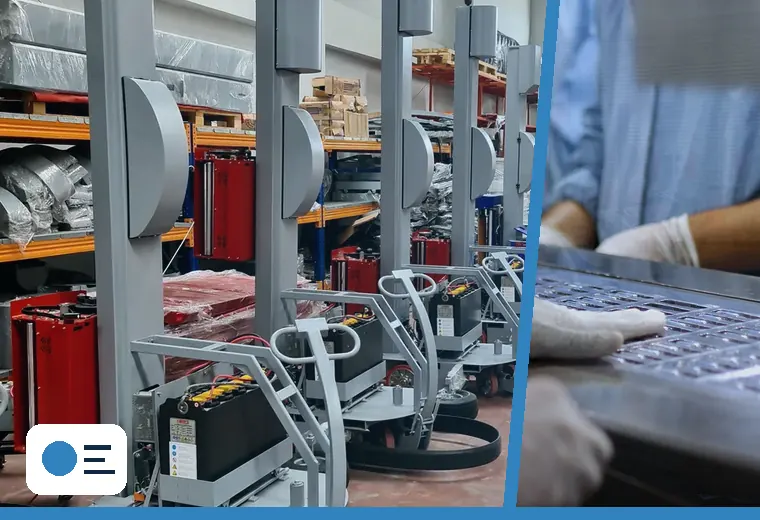 18 answers
Jerrycans
Larger handled containers requiring stable support and controlled filling.
Open the guide → 18 answers
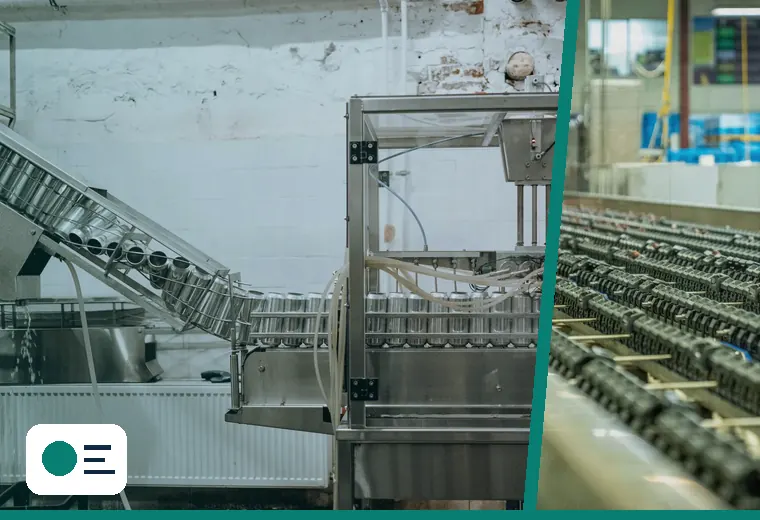
Metal cans
Rigid containers used for food, beverage, chemical and industrial products.
Open the guide →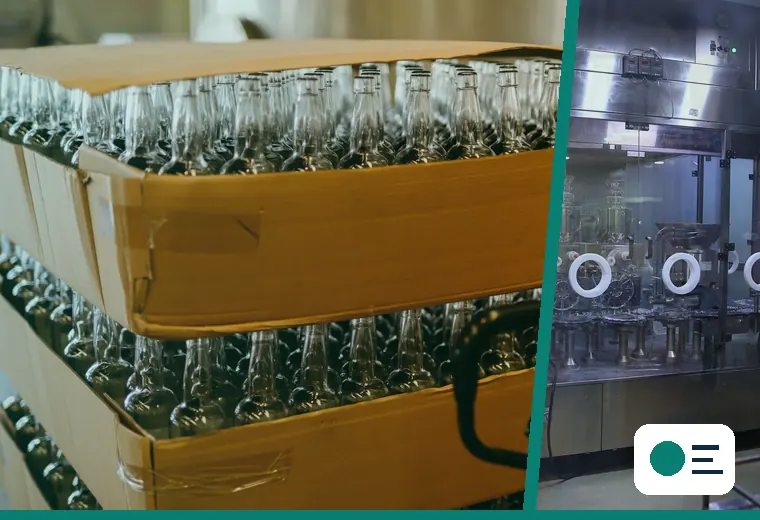 18 answers
Vials
Small containers where precise dosing, cleanliness and controlled handling are critical.
Open the guide →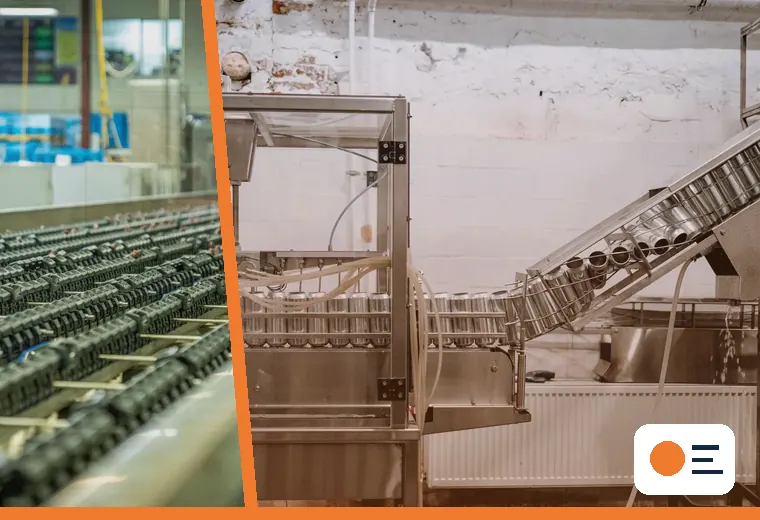 18 answers
Premade pouches
Flexible packs that must be picked, opened, filled and sealed consistently.
Open the guide →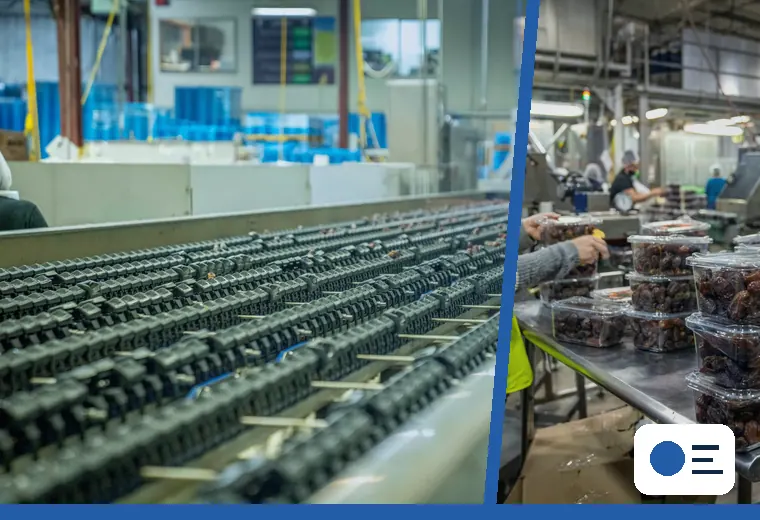 18 answers
Sachets
Small single-dose flexible packs with demanding dose and seal control.
Open the guide →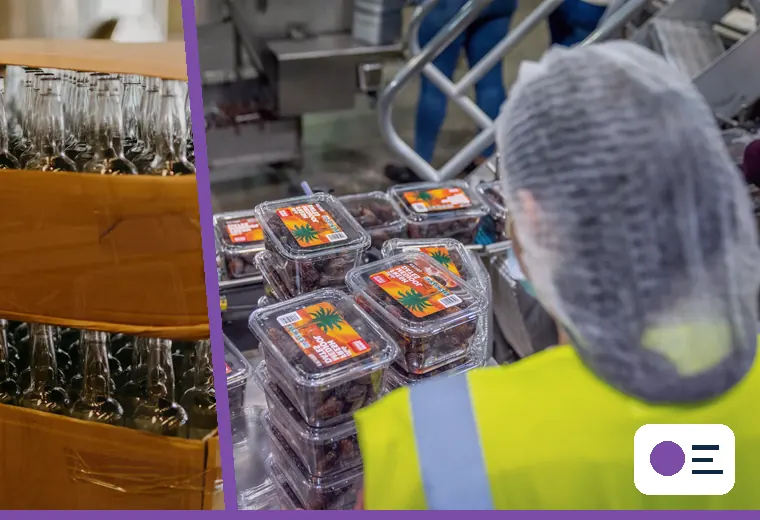 18 answers
Doypacks
Stand-up pouches whose base gusset and zipper affect opening and presentation.
Open the guide → 18 answers
Spouted pouches
Flexible packs with a rigid spout that may be filled before or after spout insertion.
Open the guide → 18 answers
Open-mouth bags
Paper or plastic bags used for powders, granules and larger fills.
Open the guide → 18 answers
Folding cartons
Printed board packs that must erect, load and close consistently.
Open the guide → 18 answers
Corrugated cases
Shipping cases requiring stable filling, closing, taping and transport strength.
Open the guide →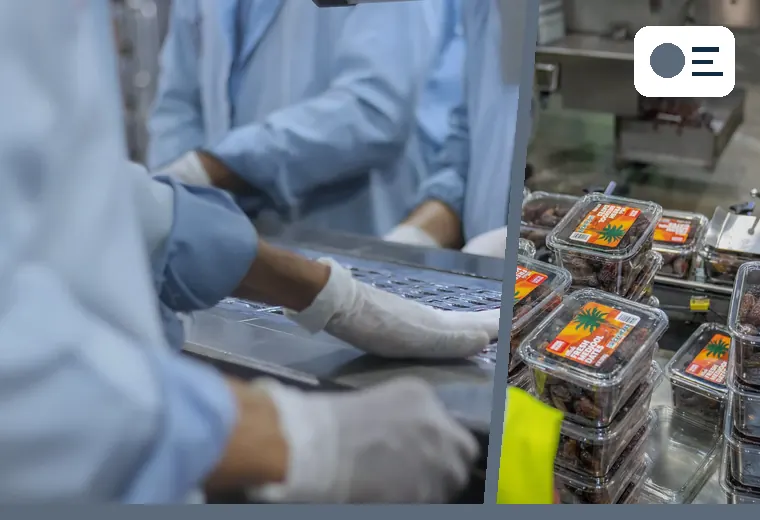 18 answers
Trays
Open or lidded formats used to collate, support or protect products.
Open the guide →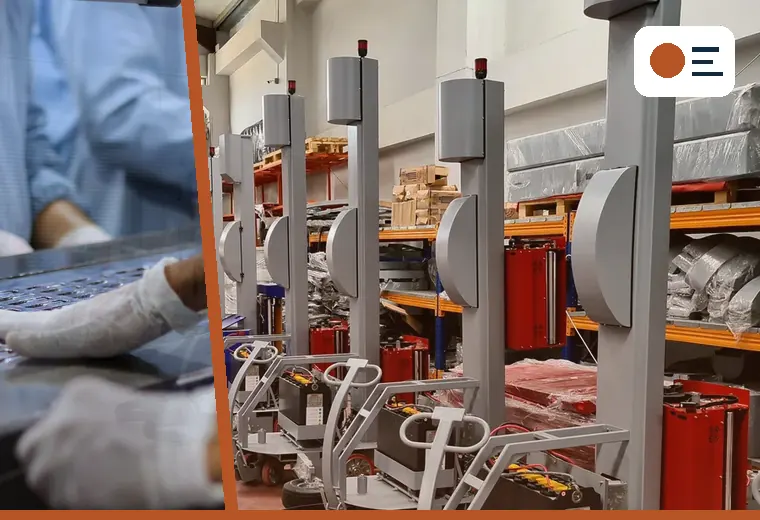 18 answers
Tubes
Compressible packs whose orientation, filling and sealing method depend on tube material.
Open the guide →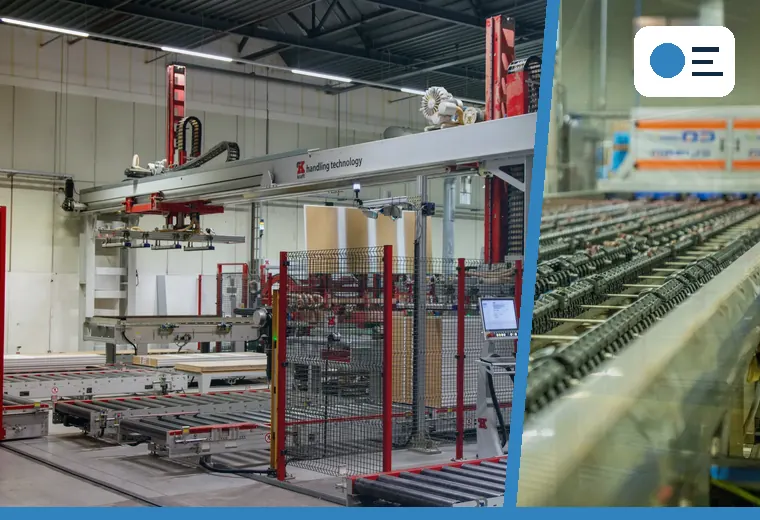 18 answers
Bottle rinsing before filling
New containers that must be inverted, rinsed, drained and returned to the line before filling.
Open the guide →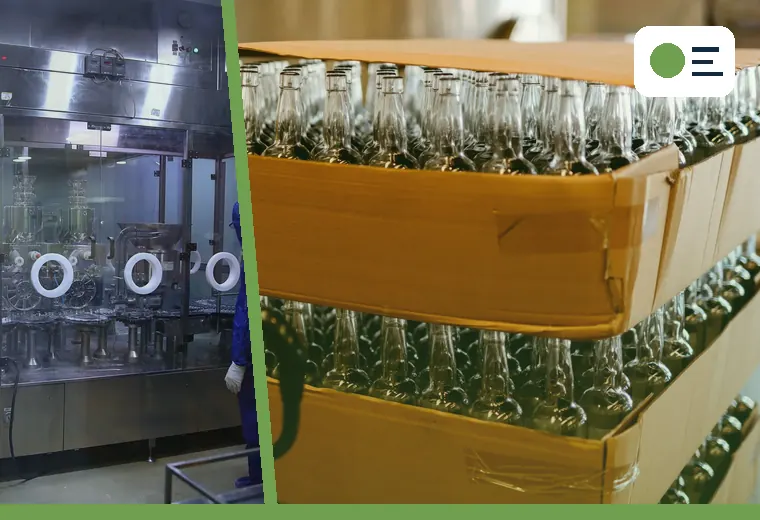 18 answers
Returnable bottle washing
Used containers requiring sorting, label removal, washing, rinsing, drying and inspection.
Open the guide →Caps, lids and closures
 18 answers
Screw caps
Threaded closures controlled by seating, engagement and application torque.
Open the guide → 18 answers
Pump caps
Dispensing pumps with dip tubes that need controlled orientation and insertion.
Open the guide →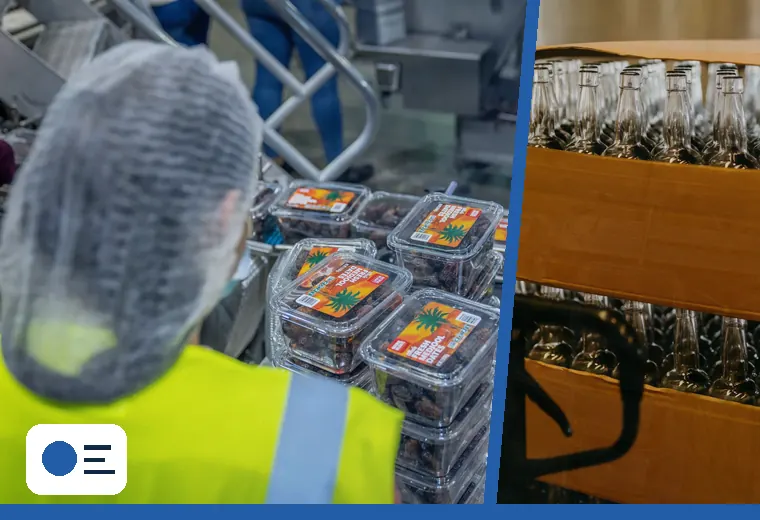 18 answers
Trigger sprays
Large asymmetric closures with long dip tubes and a defined handle orientation.
Open the guide → 18 answers
Flip-top caps
Hinged closures that may require cap orientation and controlled torque.
Open the guide → 18 answers
Disc-top caps
Dispensing closures where orientation and finish quality affect presentation.
Open the guide → 18 answers
Twist-off jar lids
Lugged metal closures often linked to hot fill or vacuum processes.
Open the guide → 18 answers
Vacuum jar lids
Closures whose final performance depends on the thermal and vacuum process.
Open the guide → 18 answers
Ropp caps
Aluminium closures formed onto a compatible bottle finish by rollers.
Open the guide → 18 answers
T-corks
Bar-top closures pressed into a compatible bottle opening.
Open the guide →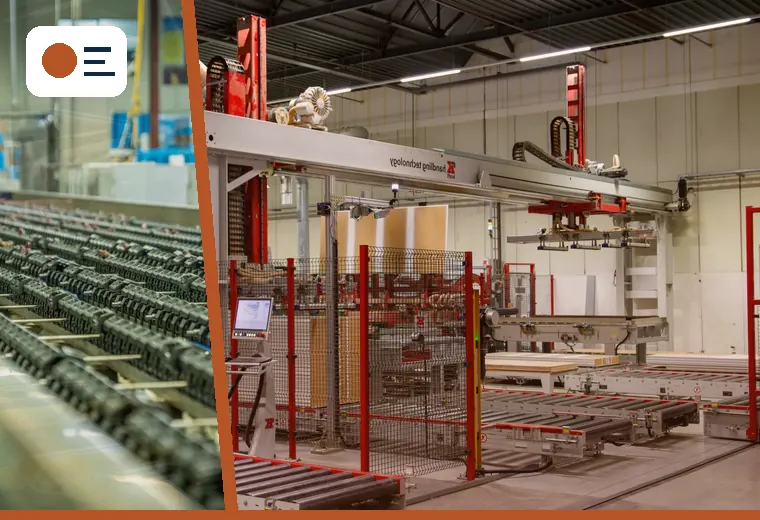 18 answers
Press-on caps
Closures applied by controlled axial force rather than thread torque.
Open the guide →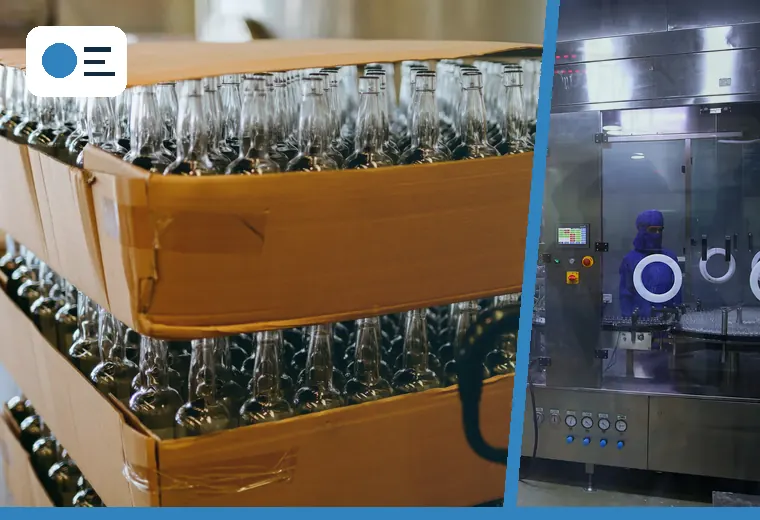 18 answers
Snap caps
Closures that engage a bead or feature and require even seating.
Open the guide →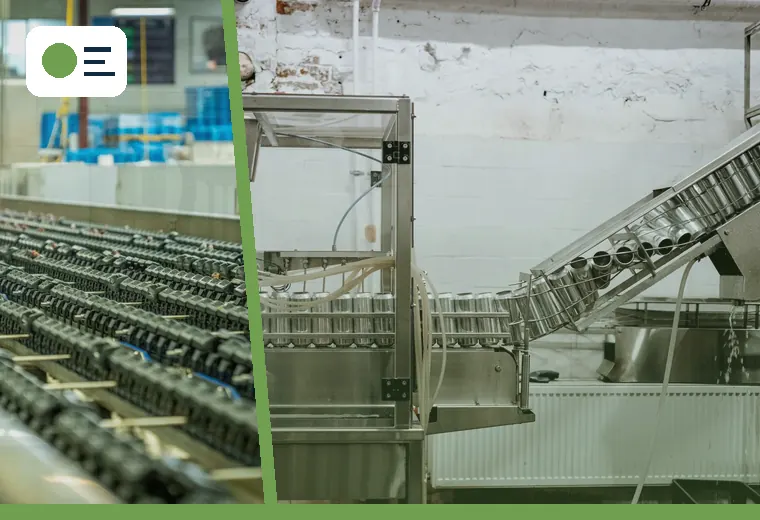 18 answers
Child-resistant caps
Closures whose application must preserve the intended opening function.
Open the guide →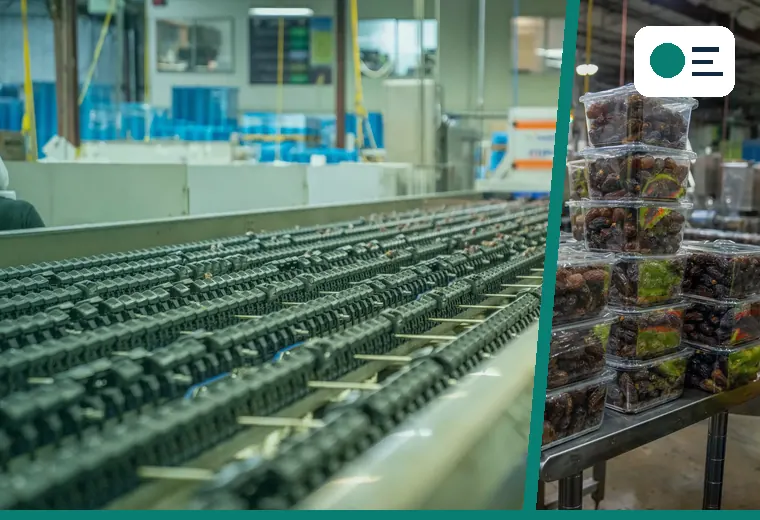 18 answers
Tamper-evident caps
Closures with bands, bridges or rings that must remain intact after application.
Open the guide → 18 answers
Aluminium screw caps
Metal threaded caps sensitive to scuffing, deformation and head setup.
Open the guide → 18 answers
Sports caps
Multi-part dispensing closures that may need orientation and specialised feeding.
Open the guide → 18 answers
Dropper caps
Small closures with pipettes or droppers requiring gentle insertion and torque.
Open the guide → 18 answers
Stoppers
Plugs inserted to a controlled depth before an overcap or final closure.
Open the guide →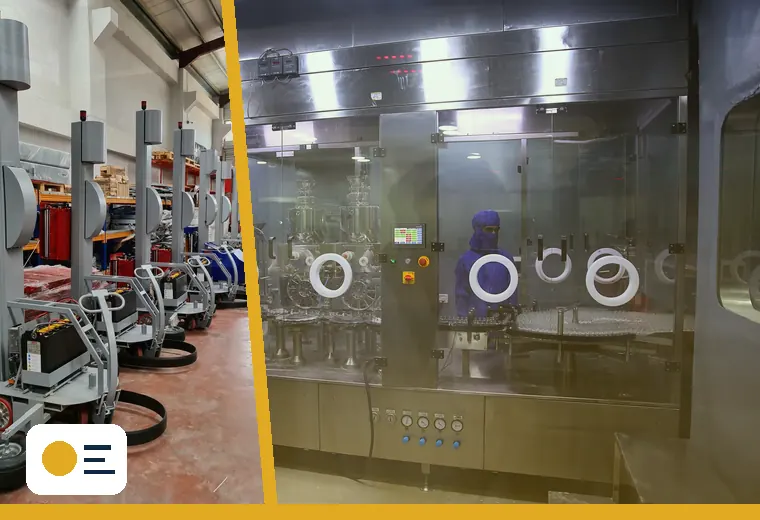 18 answers
Bungs
Larger plugs or closures used on industrial containers and drums.
Open the guide →Labelling, coding and print-and-apply
 18 answers
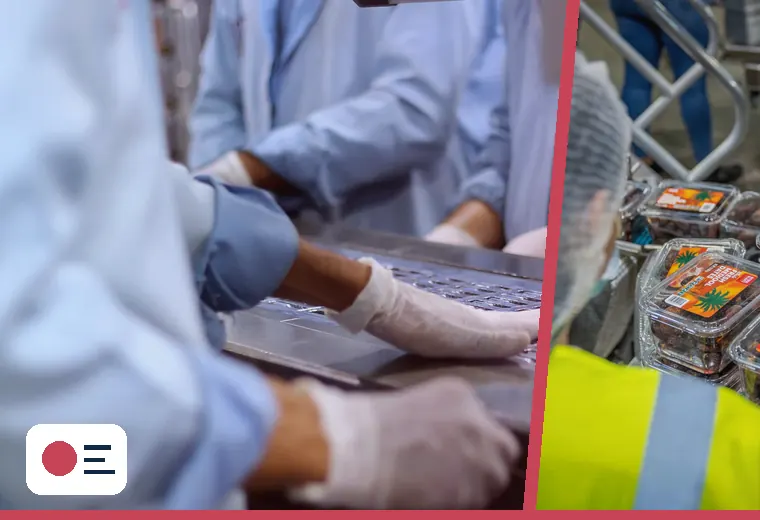
Round-bottle labels
Labels wrapped around cylindrical containers using controlled rotation.
Open the guide →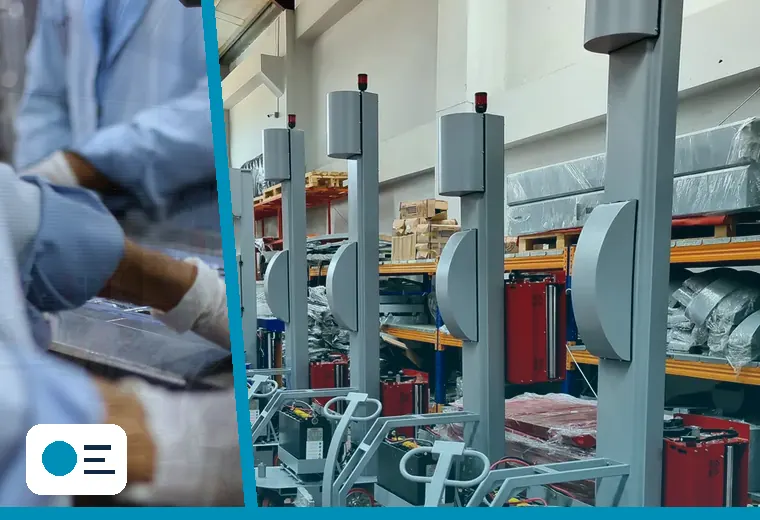 18 answers
Front and back labels
Two labels positioned on opposite faces or sides of one container.
Open the guide →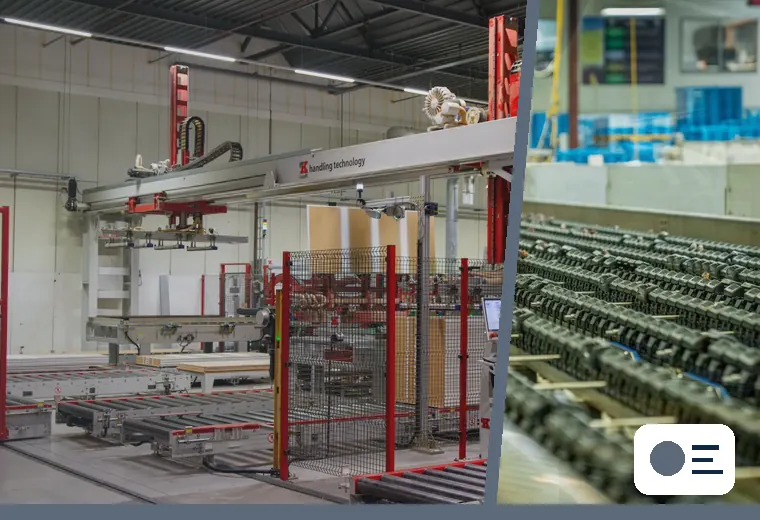 18 answers
Full wrap labels
Long labels covering most of a container circumference.
Open the guide →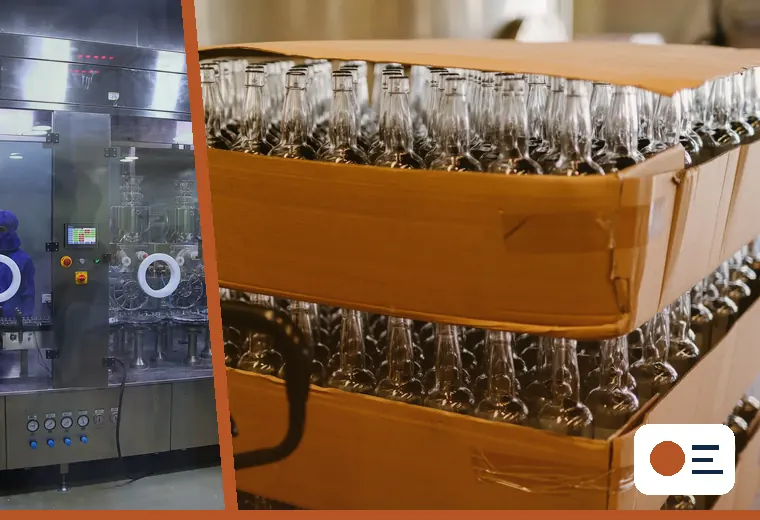 18 answers
Tapered-container labels
Labels that must follow changing circumference without wrinkling.
Open the guide →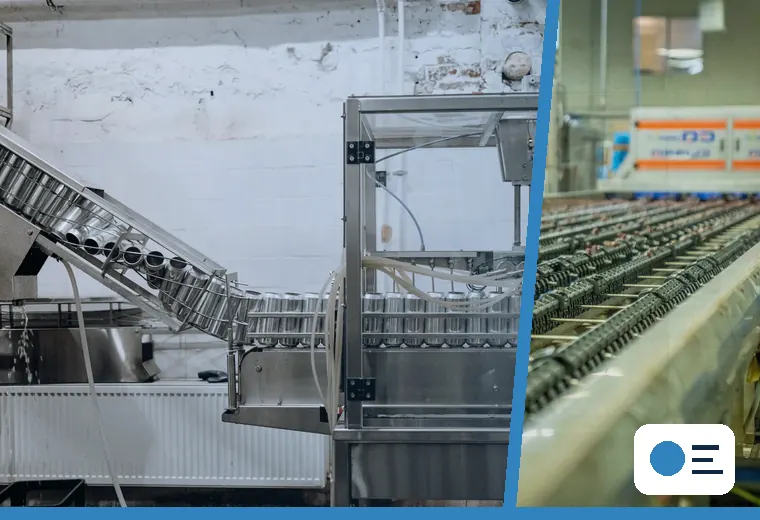 18 answers
Clear labels
Transparent stock where bubbles, dust and low-contrast gap detection are visible.
Open the guide →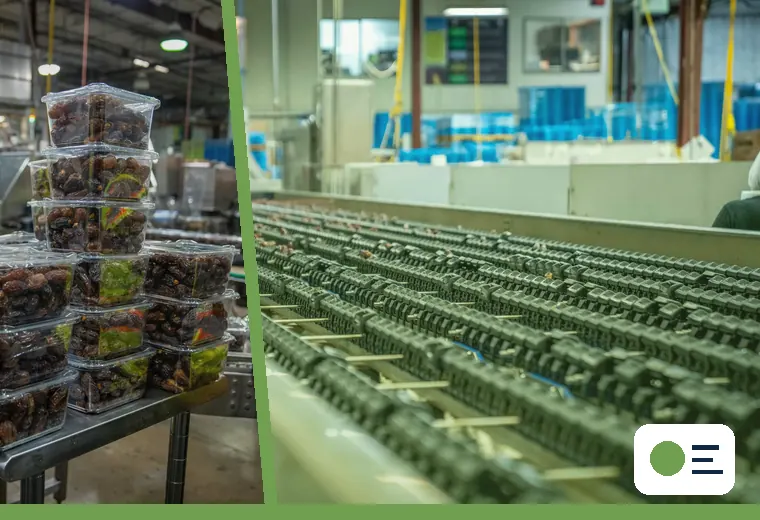 18 answers
Small labels
Short or narrow labels requiring accurate sensing and dispense control.
Open the guide → 18 answers
Large labels
Wide or long labels that magnify skew, tension and wipe-down errors.
Open the guide → 18 answers
Top labels
Labels applied to lids, cartons, trays or flat product surfaces.
Open the guide → 18 answers
Base labels
Labels applied underneath packs where presentation and support are constrained.
Open the guide → 18 answers
Pouch labels
Labels applied to flexible packs that may not present a flat rigid surface.
Open the guide → 18 answers
Carton labels
Identification or logistics labels applied to board packs.
Open the guide →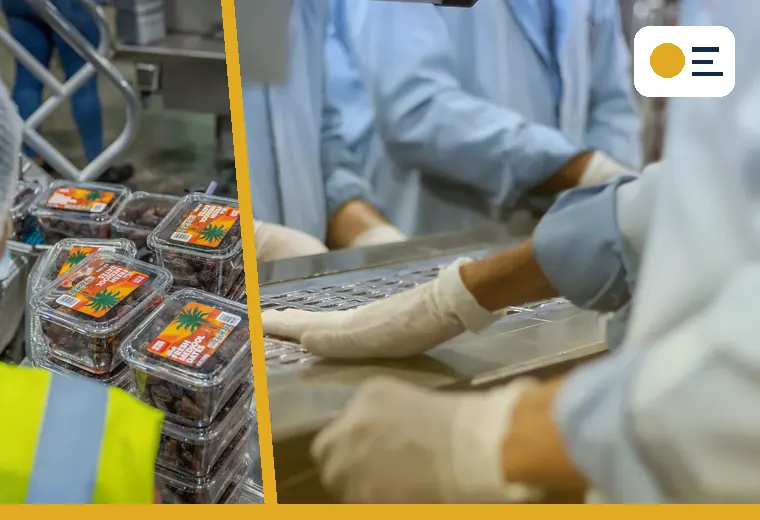 18 answers
Shrink sleeves
Printed film sleeves shrunk around part or all of a container.
Open the guide →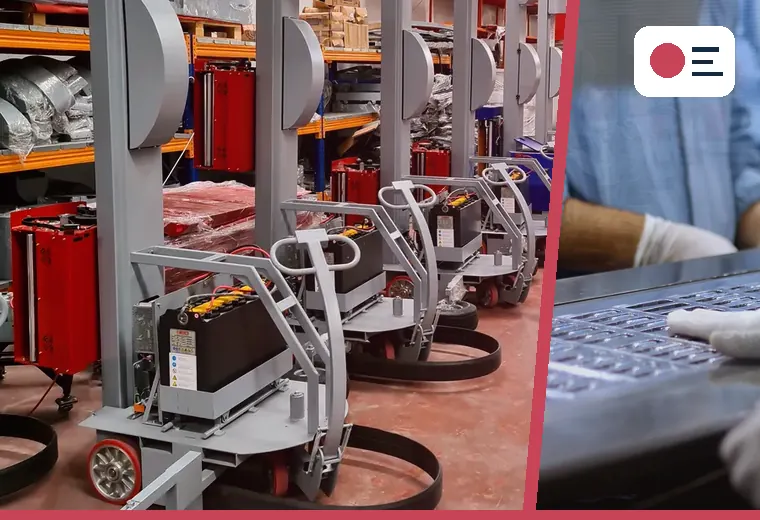 18 answers
Tamper-evident neck bands
Short sleeves positioned over a cap and neck before shrinking.
Open the guide → 18 answers
Batch codes
Variable identifiers used to connect packs to a production batch.
Open the guide →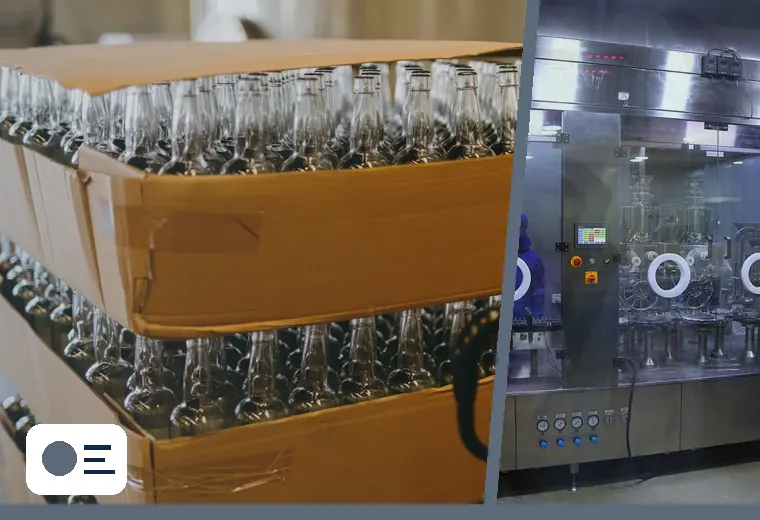 18 answers
Date codes
Best-before, use-by or production dates printed onto packs.
Open the guide →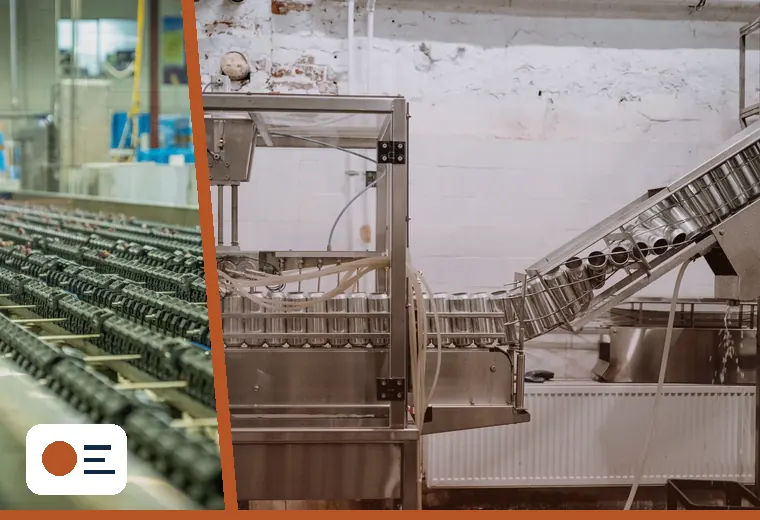 18 answers
Barcodes
Machine-readable linear symbols that require sufficient contrast and quiet zones.
Open the guide →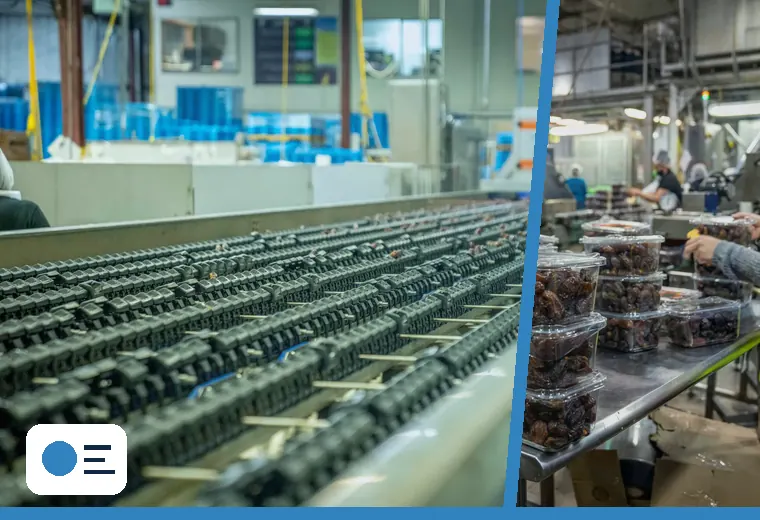 18 answers
Qr codes
Two-dimensional codes whose size, contrast and print quality affect scanning.
Open the guide →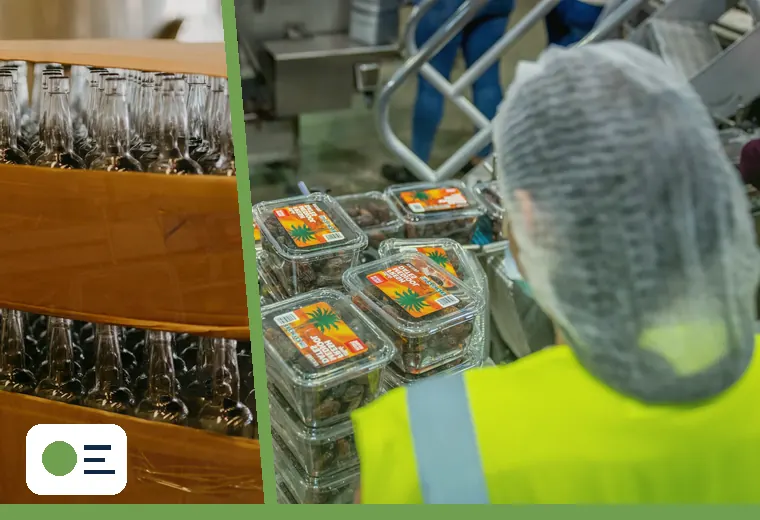 18 answers
Shipping labels
Variable-data labels linked to an order, carrier or warehouse system.
Open the guide →Pouches, sachets and flexible packs
 18 answers
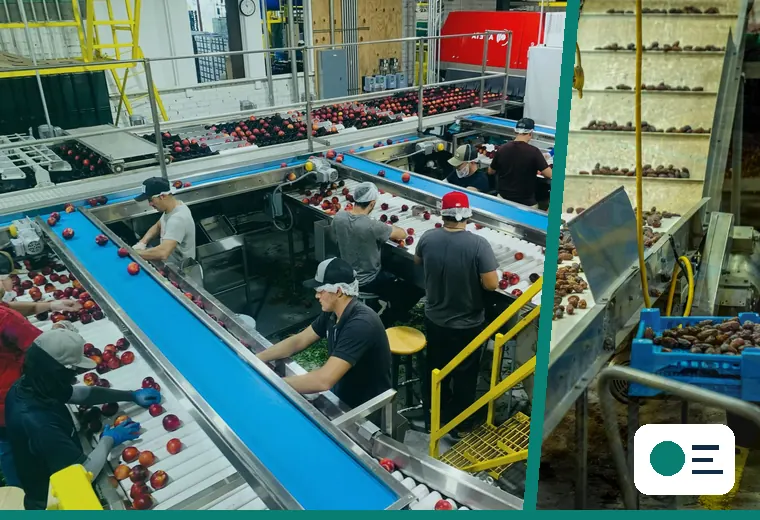
Premade pouch filling
Pick, open, dose and seal operations using finished empty pouches.
Open the guide →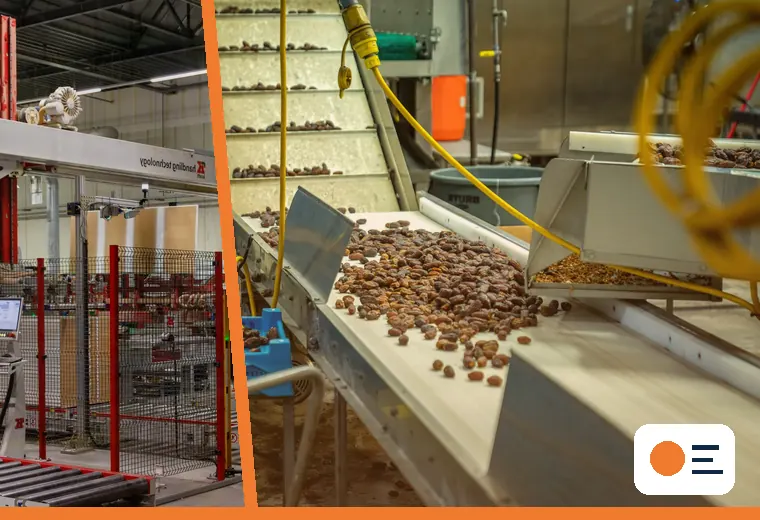 18 answers
Sachet filling
Small-format flexible packs formed or handled for single doses.
Open the guide →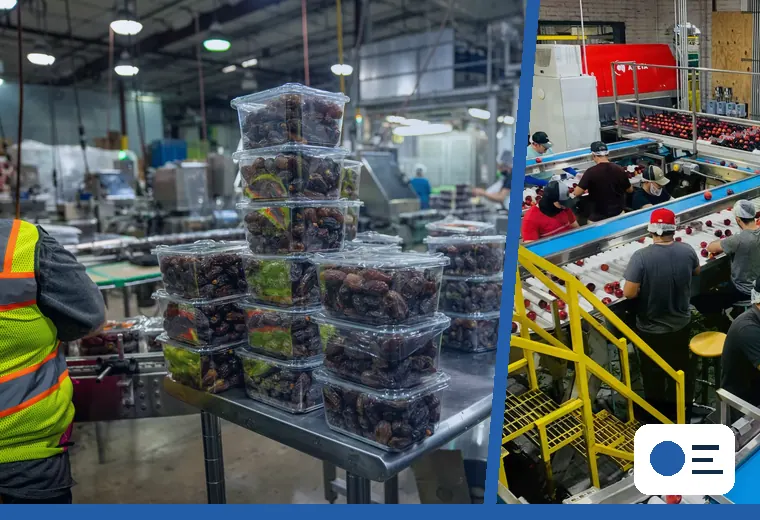 18 answers
Vertical form-fill-seal bags
Bags formed from rollstock around a vertical product drop.
Open the guide →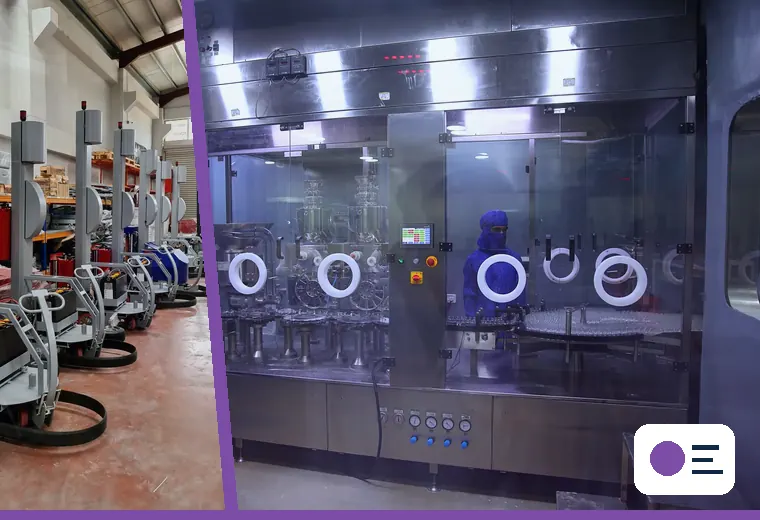 18 answers
Flow-wrapped packs
Horizontal film packs sealed around spaced products.
Open the guide → 18 answers
Pillow bags
Simple fin- or lap-sealed flexible packs made from rollstock.
Open the guide →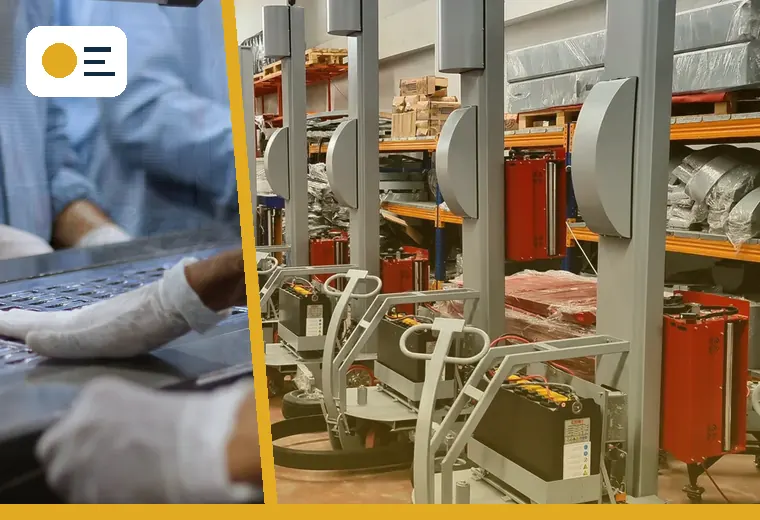 18 answers
Quad-seal bags
Structured flexible packs with four sealed edges and improved shelf presence.
Open the guide →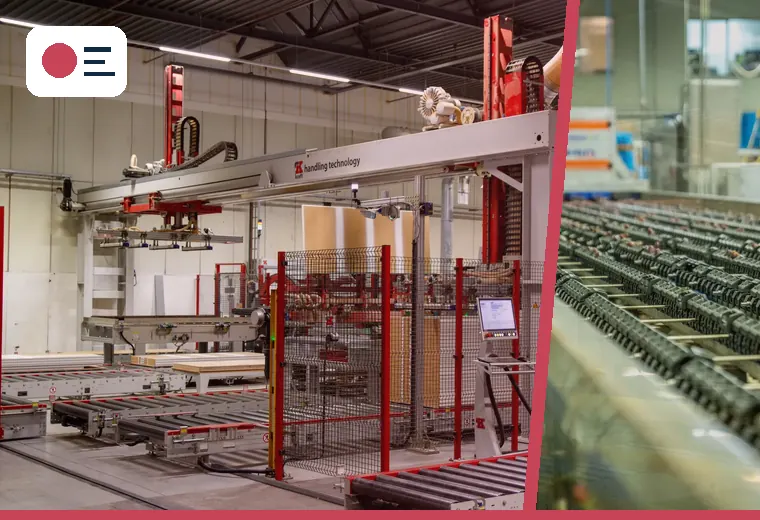 18 answers
Stick packs
Narrow single-dose packs for powders, granules or liquids.
Open the guide →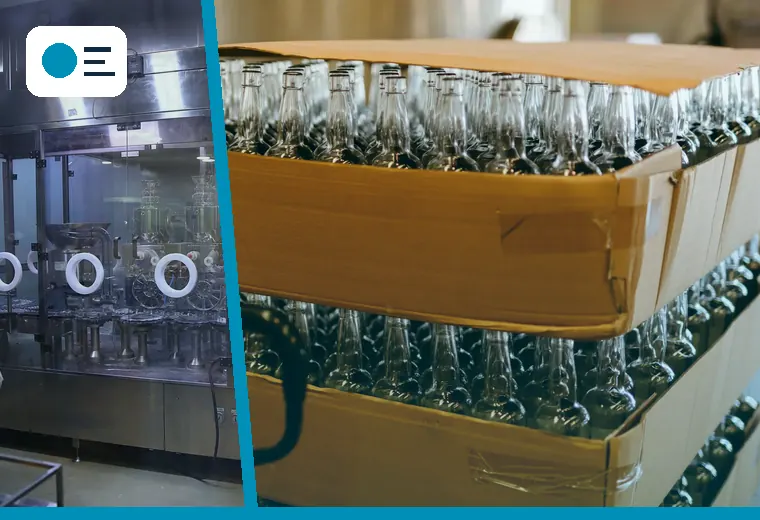 18 answers
Stand-up pouches
Gusseted pouches designed to remain upright on shelf.
Open the guide →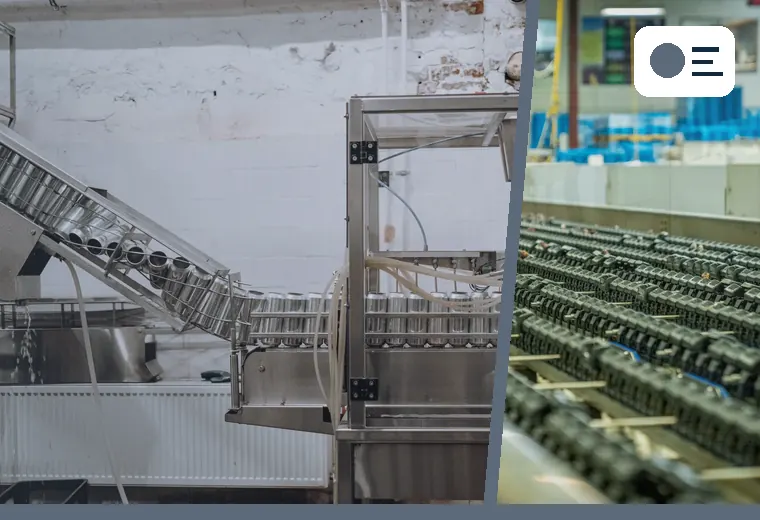 18 answers
Spouted pouch filling
Filling through or before fitting a rigid spout.
Open the guide →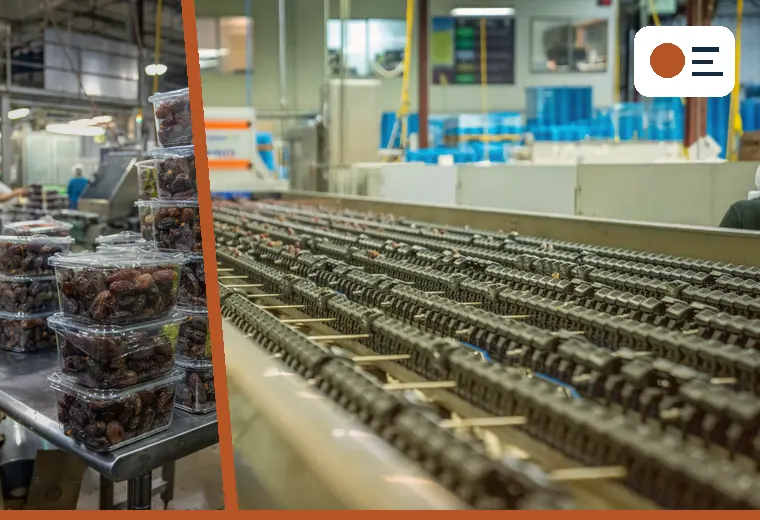 18 answers
Vacuum pouches
Packs sealed after air removal to protect or compact the product.
Open the guide →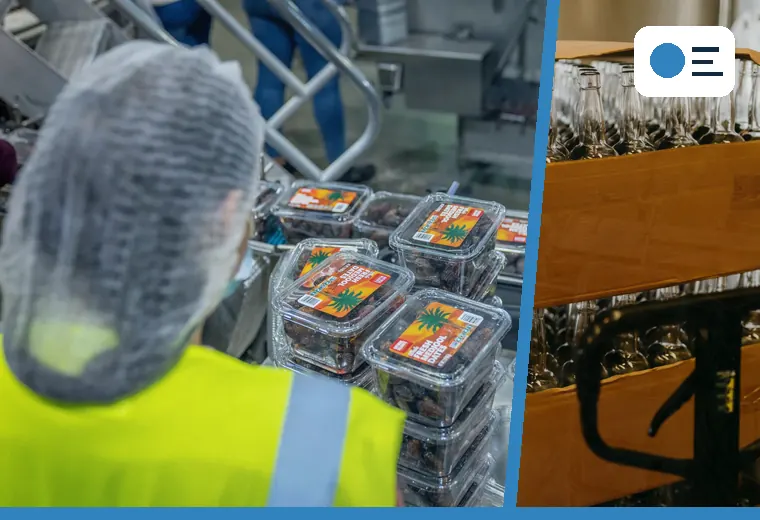 18 answers
Zipper pouches
Reclosable packs requiring controlled opening and clean sealing above the zipper.
Open the guide →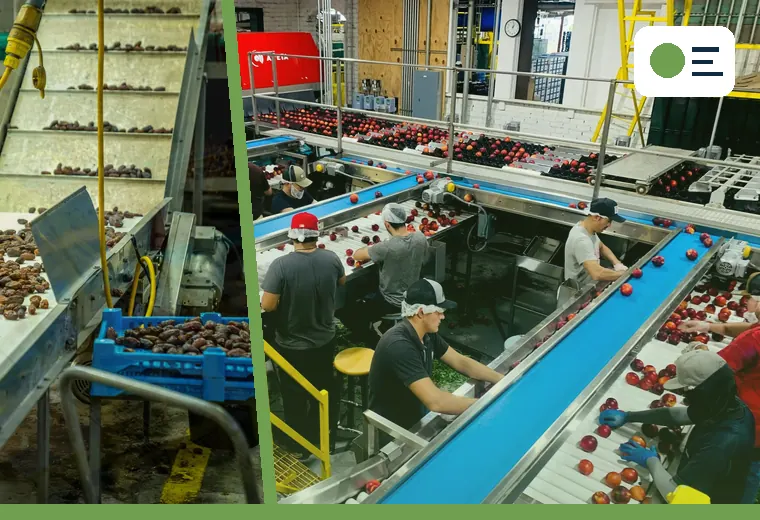 18 answers
Gusseted bags
Bags with side or base gussets that change opening and presentation.
Open the guide →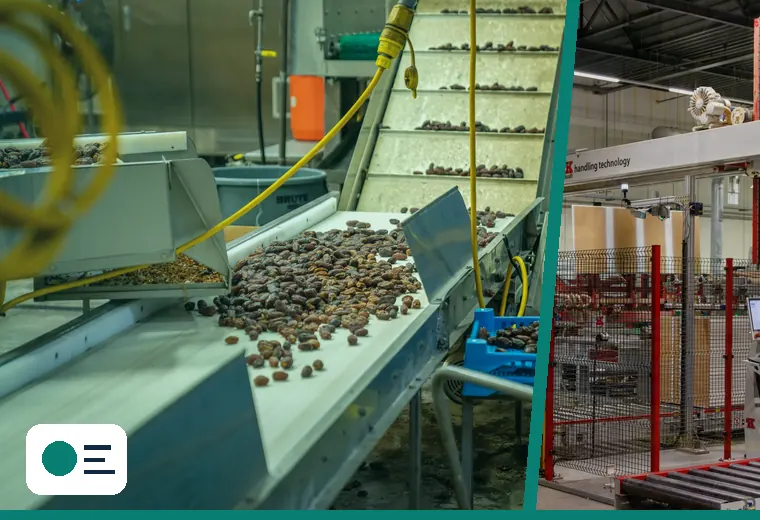 18 answers
Shrink film
Heat-responsive film used to enclose or collate products.
Open the guide →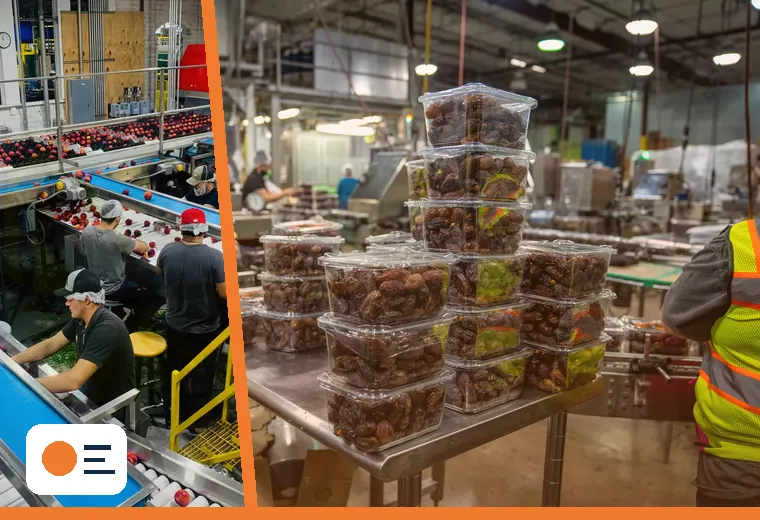 18 answers
Sleeve film
Film supplied as a sleeve or web for bundling and tamper applications.
Open the guide →End-of-line packing and inspection
 18 answers
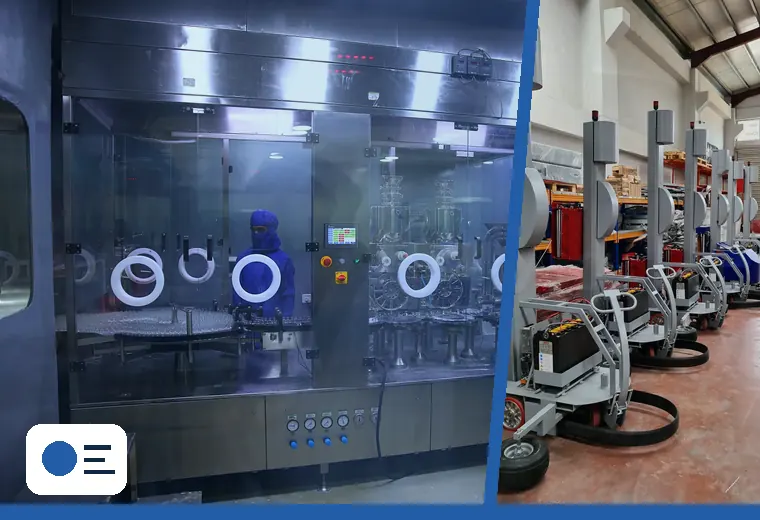
Case taping
Folding or holding case flaps and applying tape for dispatch.
Open the guide → 18 answers
Cartoning
Erecting, loading and closing printed board cartons.
Open the guide →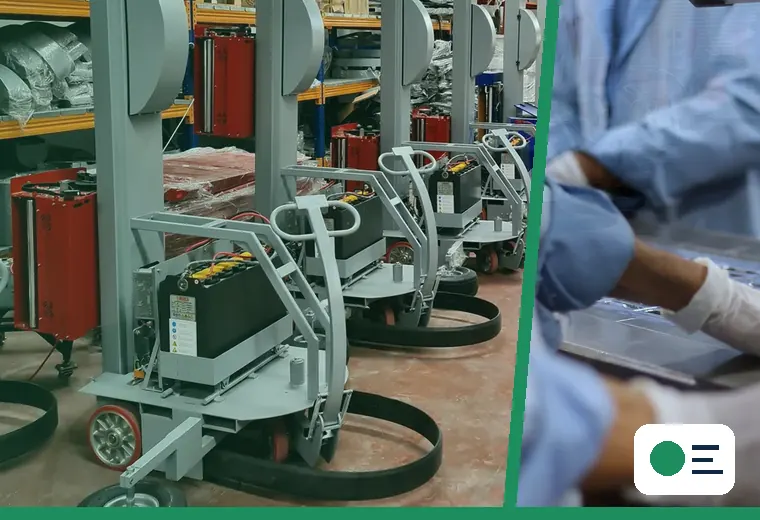 18 answers
Shrink wrapping
Enclosing products or multipacks in film and shrinking it with heat.
Open the guide →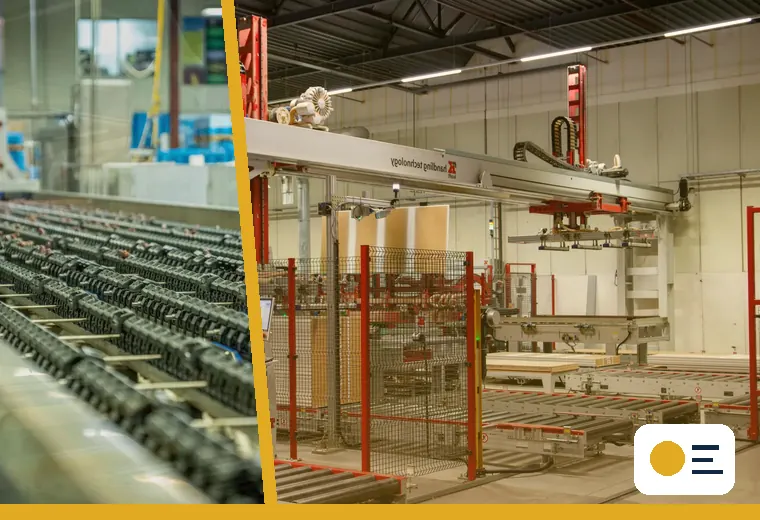 18 answers
Sleeve wrapping
Collating products in a film sleeve before shrinking.
Open the guide →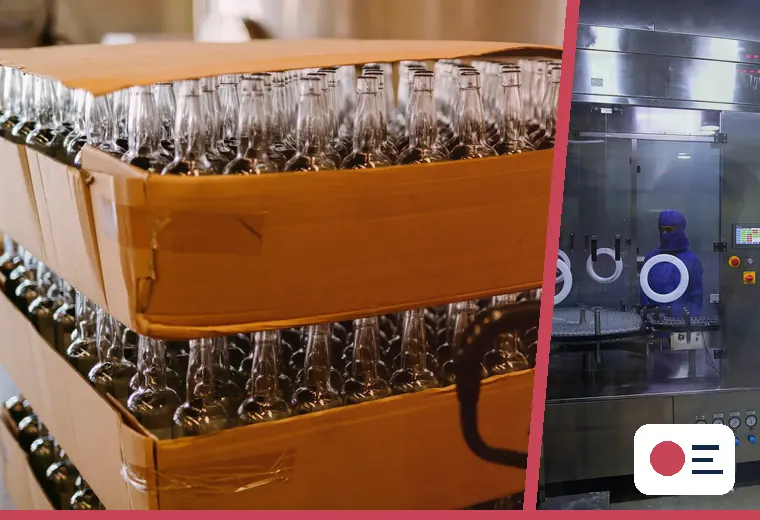 18 answers
L-sealing
Making a closed film envelope before a shrink tunnel.
Open the guide →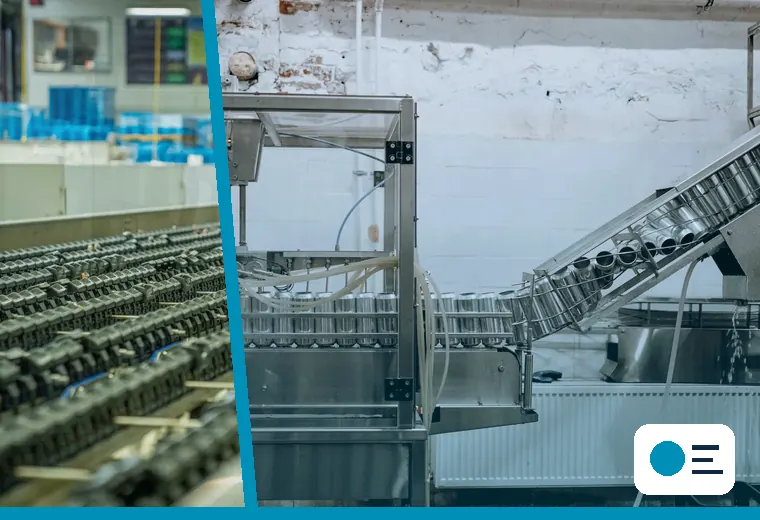 18 answers
Case packing
Loading products into corrugated shipping cases.
Open the guide →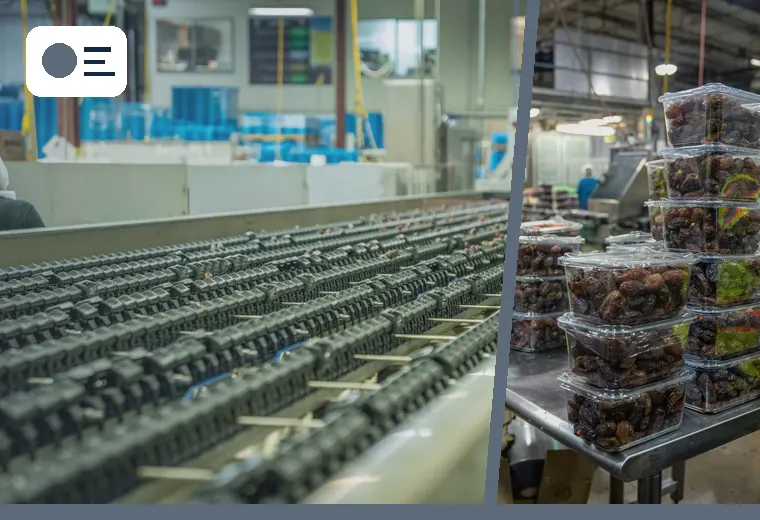 18 answers
Tray packing
Arranging products into open trays or display-ready packs.
Open the guide →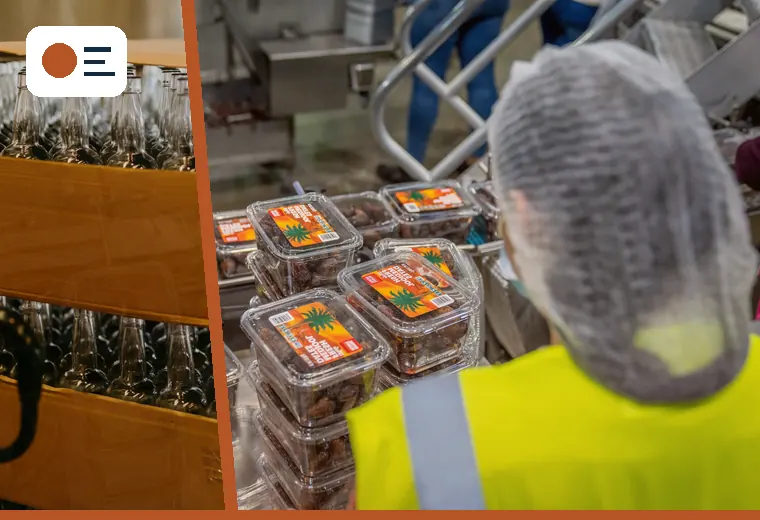 18 answers
Pallet wrapping
Stabilising finished loads with stretch or shrink film.
Open the guide →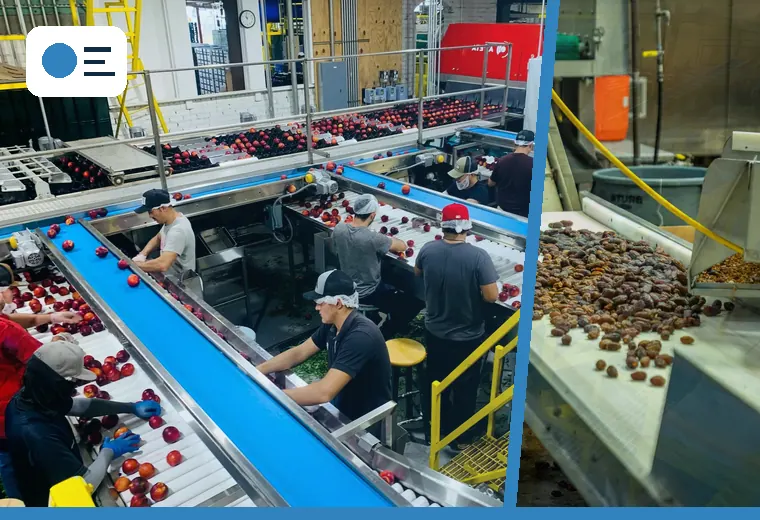 18 answers
Print-and-apply labelling
Printing variable data and automatically applying it to a moving pack.
Open the guide →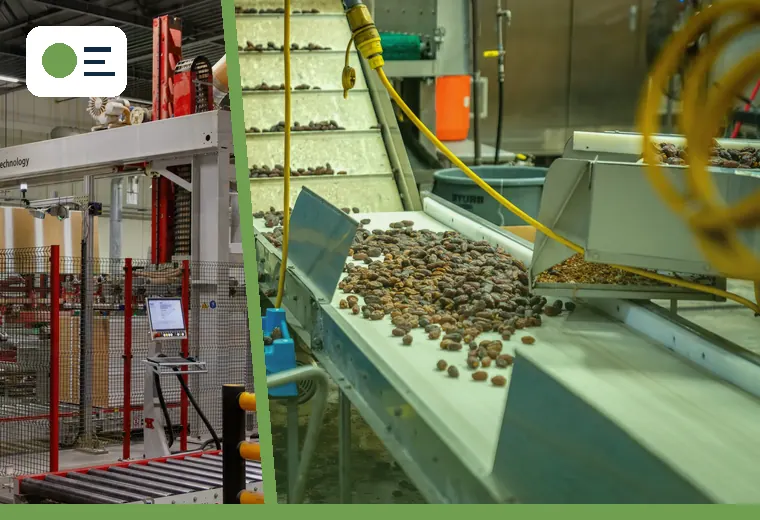 18 answers
Checkweighing
Verifying finished pack weight against defined limits.
Open the guide →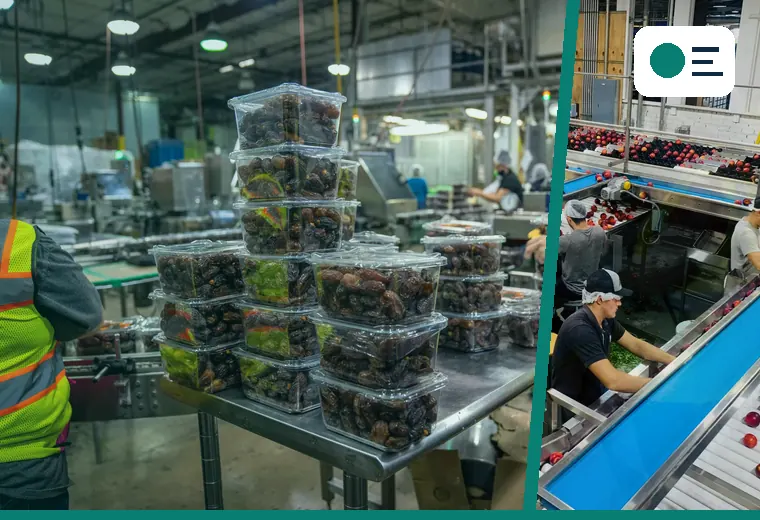 18 answers
Metal detection
Inspecting suitable products for metal contamination within a validated system.
Open the guide →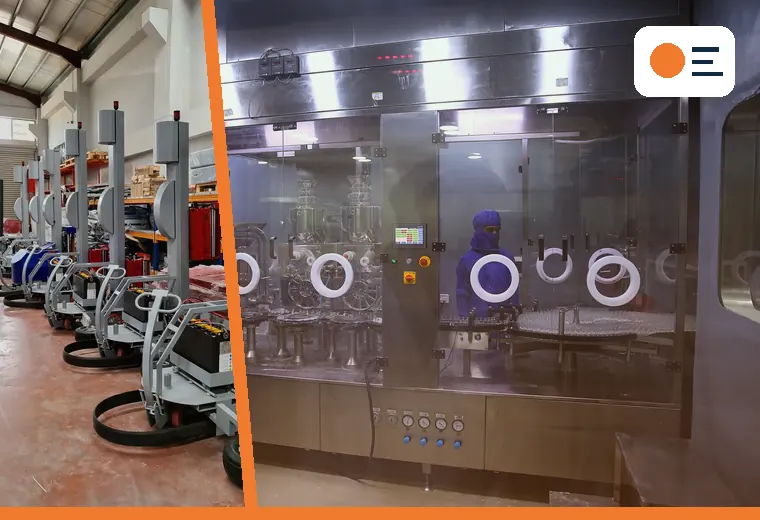 18 answers
Dispatch packing
Combining identification, case sealing and handling for shipment.
Open the guide → 18 answers
Induction foil sealing
Compatible containers, caps and foil liners requiring controlled sealing energy and pack pressure.
Open the guide →Browse every detailed topic
These text links provide a quicker route to the expanded question library without repeating imagery.
Containers and pack formats
Caps, closures and sealing
Labels, coding and traceability
Pouches, sachets, bags and films
End-of-line packing and inspection
Automation, conveyors and feeding
Questions customers also ask
Open a question for a concise answer, then use the detailed guide above for the full production checks.
What should I know about round bottles?
Cylindrical containers suited to wrap labelling but vulnerable to uncontrolled rotation.
What should I know about square bottles?
Flat-sided containers that need stable orientation and controlled corners at transfers.
What should I know about oval bottles?
Containers that can rotate or rock unless positively controlled through the line.
What should I know about glass bottles?
Rigid but breakable containers requiring controlled contact and base support.
What should I know about pet bottles?
Light plastic containers that can deform, scuff or become unstable under line pressure.
How should I use the What pack, closure or label are you using? page?
Choose a packaging format and find answers for handling, closing, labelling, sealing, inspection and line integration.