
Packaging technology selection hub
Select machinery by how the technology interacts with the product, pack and line—not by a generic speed claim. Use the side-by-side comparisons to create a shortlist and a representative trial plan.
Choose the question you need to answer
Each page gives a direct answer, evidence to collect, practical checks and a relevant specialist route.
 Practical guide
Peristaltic vs piston filling machines
Compare peristaltic and piston filling for dose range, viscosity, product contact, cleaning, consumables, speed and changeover.
Open the guide → Practical guide
Gear-pump vs piston filling machines
Compare gear-pump and piston filling for continuous flow, viscosity, particles, dose control, cleaning and maintenance.
Open the guide → Practical guide
Coriolis vs magnetic flowmeter filling
Compare Coriolis mass-flow and magnetic volumetric-flow filling for conductivity, density, accuracy, pressure loss and cleaning.
Open the guide → Practical guide
Servo vs pneumatic piston filling machines
Compare servo-driven and pneumatic piston fillers for control, repeatability, fill profiles, utilities, maintenance and cost.
Open the guide →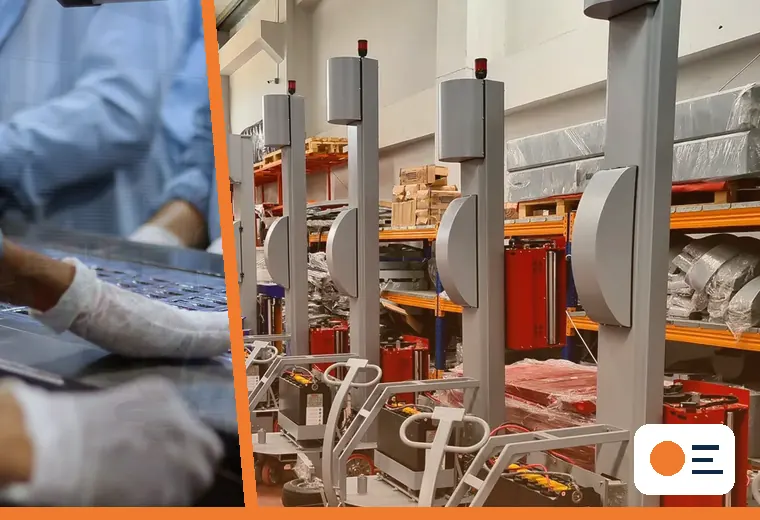 Practical guide
Gravity vs overflow liquid filling
Compare gravity and overflow filling for volumetric control, visual fill level, thin liquids, bottle variation and return flow.
Open the guide →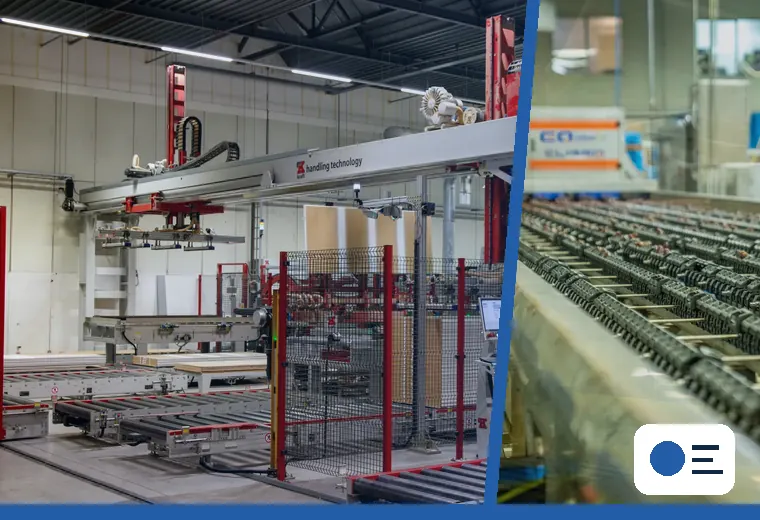 Practical guide
Net-weight vs flowmeter filling
Compare net-weight and flowmeter filling for mass, volume, density, large packs, speed, accuracy and process feedback.
Open the guide → Practical guide
Fixed vs diving filling nozzles
Compare fixed and diving nozzles for foam, splash, stringing, submerged filling, cycle time, container access and cleaning.
Open the guide →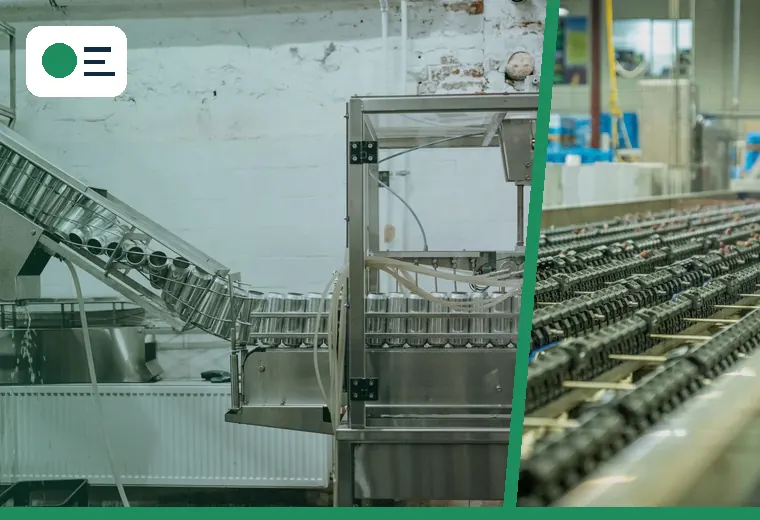 Practical guide
Spindle vs chuck capping machines
Compare spindle and chuck capping for continuous output, closure range, torque control, container handling and changeover.
Open the guide →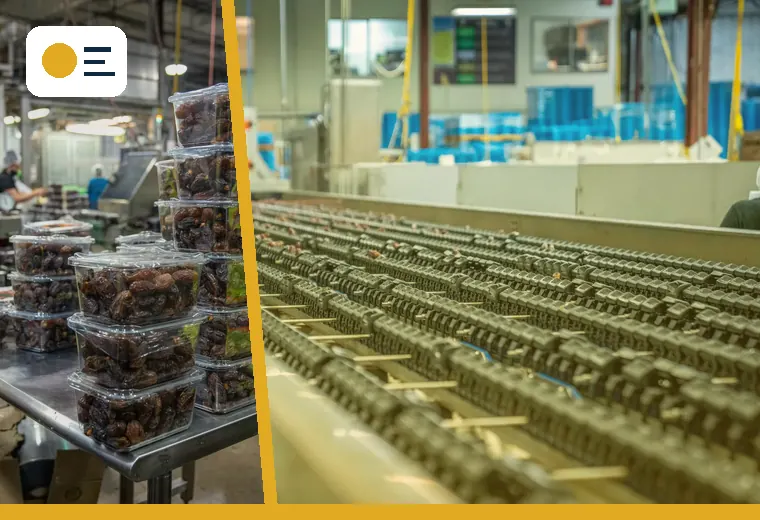 Practical guide
Thermal inkjet vs continuous inkjet coding
Compare TIJ and CIJ for substrates, print distance, code height, line speed, maintenance, inks, environment and integration.
Open the guide → Practical guide
Multihead vs linear weighing systems
Compare multihead combination and linear weighers for accuracy, speed, product range, fragility, target weight and changeover.
Open the guide →Need the guidance applied to a real production problem?
Send the product, pack, current method, measured symptom and target output.
Questions customers also ask
Can a comparison page select a machine by itself?
No. It narrows the principles to test; final selection needs samples, the full format range, sustained output and acceptance criteria.
Why compare the measurement principle?
The principle determines sensitivity to viscosity, density, bubbles, pack variation, cleaning and turndown.
What should a representative trial include?
Use normal supplier variation, minimum and maximum formats, the hardest product condition and enough running time to reveal replenishment and changeover effects.
Should quoted maximum speed be the main decision?
No. Compare sustained good output after stops, rejects, cleaning, replenishment and normal operator work.