
Packaging machinery comparisons
Use side-by-side decision criteria before asking suppliers to quote different technical routes.

Compare the operating principle, not only the brochure
 Comparison
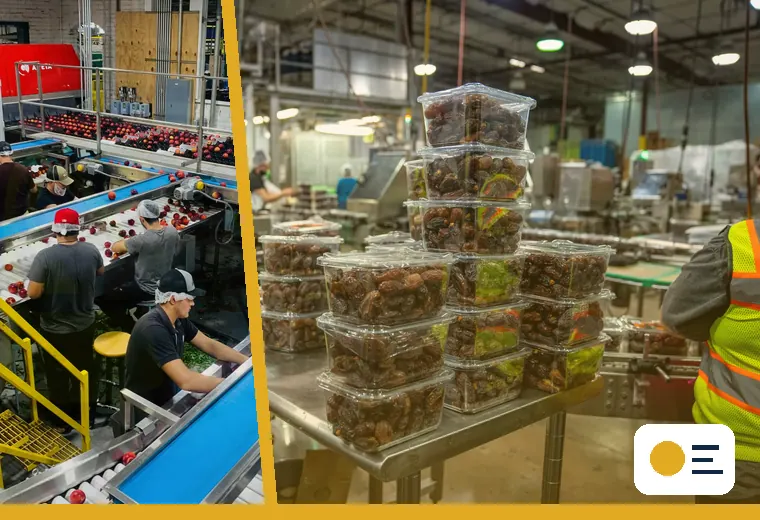
Semi-automatic vs automatic packaging machinery
Compare semi-automatic and fully automatic packaging machinery by output, labour, flexibility, changeover, risk and installed cost.
Compare the options →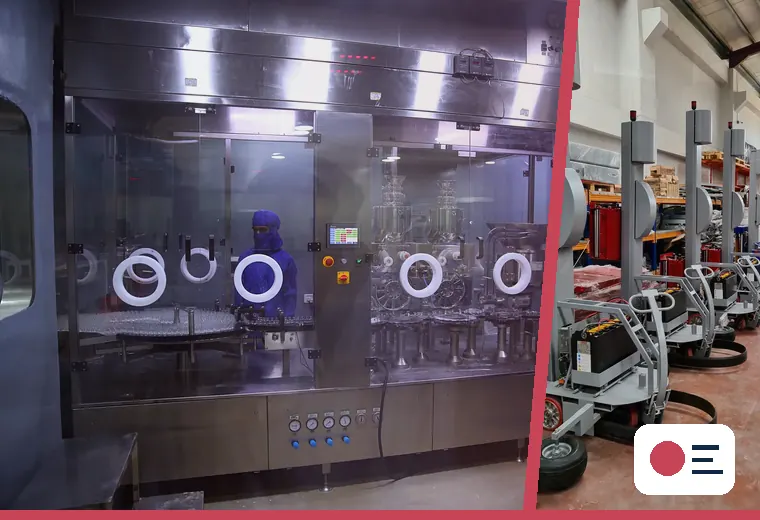 Comparison
Piston vs pump vs gravity liquid filling
Compare piston, pump and gravity filling for thin liquids, viscous products, particles, accuracy, cleaning and changeover.
Compare the options → Comparison
Auger filling vs weigh filling for powders
Compare auger and weigh filling for cohesive powders, free-flowing granules, bulk-density change, dust, accuracy and speed.
Compare the options →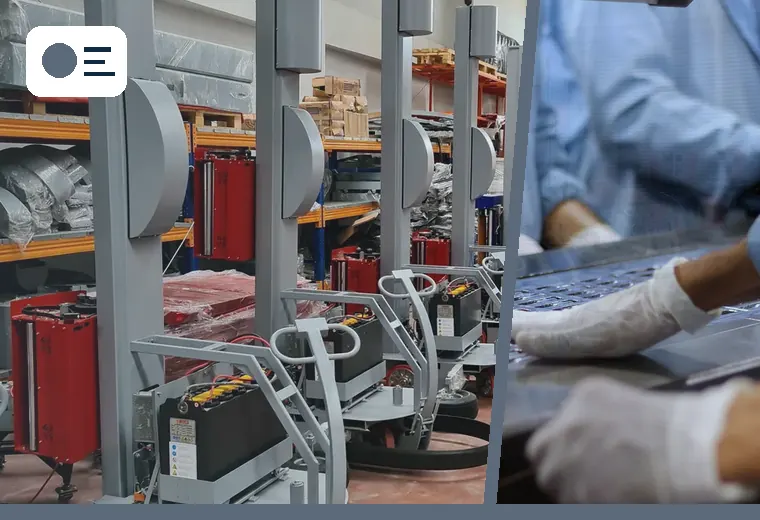 Comparison
Inline vs rotary filling machines
Compare inline and rotary filling systems for output, format range, footprint, integration, maintenance and future capacity.
Compare the options →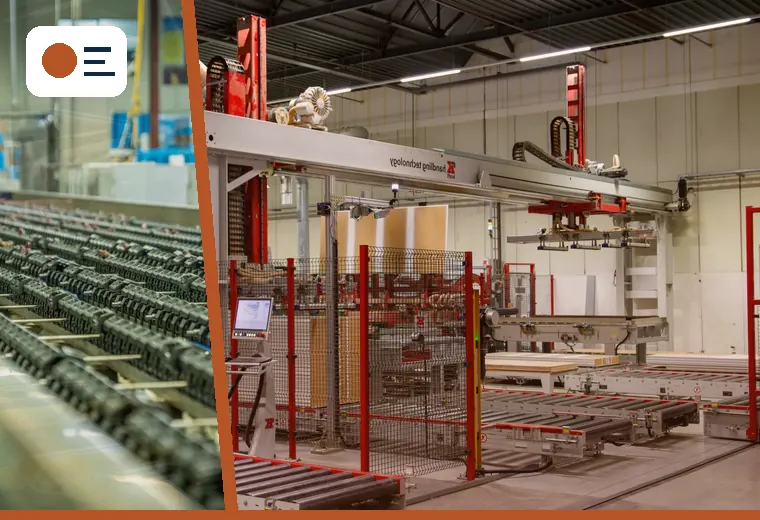 Comparison
Premade pouches vs vertical form fill seal
Compare premade-pouch machines with vertical form-fill-seal systems by presentation, material, speed, flexibility, sealing and waste.
Compare the options → Comparison
Pressure-sensitive labels vs shrink sleeves
Compare self-adhesive labels and shrink sleeves for decoration, tamper evidence, container shape, changeover, recycling and line speed.
Compare the options →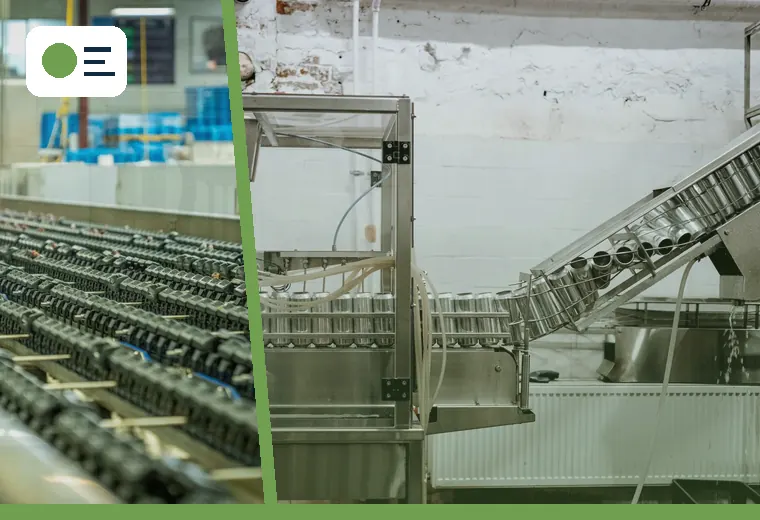 Comparison
Inkjet vs thermal transfer coding
Compare inkjet and thermal-transfer coding for bottles, cartons, labels and flexible film by substrate, speed, permanence and running cost.
Compare the options →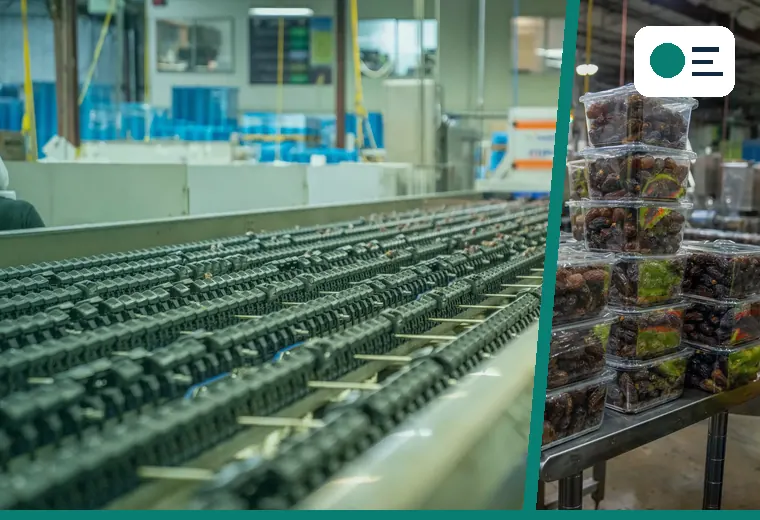 Comparison
Induction seals vs tamper-evident bands
Compare induction foil seals and tamper-evident neck bands for leak resistance, evidence of opening, materials and production integration.
Compare the options →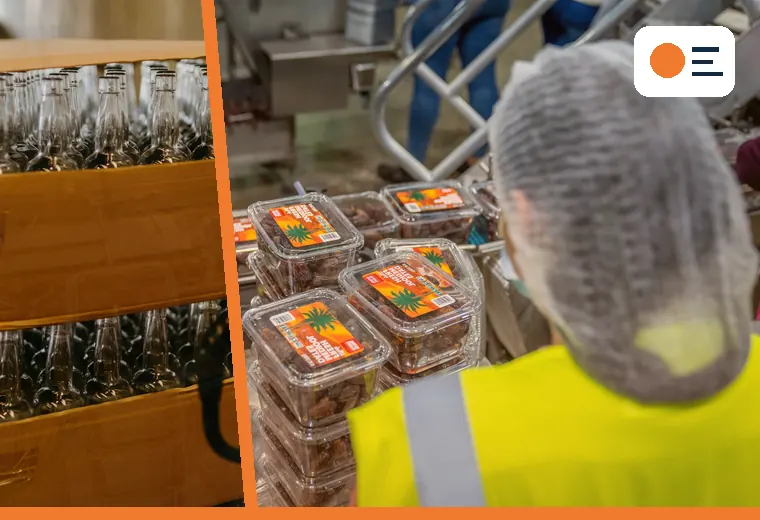 Comparison
Bowl feeder vs step feeder for components
Compare vibratory bowl and step feeding for caps, components and parts by orientation, noise, product damage, footprint and speed.
Compare the options →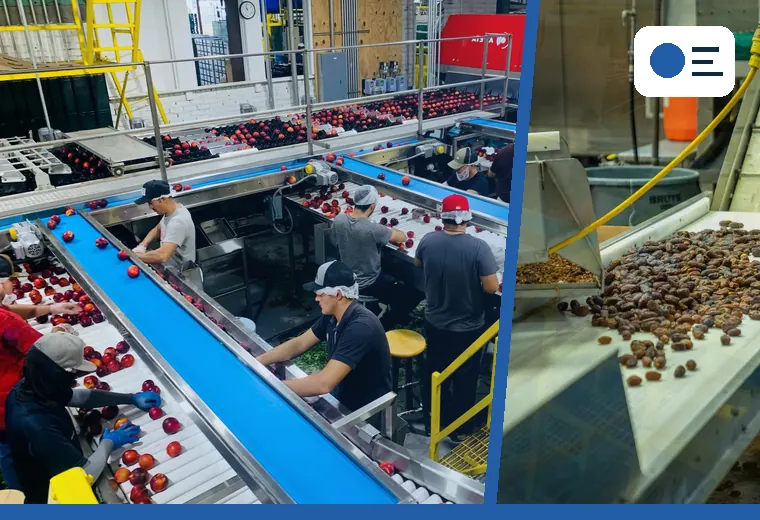 Comparison
New vs used packaging machinery
Compare new and second-hand packaging machinery by purchase cost, lead time, condition, controls, tooling, compliance and lifecycle risk.
Compare the options →Compare the process principle before selecting a machine
These pages target the practical differences customers research when they are close to specifying filling, weighing, capping or coding equipment.
 Practical guide
Peristaltic vs piston filling machines
Compare peristaltic and piston filling for dose range, viscosity, product contact, cleaning, consumables, speed and changeover.
Open the guide →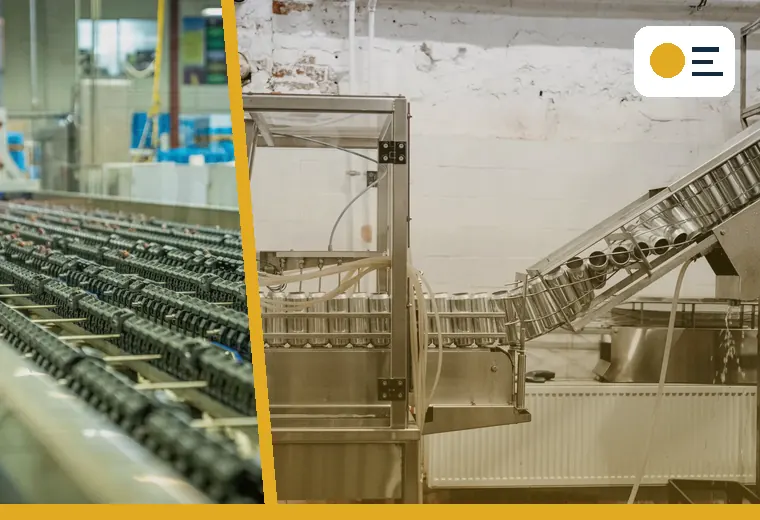 Practical guide
Gear-pump vs piston filling machines
Compare gear-pump and piston filling for continuous flow, viscosity, particles, dose control, cleaning and maintenance.
Open the guide →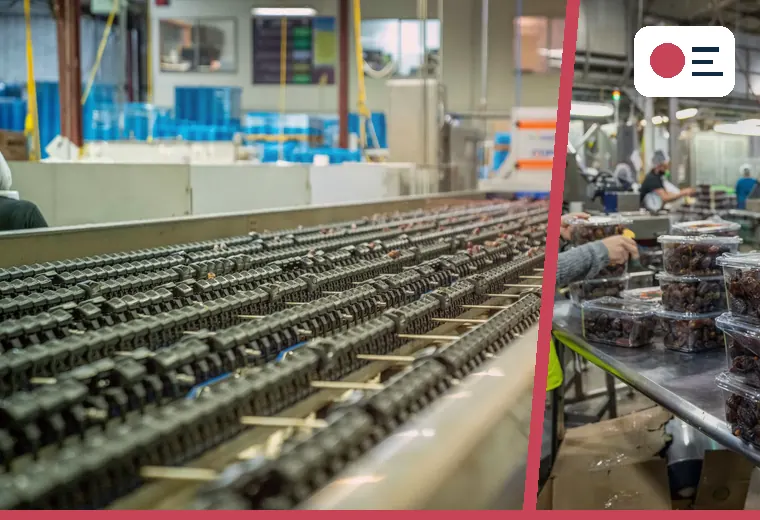 Practical guide
Coriolis vs magnetic flowmeter filling
Compare Coriolis mass-flow and magnetic volumetric-flow filling for conductivity, density, accuracy, pressure loss and cleaning.
Open the guide → Practical guide
Servo vs pneumatic piston filling machines
Compare servo-driven and pneumatic piston fillers for control, repeatability, fill profiles, utilities, maintenance and cost.
Open the guide →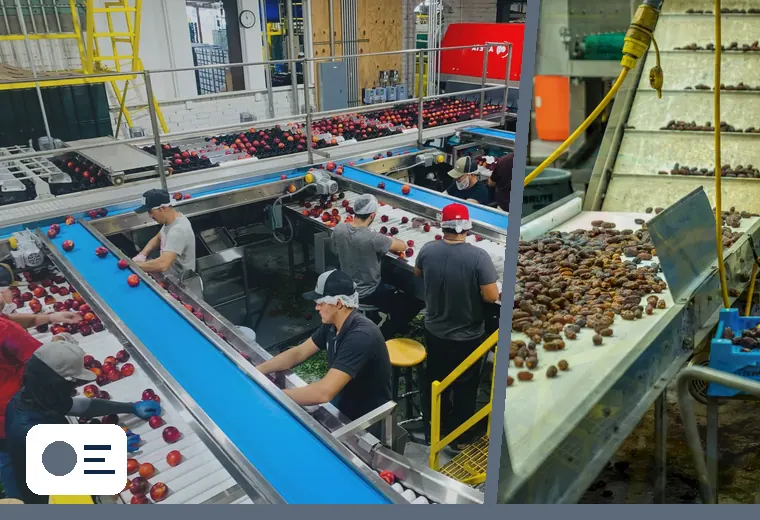 Practical guide
Gravity vs overflow liquid filling
Compare gravity and overflow filling for volumetric control, visual fill level, thin liquids, bottle variation and return flow.
Open the guide →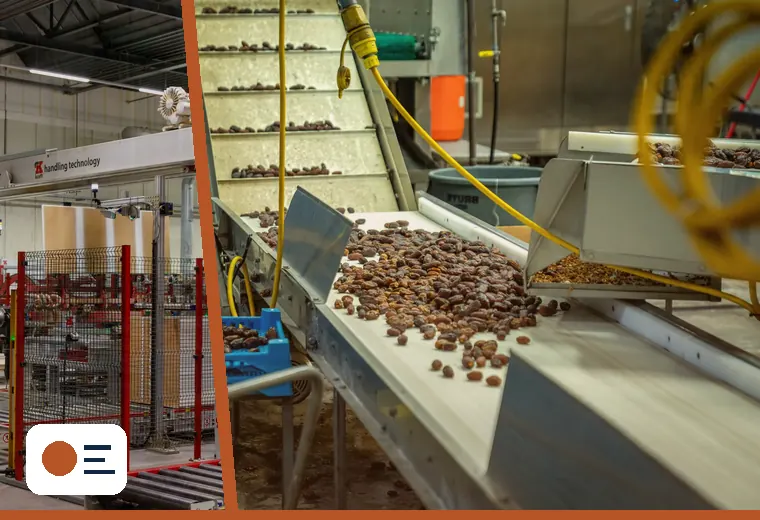 Practical guide
Net-weight vs flowmeter filling
Compare net-weight and flowmeter filling for mass, volume, density, large packs, speed, accuracy and process feedback.
Open the guide →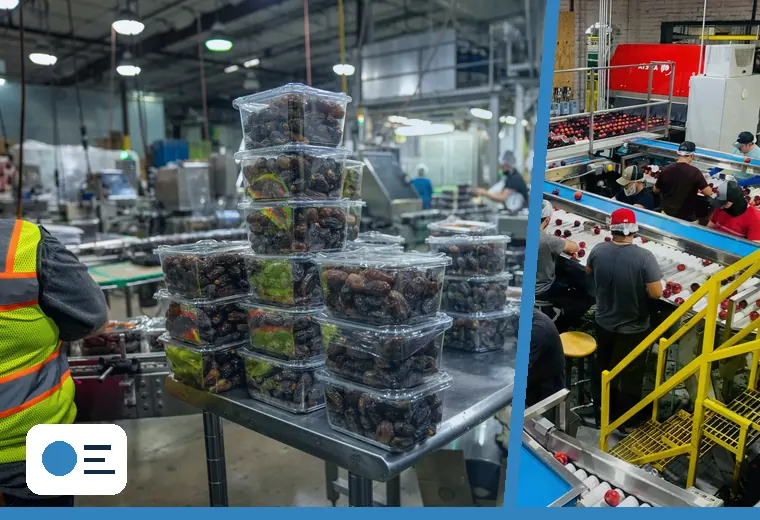 Practical guide
Fixed vs diving filling nozzles
Compare fixed and diving nozzles for foam, splash, stringing, submerged filling, cycle time, container access and cleaning.
Open the guide →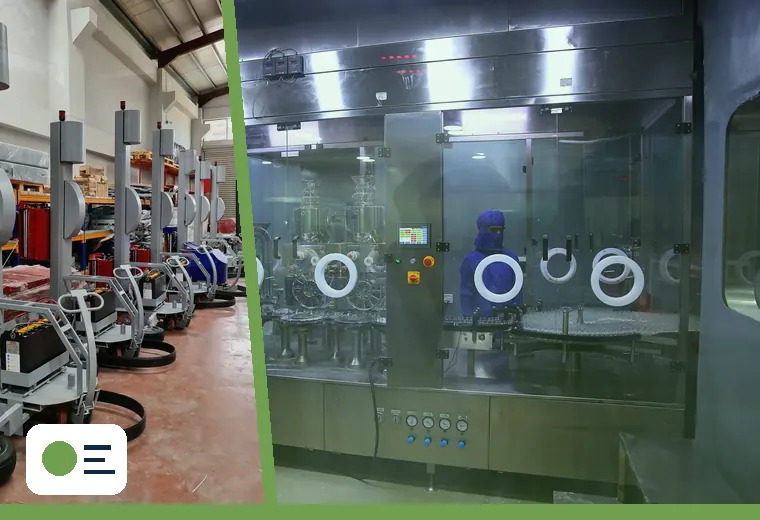 Practical guide
Spindle vs chuck capping machines
Compare spindle and chuck capping for continuous output, closure range, torque control, container handling and changeover.
Open the guide → Practical guide
Thermal inkjet vs continuous inkjet coding
Compare TIJ and CIJ for substrates, print distance, code height, line speed, maintenance, inks, environment and integration.
Open the guide →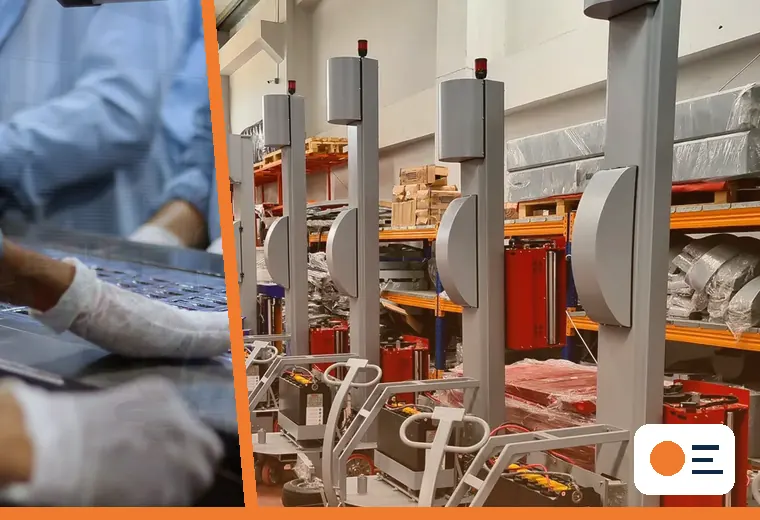 Practical guide
Multihead vs linear weighing systems
Compare multihead combination and linear weighers for accuracy, speed, product range, fragility, target weight and changeover.
Open the guide →Questions customers also ask
How should packaging machinery be compared?
Compare the same written requirement, samples, acceptance test, installed scope and lifecycle assumptions. Feature lists alone do not show suitability.
Is the fastest machine normally the best choice?
No. The best choice must sustain required good output across the product range while meeting quality, changeover, cleaning and support requirements.
Should machine price be compared before a trial?
A budget can be screened first, but final comparison should include sample evidence, installed scope and acceptance criteria.
Can one machine handle every product and pack?
Wide flexibility is possible, but every additional format can add tooling, changeover, compromise or project risk. Qualify the credible range.