
Liquids, pastes and filling
Troubleshoot liquid, paste and specialist filling by product behaviour, dose, container, output and cleaning requirement.
60 detailed topic guides
Each guide contains the same 18 customer problem routes, making it easier to compare symptoms across applications.
 18 answers
Acidic chemicals
a filling application where viscosity, aeration, temperature, supply conditions, nozzle control and product-contact compatibility affect dose and pack quality for acidic chemicals. Chemical compatibility, splash control and safe cleaning must be agreed from the full formulation and safety data.
Open the guide → 18 answers
Alkaline chemicals
a filling application where viscosity, aeration, temperature, supply conditions, nozzle control and product-contact compatibility affect dose and pack quality for alkaline chemicals. Chemical compatibility, splash control and safe cleaning must be agreed from the full formulation and safety data.
Open the guide → 18 answers
Antifreeze
a filling application where viscosity, aeration, temperature, supply conditions, nozzle control and product-contact compatibility affect dose and pack quality for antifreeze.
Open the guide → 18 answers
Beer
a filling application where viscosity, aeration, temperature, supply conditions, nozzle control and product-contact compatibility affect dose and pack quality for beer. Temperature, dissolved gas and controlled pressure release are important to retain product quality.
Open the guide → 18 answers
Bleach solutions
a filling application where viscosity, aeration, temperature, supply conditions, nozzle control and product-contact compatibility affect dose and pack quality for bleach solutions. Chemical compatibility, splash control and safe cleaning must be agreed from the full formulation and safety data.
Open the guide → 18 answers
Carbonated drinks
pressure-sensitive beverages that must retain dissolved gas during filling
Open the guide → 18 answers
Chilled liquids
products whose viscosity, condensation or temperature changes line behaviour
Open the guide → 18 answers
Cider
a filling application where viscosity, aeration, temperature, supply conditions, nozzle control and product-contact compatibility affect dose and pack quality for cider. Temperature, dissolved gas and controlled pressure release are important to retain product quality.
Open the guide → 18 answers
Corrosive chemicals
aggressive products requiring confirmed wetted materials, containment and safe cleaning
Open the guide → 18 answers
Cosmetic serums
a filling application where viscosity, aeration, temperature, supply conditions, nozzle control and product-contact compatibility affect dose and pack quality for cosmetic serums.
Open the guide → 18 answers
Cough syrups
a filling application where viscosity, aeration, temperature, supply conditions, nozzle control and product-contact compatibility affect dose and pack quality for cough syrups.
Open the guide → 18 answers
Creams and lotions
smooth cosmetic or pharmaceutical products where clean cut-off and presentation matter
Open the guide → 18 answers
Dairy milk
a filling application where viscosity, aeration, temperature, supply conditions, nozzle control and product-contact compatibility affect dose and pack quality for dairy milk.
Open the guide → 18 answers
Disinfectants
a filling application where viscosity, aeration, temperature, supply conditions, nozzle control and product-contact compatibility affect dose and pack quality for disinfectants. Chemical compatibility, splash control and safe cleaning must be agreed from the full formulation and safety data.
Open the guide → 18 answers
E-liquids
a filling application where viscosity, aeration, temperature, supply conditions, nozzle control and product-contact compatibility affect dose and pack quality for e-liquids. Vapour, static, flammability and hazardous-area requirements may need competent assessment.
Open the guide → 18 answers
Edible oils
low-foaming but mobile products where drips and giveaway are commercially important
Open the guide → 18 answers
Engine oils
a filling application where viscosity, aeration, temperature, supply conditions, nozzle control and product-contact compatibility affect dose and pack quality for engine oils.
Open the guide → 18 answers
Epoxy resins
a filling application where viscosity, aeration, temperature, supply conditions, nozzle control and product-contact compatibility affect dose and pack quality for epoxy resins. Product temperature, positive displacement, large product paths and clean nozzle shut-off are usually important.
Open the guide → 18 answers
Essential oils
a filling application where viscosity, aeration, temperature, supply conditions, nozzle control and product-contact compatibility affect dose and pack quality for essential oils. Vapour, static, flammability and hazardous-area requirements may need competent assessment.
Open the guide → 18 answers
Flammable liquids
products where vapour, static and hazardous-area classification affect the whole installation
Open the guide → 18 answers
Foamy liquids
products that trap air or form a head of foam when they are pumped or dropped into a container
Open the guide → 18 answers
Fruit jam
a filling application where viscosity, aeration, temperature, supply conditions, nozzle control and product-contact compatibility affect dose and pack quality for fruit jam. Product temperature, positive displacement, large product paths and clean nozzle shut-off are usually important.
Open the guide → 18 answers
Fruit juice
a filling application where viscosity, aeration, temperature, supply conditions, nozzle control and product-contact compatibility affect dose and pack quality for fruit juice.
Open the guide → 18 answers
Fruit puree
a filling application where viscosity, aeration, temperature, supply conditions, nozzle control and product-contact compatibility affect dose and pack quality for fruit puree.
Open the guide → 18 answers
Gels
elastic or stringing products that need controlled product paths and shut-off
Open the guide → 18 answers
Hair conditioner
a filling application where viscosity, aeration, temperature, supply conditions, nozzle control and product-contact compatibility affect dose and pack quality for hair conditioner.
Open the guide → 18 answers
Hand sanitiser
a filling application where viscosity, aeration, temperature, supply conditions, nozzle control and product-contact compatibility affect dose and pack quality for hand sanitiser.
Open the guide → 18 answers
Hot-fill liquids
products filled at elevated temperature where pack stability and cooling affect the result
Open the guide → 18 answers
Ketchup
a filling application where viscosity, aeration, temperature, supply conditions, nozzle control and product-contact compatibility affect dose and pack quality for ketchup. Product temperature, positive displacement, large product paths and clean nozzle shut-off are usually important.
Open the guide → 18 answers
Liquid adhesives
a filling application where viscosity, aeration, temperature, supply conditions, nozzle control and product-contact compatibility affect dose and pack quality for liquid adhesives.
Open the guide → 18 answers
Liquid detergents
a filling application where viscosity, aeration, temperature, supply conditions, nozzle control and product-contact compatibility affect dose and pack quality for liquid detergents.
Open the guide → 18 answers
Liquid fertilisers
a filling application where viscosity, aeration, temperature, supply conditions, nozzle control and product-contact compatibility affect dose and pack quality for liquid fertilisers.
Open the guide → 18 answers
Liquid foundation
a filling application where viscosity, aeration, temperature, supply conditions, nozzle control and product-contact compatibility affect dose and pack quality for liquid foundation.
Open the guide → 18 answers
Liquid honey
a filling application where viscosity, aeration, temperature, supply conditions, nozzle control and product-contact compatibility affect dose and pack quality for liquid honey. Product temperature, positive displacement, large product paths and clean nozzle shut-off are usually important.
Open the guide → 18 answers
Liquid paint
a filling application where viscosity, aeration, temperature, supply conditions, nozzle control and product-contact compatibility affect dose and pack quality for liquid paint.
Open the guide → 18 answers
Liquid pesticides
a filling application where viscosity, aeration, temperature, supply conditions, nozzle control and product-contact compatibility affect dose and pack quality for liquid pesticides. Chemical compatibility, splash control and safe cleaning must be agreed from the full formulation and safety data.
Open the guide → 18 answers
Liquid soap
a filling application where viscosity, aeration, temperature, supply conditions, nozzle control and product-contact compatibility affect dose and pack quality for liquid soap.
Open the guide → 18 answers
Liquid supplements
a filling application where viscosity, aeration, temperature, supply conditions, nozzle control and product-contact compatibility affect dose and pack quality for liquid supplements.
Open the guide → 18 answers
Liquid suspensions
liquids carrying solids that can settle, separate or block small passages
Open the guide → 18 answers
Lubricating oils
a filling application where viscosity, aeration, temperature, supply conditions, nozzle control and product-contact compatibility affect dose and pack quality for lubricating oils.
Open the guide → 18 answers
Mayonnaise
a filling application where viscosity, aeration, temperature, supply conditions, nozzle control and product-contact compatibility affect dose and pack quality for mayonnaise. Product temperature, positive displacement, large product paths and clean nozzle shut-off are usually important.
Open the guide →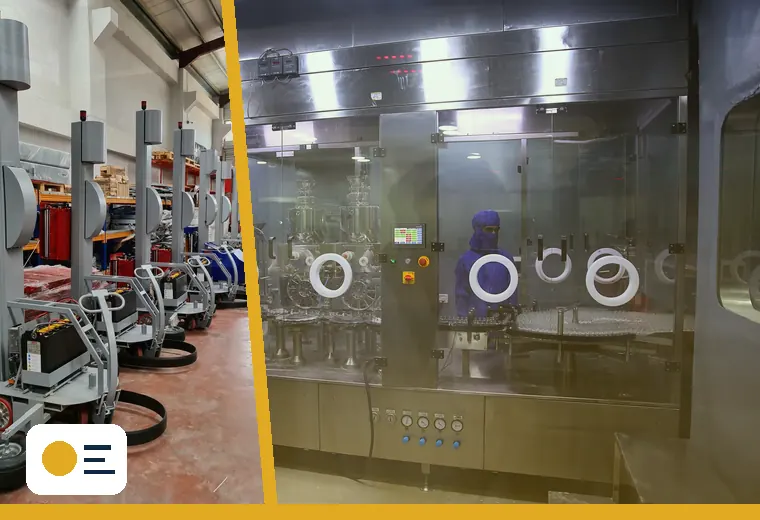 18 answers
Mineral water
a filling application where viscosity, aeration, temperature, supply conditions, nozzle control and product-contact compatibility affect dose and pack quality for mineral water.
Open the guide → 18 answers
Nail polish
a filling application where viscosity, aeration, temperature, supply conditions, nozzle control and product-contact compatibility affect dose and pack quality for nail polish. Vapour, static, flammability and hazardous-area requirements may need competent assessment.
Open the guide → 18 answers
Oat and plant drinks
a filling application where viscosity, aeration, temperature, supply conditions, nozzle control and product-contact compatibility affect dose and pack quality for oat and plant drinks.
Open the guide → 18 answers
Ointments
a filling application where viscosity, aeration, temperature, supply conditions, nozzle control and product-contact compatibility affect dose and pack quality for ointments. Product temperature, positive displacement, large product paths and clean nozzle shut-off are usually important.
Open the guide → 18 answers
Perfume
a filling application where viscosity, aeration, temperature, supply conditions, nozzle control and product-contact compatibility affect dose and pack quality for perfume. Vapour, static, flammability and hazardous-area requirements may need competent assessment.
Open the guide →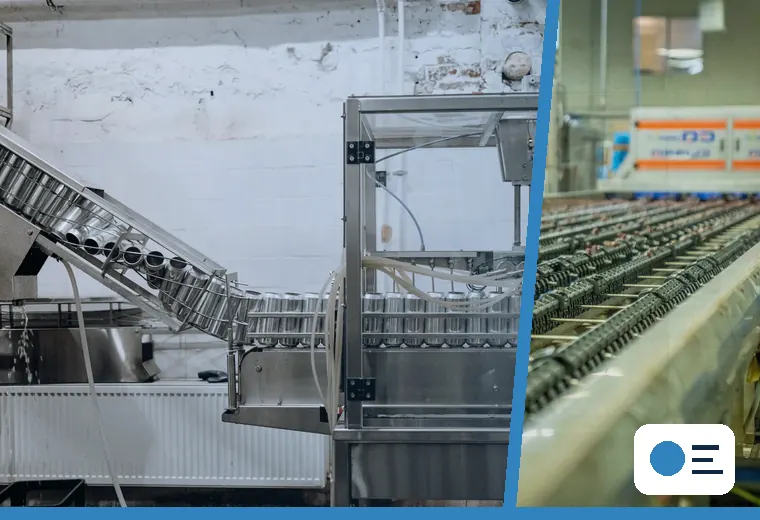 18 answers
Printing inks
a filling application where viscosity, aeration, temperature, supply conditions, nozzle control and product-contact compatibility affect dose and pack quality for printing inks.
Open the guide →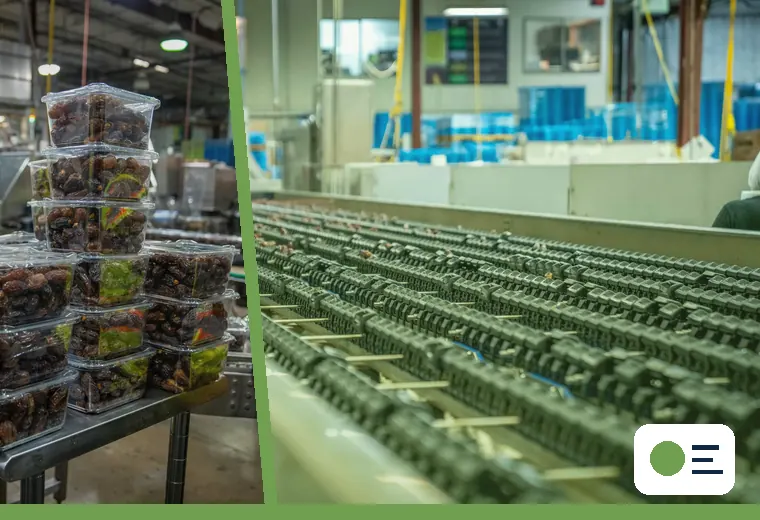 18 answers
Sauces and dressings
viscous food products that may contain particles, oil phases or air
Open the guide →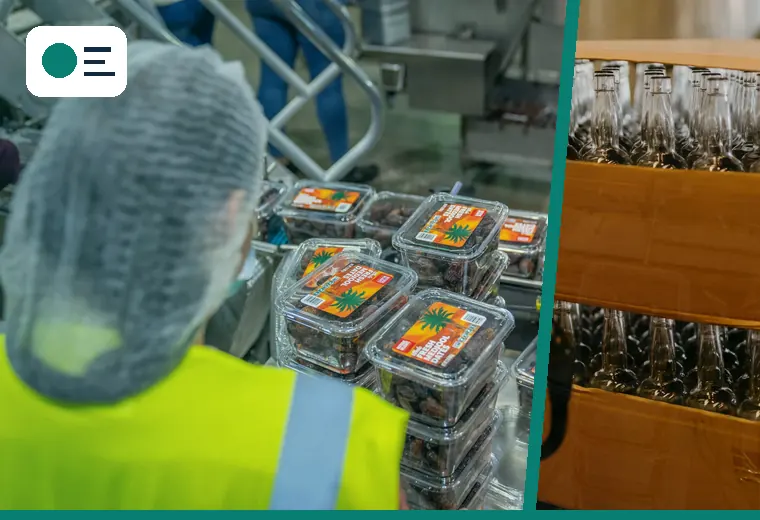 18 answers
Screenwash
a filling application where viscosity, aeration, temperature, supply conditions, nozzle control and product-contact compatibility affect dose and pack quality for screenwash.
Open the guide → 18 answers
Shampoo
a filling application where viscosity, aeration, temperature, supply conditions, nozzle control and product-contact compatibility affect dose and pack quality for shampoo.
Open the guide → 18 answers
Silicone products
a filling application where viscosity, aeration, temperature, supply conditions, nozzle control and product-contact compatibility affect dose and pack quality for silicone products. Product temperature, positive displacement, large product paths and clean nozzle shut-off are usually important.
Open the guide → 18 answers
Solvent-based products
fast-evaporating formulations that can attack seals, hoses, liners and labels
Open the guide → 18 answers
Spirits
a filling application where viscosity, aeration, temperature, supply conditions, nozzle control and product-contact compatibility affect dose and pack quality for spirits. Vapour, static, flammability and hazardous-area requirements may need competent assessment.
Open the guide → 18 answers
Still water
a filling application where viscosity, aeration, temperature, supply conditions, nozzle control and product-contact compatibility affect dose and pack quality for still water.
Open the guide → 18 answers
Syrups
dense, sticky liquids that can string, drip or change viscosity with temperature
Open the guide → 18 answers
Thin free-flowing liquids
low-viscosity products that move quickly through pumps, valves and nozzles
Open the guide → 18 answers
Toothpaste
a filling application where viscosity, aeration, temperature, supply conditions, nozzle control and product-contact compatibility affect dose and pack quality for toothpaste. Product temperature, positive displacement, large product paths and clean nozzle shut-off are usually important.
Open the guide → 18 answers
Viscous liquids
slow-moving products that need positive displacement and larger product paths
Open the guide → 18 answers
Wine
a filling application where viscosity, aeration, temperature, supply conditions, nozzle control and product-contact compatibility affect dose and pack quality for wine.
Open the guide → 18 answers
Yoghurt
a filling application where viscosity, aeration, temperature, supply conditions, nozzle control and product-contact compatibility affect dose and pack quality for yoghurt.
Open the guide →Start with the problem you can see
Questions customers also ask
Open a question for a concise answer, then use the detailed guide above for the full production checks.
What is covered in the Liquids, pastes and filling section?
This section contains 60 customer topics and 1,080 detailed answers for troubleshoot liquid, paste and specialist filling by product behaviour, dose, container, output and cleaning requirement.
How should I start diagnosing a liquid filling problem?
Begin with the symptom you can measure, record a baseline using representative samples and trace the first point where the process loses control.
What information is needed before comparing liquid filling machinery?
Provide real products and packs, dimensions, current and required output, tolerances, utilities, cleaning requirements and the hardest production case.
Why is sustained good output more useful than maximum speed for liquid filling?
Sustained good output includes waiting, replenishment, changeovers, short stops and rejects, so it reflects the capacity the customer can actually use.
How are the answers linked to specialist solutions?
Each topic and answer shows a prominent best-matched specialist website selected from the packaging machinery and support network.
Can the guidance replace a machinery trial for liquid filling?
No. The guidance helps define the route, but final suitability needs representative samples, a written requirement and measurable acceptance testing.