
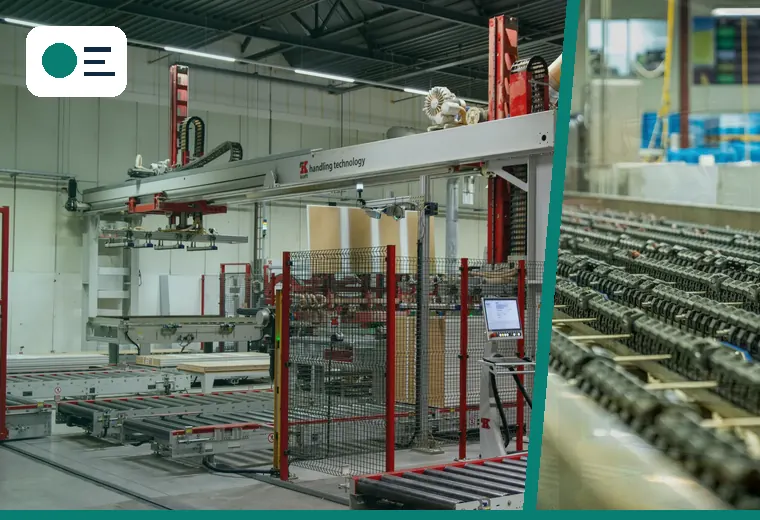
 Liquid filling
Why are fill levels inconsistent when filling liquid fertilisers?
Practical guidance for liquid fertilisers: find why measured results vary during a run.
Read the answer →a filling application where viscosity, aeration, temperature, supply conditions, nozzle control and product-contact compatibility affect dose and pack quality for liquid fertilisers.
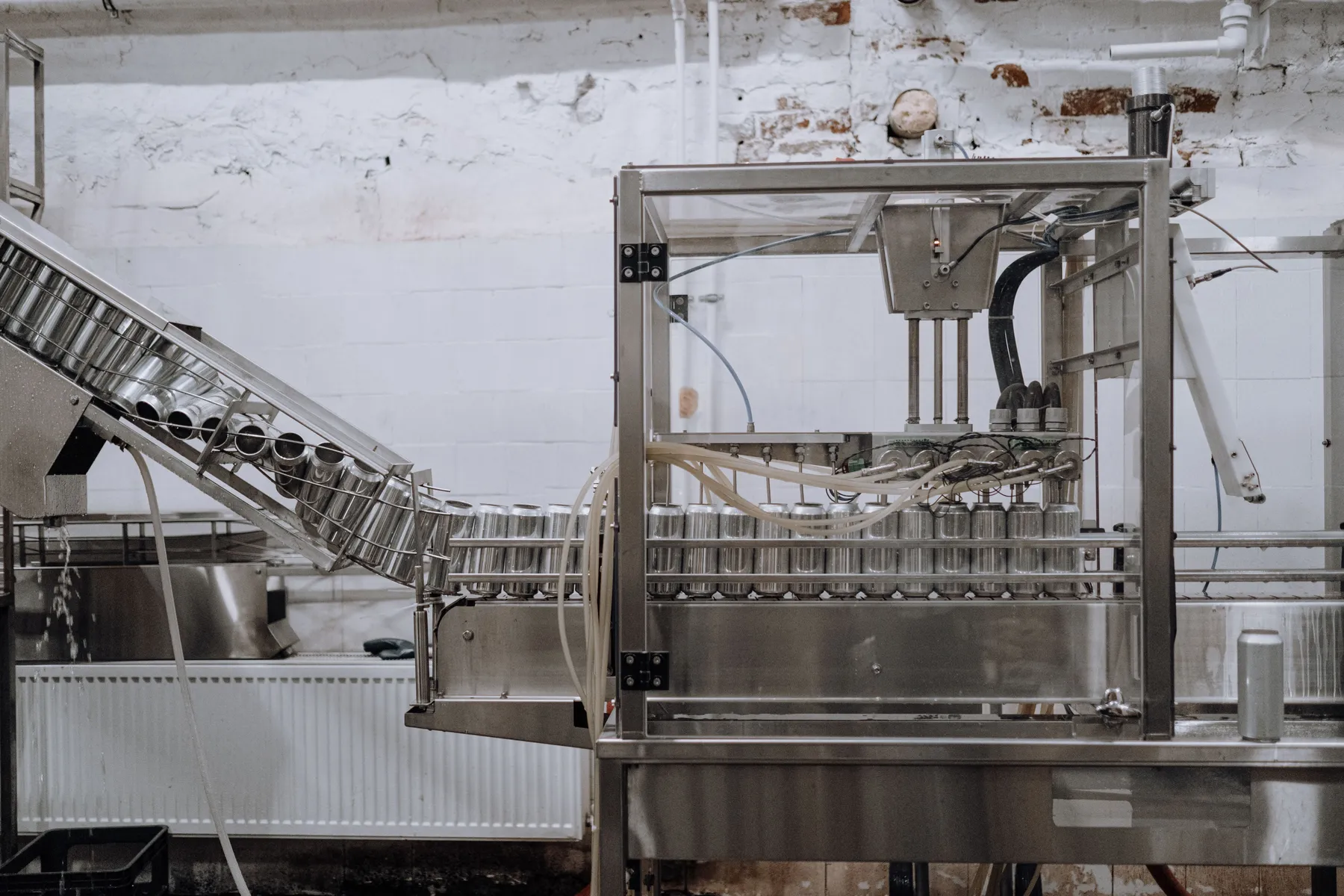
See the machinery and application options most closely matched to this production topic.
Start with the symptom you can measure, then work through the checks in order before comparing machinery.
Liquid fillingPractical guidance for liquid fertilisers: find why measured results vary during a run.
Read the answer →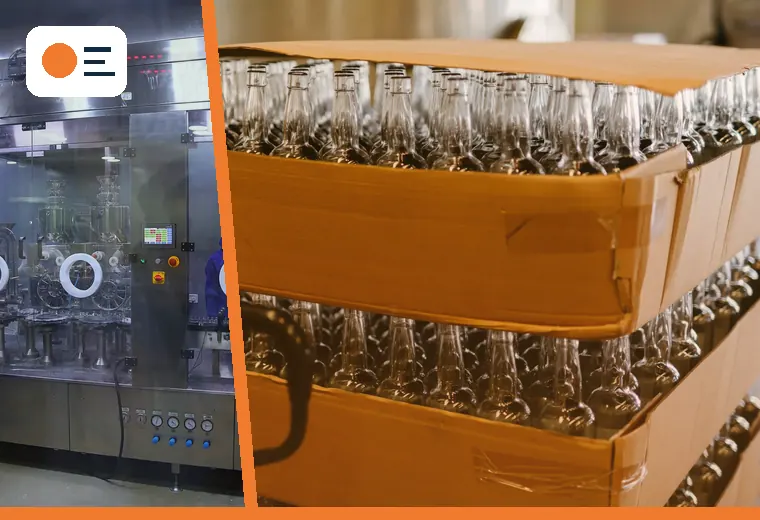 Liquid filling
Practical guidance for liquid fertilisers: separate true machine speed from waiting, handling, replenishment and short stops.
Read the answer →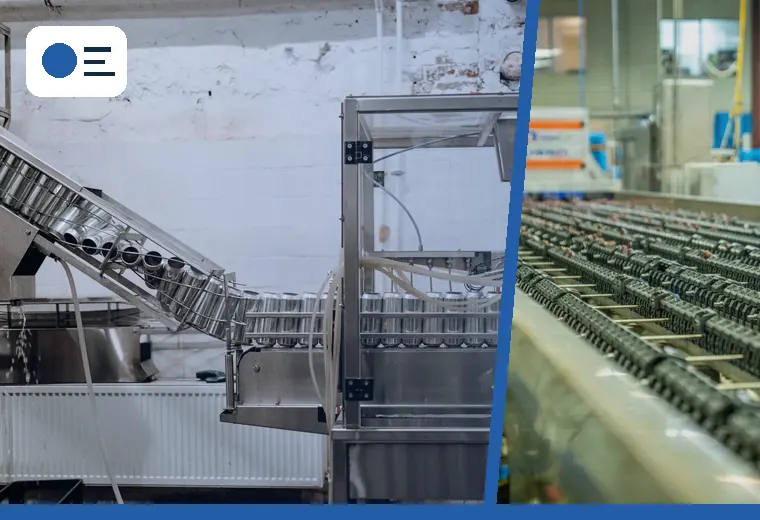 Liquid filling
Practical guidance for liquid fertilisers: trace the first loss of control instead of repeatedly clearing the final jam.
Read the answer →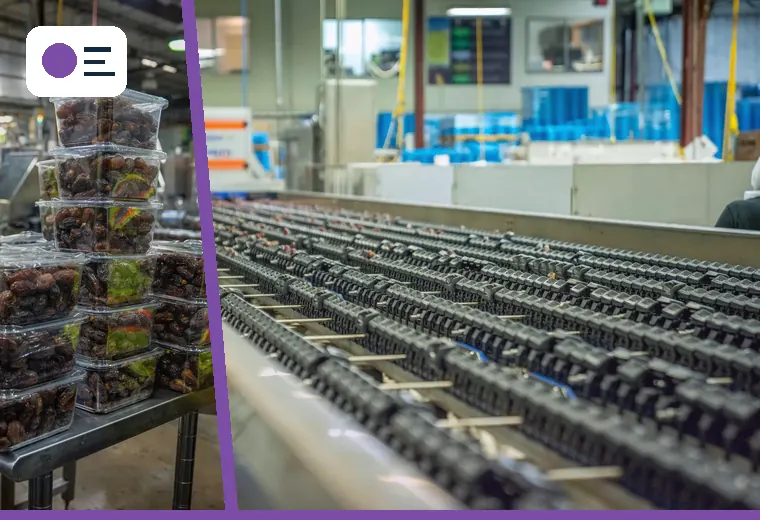 Liquid filling
Practical guidance for liquid fertilisers: reduce product loss, damaged packs, material waste and avoidable rejects.
Read the answer →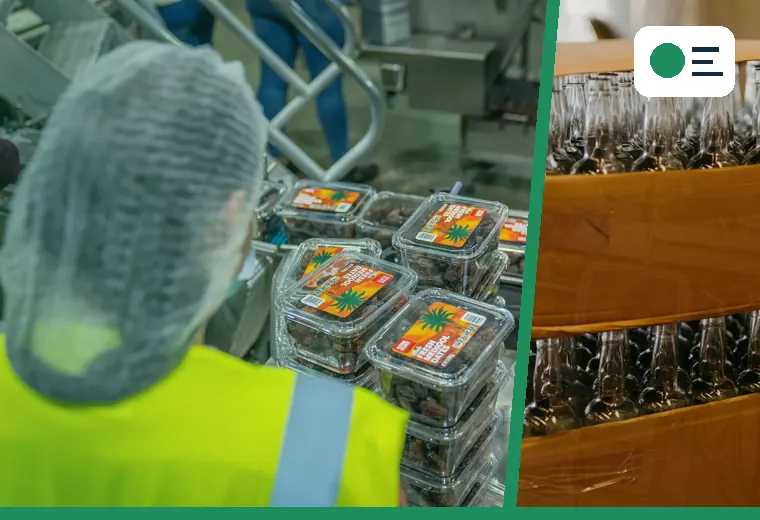 Liquid filling
Practical guidance for liquid fertilisers: plan access, product removal, safe cleaning and verified return to production.
Read the answer →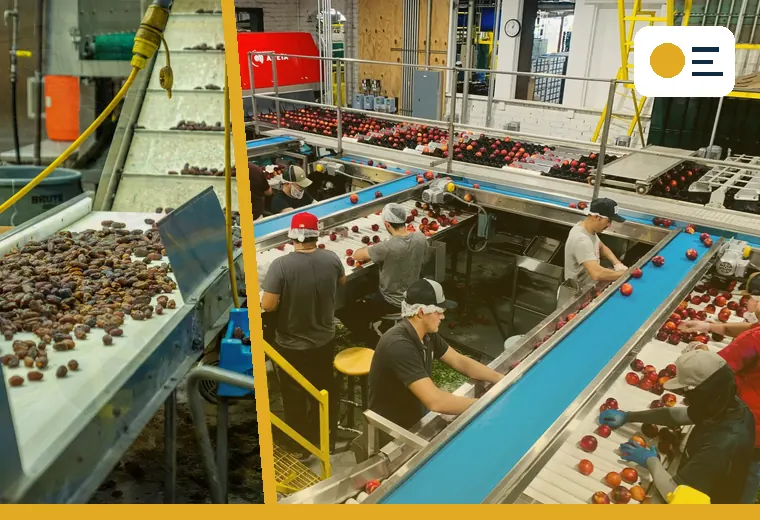 Liquid filling
Practical guidance for liquid fertilisers: make product and pack changes repeatable, measurable and easier for operators.
Read the answer →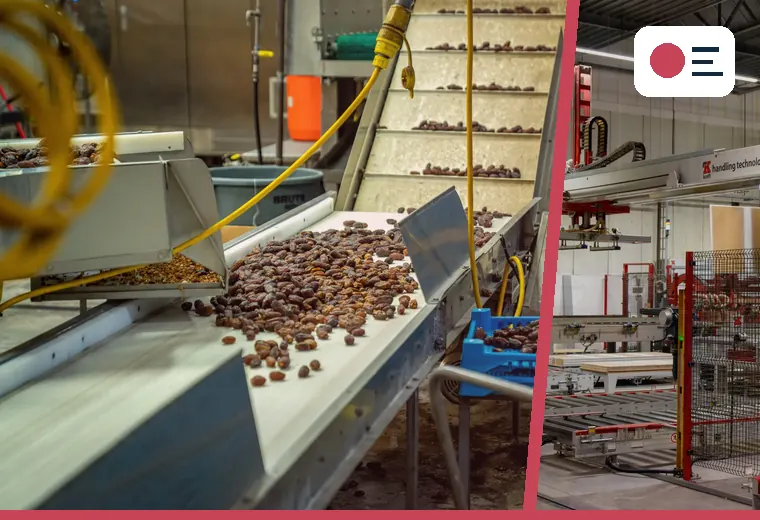 Liquid filling
Practical guidance for liquid fertilisers: check materials, seals, adhesives, films, closures and product-contact parts.
Read the answer → Liquid filling
Practical guidance for liquid fertilisers: match the machine principle to the real product, pack, output and acceptance criteria.
Read the answer → Liquid filling
Practical guidance for liquid fertilisers: automate the limiting operation without creating a new bottleneck.
Read the answer → Liquid filling
Practical guidance for liquid fertilisers: define a good pack and how defects will be detected and handled.
Read the answer → Liquid filling
Practical guidance for liquid fertilisers: control product, machinery, operator and site hazards through competent assessment.
Read the answer → Liquid filling
Practical guidance for liquid fertilisers: turn recurring faults into controlled inspection, service and replacement actions.
Read the answer → Liquid filling
Practical guidance for liquid fertilisers: coordinate product flow, controls, accumulation, guarding and restart behaviour.
Read the answer → Liquid filling
Practical guidance for liquid fertilisers: move from manual to semi-automatic and automatic production in sensible stages.
Read the answer → Liquid filling
Practical guidance for liquid fertilisers: improve appearance, seal, closure, code, dose and transport performance.
Read the answer →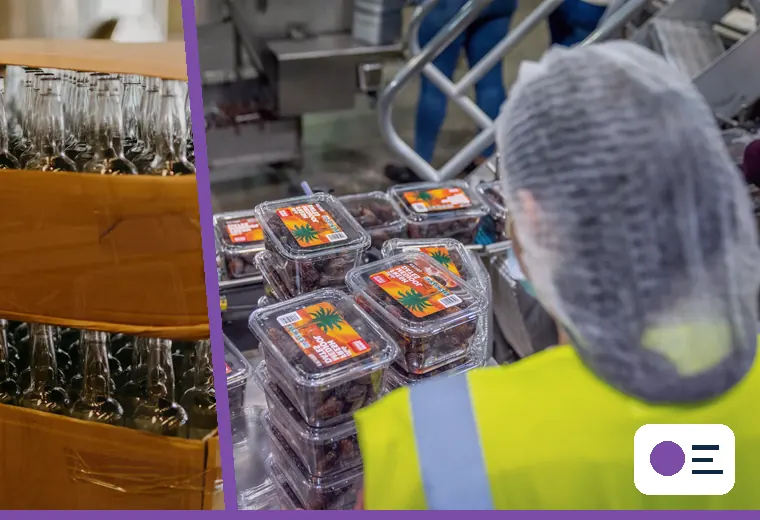 Liquid filling
Practical guidance for liquid fertilisers: present products, packs, caps or components consistently to the next operation.
Read the answer →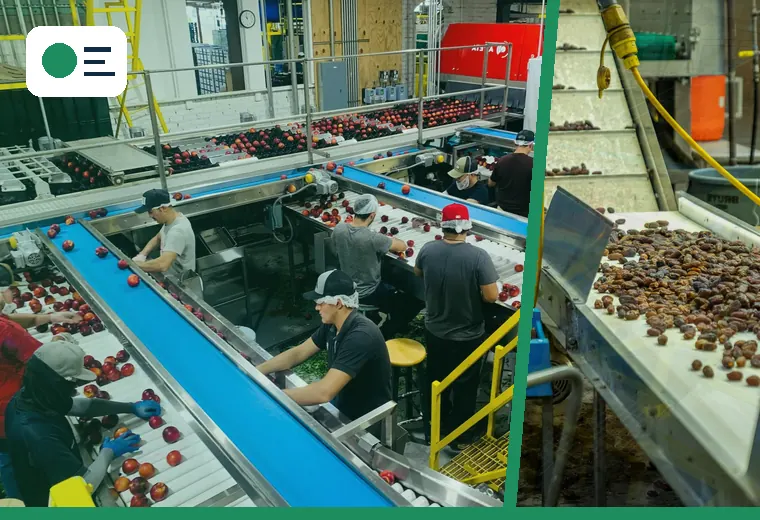 Liquid filling
Practical guidance for liquid fertilisers: understand how the production environment changes product and machine behaviour.
Read the answer →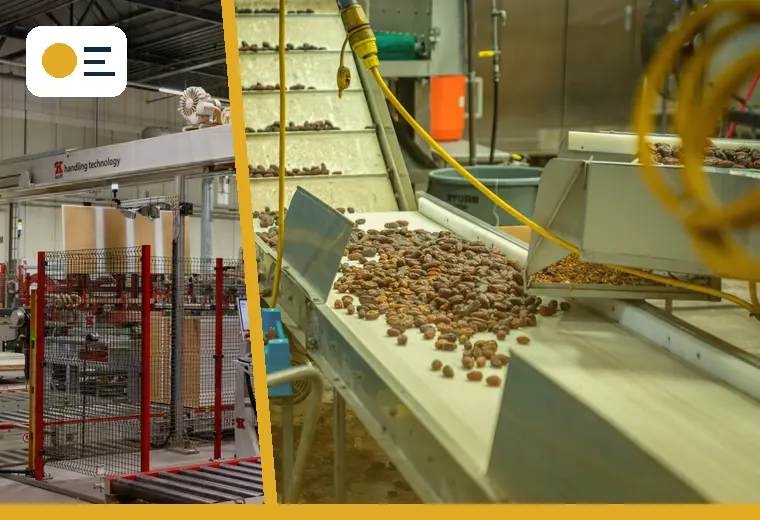 Liquid filling
Practical guidance for liquid fertilisers: capture samples, dimensions, output, acceptance tests and site constraints before buying.
Read the answer →A useful review needs the complete production result, not only a machine description. Include representative samples and the hardest normal operating case.
Open a question for a concise answer, then use the detailed guide above for the full production checks.
Define a measurable finished result, use representative samples and start with the first uncontrolled point in the liquid filling process.
Common causes include variation in incoming product or packaging, unsuitable settings, unstable feeding, wear, contamination and a machine principle that does not suit a filling application where viscosity, aeration, temperature, supply conditions, nozzle control and product-contact compatibility affect dose and pack quality for liquid fertilisers.
This topic contains 18 detailed answers covering consistency, output, jams, waste, cleaning, changeovers, compatibility, selection, automation, inspection, safety, maintenance, integration, scale-up, quality, feeding, environment and specification.
Compare sustained good output, measurable quality, changeover, cleaning, operator work, utilities, guarding, support and performance with the hardest real sample.
Send representative product and packaging, dimensions, current and required output, measurable tolerances, site information and a short video of the existing process.
Chemical Fillers is the clearest starting route on this page. Final suitability must still be confirmed with the actual application.