
Which wetted materials, seals and packs are suitable for liquid fertilisers?
Practical guidance for liquid fertilisers: check materials, seals, adhesives, films, closures and product-contact parts.
Direct answer
For liquid fertilisers, obtain full product, material and pack specifications before changing several settings at once. This is a filling application where viscosity, aeration, temperature, supply conditions, nozzle control and product-contact compatibility affect dose and pack quality for liquid fertilisers. Use representative product and packaging, keep the order of results and identify the first point where the process moves outside the agreed limit. Then make one controlled change, repeat the same test and compare sustained good output rather than a single successful pack.
Material and process window
Record material grade, temperature, contact time, concentration and cleaning chemicals. A short trial at room temperature may not represent production or storage exposure.
Application measure: For filling applications, include fill mass or volume, product temperature, viscosity, supply level or pressure, nozzle condition and finished-pack leakage.
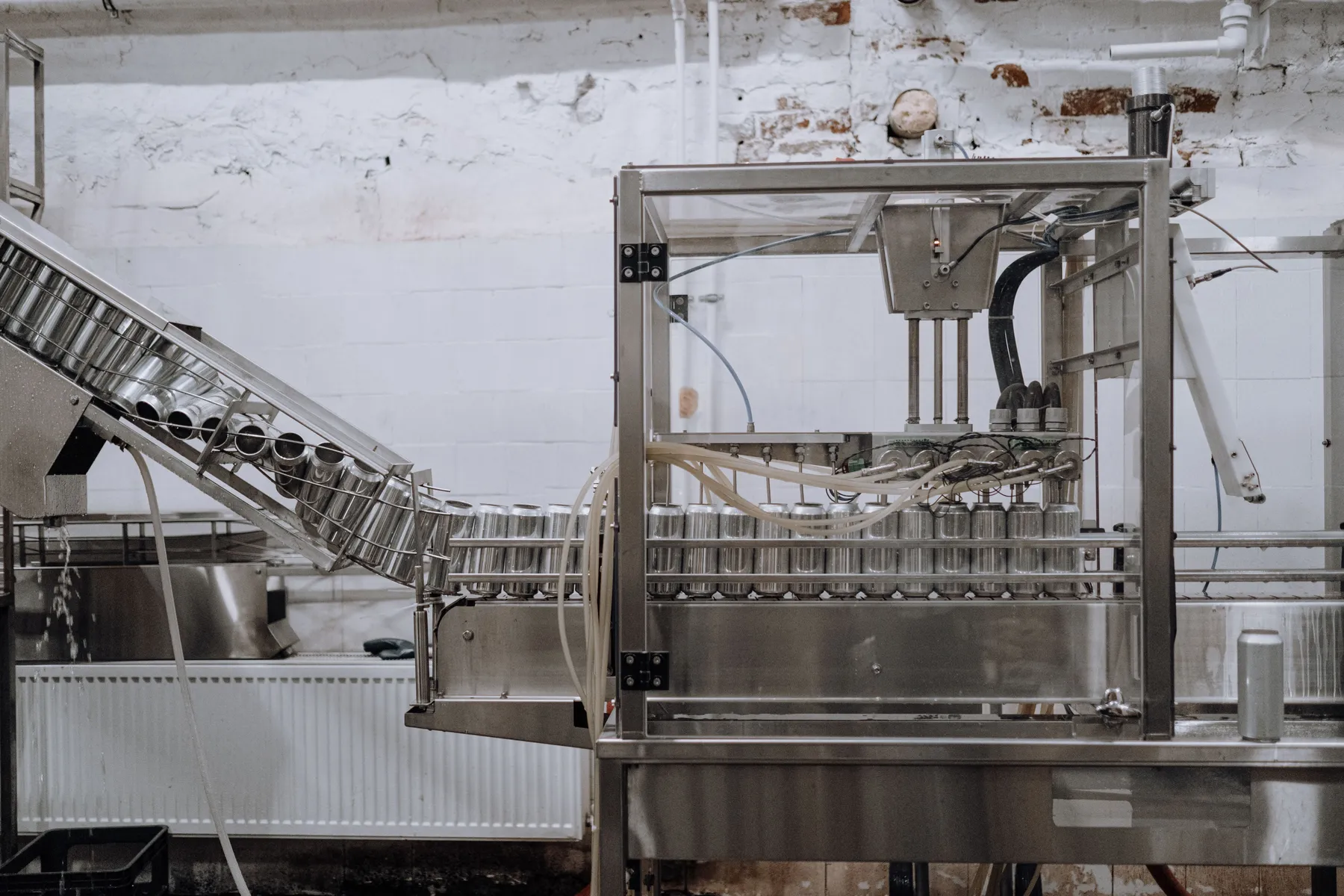
Chemical Fillers
Filling corrosive, foamy and aggressive products.
What usually causes this?
- materials are selected from a generic description rather than the full formulation
- pack drawings and normal dimensional variation are not available
- temperature, pressure or storage changes material behaviour
- adhesives, liners, seals or coatings are tested separately rather than as a complete pack
- the equipment or method is not configured for a filling application where viscosity, aeration, temperature, supply conditions, nozzle control and product-contact compatibility affect dose and pack quality for liquid fertilisers.
Checks to make in order
- Obtain full product, material and pack specifications
- Review every wetted or contacting component
- Test at normal and worst-case temperature
- Use representative production batches
- Inspect swelling, cracking, adhesion, seal and migration effects
- Run the complete pack through storage and transport
- Record written approval and limitations
How to decide the next step
Liquid fertilisers is a filling application where viscosity, aeration, temperature, supply conditions, nozzle control and product-contact compatibility affect dose and pack quality for liquid fertilisers. Use the measurements to decide whether the next action is a material or packaging change, a setting correction, a maintenance task, improved feeding or a different machinery principle.
If the process cannot achieve the required product and pack compatibility result across the full product and pack range, compare the best-matched route against a written acceptance test. Include cleaning, changeover, operator work, rejects and recovery from normal stops.
What to include in your production brief
Supplying the information below makes it easier to distinguish a setup problem from a product, packaging, feeding, maintenance or machinery limitation:
- Product name, formulation and safety data
- Viscosity at the filling temperature
- Minimum and maximum fill quantity
- Required tolerance and measurement method
- Container dimensions and neck opening
- Required good packs per hour
- Samples that represent liquid fertilisers
- A short video of the present process and fault
Relevant solution websites
The first route is the primary match for this question. Final suitability must be confirmed with samples, output, site and acceptance information.
Related questions
 Liquid filling
Which filling machine is best for liquid fertilisers?
Practical guidance for liquid fertilisers: match the machine principle to the real product, pack, output and acceptance criteria.
Read the answer → Liquid filling
How should I check fill accuracy and pack quality for liquid fertilisers?
Practical guidance for liquid fertilisers: define a good pack and how defects will be detected and handled.
Read the answer → Liquid filling
How do I prevent repeated filler faults with liquid fertilisers?
Practical guidance for liquid fertilisers: turn recurring faults into controlled inspection, service and replacement actions.
Read the answer → Liquid filling
Which wetted materials, seals and packs are suitable for liquid foundation?
Practical guidance for liquid foundation: check materials, seals, adhesives, films, closures and product-contact parts.
Read the answer → Liquid filling
Which wetted materials, seals and packs are suitable for liquid honey?
Practical guidance for liquid honey: check materials, seals, adhesives, films, closures and product-contact parts.
Read the answer → Liquid filling
Which wetted materials, seals and packs are suitable for liquid paint?
Practical guidance for liquid paint: check materials, seals, adhesives, films, closures and product-contact parts.
Read the answer →