
What product are you trying to package?
Choose the closest liquid, paste, powder, granule or piece. Each topic has 18 answers covering accuracy, speed, jams, waste, cleaning, selection, automation and specification.
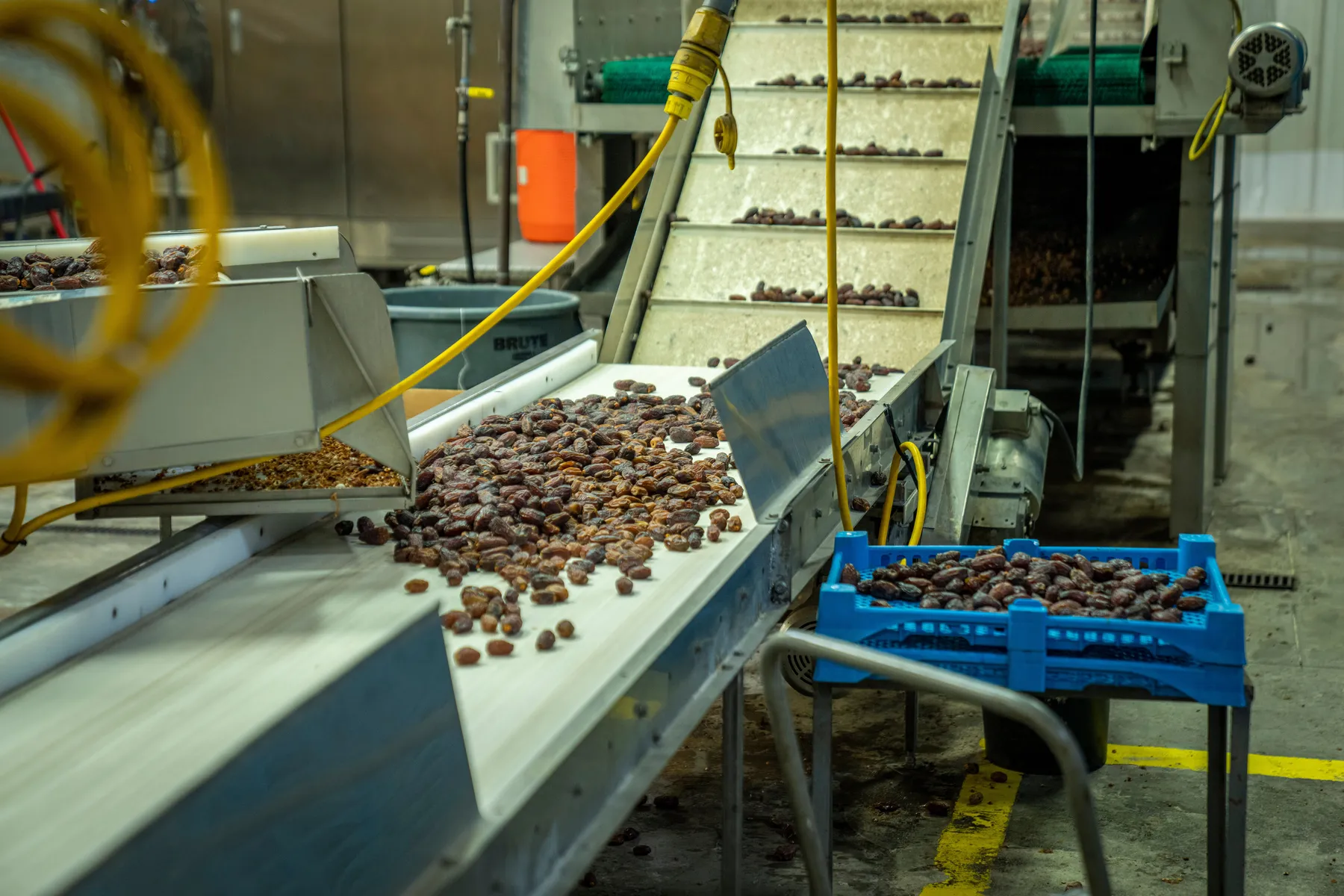
Find the product behaviour
 18 answers
Thin free-flowing liquids
Low-viscosity products that move quickly through pumps, valves and nozzles.
Open the guide → 18 answers
Foamy liquids
Products that trap air or form a head of foam when they are pumped or dropped into a container.
Open the guide → 18 answers
Viscous liquids
Slow-moving products that need positive displacement and larger product paths.
Open the guide → 18 answers
Carbonated drinks
Pressure-sensitive beverages that must retain dissolved gas during filling.
Open the guide →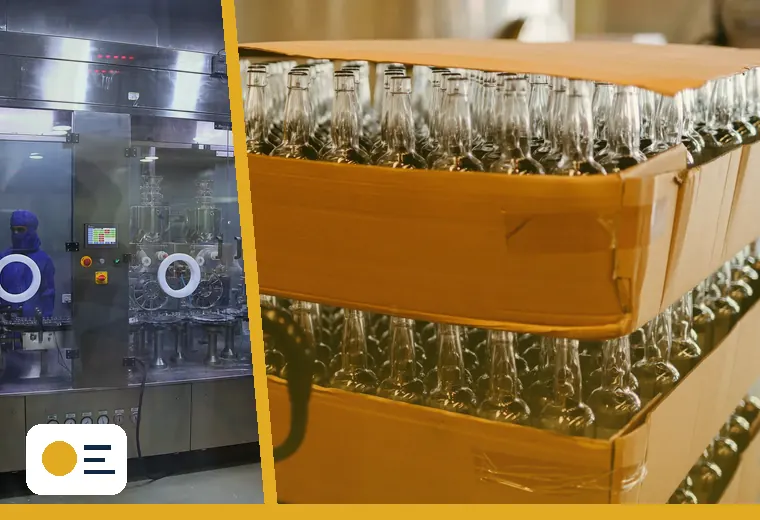 18 answers
Hot-fill liquids
Products filled at elevated temperature where pack stability and cooling affect the result.
Open the guide →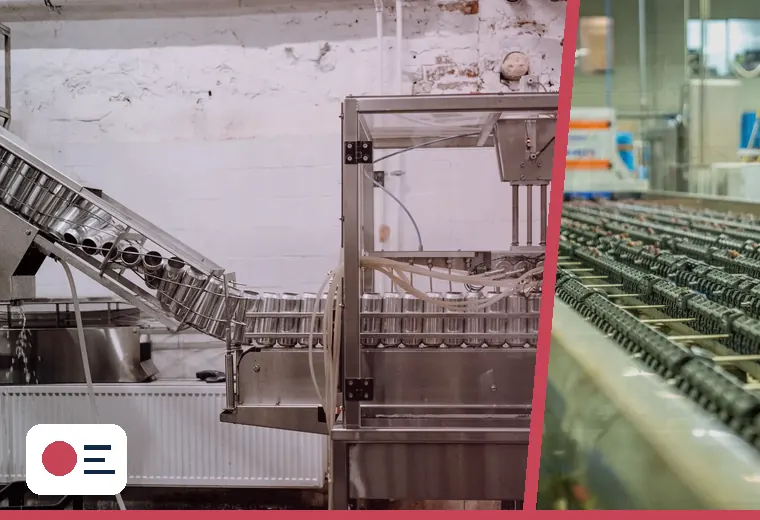 18 answers
Chilled liquids
Products whose viscosity, condensation or temperature changes line behaviour.
Open the guide →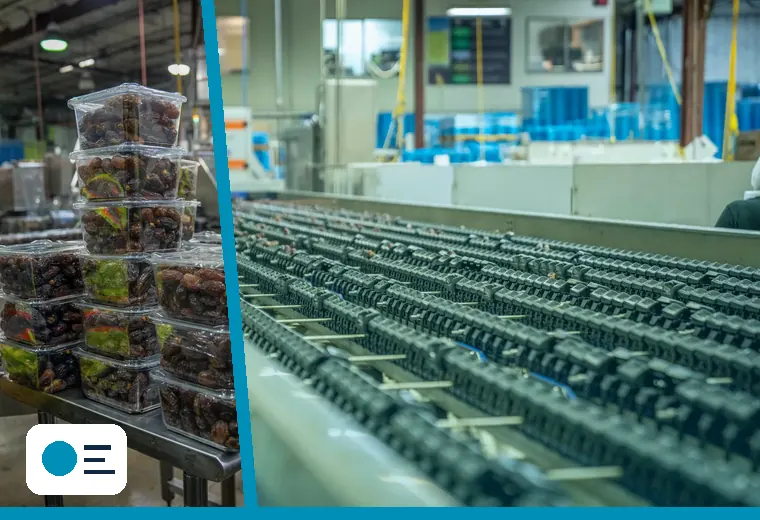 18 answers
Edible oils
Low-foaming but mobile products where drips and giveaway are commercially important.
Open the guide →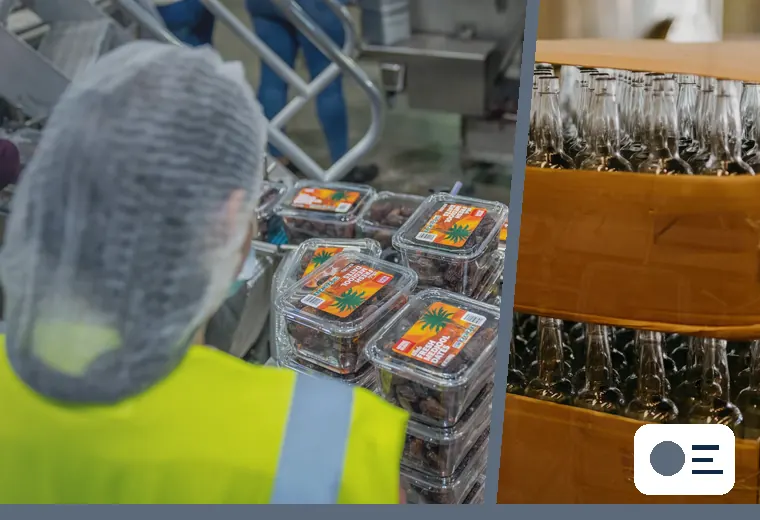 18 answers
Syrups
Dense, sticky liquids that can string, drip or change viscosity with temperature.
Open the guide →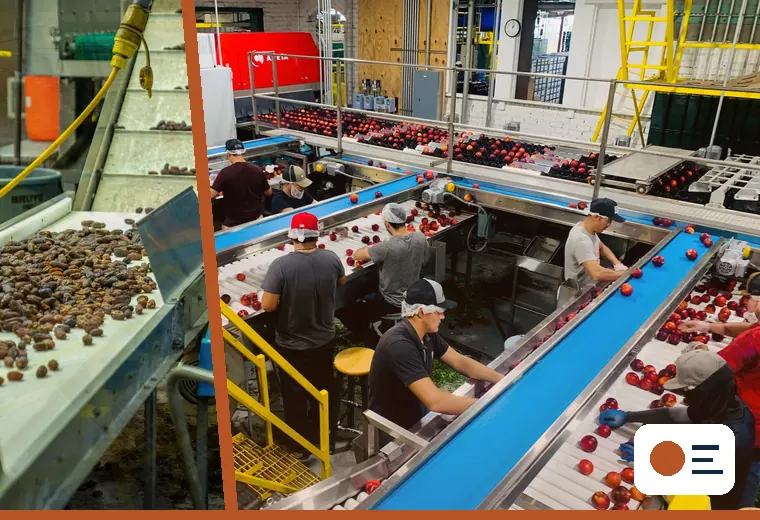 18 answers
Sauces and dressings
Viscous food products that may contain particles, oil phases or air.
Open the guide →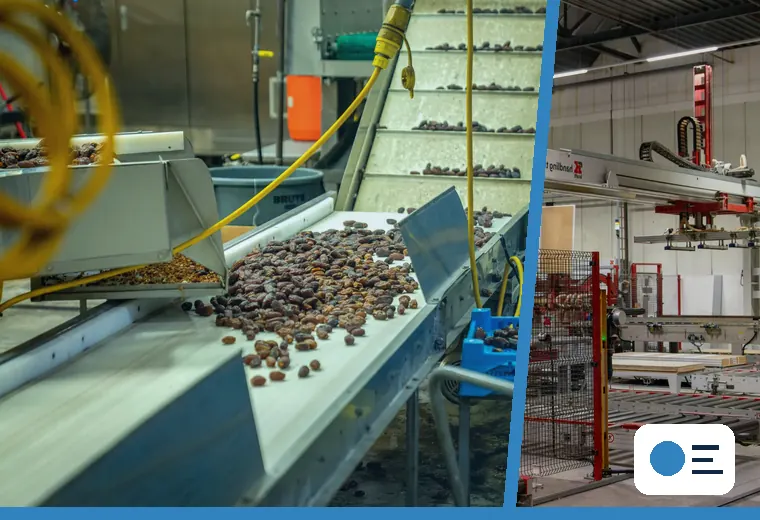 18 answers
Creams and lotions
Smooth cosmetic or pharmaceutical products where clean cut-off and presentation matter.
Open the guide →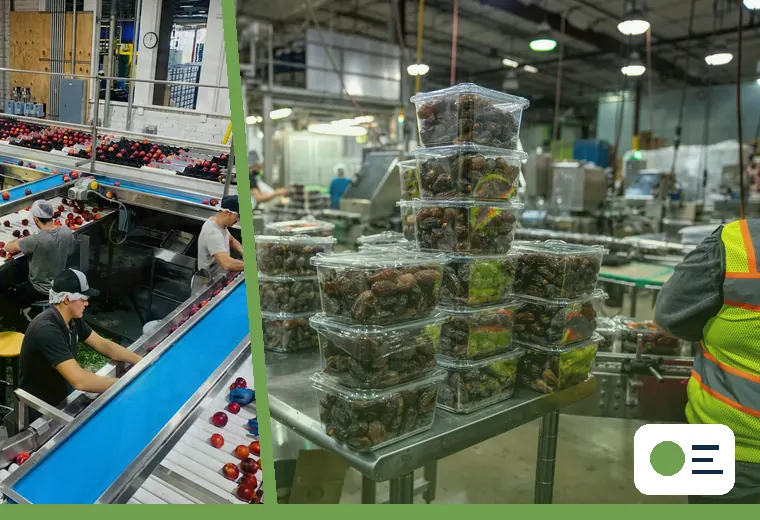 18 answers
Gels
Elastic or stringing products that need controlled product paths and shut-off.
Open the guide →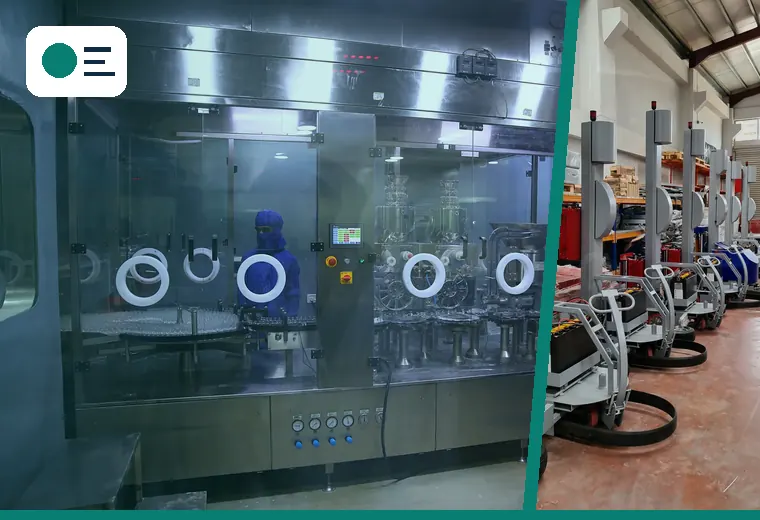 18 answers
Liquid suspensions
Liquids carrying solids that can settle, separate or block small passages.
Open the guide → 18 answers
Corrosive chemicals
Aggressive products requiring confirmed wetted materials, containment and safe cleaning.
Open the guide →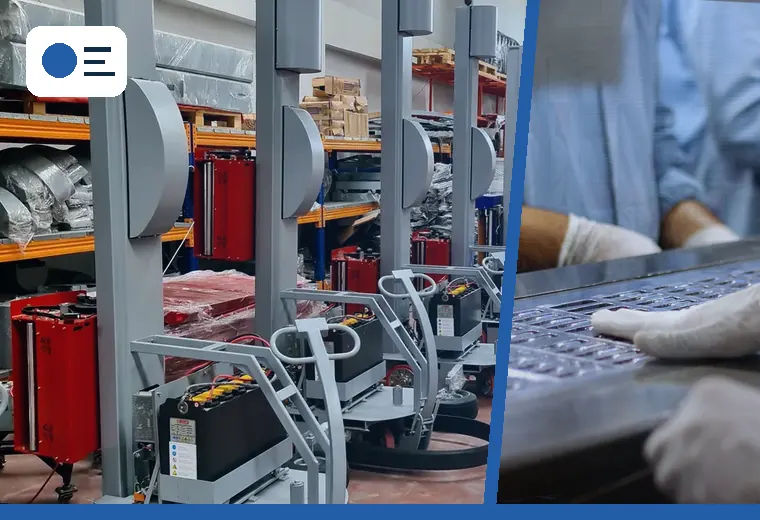 18 answers
Flammable liquids
Products where vapour, static and hazardous-area classification affect the whole installation.
Open the guide → 18 answers
Solvent-based products
Fast-evaporating formulations that can attack seals, hoses, liners and labels.
Open the guide →Choose the closest dry product
 18 answers
Fine powders
Small-particle products that can aerate, compact and escape from open transfers.
Open the guide →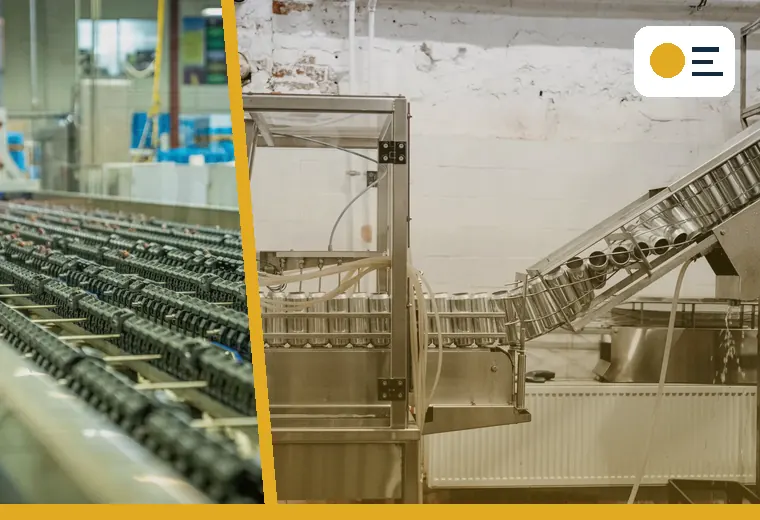 18 answers
Dusty powders
Products that release airborne dust during feeding, dosing and pack transfer.
Open the guide →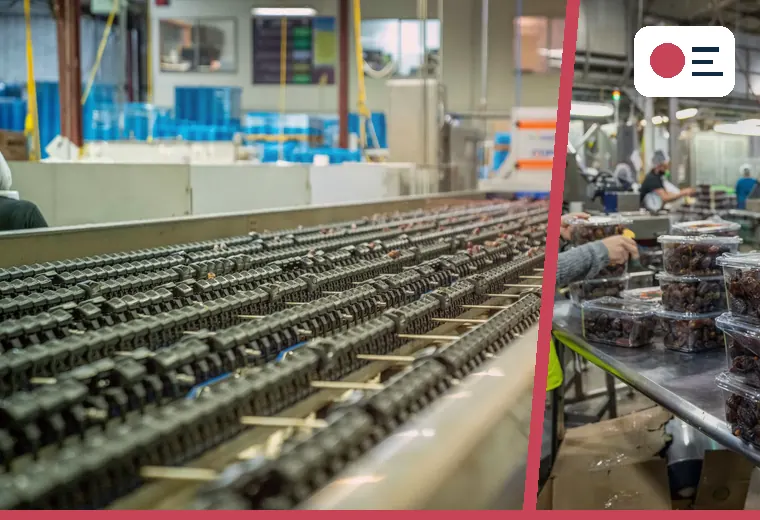 18 answers
Cohesive powders
Non-free-flowing products prone to bridging, rat-holing and inconsistent feed.
Open the guide →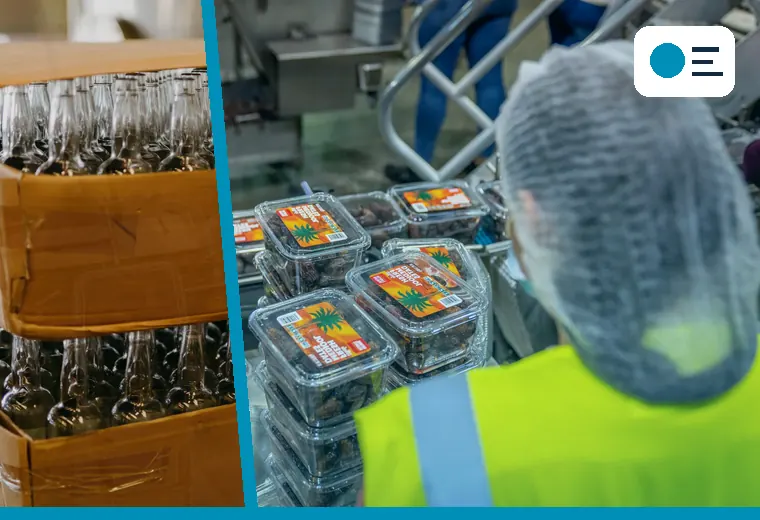 18 answers
Free-flowing powders
Products that move readily but can flood, segregate or continue flowing after cut-off.
Open the guide →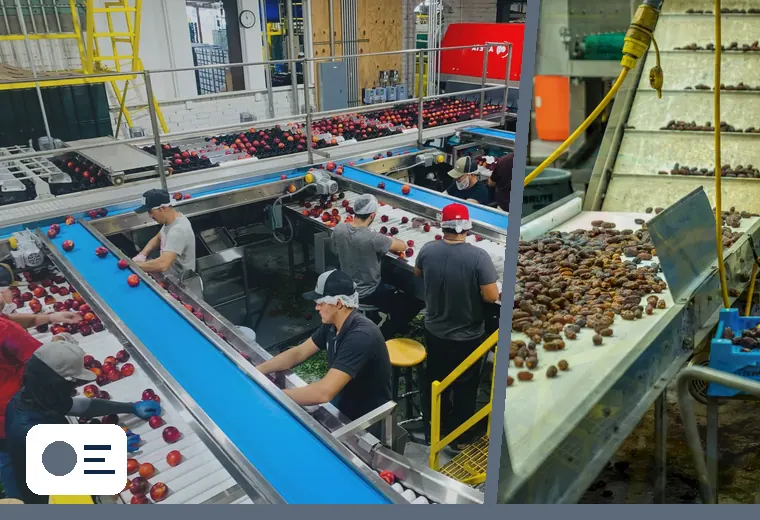 18 answers
Flour
Light, dusty food powder with variable aeration and bulk density.
Open the guide →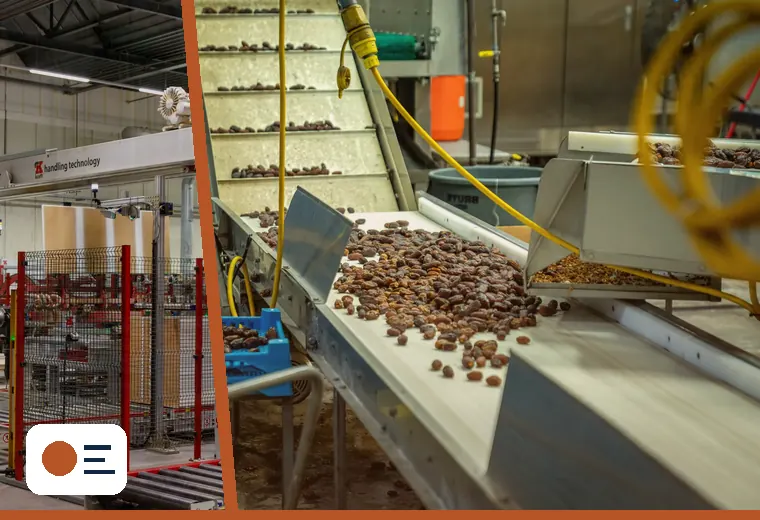 18 answers
Spices and seasonings
Aromatic powders or flakes where dust, segregation and cleaning are important.
Open the guide →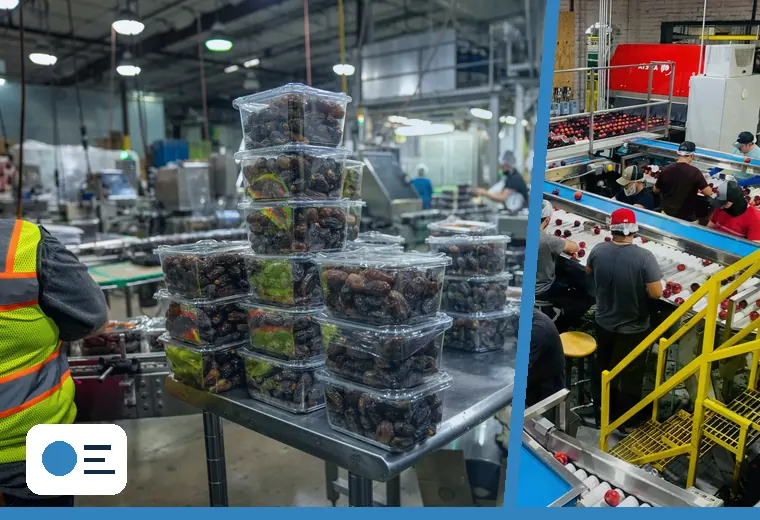 18 answers
Protein powder
Nutrition powder where bulk density, static and weight control affect giveaway.
Open the guide →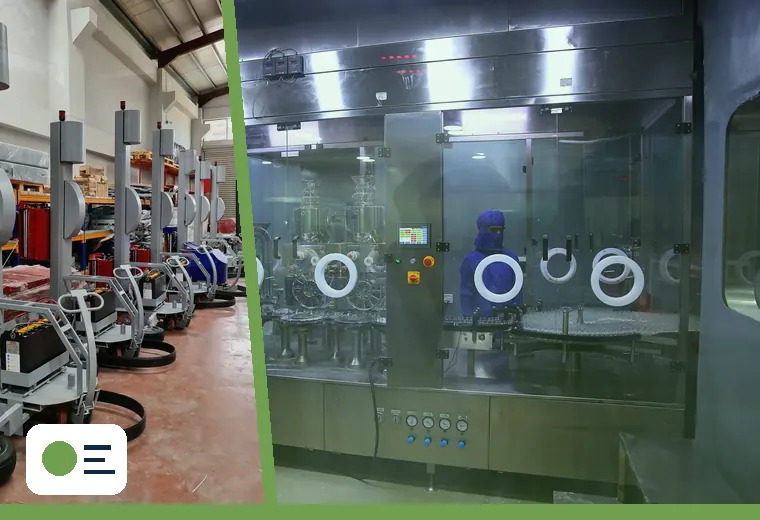 18 answers
Milk powder
Hygroscopic food powder requiring controlled hygiene and moisture exposure.
Open the guide → 18 answers
Sugar
Free-flowing crystals where abrasion, dust and feed stability vary by grade.
Open the guide → 18 answers
Salt
Crystalline product that can attract moisture and corrode unsuitable materials.
Open the guide →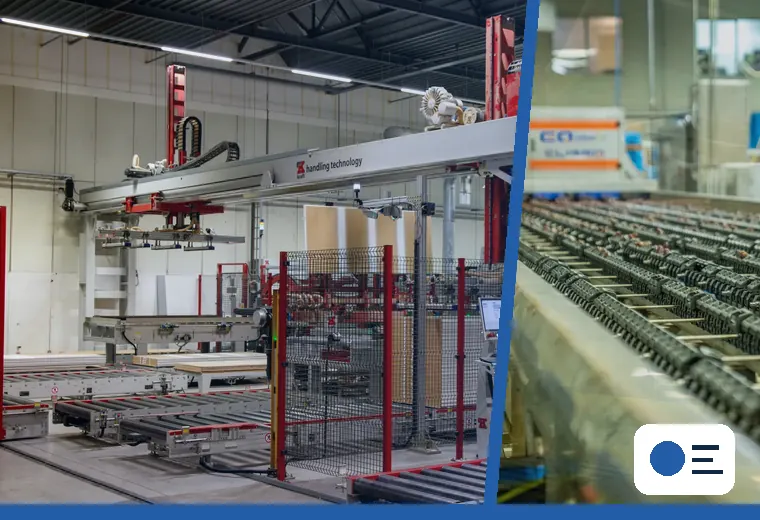 18 answers
Ground coffee
Aromatic, aerated particles where density and freshness affect dosing.
Open the guide → 18 answers
Seeds and grains
Free-flowing but varied agricultural pieces that need gentle handling.
Open the guide →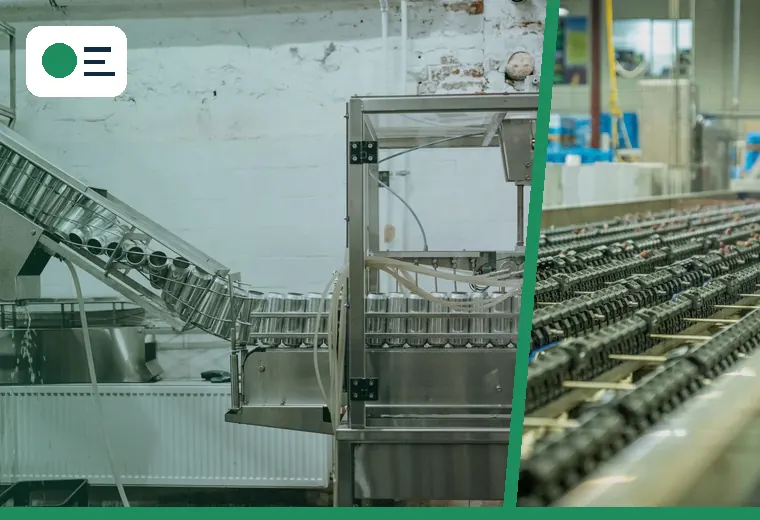 18 answers
Pet food pieces
Mixed-shape pieces where target weight and product damage must be balanced.
Open the guide →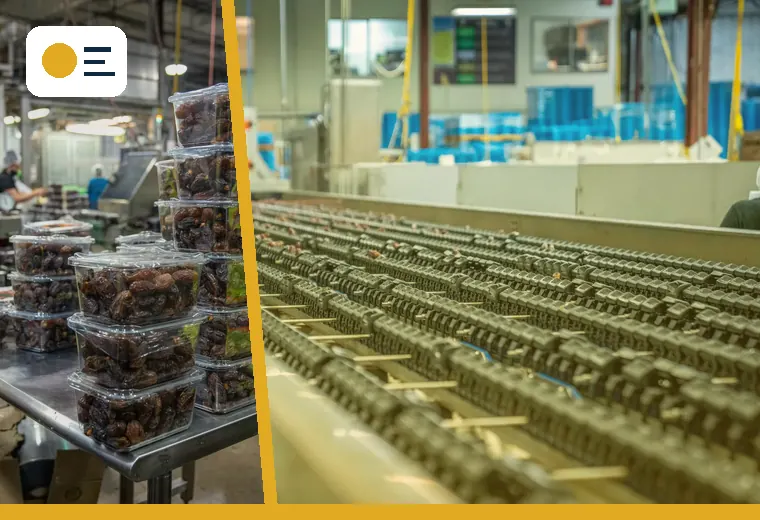 18 answers
Granules
Free-flowing particles that can bounce, flood or segregate.
Open the guide →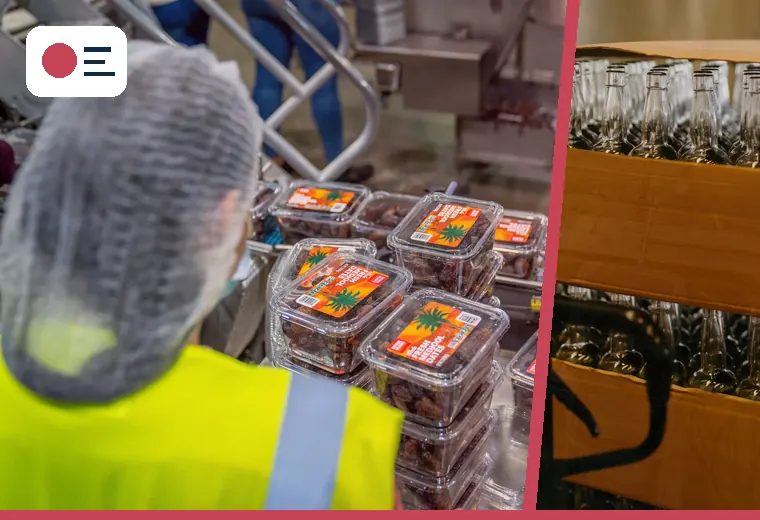 18 answers
Tablets and capsules
Counted or weighed solid doses requiring gentle controlled feeding.
Open the guide →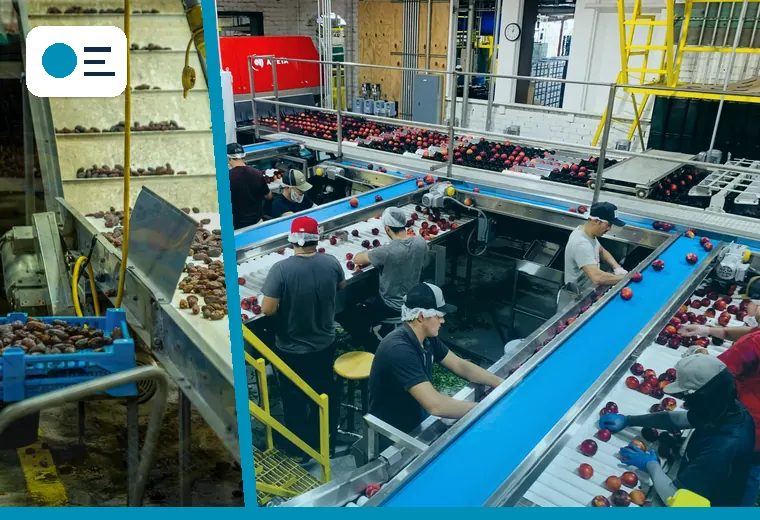 18 answers
Snack pieces
Light irregular pieces that may break or bridge in narrow chutes.
Open the guide →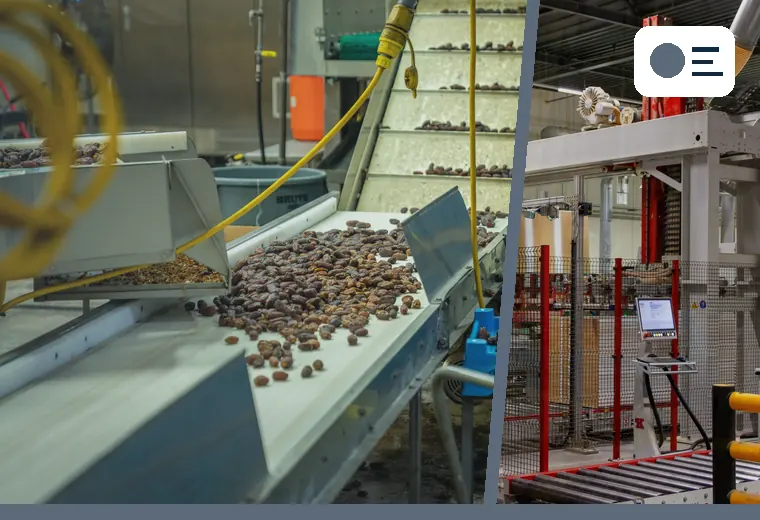 18 answers
Fragile food pieces
Products where drops, vibration and compression create breakage.
Open the guide →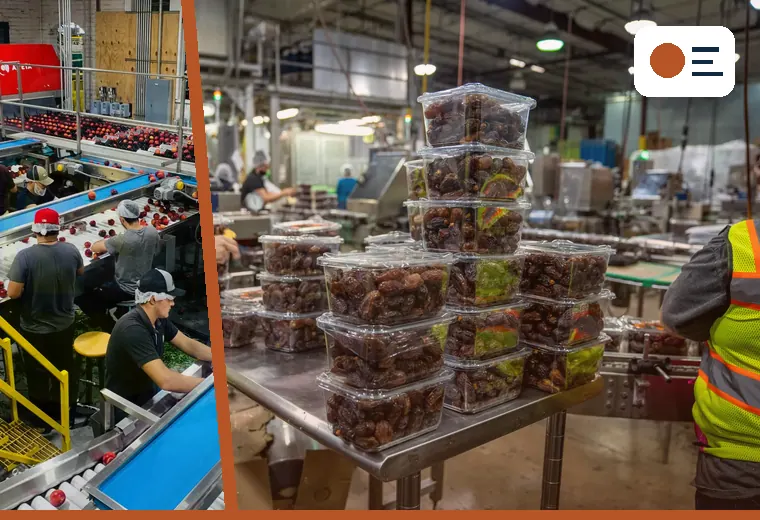 18 answers
Mixed-size pieces
Products with a broad size range that can segregate before weighing.
Open the guide →Browse every detailed topic
These text links provide a quicker route to the expanded question library without repeating imagery.
Liquids, pastes and filling
Powders, granules and pieces
Questions customers also ask
Open a question for a concise answer, then use the detailed guide above for the full production checks.
What should I know about thin free-flowing liquids?
Low-viscosity products that move quickly through pumps, valves and nozzles.
What should I know about foamy liquids?
Products that trap air or form a head of foam when they are pumped or dropped into a container.
What should I know about viscous liquids?
Slow-moving products that need positive displacement and larger product paths.
What should I know about carbonated drinks?
Pressure-sensitive beverages that must retain dissolved gas during filling.
What should I know about hot-fill liquids?
Products filled at elevated temperature where pack stability and cooling affect the result.
How should I use the What product are you trying to package? page?
Choose the product being packed and find practical answers for filling, weighing, dosing, cleaning, quality and automation.