
Caps, closures and sealing
Diagnose leakage, cross-threading, variable torque, cap damage, closure feeding and seal-integrity problems.

50 detailed topic guides
Each guide contains the same 18 customer problem routes, making it easier to compare symptoms across applications.
 18 answers
Aluminium screw caps
metal threaded caps sensitive to scuffing, deformation and head setup
Open the guide → 18 answers
Aluminium vial seals
a closure application where presentation, alignment, engagement, application force or torque, liner contact and container support determine performance for aluminium vial seals. Application force, container support and finished-pack integrity must be tested with production samples.
Open the guide → 18 answers
Beer bottle caps
a closure application where presentation, alignment, engagement, application force or torque, liner contact and container support determine performance for beer bottle caps.
Open the guide → 18 answers
Bungs
larger plugs or closures used on industrial containers and drums
Open the guide → 18 answers
Cap liners
a closure application where presentation, alignment, engagement, application force or torque, liner contact and container support determine performance for cap liners.
Open the guide → 18 answers
Champagne corks and wire hoods
a closure application where presentation, alignment, engagement, application force or torque, liner contact and container support determine performance for champagne corks and wire hoods. Application force, container support and finished-pack integrity must be tested with production samples.
Open the guide → 18 answers
Child-resistant caps
closures whose application must preserve the intended opening function
Open the guide → 18 answers
Crimp caps
a closure application where presentation, alignment, engagement, application force or torque, liner contact and container support determine performance for crimp caps. Application force, container support and finished-pack integrity must be tested with production samples.
Open the guide → 18 answers
Crown caps
a closure application where presentation, alignment, engagement, application force or torque, liner contact and container support determine performance for crown caps. Application force, container support and finished-pack integrity must be tested with production samples.
Open the guide → 18 answers
Disc-top caps
dispensing closures where orientation and finish quality affect presentation
Open the guide → 18 answers
Dosing caps
a closure application where presentation, alignment, engagement, application force or torque, liner contact and container support determine performance for dosing caps.
Open the guide → 18 answers
Dropper caps
small closures with pipettes or droppers requiring gentle insertion and torque
Open the guide → 18 answers
Fine-mist sprayers
a closure application where presentation, alignment, engagement, application force or torque, liner contact and container support determine performance for fine-mist sprayers. Long or flexible components need controlled orientation and insertion before tightening.
Open the guide → 18 answers
Flip-spout caps
a closure application where presentation, alignment, engagement, application force or torque, liner contact and container support determine performance for flip-spout caps.
Open the guide → 18 answers
Flip-top caps
hinged closures that may require cap orientation and controlled torque
Open the guide → 18 answers
Foil wads
a closure application where presentation, alignment, engagement, application force or torque, liner contact and container support determine performance for foil wads.
Open the guide → 18 answers
Glass droppers
a closure application where presentation, alignment, engagement, application force or torque, liner contact and container support determine performance for glass droppers. Long or flexible components need controlled orientation and insertion before tightening.
Open the guide → 18 answers
Heat-shrink neck bands
a closure application where presentation, alignment, engagement, application force or torque, liner contact and container support determine performance for heat-shrink neck bands.
Open the guide → 18 answers
Hinged closures
a closure application where presentation, alignment, engagement, application force or torque, liner contact and container support determine performance for hinged closures.
Open the guide → 18 answers
Induction-seal caps
a closure application where presentation, alignment, engagement, application force or torque, liner contact and container support determine performance for induction-seal caps.
Open the guide →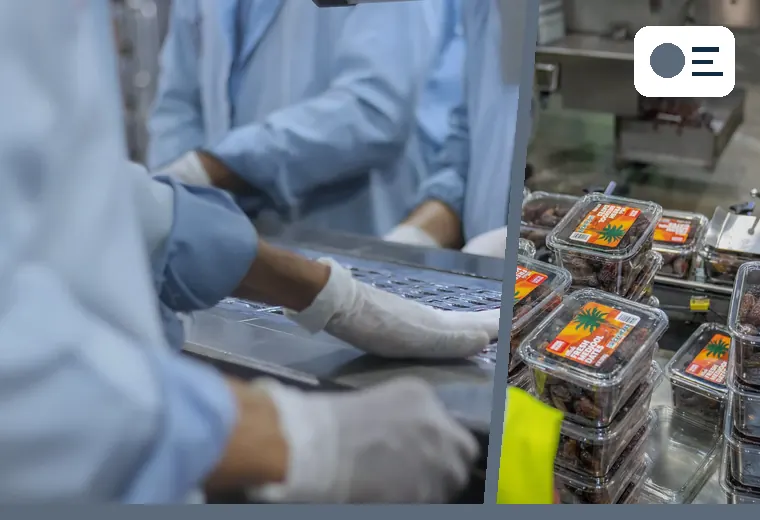 18 answers
Lotion pumps
a closure application where presentation, alignment, engagement, application force or torque, liner contact and container support determine performance for lotion pumps. Long or flexible components need controlled orientation and insertion before tightening.
Open the guide → 18 answers
Lug caps
a closure application where presentation, alignment, engagement, application force or torque, liner contact and container support determine performance for lug caps.
Open the guide → 18 answers
Measuring caps
a closure application where presentation, alignment, engagement, application force or torque, liner contact and container support determine performance for measuring caps.
Open the guide →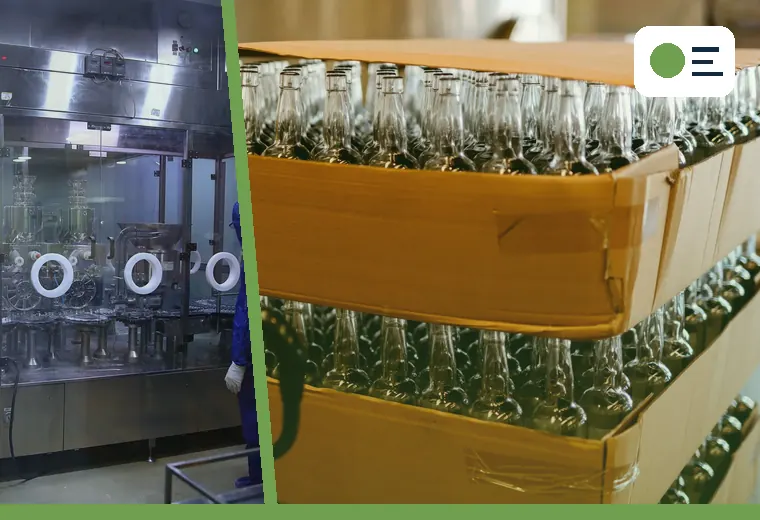 18 answers
Metal twist-off lids
a closure application where presentation, alignment, engagement, application force or torque, liner contact and container support determine performance for metal twist-off lids.
Open the guide →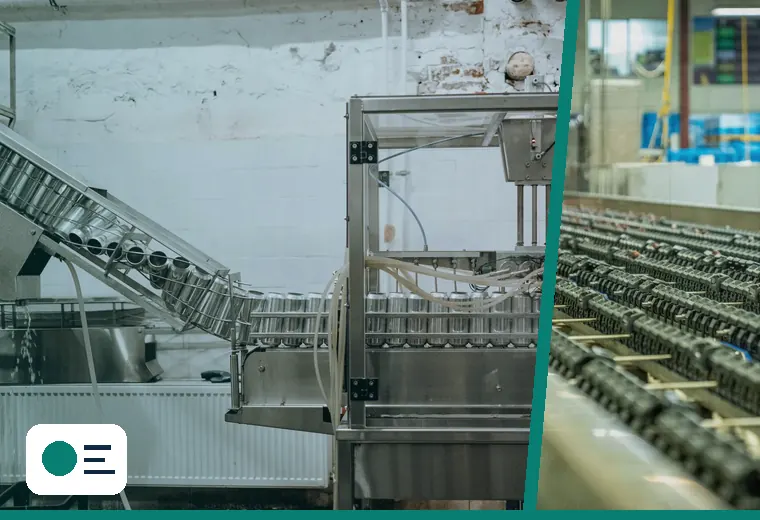 18 answers
Milk bottle caps
a closure application where presentation, alignment, engagement, application force or torque, liner contact and container support determine performance for milk bottle caps.
Open the guide →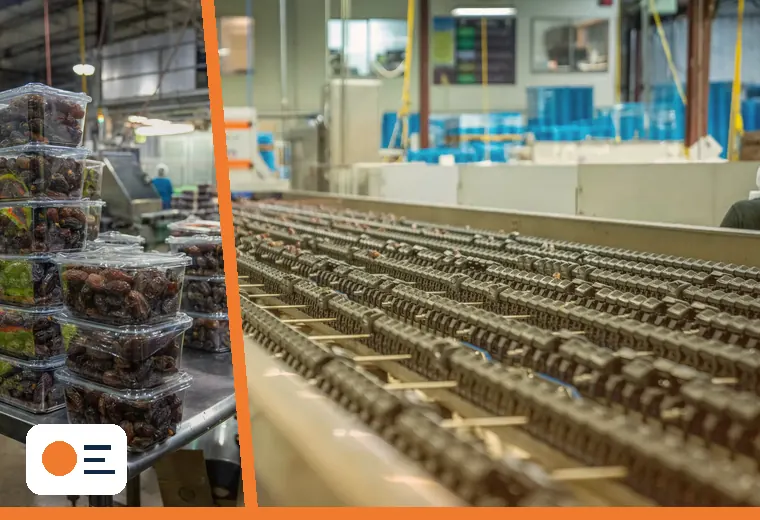 18 answers
Nasal spray pumps
a closure application where presentation, alignment, engagement, application force or torque, liner contact and container support determine performance for nasal spray pumps. Long or flexible components need controlled orientation and insertion before tightening.
Open the guide → 18 answers
Natural corks
a closure application where presentation, alignment, engagement, application force or torque, liner contact and container support determine performance for natural corks. Application force, container support and finished-pack integrity must be tested with production samples.
Open the guide → 18 answers
Pilfer-proof caps
a closure application where presentation, alignment, engagement, application force or torque, liner contact and container support determine performance for pilfer-proof caps.
Open the guide → 18 answers
Pipette caps
a closure application where presentation, alignment, engagement, application force or torque, liner contact and container support determine performance for pipette caps. Long or flexible components need controlled orientation and insertion before tightening.
Open the guide → 18 answers
Plastic jar lids
a closure application where presentation, alignment, engagement, application force or torque, liner contact and container support determine performance for plastic jar lids.
Open the guide → 18 answers
Press-on caps
closures applied by controlled axial force rather than thread torque
Open the guide → 18 answers
Protective overcaps
a closure application where presentation, alignment, engagement, application force or torque, liner contact and container support determine performance for protective overcaps.
Open the guide → 18 answers
Pump caps
dispensing pumps with dip tubes that need controlled orientation and insertion
Open the guide → 18 answers
Push-pull sports caps
a closure application where presentation, alignment, engagement, application force or torque, liner contact and container support determine performance for push-pull sports caps.
Open the guide → 18 answers
ROPP caps
aluminium closures formed onto a compatible bottle finish by rollers
Open the guide → 18 answers
Screw caps
threaded closures controlled by seating, engagement and application torque
Open the guide → 18 answers
Serum pumps
a closure application where presentation, alignment, engagement, application force or torque, liner contact and container support determine performance for serum pumps. Long or flexible components need controlled orientation and insertion before tightening.
Open the guide → 18 answers
Snap caps
closures that engage a bead or feature and require even seating
Open the guide → 18 answers
Sports caps
multi-part dispensing closures that may need orientation and specialised feeding
Open the guide → 18 answers
Stoppers
plugs inserted to a controlled depth before an overcap or final closure
Open the guide → 18 answers
Synthetic corks
a closure application where presentation, alignment, engagement, application force or torque, liner contact and container support determine performance for synthetic corks. Application force, container support and finished-pack integrity must be tested with production samples.
Open the guide → 18 answers
T-corks
bar-top closures pressed into a compatible bottle opening
Open the guide → 18 answers
Tamper bands
a closure application where presentation, alignment, engagement, application force or torque, liner contact and container support determine performance for tamper bands.
Open the guide → 18 answers
Tamper-evident caps
closures with bands, bridges or rings that must remain intact after application
Open the guide → 18 answers
Trigger sprays
large asymmetric closures with long dip tubes and a defined handle orientation
Open the guide → 18 answers
Twist-off jar lids
lugged metal closures often linked to hot fill or vacuum processes
Open the guide → 18 answers
Vacuum jar lids
closures whose final performance depends on the thermal and vacuum process
Open the guide → 18 answers
Vented caps
a closure application where presentation, alignment, engagement, application force or torque, liner contact and container support determine performance for vented caps.
Open the guide → 18 answers
Vial stoppers
a closure application where presentation, alignment, engagement, application force or torque, liner contact and container support determine performance for vial stoppers. Application force, container support and finished-pack integrity must be tested with production samples.
Open the guide → 18 answers
Wine screw caps
a closure application where presentation, alignment, engagement, application force or torque, liner contact and container support determine performance for wine screw caps.
Open the guide →Start with the problem you can see
Questions customers also ask
Open a question for a concise answer, then use the detailed guide above for the full production checks.
What is covered in the Caps, closures and sealing section?
This section contains 50 customer topics and 900 detailed answers for diagnose leakage, cross-threading, variable torque, cap damage, closure feeding and seal-integrity problems.
How should I start diagnosing a capping and closures problem?
Begin with the symptom you can measure, record a baseline using representative samples and trace the first point where the process loses control.
What information is needed before comparing capping and closures machinery?
Provide real products and packs, dimensions, current and required output, tolerances, utilities, cleaning requirements and the hardest production case.
Why is sustained good output more useful than maximum speed for capping and closures?
Sustained good output includes waiting, replenishment, changeovers, short stops and rejects, so it reflects the capacity the customer can actually use.
How are the answers linked to specialist solutions?
Each topic and answer shows a prominent best-matched specialist website selected from the packaging machinery and support network.
Can the guidance replace a machinery trial for capping and closures?
No. The guidance helps define the route, but final suitability needs representative samples, a written requirement and measurable acceptance testing.