
Customer guides for packaging machinery projects
Use these guides to define the requirement, compare routes, prepare trials, plan acceptance and calculate the business case.

Guides for higher-intent machinery decisions
 Decision guide
Packaging machine cost guide
Understand the factors that determine packaging machine cost, installed budget, operating cost and the information needed for a useful quotation.
Read the guide → Decision guide
Filling machine cost guide
Learn what affects filling machine price for liquids, pastes, powders and granules, from dosing technology to cleaning and automation.
Read the guide → Decision guide
Automatic packaging line cost: what is included?
Plan the installed cost of an automatic filling, capping, labelling, coding and end-of-line packaging system.
Read the guide → Decision guide
Capping machine cost guide
Understand capping machine cost drivers including closure type, cap feeding, torque control, bottle handling, change parts and inspection.
Read the guide →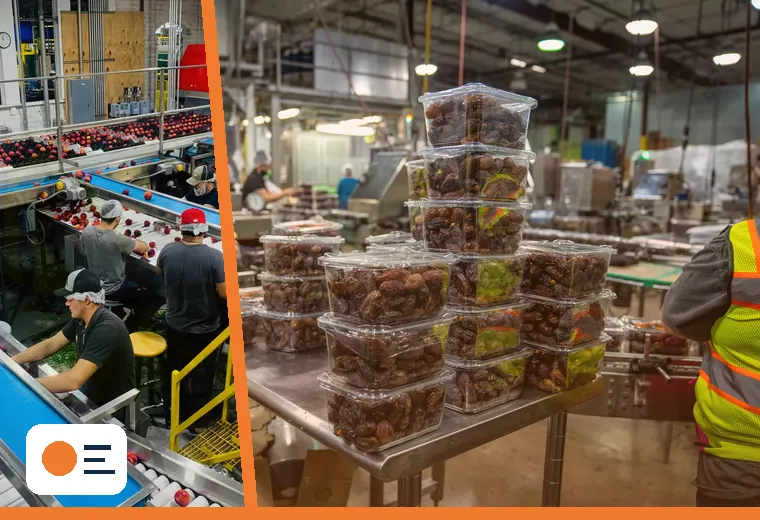 Decision guide
Labelling machine cost guide
Understand labelling machine price factors for wrap, front-and-back, top, base, orientation, print-and-apply and inspection.
Read the guide →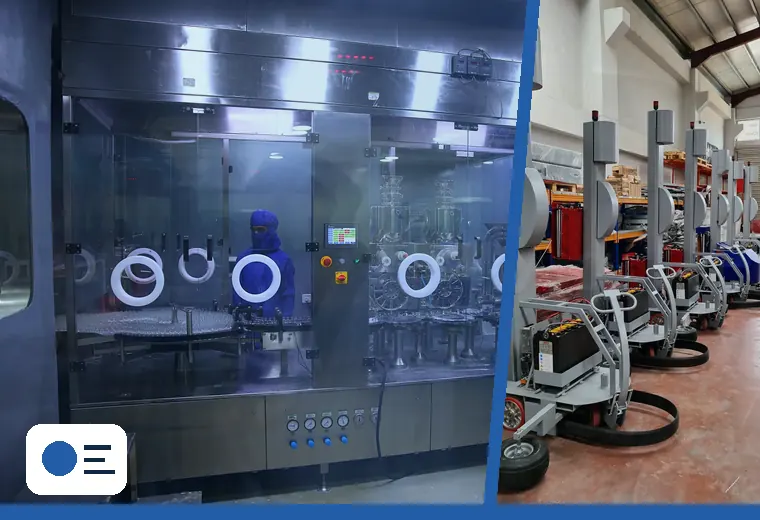 Decision guide
Packaging conveyor cost guide
Plan packaging conveyor cost using length, width, product stability, transfers, accumulation, controls, guarding and installation.
Read the guide → Decision guide
Packaging machine troubleshooting guide
Use a structured packaging machine troubleshooting method for jams, variation, low output, rejects, feeding faults and recurring breakdowns.
Read the guide →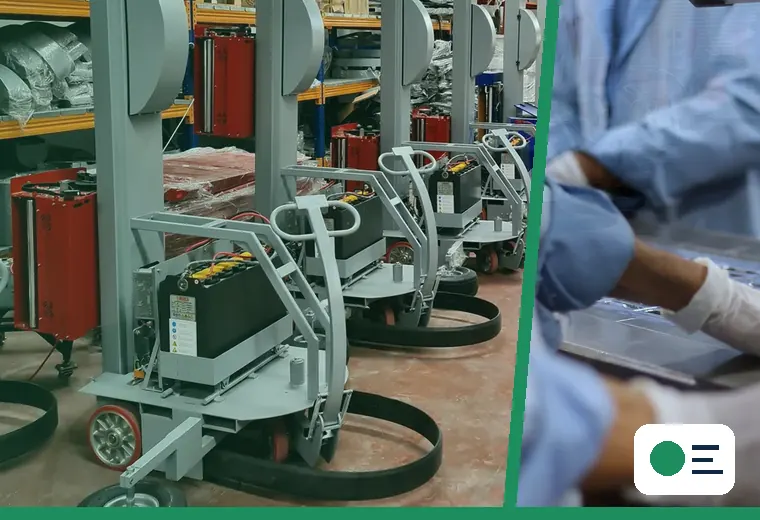 Decision guide
How to improve packaging line efficiency
Improve packaging line efficiency by measuring good output, OEE losses, bottlenecks, micro-stops, changeovers, rejects and operator work.
Read the guide →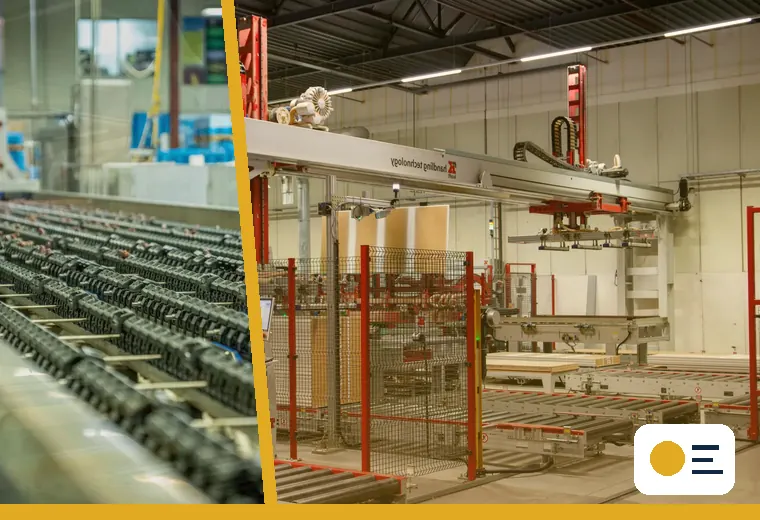 Decision guide
Packaging machinery total cost of ownership
Compare packaging machinery total cost of ownership including installed capital, labour, materials, downtime, changeover, maintenance and support.
Read the guide → Decision guide
Cap torque guide for bottles and jars
Understand application torque, removal torque, leakage, liner contact, cross-threading and how to test capped bottles and jars.
Read the guide → Decision guide
Packaging seal integrity testing guide
Plan practical seal-integrity checks for induction foils, pouches, sachets, films, caps and tamper-evident packaging.
Read the guide →Choose, test and install machinery with clearer evidence
Each guide uses customer questions, checklists and comparison tables rather than model-led product descriptions.
Planning guideHow to choose the right packaging machine
A customer checklist for comparing packaging machines against the real product, pack range, output, changeover and acceptance criteria.
Open the guide →Planning guideHow to choose a filling machine
Compare filling principles using product behaviour, dose range, accuracy, container, cleaning and production rate.
Open the guide →Planning guideHow to choose a capping machine
Select capping equipment by closure type, presentation, torque, container support, output and validation needs.
Open the guide →Planning guideHow to choose a labelling machine
Choose a labeller using container shape, label construction, required position, orientation, speed and code content.
Open the guide →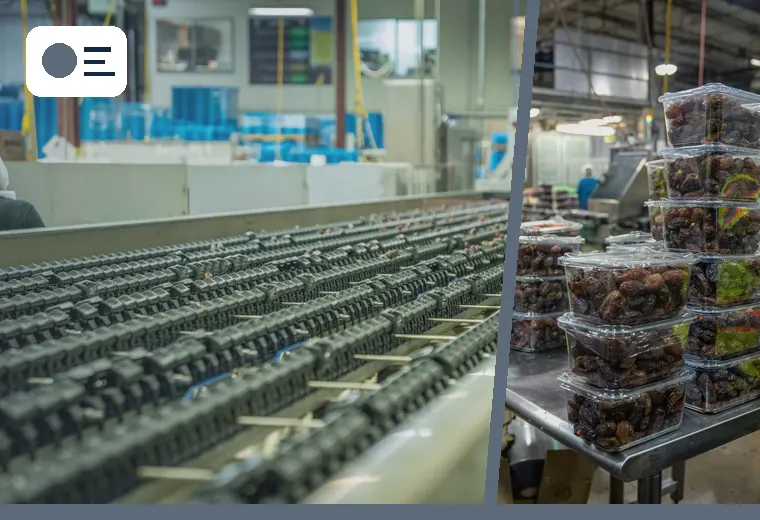 Planning guide
How to plan a complete packaging line
Plan machinery, conveyors, controls, buffers, guarding and acceptance as one customer production system.
Open the guide →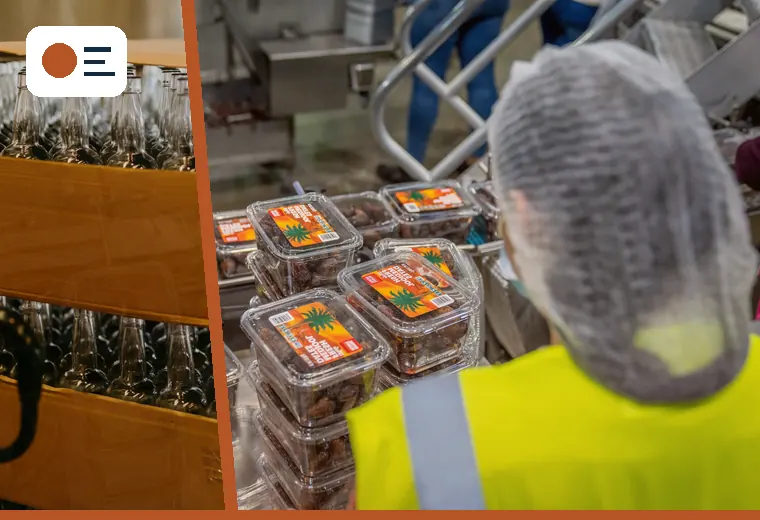 Planning guide
How to write a packaging machine requirement
A practical user requirement specification for products, packs, output, utilities, safety, documentation and acceptance testing.
Open the guide →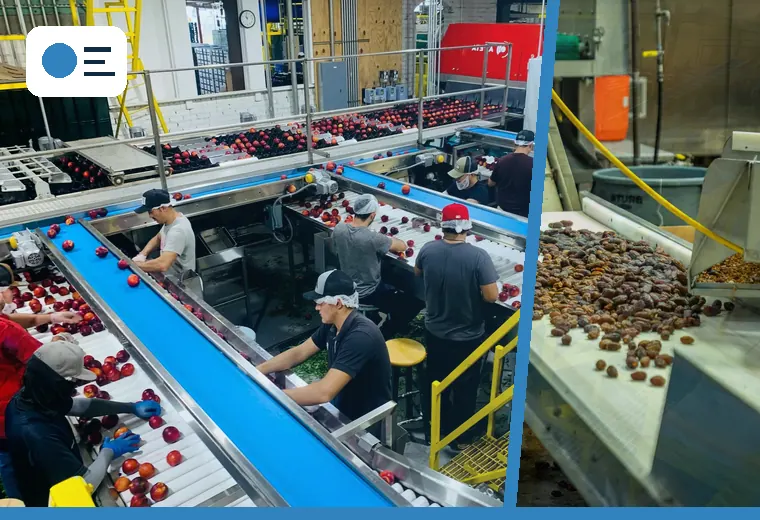 Planning guide
How to run a packaging machinery sample trial
Use representative product and packaging to prove performance before ordering machinery.
Open the guide →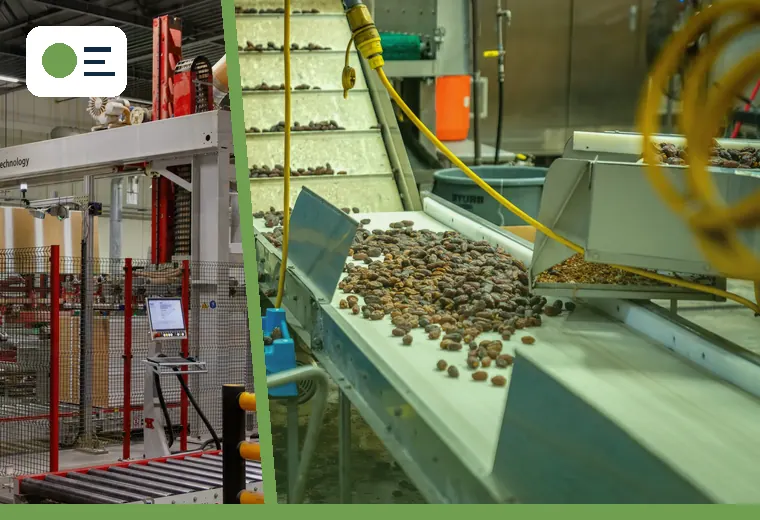 Planning guide
How to prepare for a factory acceptance test
Plan a packaging machinery FAT around agreed products, packs, functions, output and measurable acceptance results.
Open the guide →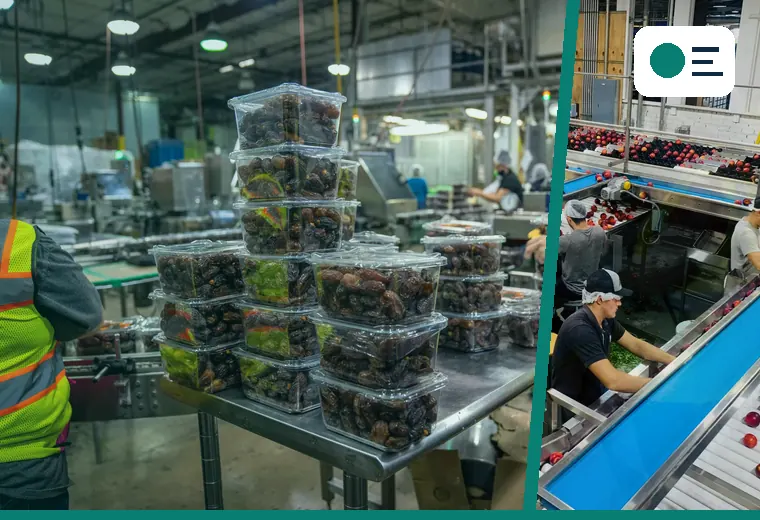 Planning guide
How to prepare for a site acceptance test
Prove installed packaging machinery with the customer’s utilities, operators, materials and production environment.
Open the guide →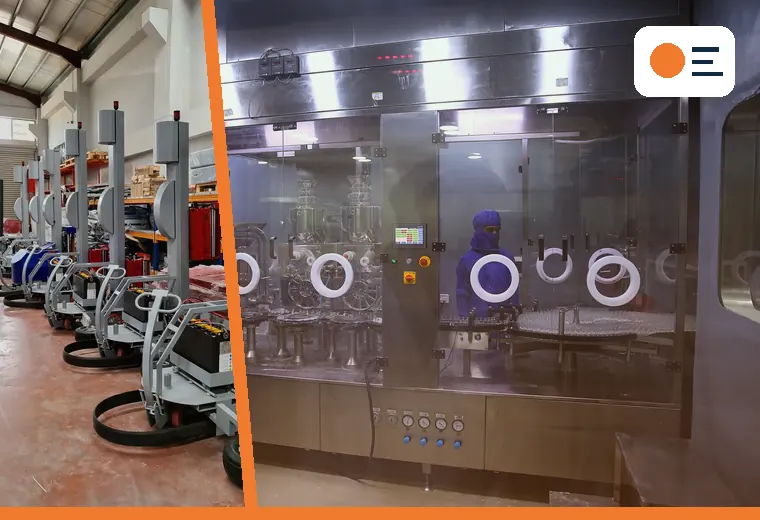 Planning guide
How to calculate return on packaging automation
Calculate automation return using labour, capacity, waste, quality, downtime, maintenance and commercial risk.
Open the guide → Planning guide
How to plan a packaging line layout
Plan space, flow, access, utilities, accumulation, cleaning, maintenance and future expansion.
Open the guide →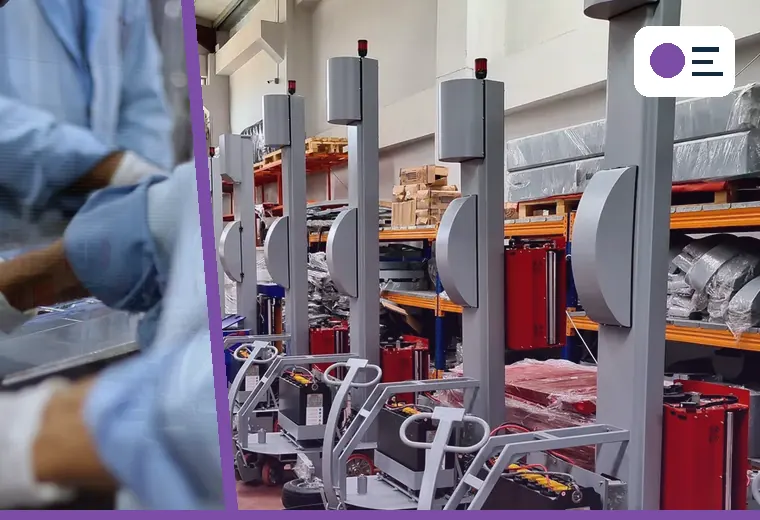 Planning guide
How to change packaging materials without disrupting production
Trial recyclable, lighter or alternative packaging across filling, closing, labelling, sealing, conveying and distribution.
Open the guide →Efficiency, reliability, safety and compliance
 18 answers
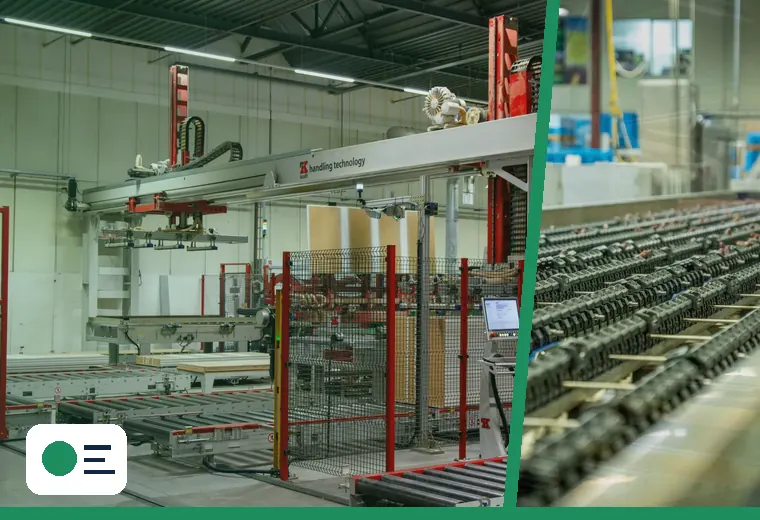
Line speed
The sustained rate of good packs produced under normal operating conditions.
Open the guide →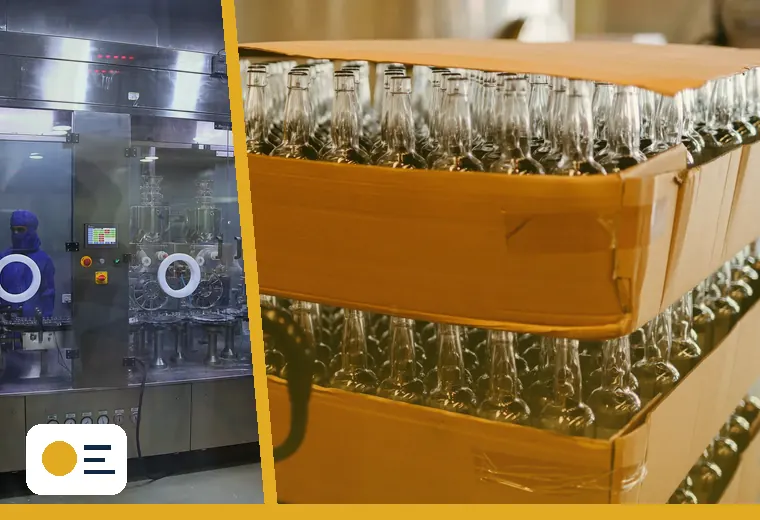 18 answers
Format changeovers
The complete time and work required to move between products or pack sizes.
Open the guide →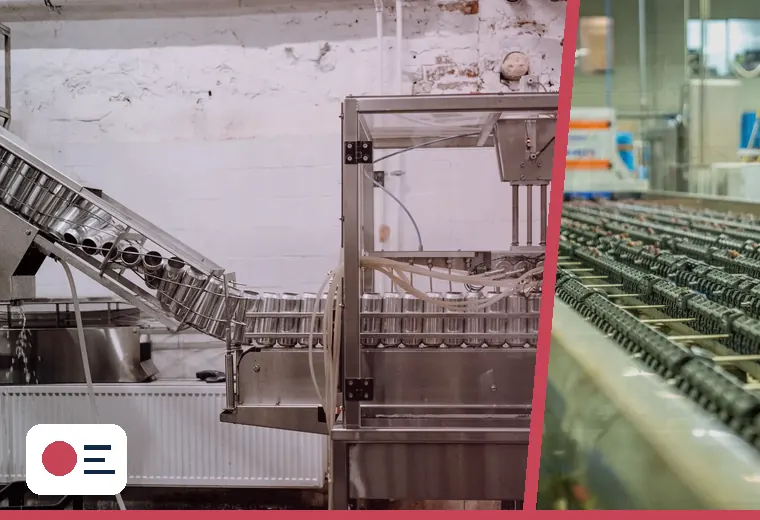 18 answers
Planned maintenance
Scheduled inspection, lubrication and replacement used to prevent avoidable failures.
Open the guide → 18 answers
Production downtime
Scheduled time lost to faults, waiting, clearing, changeover or unavailable resources.
Open the guide → 18 answers
Product giveaway
Extra product placed into packs above the required target.
Open the guide → 18 answers
Packaging waste
Film, labels, caps, containers, cartons and cases not converted into good saleable packs.
Open the guide → 18 answers
Operator workload
The time, movement, judgement and physical handling required from production staff.
Open the guide → 18 answers
Overall equipment effectiveness
A combined view of availability, performance and quality.
Open the guide → 18 answers
Machine safety
Control of mechanical, electrical, pneumatic, thermal and process hazards.
Open the guide → 18 answers
Hygienic design
Equipment features that support effective cleaning and contamination control.
Open the guide → 18 answers
Production traceability
Linking products and packs to batch, material, time and process records.
Open the guide → 18 answers
Process validation
Documented evidence that the process produces the required result consistently.
Open the guide →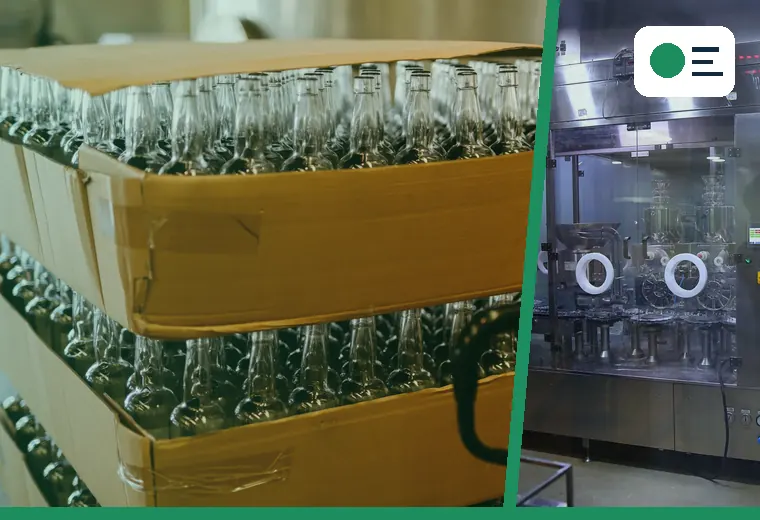 18 answers
Atex and hazardous areas
Classification and equipment requirements where explosive atmospheres may occur.
Open the guide →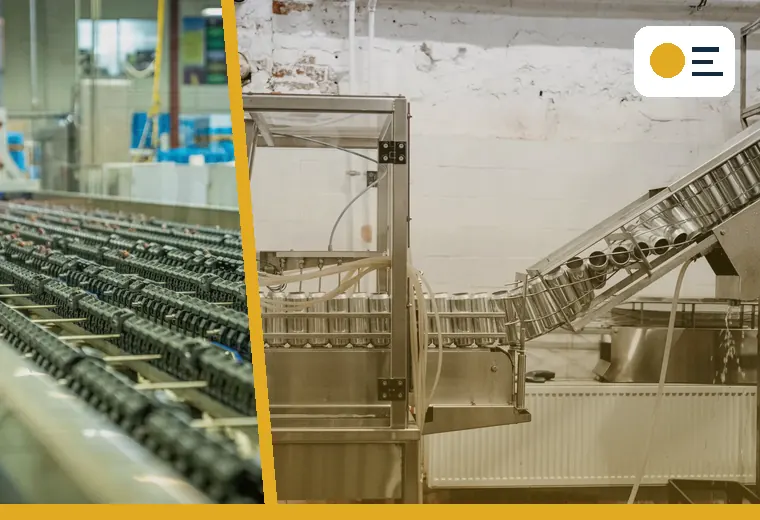 18 answers
Sustainable packaging changes
Material or format changes intended to reduce environmental impact.
Open the guide →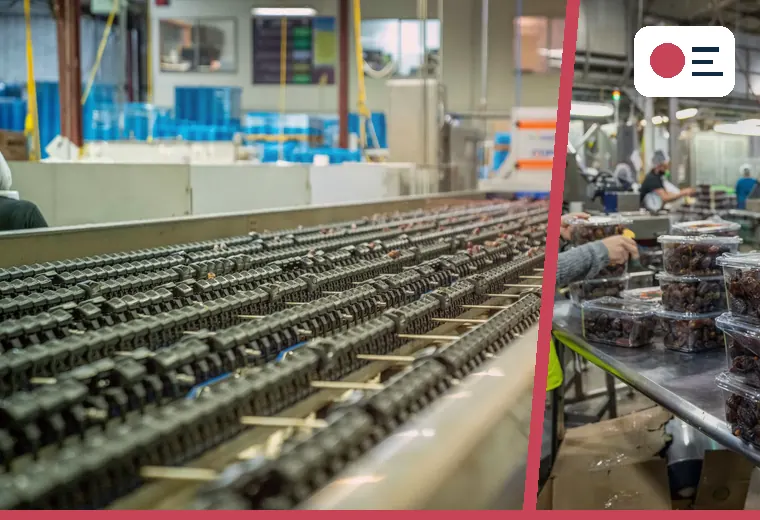 18 answers
Second-hand machinery
Used packaging equipment assessed for fit, condition, safety and support.
Open the guide →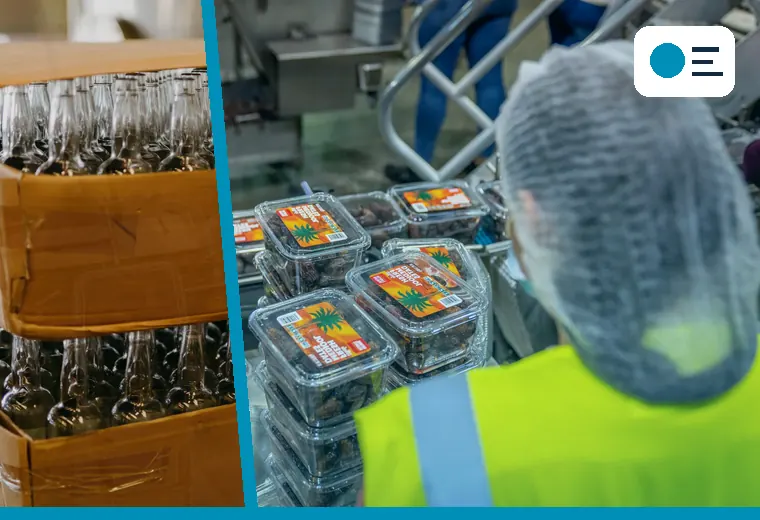 18 answers
Critical spare parts
Components whose failure would stop or seriously reduce production.
Open the guide →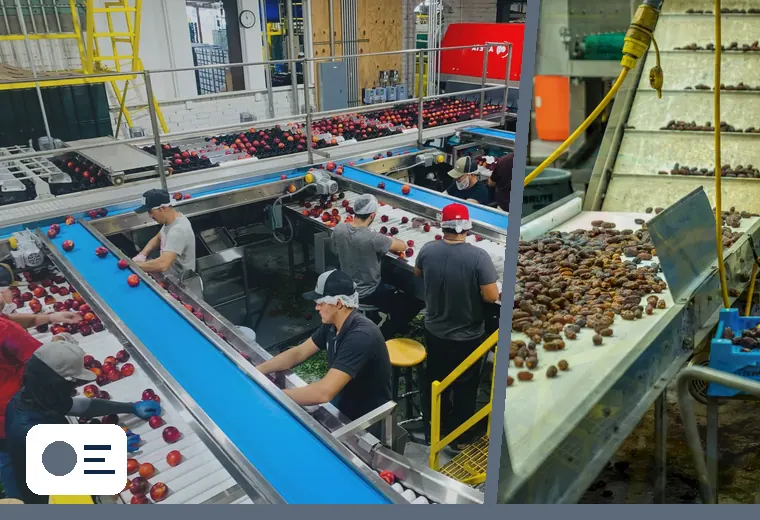 18 answers
Utility planning
Power, compressed air, extraction, water, drainage and heat rejection needed by machinery.
Open the guide →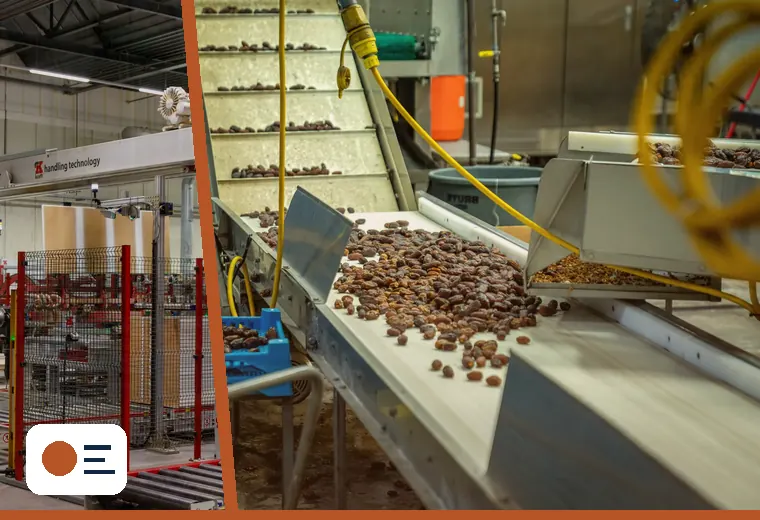 18 answers
Factory acceptance testing
Pre-delivery testing against agreed functions and performance.
Open the guide →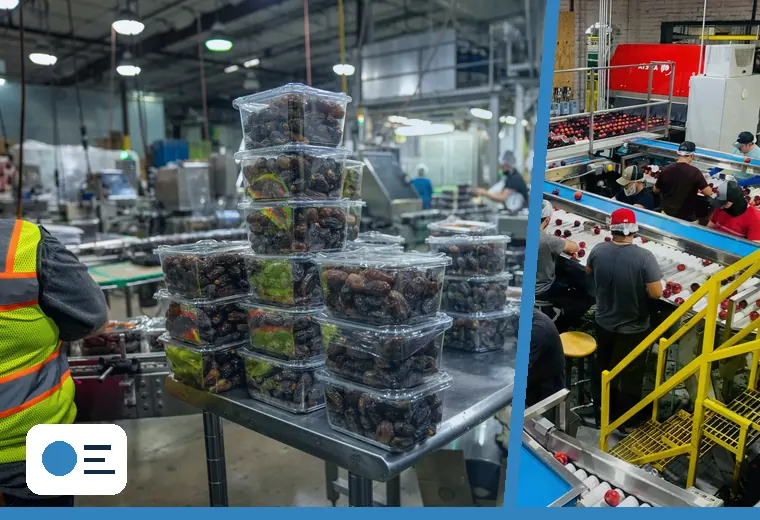 18 answers
Site acceptance testing
Post-installation testing under the customer’s normal site conditions.
Open the guide →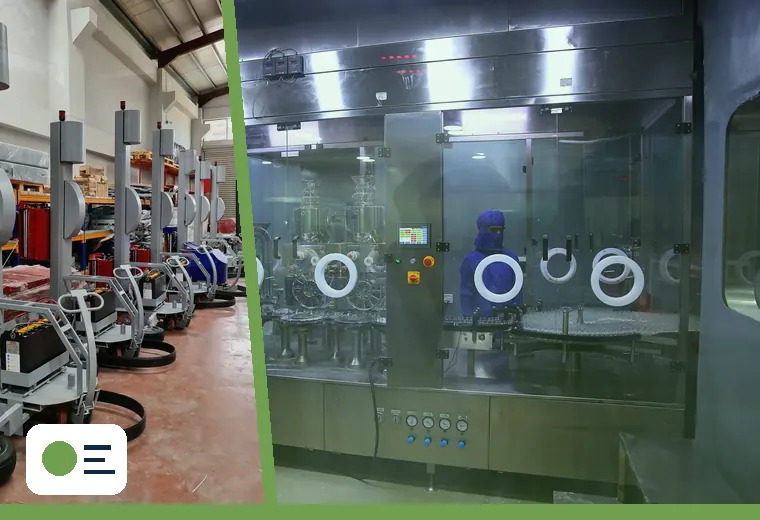 18 answers
Return on automation investment
Comparison of installed cost with labour, capacity, waste, quality and risk benefits.
Open the guide →Regulation, quality and production performance
Use these research-backed hubs to move from a broad problem to the evidence, calculation or standard that shapes the machinery requirement.
Practical guideStandards and regulations
EPR, DRS, PPWR, packaged-goods quantity control, GS1 2D barcodes and DPP readiness.
Open the guide →Practical guideQuality and inspection
Checkweighing, vision, closures, labels, codes, seals and reject validation.
Open the guide →Practical guideOperational excellence
SMED, centrelining, reliability, yield, data, recipes and condition monitoring.
Open the guide →Practical guidePrintable production templates
Commissioning, changeover, checkweigher, torque, code and line-audit records.
Open the guide →Questions customers also ask
Open a question for a concise answer, then use the detailed guide above for the full production checks.
How to choose the right packaging machine?
A customer checklist for comparing packaging machines against the real product, pack range, output, changeover and acceptance criteria.
How to choose a filling machine?
Compare filling principles using product behaviour, dose range, accuracy, container, cleaning and production rate.
How to choose a capping machine?
Select capping equipment by closure type, presentation, torque, container support, output and validation needs.
How to choose a labelling machine?
Choose a labeller using container shape, label construction, required position, orientation, speed and code content.
How to plan a complete packaging line?
Plan machinery, conveyors, controls, buffers, guarding and acceptance as one customer production system.
How should I use the Customer guides for packaging machinery projects page?
Customer guides for choosing packaging machinery, planning lines, writing requirements, trials, FAT, SAT, ROI, layouts and material changes.