
Powders, granules and pieces
Solve variable weights, dust, bridging, segregation, product damage and feeder problems for dry products.
55 detailed topic guides
Each guide contains the same 18 customer problem routes, making it easier to compare symptoms across applications.
 18 answers
Baking powder
a dry-product application where bulk density, flow behaviour, dust, fragility, segregation and replenishment affect accurate dosing for baking powder. Dust containment, hopper flow and bulk-density variation are central to repeatability.
Open the guide → 18 answers
Bicarbonate of soda
a dry-product application where bulk density, flow behaviour, dust, fragility, segregation and replenishment affect accurate dosing for bicarbonate of soda.
Open the guide → 18 answers
Bird seed
a dry-product application where bulk density, flow behaviour, dust, fragility, segregation and replenishment affect accurate dosing for bird seed.
Open the guide → 18 answers
Breakfast cereal
a dry-product application where bulk density, flow behaviour, dust, fragility, segregation and replenishment affect accurate dosing for breakfast cereal. Gentle handling, piece-size range and controlled drop height help protect the product.
Open the guide → 18 answers
Carbon black
a dry-product application where bulk density, flow behaviour, dust, fragility, segregation and replenishment affect accurate dosing for carbon black. Dust containment, hopper flow and bulk-density variation are central to repeatability.
Open the guide → 18 answers
Cement powder
a dry-product application where bulk density, flow behaviour, dust, fragility, segregation and replenishment affect accurate dosing for cement powder. Dust containment, hopper flow and bulk-density variation are central to repeatability.
Open the guide →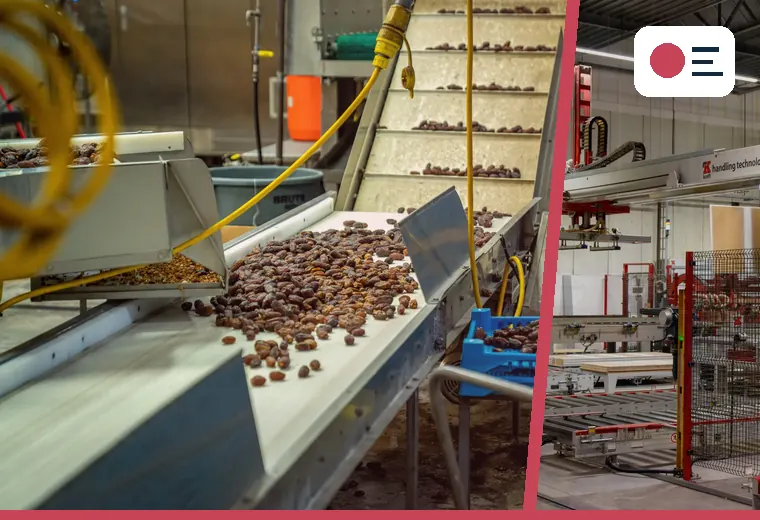 18 answers
Clay powder
a dry-product application where bulk density, flow behaviour, dust, fragility, segregation and replenishment affect accurate dosing for clay powder. Dust containment, hopper flow and bulk-density variation are central to repeatability.
Open the guide →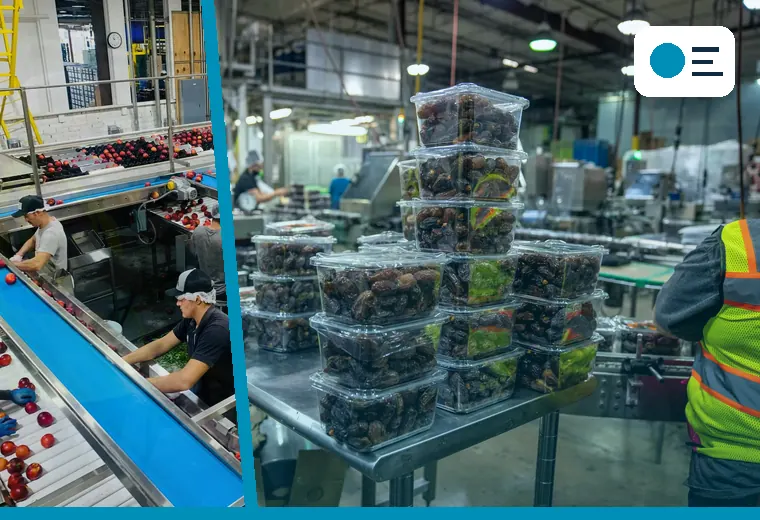 18 answers
Cocoa powder
a dry-product application where bulk density, flow behaviour, dust, fragility, segregation and replenishment affect accurate dosing for cocoa powder. Dust containment, hopper flow and bulk-density variation are central to repeatability.
Open the guide →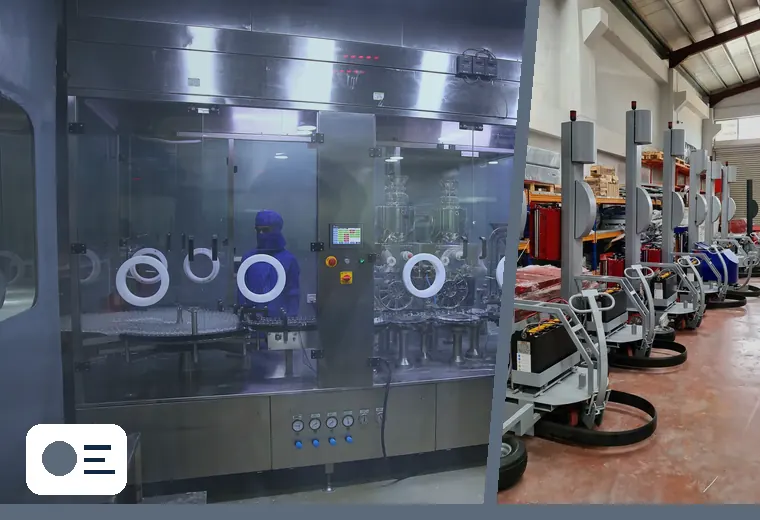 18 answers
Coffee beans
a dry-product application where bulk density, flow behaviour, dust, fragility, segregation and replenishment affect accurate dosing for coffee beans. Gentle handling, piece-size range and controlled drop height help protect the product.
Open the guide → 18 answers
Cohesive powders
non-free-flowing products prone to bridging, rat-holing and inconsistent feed
Open the guide → 18 answers
Colour pigments
a dry-product application where bulk density, flow behaviour, dust, fragility, segregation and replenishment affect accurate dosing for colour pigments. Dust containment, hopper flow and bulk-density variation are central to repeatability.
Open the guide → 18 answers
Confectionery pieces
a dry-product application where bulk density, flow behaviour, dust, fragility, segregation and replenishment affect accurate dosing for confectionery pieces. Gentle handling, piece-size range and controlled drop height help protect the product.
Open the guide → 18 answers
Custard powder
a dry-product application where bulk density, flow behaviour, dust, fragility, segregation and replenishment affect accurate dosing for custard powder. Dust containment, hopper flow and bulk-density variation are central to repeatability.
Open the guide →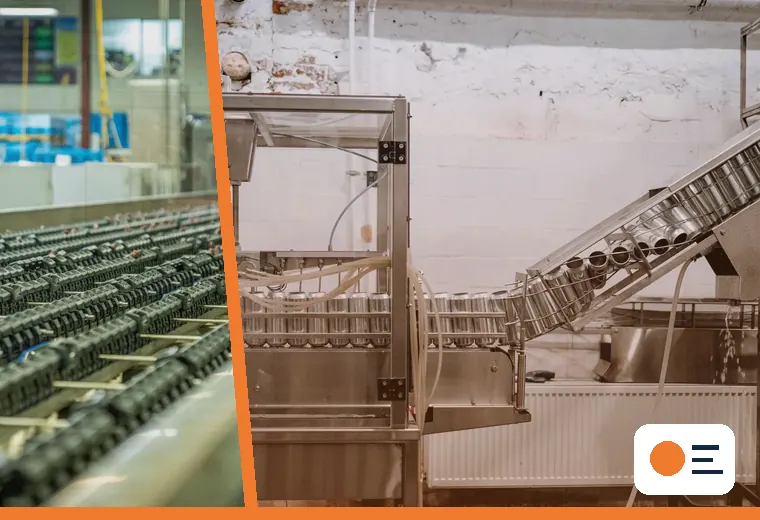 18 answers
Dishwasher powder
a dry-product application where bulk density, flow behaviour, dust, fragility, segregation and replenishment affect accurate dosing for dishwasher powder. Dust containment, hopper flow and bulk-density variation are central to repeatability.
Open the guide → 18 answers
Dried beans
a dry-product application where bulk density, flow behaviour, dust, fragility, segregation and replenishment affect accurate dosing for dried beans. Gentle handling, piece-size range and controlled drop height help protect the product.
Open the guide → 18 answers
Dried fruit pieces
a dry-product application where bulk density, flow behaviour, dust, fragility, segregation and replenishment affect accurate dosing for dried fruit pieces. Gentle handling, piece-size range and controlled drop height help protect the product.
Open the guide →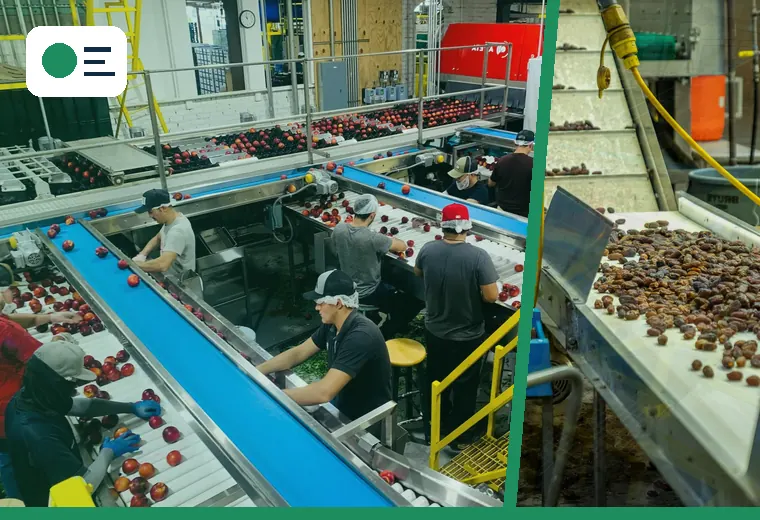 18 answers
Dry pasta
a dry-product application where bulk density, flow behaviour, dust, fragility, segregation and replenishment affect accurate dosing for dry pasta. Gentle handling, piece-size range and controlled drop height help protect the product.
Open the guide →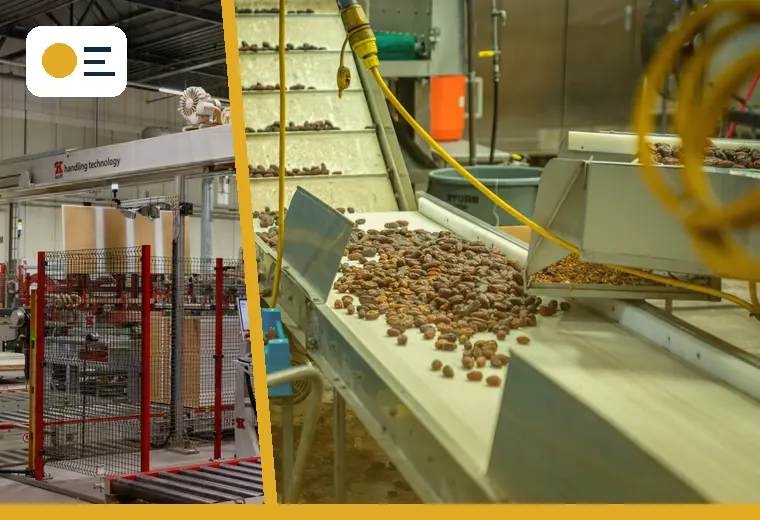 18 answers
Dusty powders
products that release airborne dust during feeding, dosing and pack transfer
Open the guide → 18 answers
Electrolyte powder
a dry-product application where bulk density, flow behaviour, dust, fragility, segregation and replenishment affect accurate dosing for electrolyte powder. Dust containment, hopper flow and bulk-density variation are central to repeatability.
Open the guide →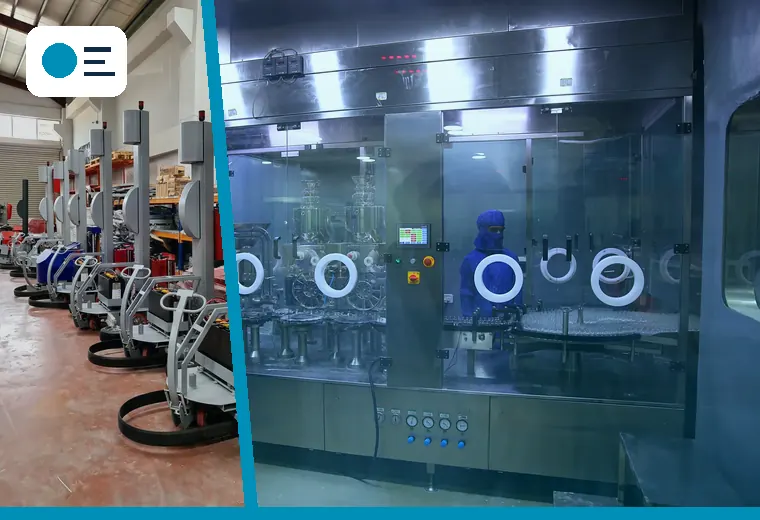 18 answers
Fertiliser granules
a dry-product application where bulk density, flow behaviour, dust, fragility, segregation and replenishment affect accurate dosing for fertiliser granules.
Open the guide → 18 answers
Fine powders
small-particle products that can aerate, compact and escape from open transfers
Open the guide → 18 answers
Flour
light, dusty food powder with variable aeration and bulk density
Open the guide → 18 answers
Food starch
a dry-product application where bulk density, flow behaviour, dust, fragility, segregation and replenishment affect accurate dosing for food starch.
Open the guide → 18 answers
Fragile food pieces
products where drops, vibration and compression create breakage
Open the guide → 18 answers
Free-flowing powders
products that move readily but can flood, segregate or continue flowing after cut-off
Open the guide → 18 answers
Granola
a dry-product application where bulk density, flow behaviour, dust, fragility, segregation and replenishment affect accurate dosing for granola. Gentle handling, piece-size range and controlled drop height help protect the product.
Open the guide → 18 answers
Granules
free-flowing particles that can bounce, flood or segregate
Open the guide → 18 answers
Ground coffee
aromatic, aerated particles where density and freshness affect dosing
Open the guide →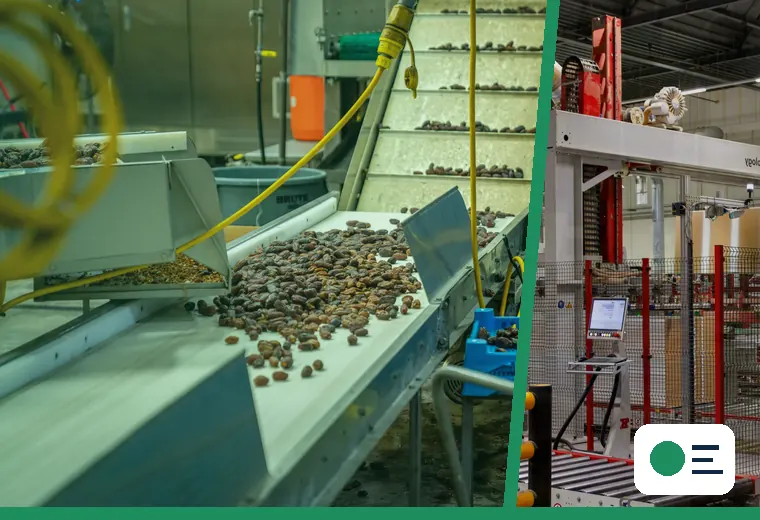 18 answers
Icing sugar
a dry-product application where bulk density, flow behaviour, dust, fragility, segregation and replenishment affect accurate dosing for icing sugar.
Open the guide →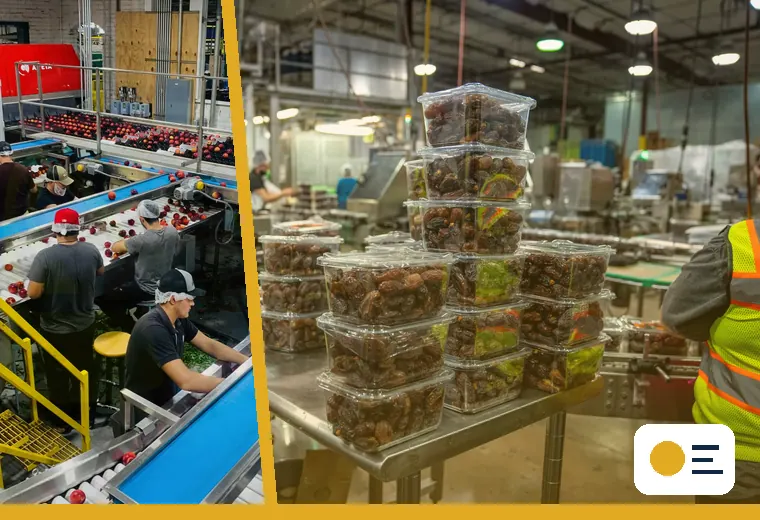 18 answers
Instant coffee powder
a dry-product application where bulk density, flow behaviour, dust, fragility, segregation and replenishment affect accurate dosing for instant coffee powder. Dust containment, hopper flow and bulk-density variation are central to repeatability.
Open the guide →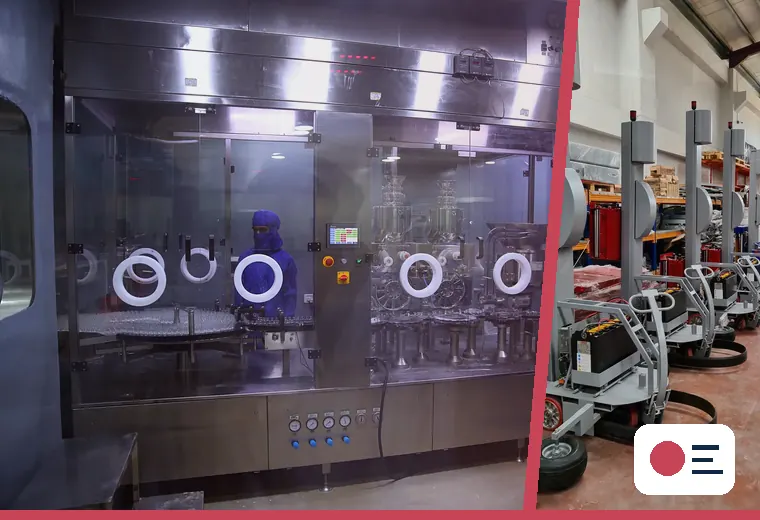 18 answers
Laundry detergent powder
a dry-product application where bulk density, flow behaviour, dust, fragility, segregation and replenishment affect accurate dosing for laundry detergent powder. Dust containment, hopper flow and bulk-density variation are central to repeatability.
Open the guide → 18 answers
Lentils
a dry-product application where bulk density, flow behaviour, dust, fragility, segregation and replenishment affect accurate dosing for lentils.
Open the guide → 18 answers
Milk powder
hygroscopic food powder requiring controlled hygiene and moisture exposure
Open the guide → 18 answers
Mixed-size pieces
products with a broad size range that can segregate before weighing
Open the guide → 18 answers
Nuts
a dry-product application where bulk density, flow behaviour, dust, fragility, segregation and replenishment affect accurate dosing for nuts. Gentle handling, piece-size range and controlled drop height help protect the product.
Open the guide → 18 answers
Pesticide powders
a dry-product application where bulk density, flow behaviour, dust, fragility, segregation and replenishment affect accurate dosing for pesticide powders. Dust containment, hopper flow and bulk-density variation are central to repeatability.
Open the guide → 18 answers
Pet food pieces
mixed-shape pieces where target weight and product damage must be balanced
Open the guide → 18 answers
Pet supplements
a dry-product application where bulk density, flow behaviour, dust, fragility, segregation and replenishment affect accurate dosing for pet supplements.
Open the guide → 18 answers
Pharmaceutical powders
a dry-product application where bulk density, flow behaviour, dust, fragility, segregation and replenishment affect accurate dosing for pharmaceutical powders. Dust containment, hopper flow and bulk-density variation are central to repeatability.
Open the guide → 18 answers
Plaster powder
a dry-product application where bulk density, flow behaviour, dust, fragility, segregation and replenishment affect accurate dosing for plaster powder. Dust containment, hopper flow and bulk-density variation are central to repeatability.
Open the guide → 18 answers
Powdered drink mixes
a dry-product application where bulk density, flow behaviour, dust, fragility, segregation and replenishment affect accurate dosing for powdered drink mixes. Dust containment, hopper flow and bulk-density variation are central to repeatability.
Open the guide → 18 answers
Powdered tea
a dry-product application where bulk density, flow behaviour, dust, fragility, segregation and replenishment affect accurate dosing for powdered tea. Dust containment, hopper flow and bulk-density variation are central to repeatability.
Open the guide → 18 answers
Protein powder
nutrition powder where bulk density, static and weight control affect giveaway
Open the guide → 18 answers
Rice
a dry-product application where bulk density, flow behaviour, dust, fragility, segregation and replenishment affect accurate dosing for rice.
Open the guide → 18 answers
Salt
crystalline product that can attract moisture and corrode unsuitable materials
Open the guide → 18 answers
Seeds and grains
free-flowing but varied agricultural pieces that need gentle handling
Open the guide → 18 answers
Snack pieces
light irregular pieces that may break or bridge in narrow chutes
Open the guide → 18 answers
Spices and seasonings
aromatic powders or flakes where dust, segregation and cleaning are important
Open the guide → 18 answers
Sugar
free-flowing crystals where abrasion, dust and feed stability vary by grade
Open the guide → 18 answers
Tablets and capsules
counted or weighed solid doses requiring gentle controlled feeding
Open the guide → 18 answers
Talcum powder
a dry-product application where bulk density, flow behaviour, dust, fragility, segregation and replenishment affect accurate dosing for talcum powder. Dust containment, hopper flow and bulk-density variation are central to repeatability.
Open the guide → 18 answers
Tea leaves
a dry-product application where bulk density, flow behaviour, dust, fragility, segregation and replenishment affect accurate dosing for tea leaves.
Open the guide → 18 answers
Tile grout
a dry-product application where bulk density, flow behaviour, dust, fragility, segregation and replenishment affect accurate dosing for tile grout.
Open the guide → 18 answers
Vitamin powder
a dry-product application where bulk density, flow behaviour, dust, fragility, segregation and replenishment affect accurate dosing for vitamin powder. Dust containment, hopper flow and bulk-density variation are central to repeatability.
Open the guide → 18 answers
Wood pellets
a dry-product application where bulk density, flow behaviour, dust, fragility, segregation and replenishment affect accurate dosing for wood pellets.
Open the guide →Start with the problem you can see
Questions customers also ask
Open a question for a concise answer, then use the detailed guide above for the full production checks.
What is covered in the Powders, granules and pieces section?
This section contains 55 customer topics and 990 detailed answers for solve variable weights, dust, bridging, segregation, product damage and feeder problems for dry products.
How should I start diagnosing a powder and piece filling problem?
Begin with the symptom you can measure, record a baseline using representative samples and trace the first point where the process loses control.
What information is needed before comparing powder and piece filling machinery?
Provide real products and packs, dimensions, current and required output, tolerances, utilities, cleaning requirements and the hardest production case.
Why is sustained good output more useful than maximum speed for powder and piece filling?
Sustained good output includes waiting, replenishment, changeovers, short stops and rejects, so it reflects the capacity the customer can actually use.
How are the answers linked to specialist solutions?
Each topic and answer shows a prominent best-matched specialist website selected from the packaging machinery and support network.
Can the guidance replace a machinery trial for powder and piece filling?
No. The guidance helps define the route, but final suitability needs representative samples, a written requirement and measurable acceptance testing.