
End-of-line packing and inspection
Improve cartoning, case sealing, shrink wrapping, inspection, case packing, pallet handling and dispatch quality.
45 detailed topic guides
Each guide contains the same 18 customer problem routes, making it easier to compare symptoms across applications.
 18 answers
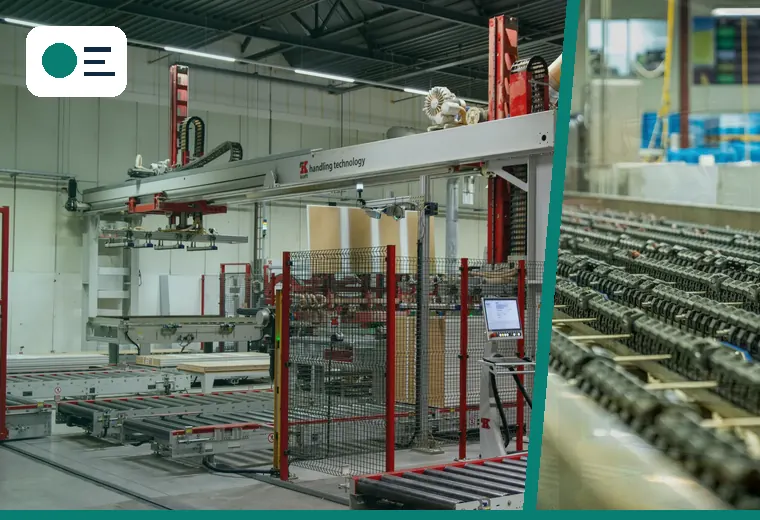
Accumulation tables
an end-of-line operation where product presentation, grouping, packaging material, timing, inspection and transfer control affect the finished transport pack for accumulation tables.
Open the guide → 18 answers
Automatic reject systems
an end-of-line operation where product presentation, grouping, packaging material, timing, inspection and transfer control affect the finished transport pack for automatic reject systems. Challenge samples, reject confirmation and documented checks are essential to prove the control.
Open the guide → 18 answers
Cap inspection
an end-of-line operation where product presentation, grouping, packaging material, timing, inspection and transfer control affect the finished transport pack for cap inspection. Challenge samples, reject confirmation and documented checks are essential to prove the control.
Open the guide →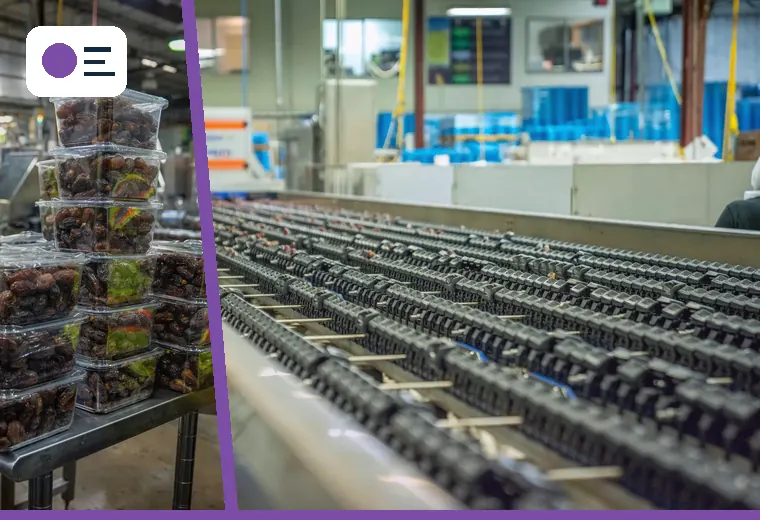 18 answers
Carton closing
an end-of-line operation where product presentation, grouping, packaging material, timing, inspection and transfer control affect the finished transport pack for carton closing. Pack pattern, board or load quality and stable transfers determine sustained output.
Open the guide →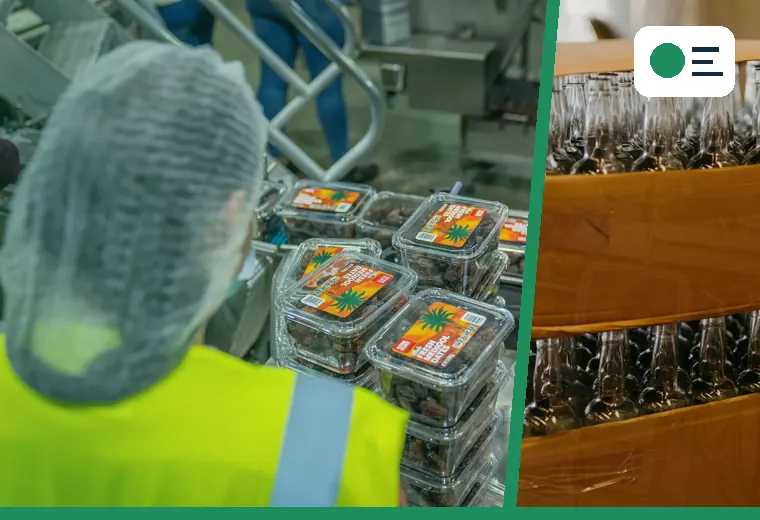 18 answers
Carton erecting
an end-of-line operation where product presentation, grouping, packaging material, timing, inspection and transfer control affect the finished transport pack for carton erecting. Pack pattern, board or load quality and stable transfers determine sustained output.
Open the guide →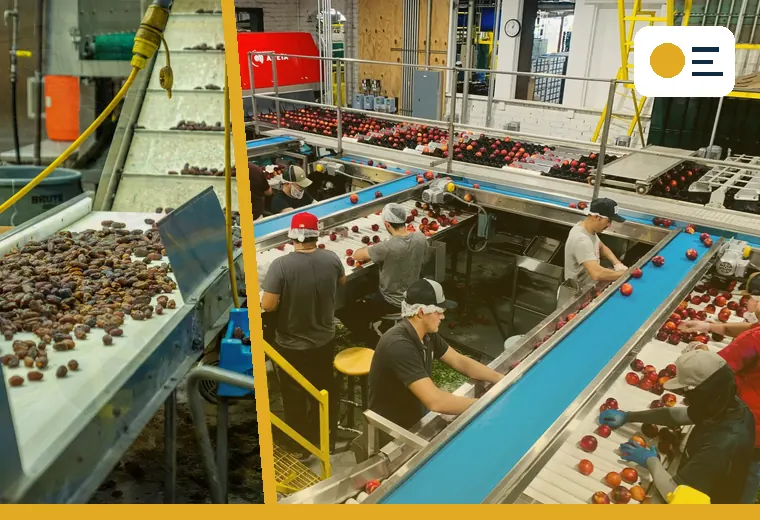 18 answers
Cartoning
erecting, loading and closing printed board cartons
Open the guide →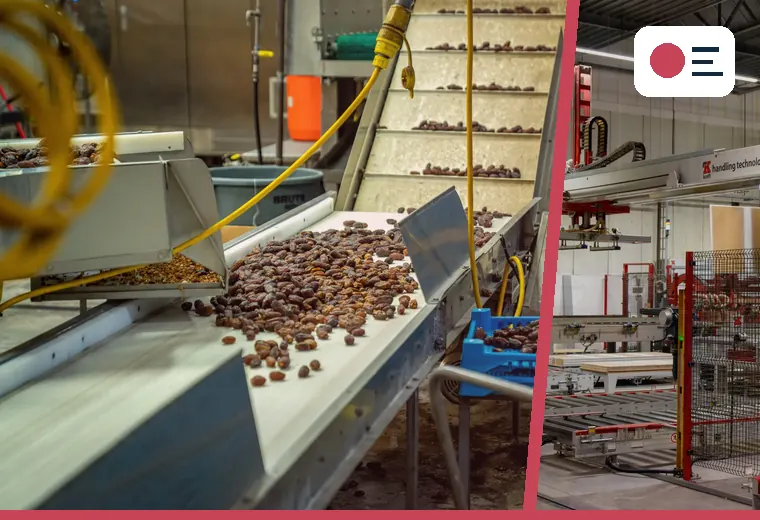 18 answers
Case coding
an end-of-line operation where product presentation, grouping, packaging material, timing, inspection and transfer control affect the finished transport pack for case coding. Pack pattern, board or load quality and stable transfers determine sustained output.
Open the guide →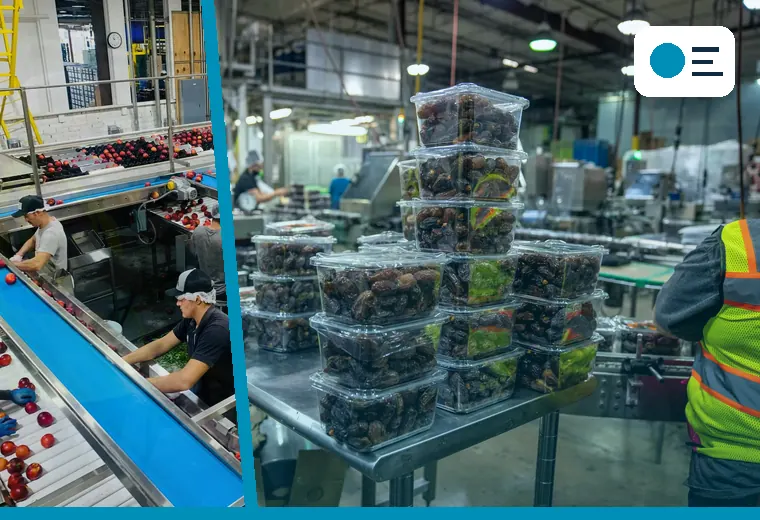 18 answers
Case conveying
an end-of-line operation where product presentation, grouping, packaging material, timing, inspection and transfer control affect the finished transport pack for case conveying. Pack pattern, board or load quality and stable transfers determine sustained output.
Open the guide →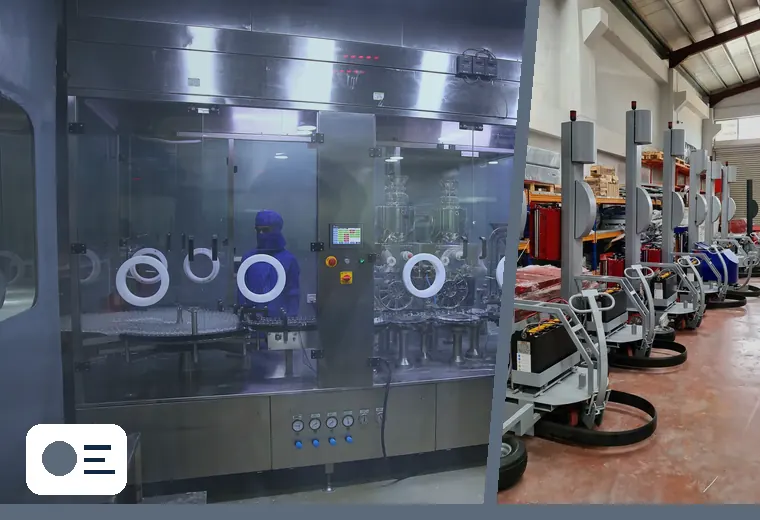 18 answers
Case labelling
an end-of-line operation where product presentation, grouping, packaging material, timing, inspection and transfer control affect the finished transport pack for case labelling. Pack pattern, board or load quality and stable transfers determine sustained output.
Open the guide → 18 answers
Case packing
loading products into corrugated shipping cases
Open the guide →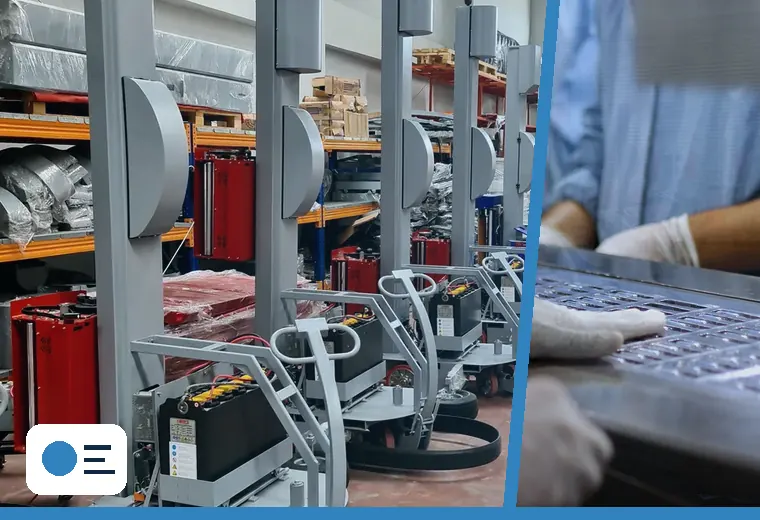 18 answers
Case taping
folding or holding case flaps and applying tape for dispatch
Open the guide →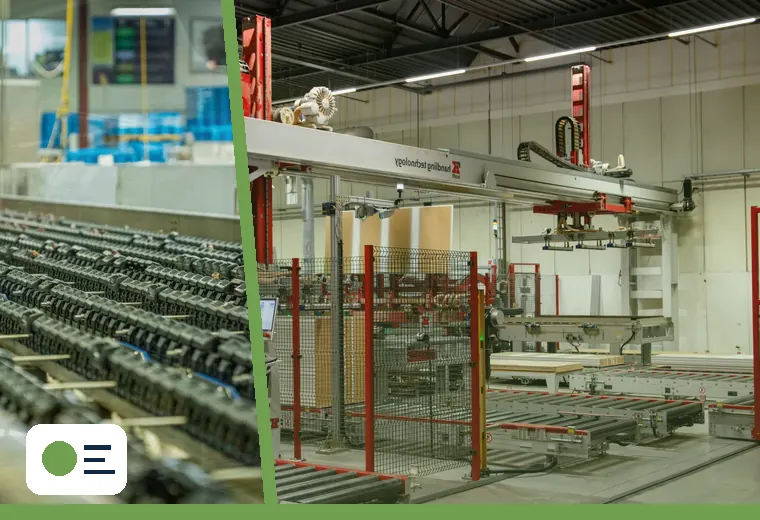 18 answers
Checkweighing
verifying finished pack weight against defined limits
Open the guide → 18 answers
Depalletising
an end-of-line operation where product presentation, grouping, packaging material, timing, inspection and transfer control affect the finished transport pack for depalletising. Pack pattern, board or load quality and stable transfers determine sustained output.
Open the guide → 18 answers
Dispatch packing
combining identification, case sealing and handling for shipment
Open the guide → 18 answers
Display-ready case packing
an end-of-line operation where product presentation, grouping, packaging material, timing, inspection and transfer control affect the finished transport pack for display-ready case packing. Pack pattern, board or load quality and stable transfers determine sustained output.
Open the guide → 18 answers
E-commerce mailer sealing
an end-of-line operation where product presentation, grouping, packaging material, timing, inspection and transfer control affect the finished transport pack for e-commerce mailer sealing.
Open the guide → 18 answers
Edge-protection application
an end-of-line operation where product presentation, grouping, packaging material, timing, inspection and transfer control affect the finished transport pack for edge-protection application.
Open the guide → 18 answers
Finished-load robotic palletising
an end-of-line operation where product presentation, grouping, packaging material, timing, inspection and transfer control affect the finished transport pack for finished-load robotic palletising. Pack pattern, board or load quality and stable transfers determine sustained output.
Open the guide → 18 answers
Hot-melt case sealing
an end-of-line operation where product presentation, grouping, packaging material, timing, inspection and transfer control affect the finished transport pack for hot-melt case sealing. Pack pattern, board or load quality and stable transfers determine sustained output.
Open the guide → 18 answers
Induction foil sealing
compatible containers, caps and foil liners requiring controlled sealing energy and pack pressure
Open the guide →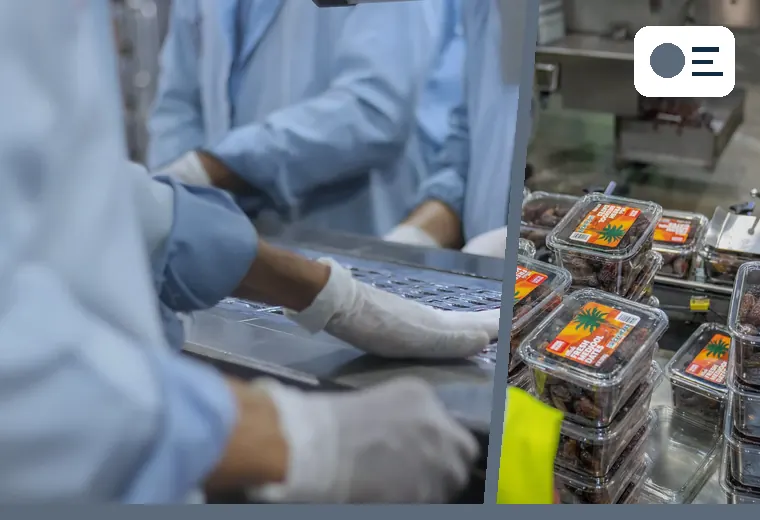 18 answers
L-sealing
making a closed film envelope before a shrink tunnel
Open the guide →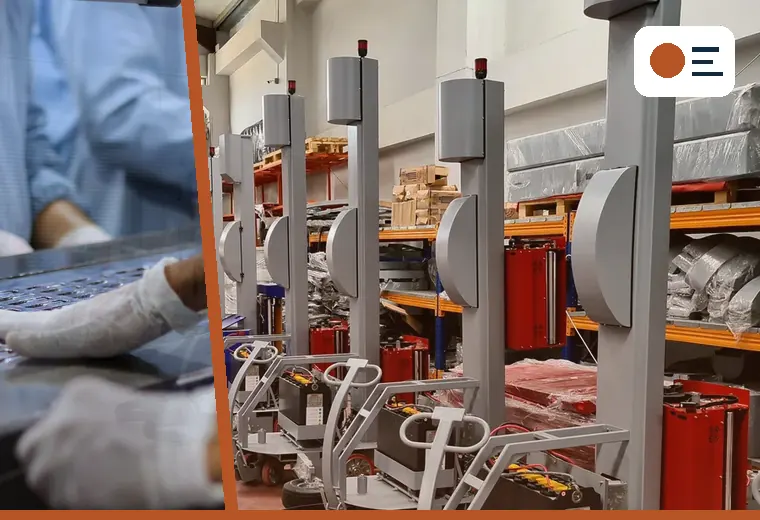 18 answers
Label inspection
an end-of-line operation where product presentation, grouping, packaging material, timing, inspection and transfer control affect the finished transport pack for label inspection. Challenge samples, reject confirmation and documented checks are essential to prove the control.
Open the guide →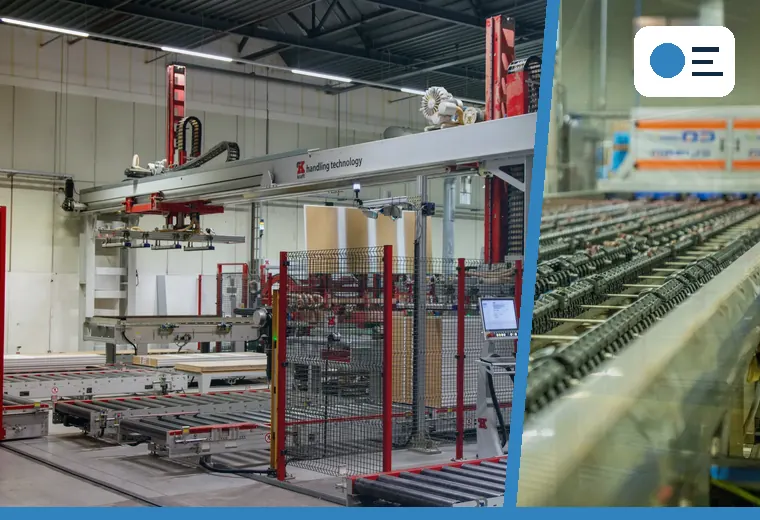 18 answers
Leak detection
an end-of-line operation where product presentation, grouping, packaging material, timing, inspection and transfer control affect the finished transport pack for leak detection. Challenge samples, reject confirmation and documented checks are essential to prove the control.
Open the guide →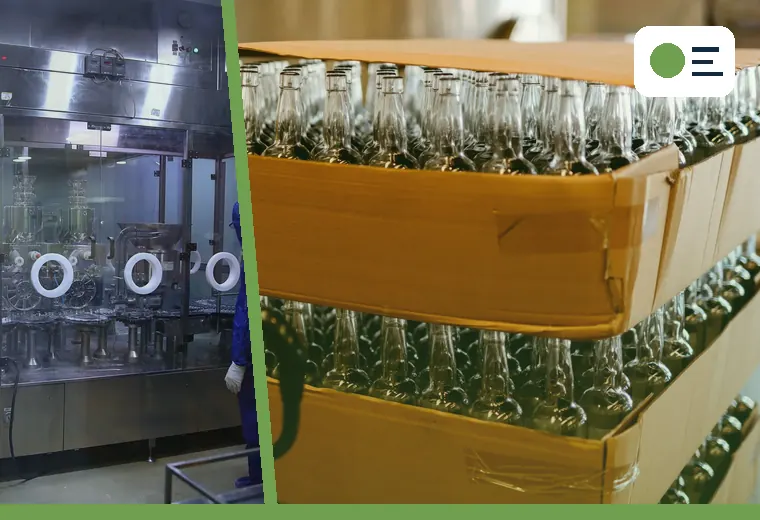 18 answers
Load stabilisation
an end-of-line operation where product presentation, grouping, packaging material, timing, inspection and transfer control affect the finished transport pack for load stabilisation.
Open the guide →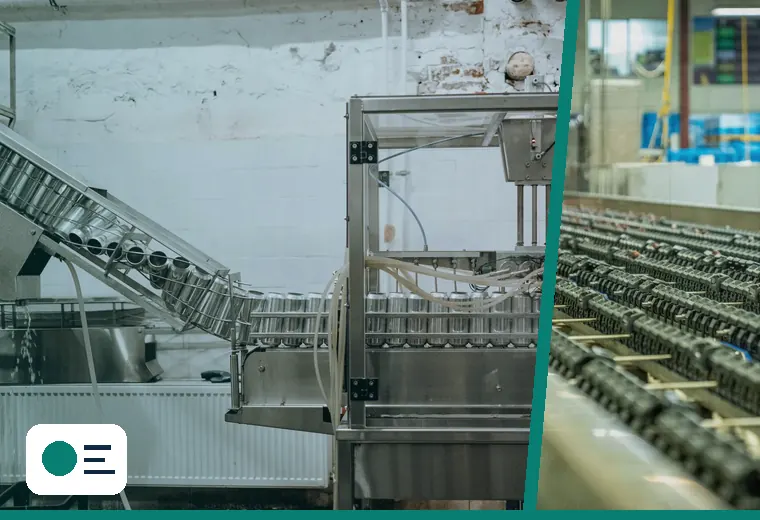 18 answers
Metal detection
inspecting suitable products for metal contamination within a validated system
Open the guide →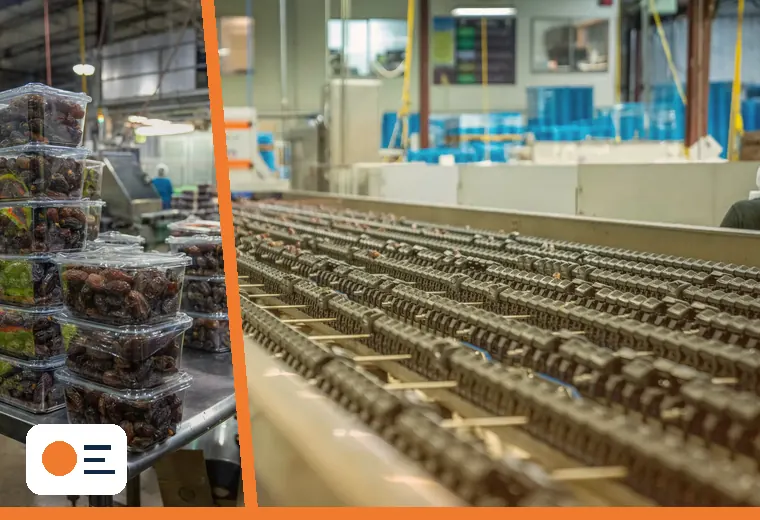 18 answers
Multipacking
an end-of-line operation where product presentation, grouping, packaging material, timing, inspection and transfer control affect the finished transport pack for multipacking.
Open the guide →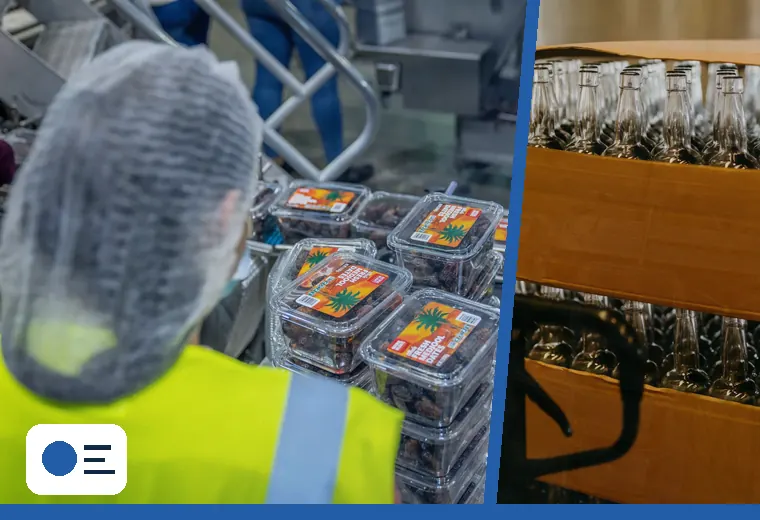 18 answers
Pallet conveying
an end-of-line operation where product presentation, grouping, packaging material, timing, inspection and transfer control affect the finished transport pack for pallet conveying. Pack pattern, board or load quality and stable transfers determine sustained output.
Open the guide →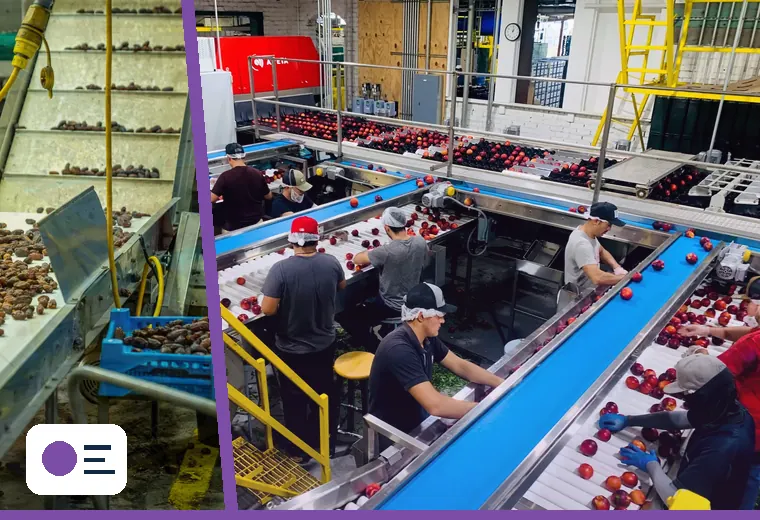 18 answers
Pallet labelling
an end-of-line operation where product presentation, grouping, packaging material, timing, inspection and transfer control affect the finished transport pack for pallet labelling. Pack pattern, board or load quality and stable transfers determine sustained output.
Open the guide → 18 answers
Pallet strapping
an end-of-line operation where product presentation, grouping, packaging material, timing, inspection and transfer control affect the finished transport pack for pallet strapping. Pack pattern, board or load quality and stable transfers determine sustained output.
Open the guide → 18 answers
Pallet wrapping
stabilising finished loads with stretch or shrink film
Open the guide → 18 answers
Print-and-apply labelling
printing variable data and automatically applying it to a moving pack
Open the guide → 18 answers
Product bundling
an end-of-line operation where product presentation, grouping, packaging material, timing, inspection and transfer control affect the finished transport pack for product bundling.
Open the guide → 18 answers
Robot-loaded cases
an end-of-line operation where product presentation, grouping, packaging material, timing, inspection and transfer control affect the finished transport pack for robot-loaded cases. Pack pattern, board or load quality and stable transfers determine sustained output.
Open the guide →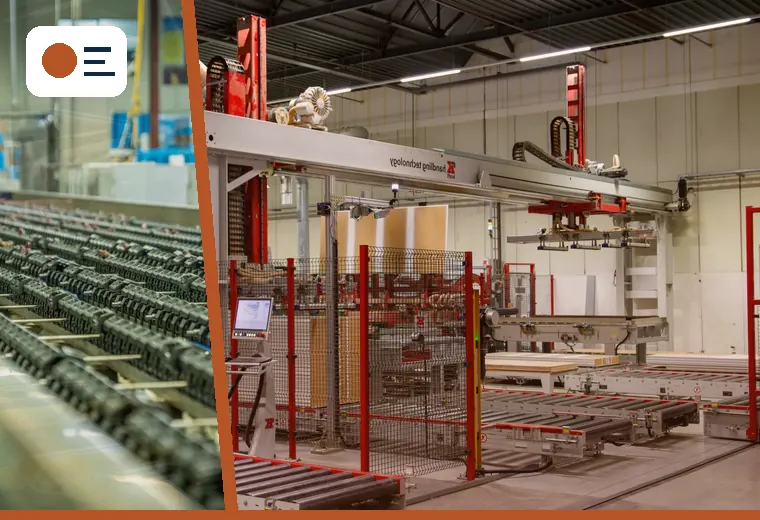 18 answers
Rotary turntables
an end-of-line operation where product presentation, grouping, packaging material, timing, inspection and transfer control affect the finished transport pack for rotary turntables.
Open the guide → 18 answers
Seal inspection
an end-of-line operation where product presentation, grouping, packaging material, timing, inspection and transfer control affect the finished transport pack for seal inspection. Challenge samples, reject confirmation and documented checks are essential to prove the control.
Open the guide → 18 answers
Shrink wrapping
enclosing products or multipacks in film and shrinking it with heat
Open the guide →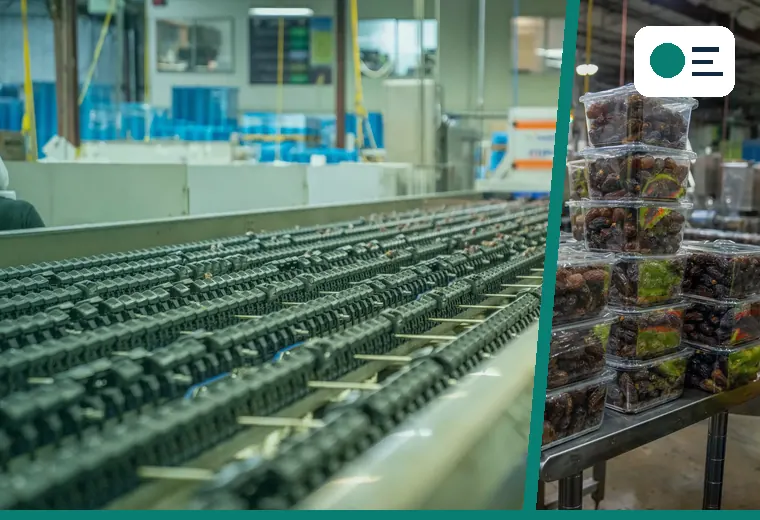 18 answers
Sleeve wrapping
collating products in a film sleeve before shrinking
Open the guide →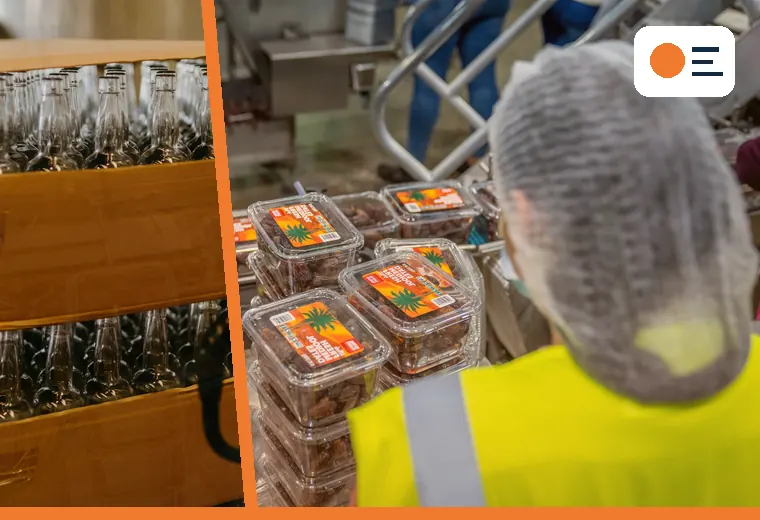 18 answers
Stretch wrapping
an end-of-line operation where product presentation, grouping, packaging material, timing, inspection and transfer control affect the finished transport pack for stretch wrapping.
Open the guide →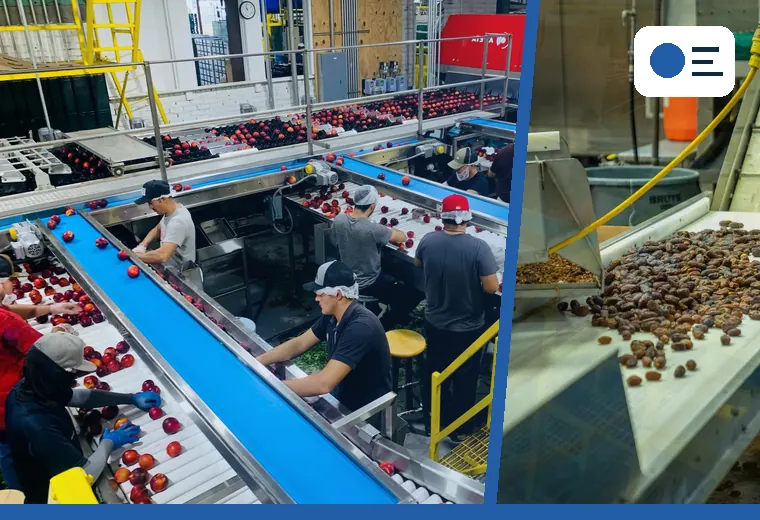 18 answers
Tamper-evident secondary packing
an end-of-line operation where product presentation, grouping, packaging material, timing, inspection and transfer control affect the finished transport pack for tamper-evident secondary packing.
Open the guide →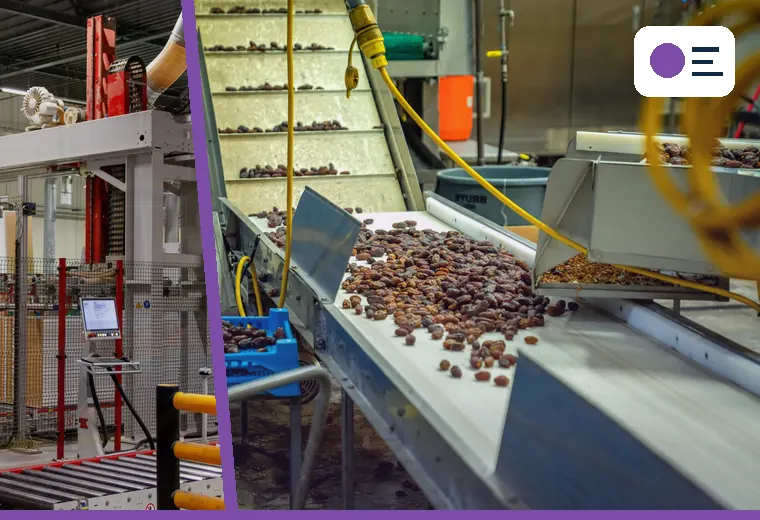 18 answers
Tray erecting
an end-of-line operation where product presentation, grouping, packaging material, timing, inspection and transfer control affect the finished transport pack for tray erecting. Pack pattern, board or load quality and stable transfers determine sustained output.
Open the guide →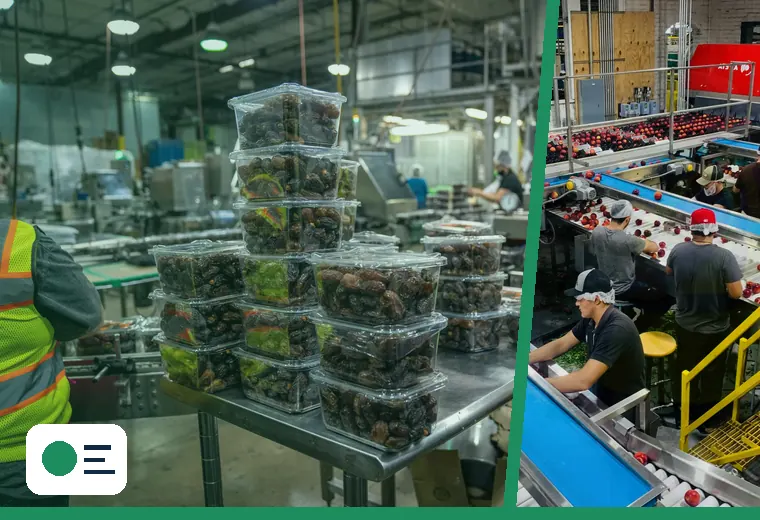 18 answers
Tray lidding
an end-of-line operation where product presentation, grouping, packaging material, timing, inspection and transfer control affect the finished transport pack for tray lidding. Pack pattern, board or load quality and stable transfers determine sustained output.
Open the guide →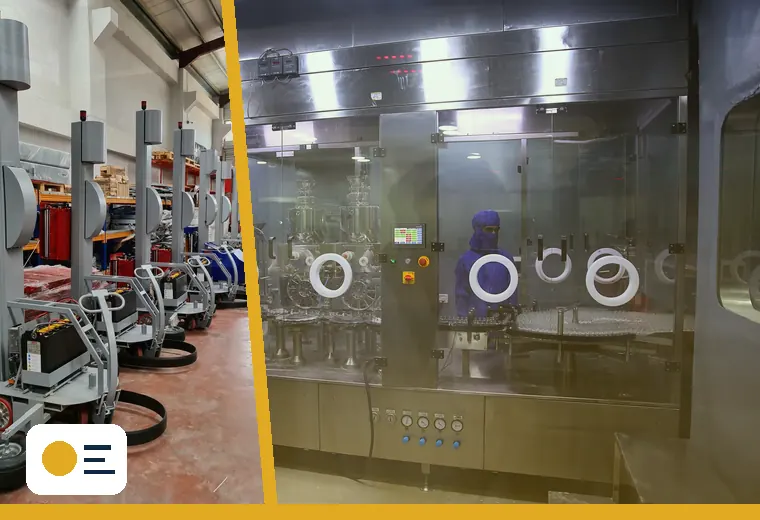 18 answers
Tray packing
arranging products into open trays or display-ready packs
Open the guide →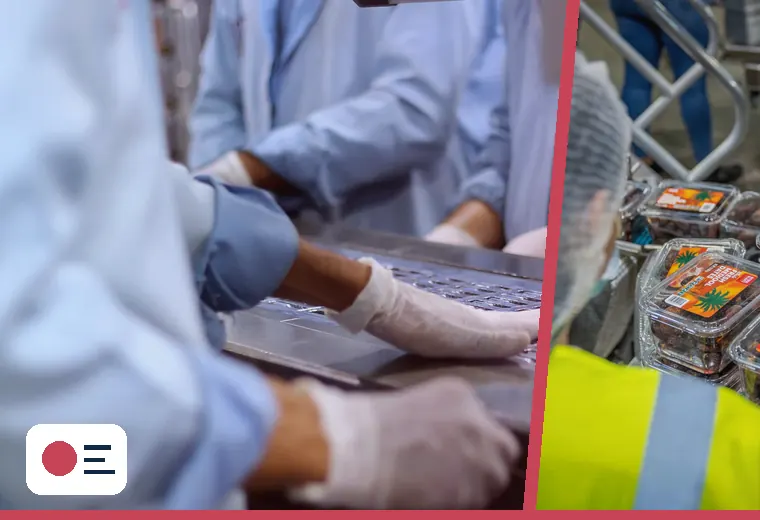 18 answers
Vision inspection
an end-of-line operation where product presentation, grouping, packaging material, timing, inspection and transfer control affect the finished transport pack for vision inspection. Challenge samples, reject confirmation and documented checks are essential to prove the control.
Open the guide →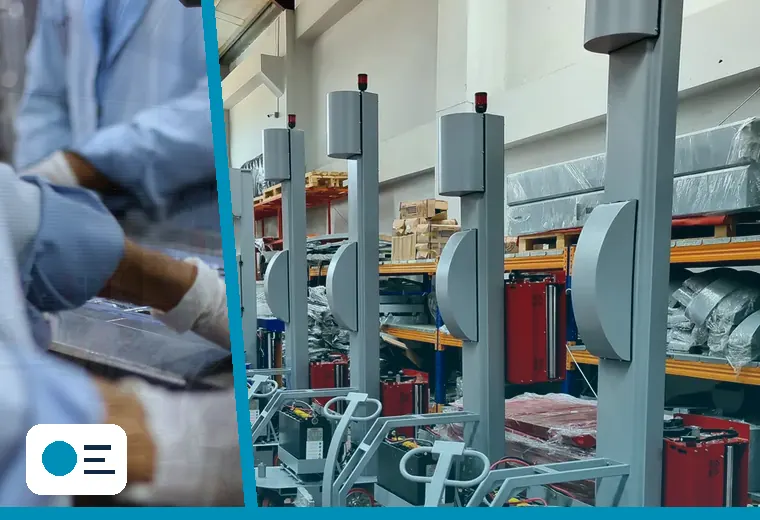 18 answers
Weight checking
an end-of-line operation where product presentation, grouping, packaging material, timing, inspection and transfer control affect the finished transport pack for weight checking. Challenge samples, reject confirmation and documented checks are essential to prove the control.
Open the guide → 18 answers
X-ray inspection
an end-of-line operation where product presentation, grouping, packaging material, timing, inspection and transfer control affect the finished transport pack for X-ray inspection. Challenge samples, reject confirmation and documented checks are essential to prove the control.
Open the guide →Start with the problem you can see
Questions customers also ask
Open a question for a concise answer, then use the detailed guide above for the full production checks.
What is covered in the End-of-line packing and inspection section?
This section contains 45 customer topics and 810 detailed answers for improve cartoning, case sealing, shrink wrapping, inspection, case packing, pallet handling and dispatch quality.
How should I start diagnosing a end of line problem?
Begin with the symptom you can measure, record a baseline using representative samples and trace the first point where the process loses control.
What information is needed before comparing end of line machinery?
Provide real products and packs, dimensions, current and required output, tolerances, utilities, cleaning requirements and the hardest production case.
Why is sustained good output more useful than maximum speed for end of line?
Sustained good output includes waiting, replenishment, changeovers, short stops and rejects, so it reflects the capacity the customer can actually use.
How are the answers linked to specialist solutions?
Each topic and answer shows a prominent best-matched specialist website selected from the packaging machinery and support network.
Can the guidance replace a machinery trial for end of line?
No. The guidance helps define the route, but final suitability needs representative samples, a written requirement and measurable acceptance testing.