
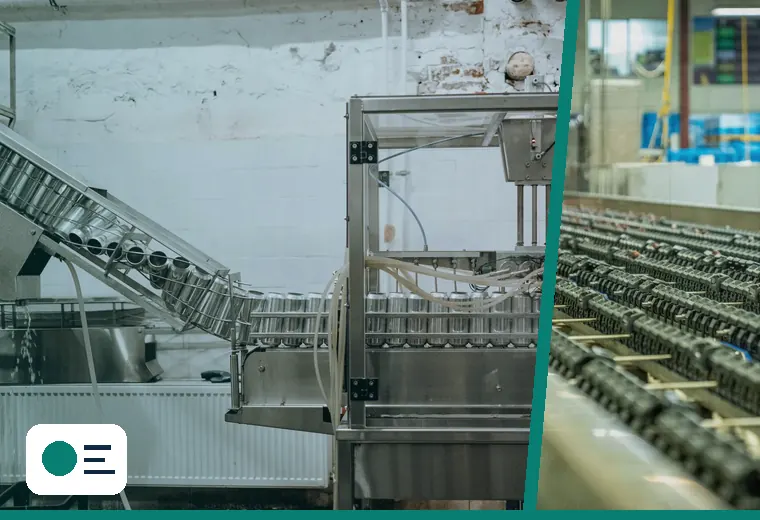
 End of line
Why are finished packs inconsistent during metal detection?
Practical guidance for metal detection: find why weights, levels, positions, torque or finished packs vary during a run.
Read the answer →Inspecting suitable products for metal contamination within a validated system. Use the questions below to diagnose the symptom, check the process and choose the most suitable machinery route.
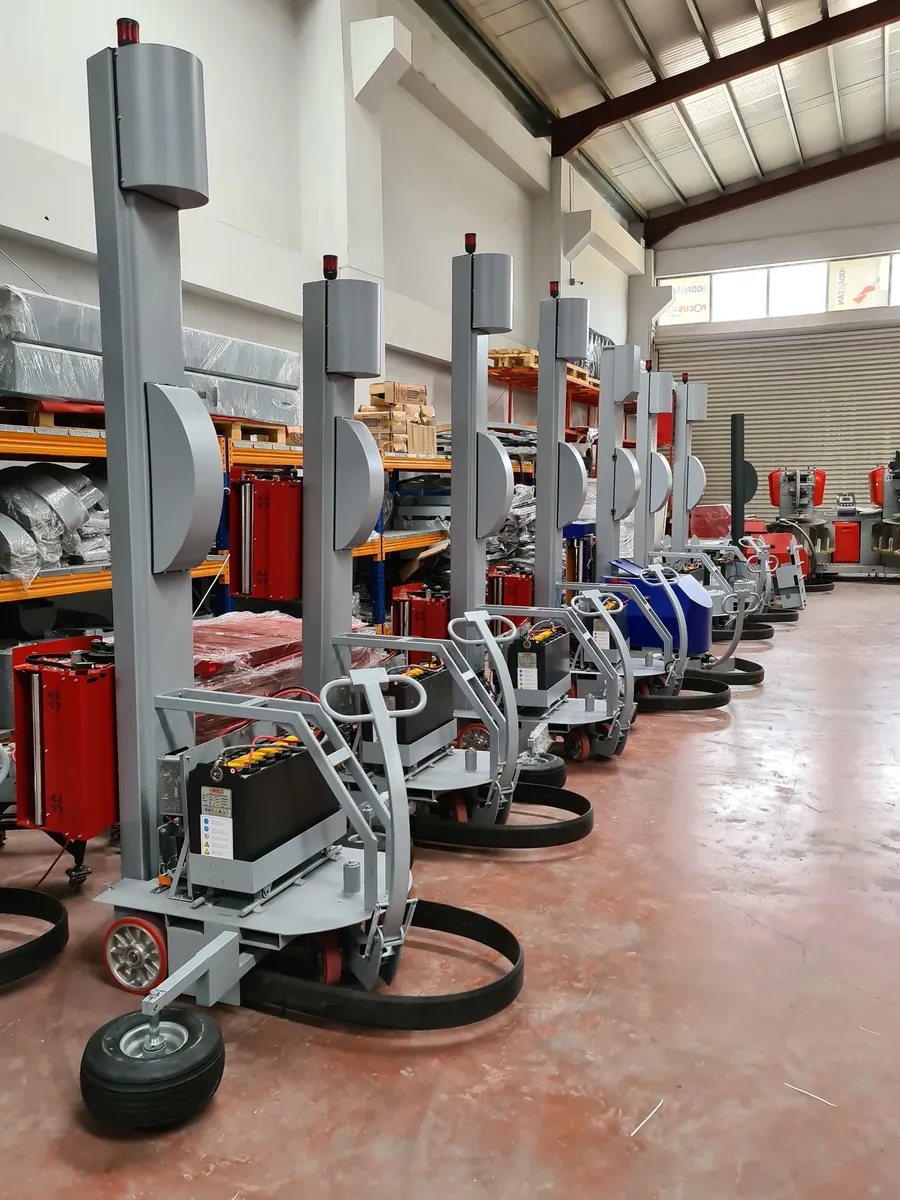
See the machinery and application options most closely matched to this production question.
Start with the symptom rather than guessing the machine. Each answer gives likely causes, checks, brief information and relevant solution websites.
End of linePractical guidance for metal detection: find why weights, levels, positions, torque or finished packs vary during a run.
Read the answer → End of line
Practical guidance for metal detection: separate true machine speed from waiting, handling, replenishment and short stops.
Read the answer → End of line
Practical guidance for metal detection: trace the first loss of control instead of repeatedly clearing the final jam.
Read the answer →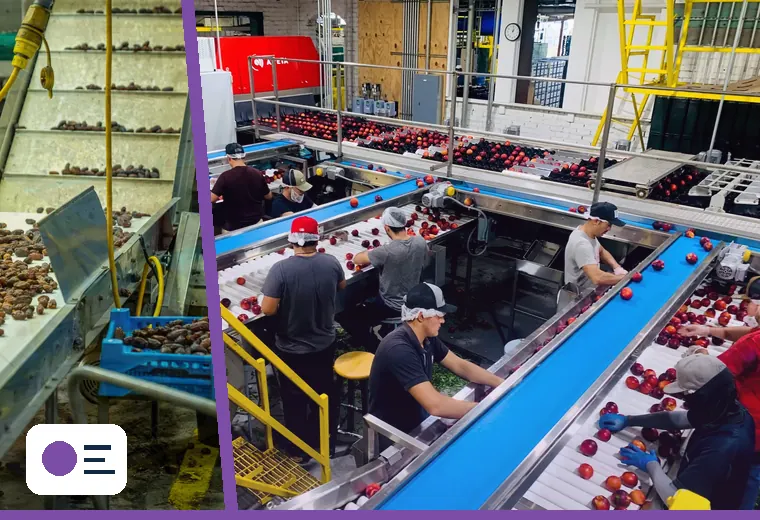 End of line
Practical guidance for metal detection: reduce product loss, damaged packs, film waste and avoidable rejects.
Read the answer →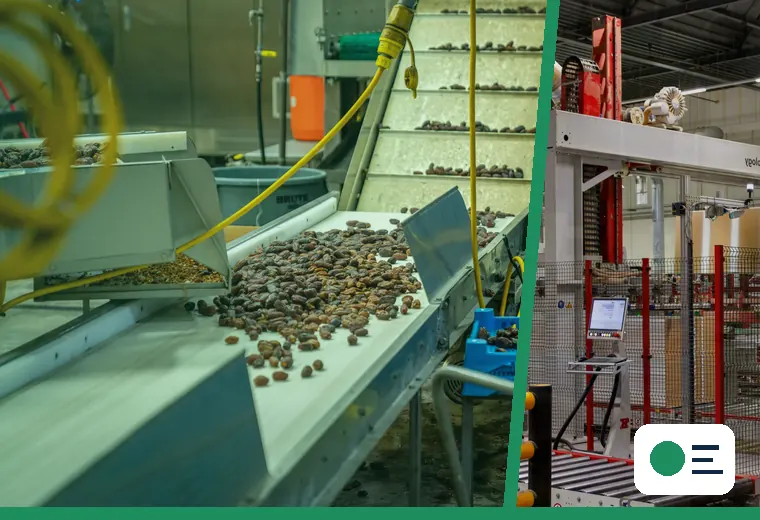 End of line
Practical guidance for metal detection: plan access, product removal, safe cleaning and verified return to production.
Read the answer → End of line
Practical guidance for metal detection: make product and pack changes repeatable, measurable and easier for operators.
Read the answer → End of line
Practical guidance for metal detection: check materials, seals, adhesives, films, closures and product-contact parts.
Read the answer → End of line
Practical guidance for metal detection: match the machine principle to the real product, pack, output and acceptance criteria.
Read the answer → End of line
Practical guidance for metal detection: automate the limiting operation without creating a new bottleneck.
Read the answer → End of line
Practical guidance for metal detection: define what a good pack is and how defects will be detected and handled.
Read the answer → End of line
Practical guidance for metal detection: control product, machinery, operator and site hazards through competent assessment.
Read the answer → End of line
Practical guidance for metal detection: turn recurring faults into controlled inspection, service and replacement actions.
Read the answer → End of line
Practical guidance for metal detection: coordinate product flow, controls, accumulation, guarding and restart behaviour.
Read the answer → End of line
Practical guidance for metal detection: move from manual to semi-automatic and automatic production in sensible stages.
Read the answer → End of line
Practical guidance for metal detection: improve appearance, seal, closure, code, dose and transport performance.
Read the answer → End of line
Practical guidance for metal detection: present products, packs, caps or components consistently to the next operation.
Read the answer → End of line
Practical guidance for metal detection: understand how the production environment changes product and machine behaviour.
Read the answer → End of line
Practical guidance for metal detection: capture samples, dimensions, output, acceptance tests and site constraints before buying.
Read the answer →End-of-line equipment must receive stable products at a controlled rate and create a pack that survives handling, storage and transport.
 End of line
Folding or holding case flaps and applying tape for dispatch.
View questions → End of line
Erecting, loading and closing printed board cartons.
View questions →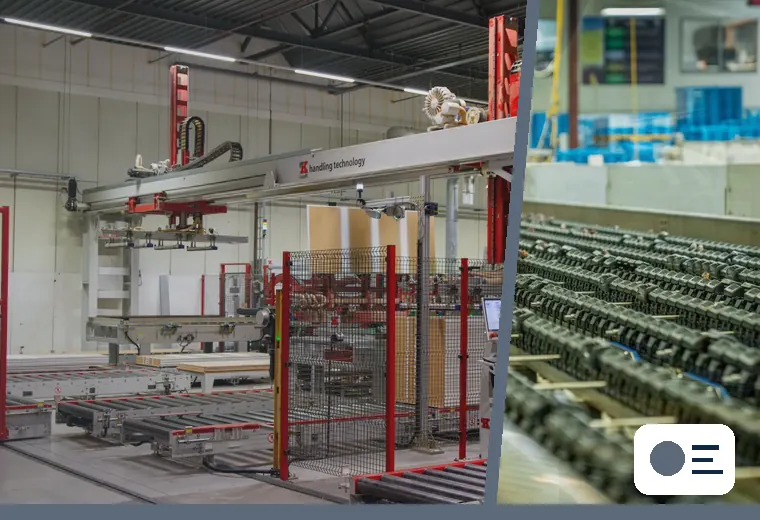 End of line
Enclosing products or multipacks in film and shrinking it with heat.
View questions → End of line
Collating products in a film sleeve before shrinking.
View questions →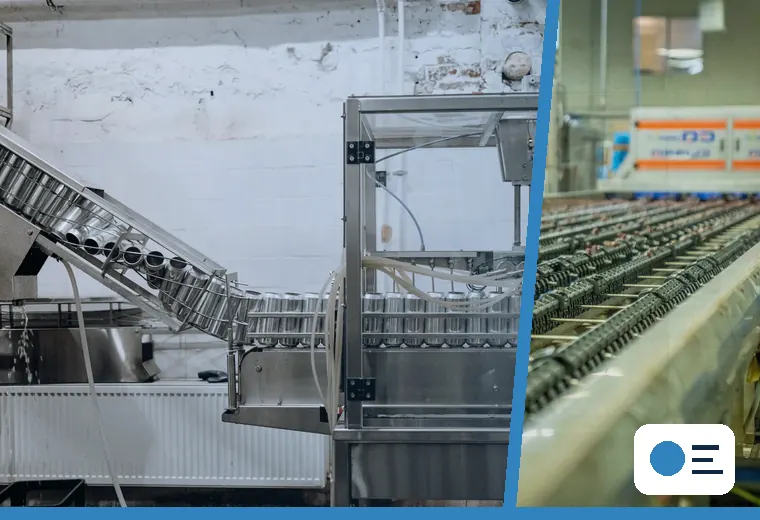 End of line
Making a closed film envelope before a shrink tunnel.
View questions →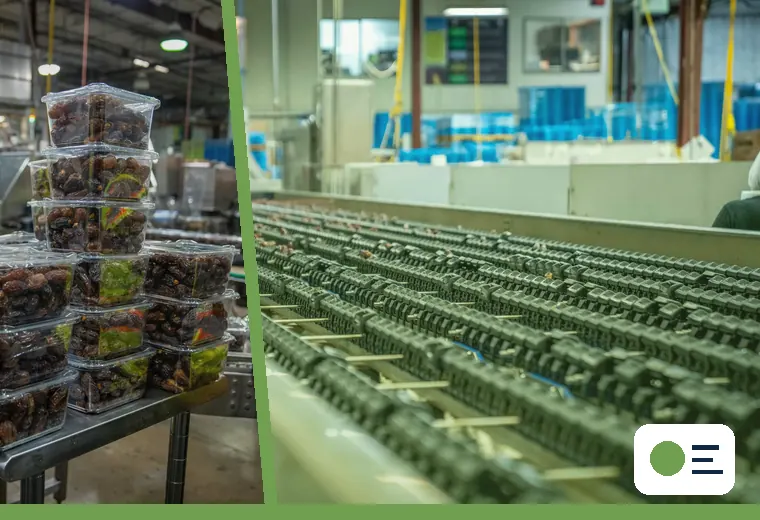 End of line
Loading products into corrugated shipping cases.
View questions →Open a question for a concise answer, then use the detailed guide above for the full production checks.
Practical guidance for metal detection: find why weights, levels, positions, torque or finished packs vary during a run.
Practical guidance for metal detection: separate true machine speed from waiting, handling, replenishment and short stops.
Practical guidance for metal detection: trace the first loss of control instead of repeatedly clearing the final jam.
Practical guidance for metal detection: reduce product loss, damaged packs, film waste and avoidable rejects.
Practical guidance for metal detection: plan access, product removal, safe cleaning and verified return to production.
Practical answers for packaging metal detection, including common faults, ordered checks and relevant specialist machinery routes.