
Containers and pack formats
Find production answers for bottles, jars, tubs, cans, tubes, pouches, sacks, cases, trays and specialist packs.

60 detailed topic guides
Each guide contains the same 18 customer problem routes, making it easier to compare symptoms across applications.
 18 answers
Airless pump bottles
a packaging format where dimensions, material, centre of gravity, opening, closure and contact surfaces affect machine handling for airless pump bottles.
Open the guide → 18 answers
Ampoules
a packaging format where dimensions, material, centre of gravity, opening, closure and contact surfaces affect machine handling for ampoules. Small dimensions, breakage risk, precise handling and inspection are particularly important.
Open the guide → 18 answers
Bag-in-box packs
a packaging format where dimensions, material, centre of gravity, opening, closure and contact surfaces affect machine handling for bag-in-box packs. Pack opening, film stiffness, sealing surfaces and support through transfers need to be proven.
Open the guide → 18 answers
Blister packs
a packaging format where dimensions, material, centre of gravity, opening, closure and contact surfaces affect machine handling for blister packs.
Open the guide →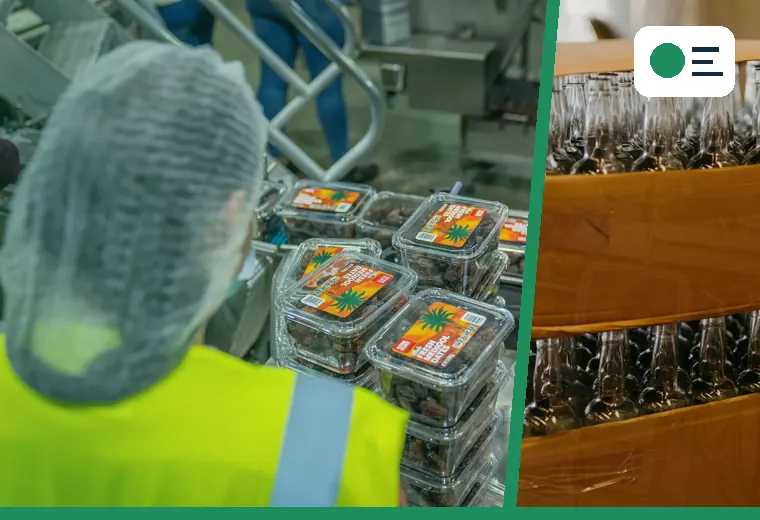 18 answers
Bottle rinsing before filling
new containers that must be inverted, rinsed, drained and returned to the line before filling
Open the guide →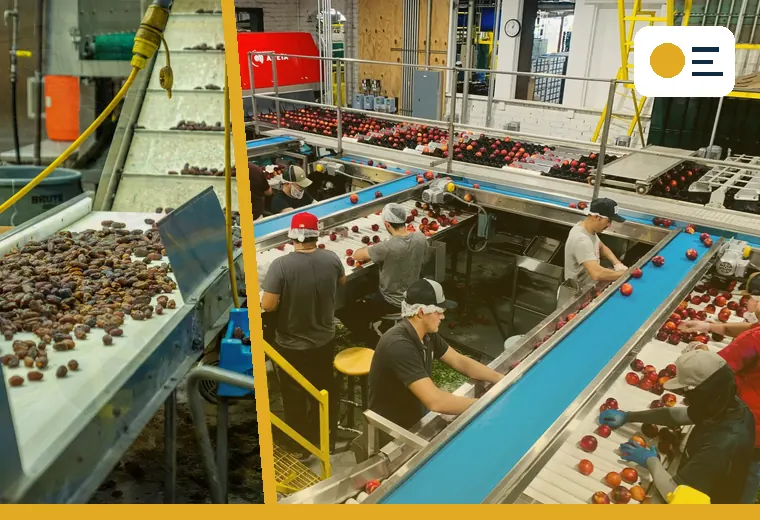 18 answers
Buckets and pails
a packaging format where dimensions, material, centre of gravity, opening, closure and contact surfaces affect machine handling for buckets and pails. Weight, operator access, safe handling and larger-format dosing or movement must be included.
Open the guide →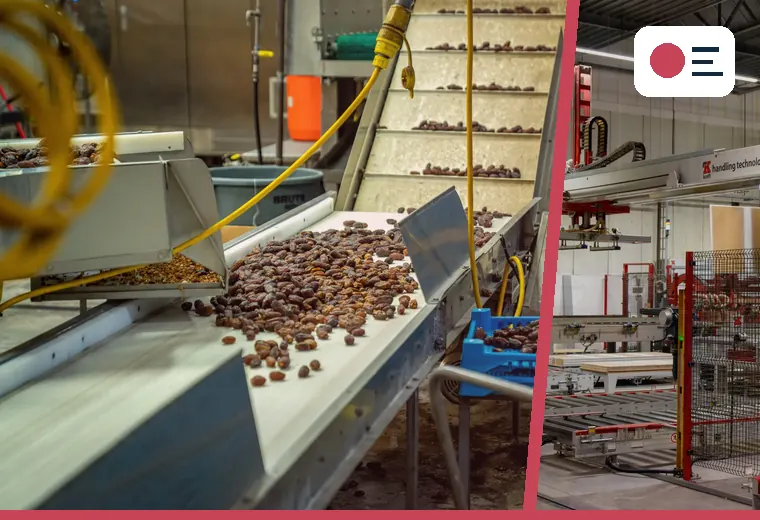 18 answers
Cartridges
a packaging format where dimensions, material, centre of gravity, opening, closure and contact surfaces affect machine handling for cartridges. Small dimensions, breakage risk, precise handling and inspection are particularly important.
Open the guide →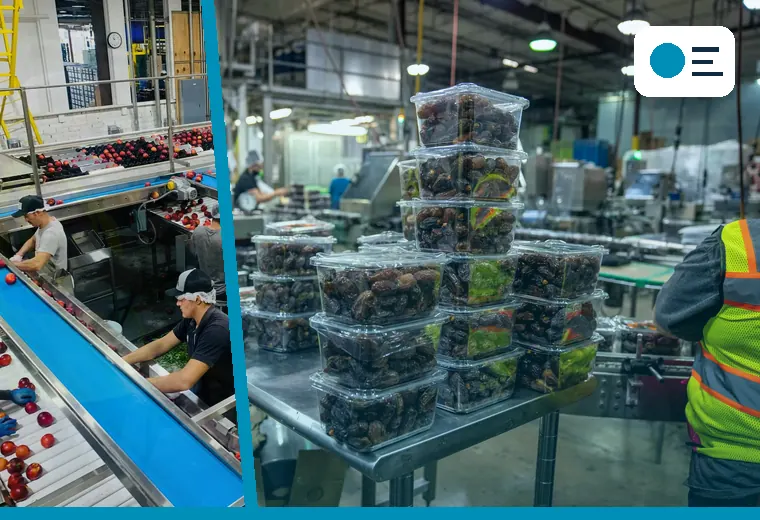 18 answers
Clamshell packs
a packaging format where dimensions, material, centre of gravity, opening, closure and contact surfaces affect machine handling for clamshell packs.
Open the guide → 18 answers
Composite cans
a packaging format where dimensions, material, centre of gravity, opening, closure and contact surfaces affect machine handling for composite cans.
Open the guide → 18 answers
Corrugated cases
shipping cases requiring stable filling, closing, taping and transport strength
Open the guide → 18 answers
Cups with foil lids
a packaging format where dimensions, material, centre of gravity, opening, closure and contact surfaces affect machine handling for cups with foil lids.
Open the guide → 18 answers
Display-ready trays
a packaging format where dimensions, material, centre of gravity, opening, closure and contact surfaces affect machine handling for display-ready trays.
Open the guide → 18 answers
Doypacks
stand-up pouches whose base gusset and zipper affect opening and presentation
Open the guide →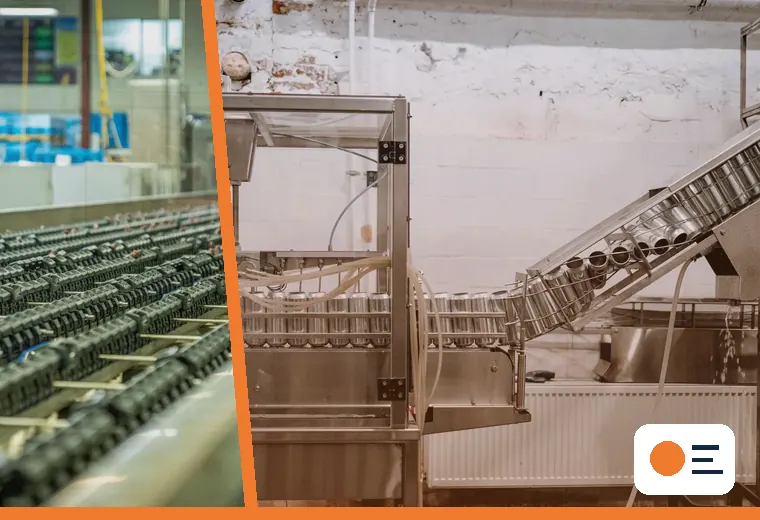 18 answers
Dropper bottles
a packaging format where dimensions, material, centre of gravity, opening, closure and contact surfaces affect machine handling for dropper bottles.
Open the guide →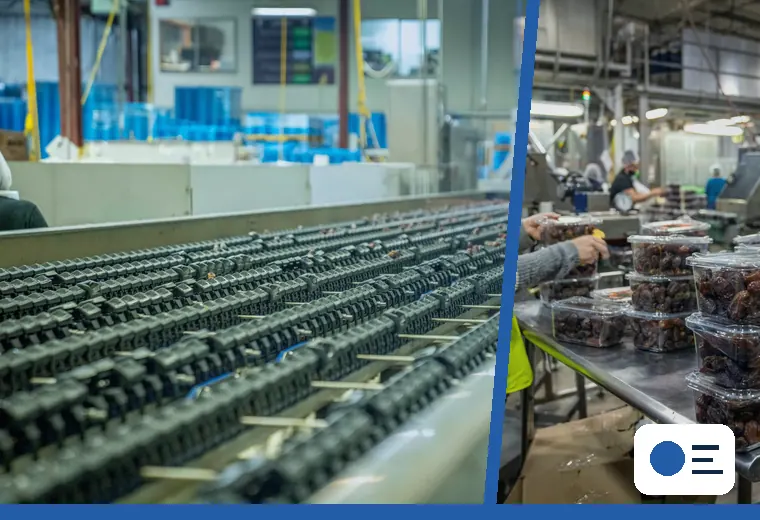 18 answers
Folding cartons
printed board packs that must erect, load and close consistently
Open the guide →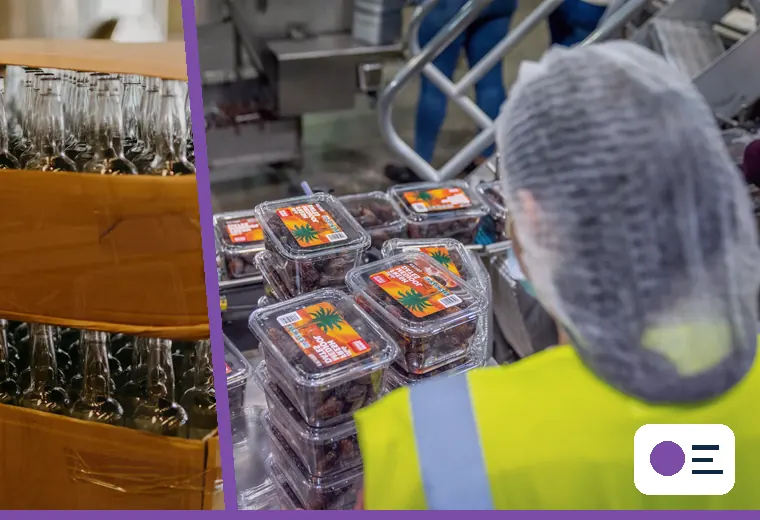 18 answers
Four-side-seal sachets
a packaging format where dimensions, material, centre of gravity, opening, closure and contact surfaces affect machine handling for four-side-seal sachets.
Open the guide →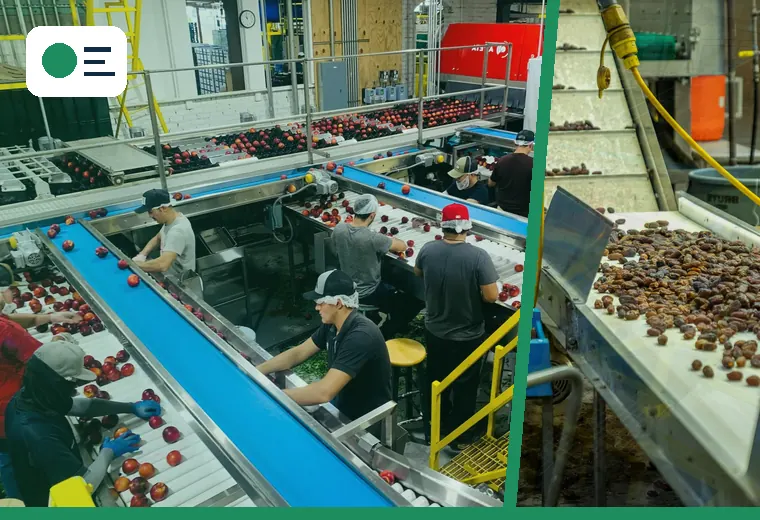 18 answers
Glass bottles
rigid but breakable containers requiring controlled contact and base support
Open the guide →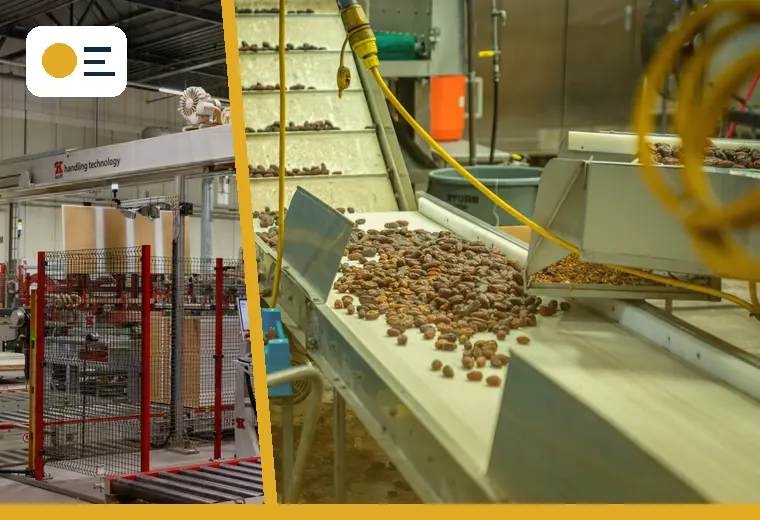 18 answers
Glass vials
a packaging format where dimensions, material, centre of gravity, opening, closure and contact surfaces affect machine handling for glass vials. Small dimensions, breakage risk, precise handling and inspection are particularly important.
Open the guide →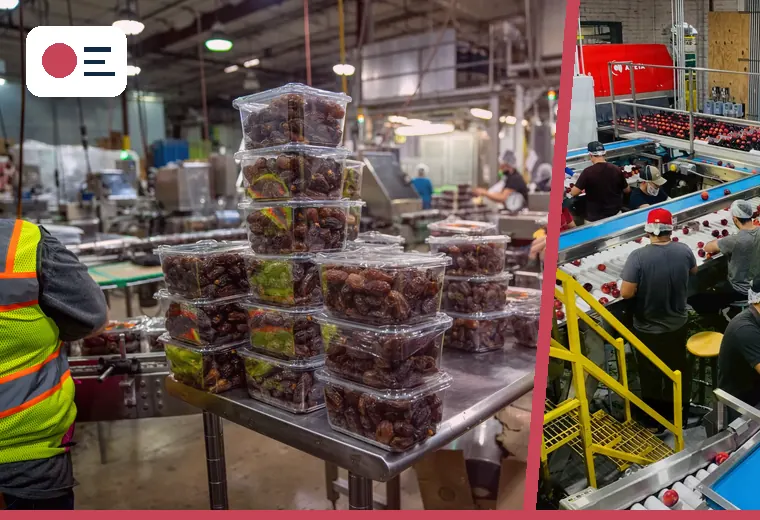 18 answers
HDPE bottles
opaque plastic containers with moulding variation and static behaviour
Open the guide →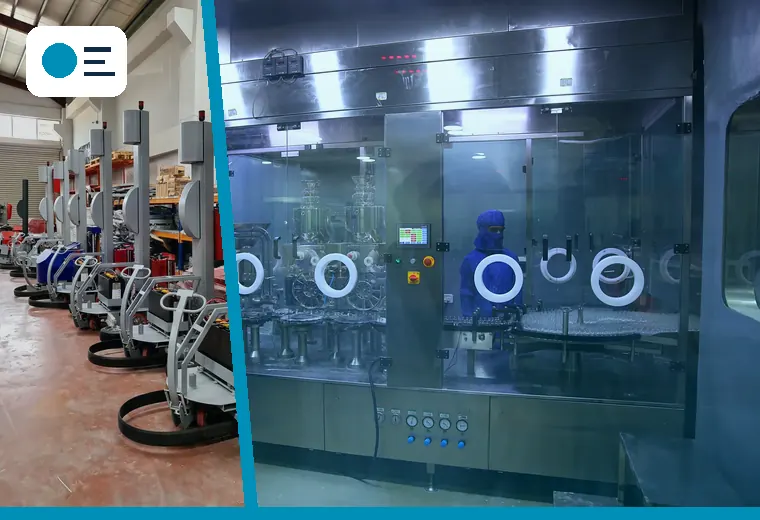 18 answers
Hexagonal jars
a packaging format where dimensions, material, centre of gravity, opening, closure and contact surfaces affect machine handling for hexagonal jars.
Open the guide →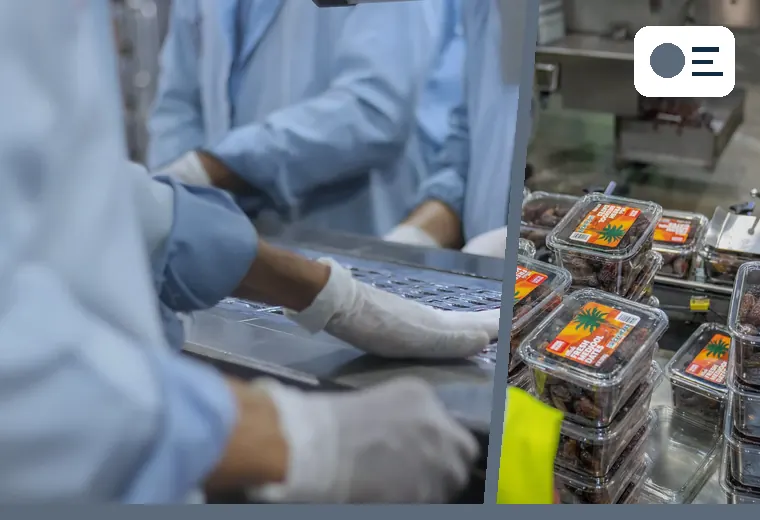 18 answers
Intermediate bulk containers
a packaging format where dimensions, material, centre of gravity, opening, closure and contact surfaces affect machine handling for intermediate bulk containers. Weight, operator access, safe handling and larger-format dosing or movement must be included.
Open the guide → 18 answers
Jars
wide-mouth containers used with screw, twist-off or vacuum closure systems
Open the guide → 18 answers
Jerrycans
larger handled containers requiring stable support and controlled filling
Open the guide → 18 answers
Large bottles
a packaging format where dimensions, material, centre of gravity, opening, closure and contact surfaces affect machine handling for large bottles.
Open the guide →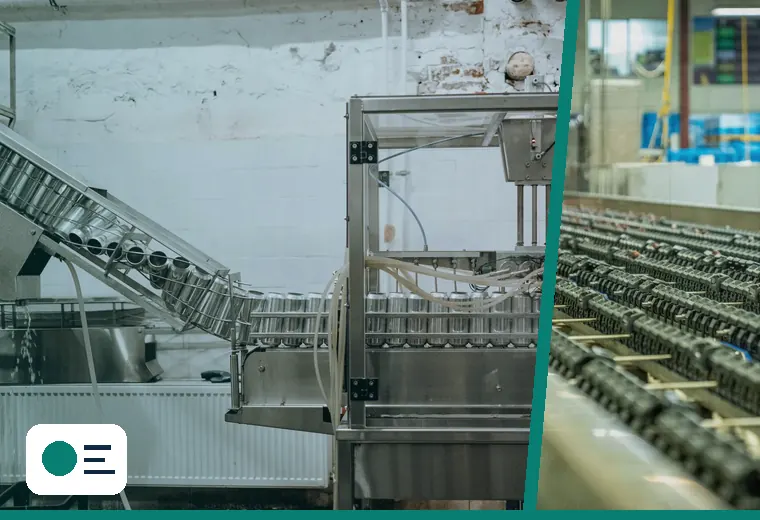 18 answers
Metal cans
rigid containers used for food, beverage, chemical and industrial products
Open the guide → 18 answers
Metal tins
a packaging format where dimensions, material, centre of gravity, opening, closure and contact surfaces affect machine handling for metal tins.
Open the guide →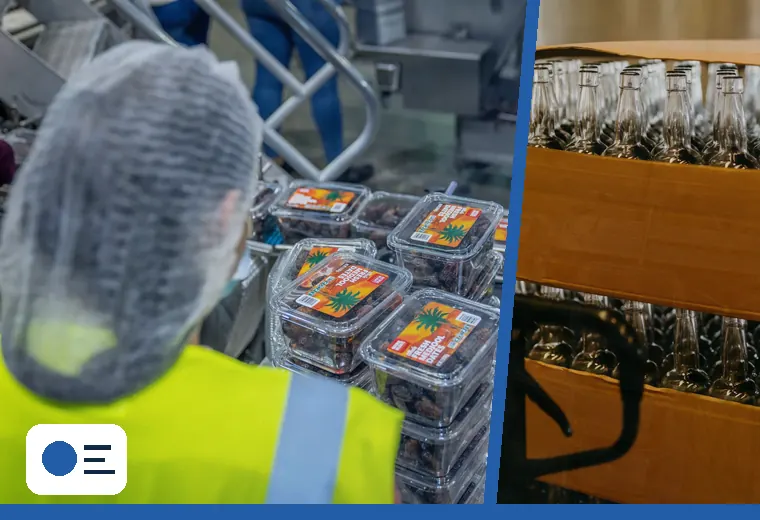 18 answers
Miniature bottles
a packaging format where dimensions, material, centre of gravity, opening, closure and contact surfaces affect machine handling for miniature bottles.
Open the guide → 18 answers
Open-mouth bags
paper or plastic bags used for powders, granules and larger fills
Open the guide → 18 answers
Oval bottles
containers that can rotate or rock unless positively controlled through the line
Open the guide →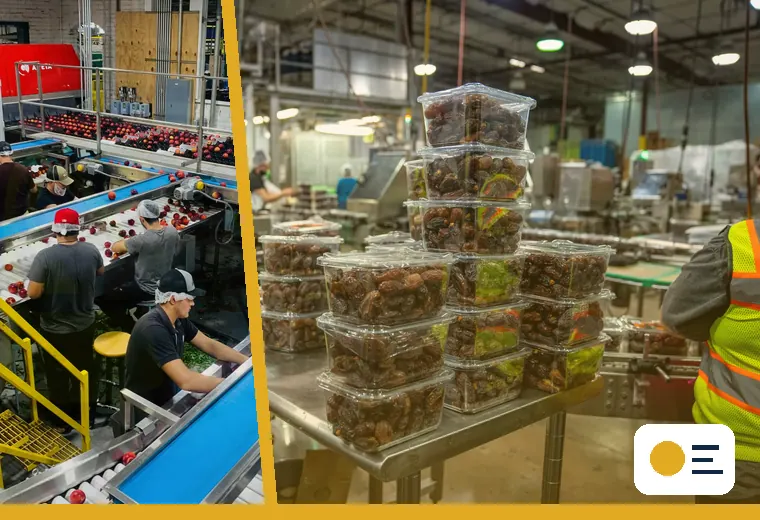 18 answers
Pallet loads
a packaging format where dimensions, material, centre of gravity, opening, closure and contact surfaces affect machine handling for pallet loads. Weight, operator access, safe handling and larger-format dosing or movement must be included.
Open the guide →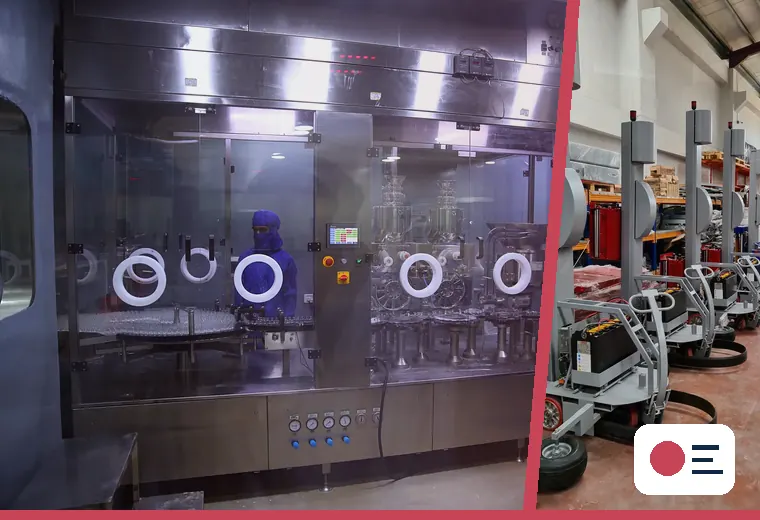 18 answers
Paper sacks
a packaging format where dimensions, material, centre of gravity, opening, closure and contact surfaces affect machine handling for paper sacks. Pack opening, film stiffness, sealing surfaces and support through transfers need to be proven.
Open the guide → 18 answers
PET bottles
light plastic containers that can deform, scuff or become unstable under line pressure
Open the guide →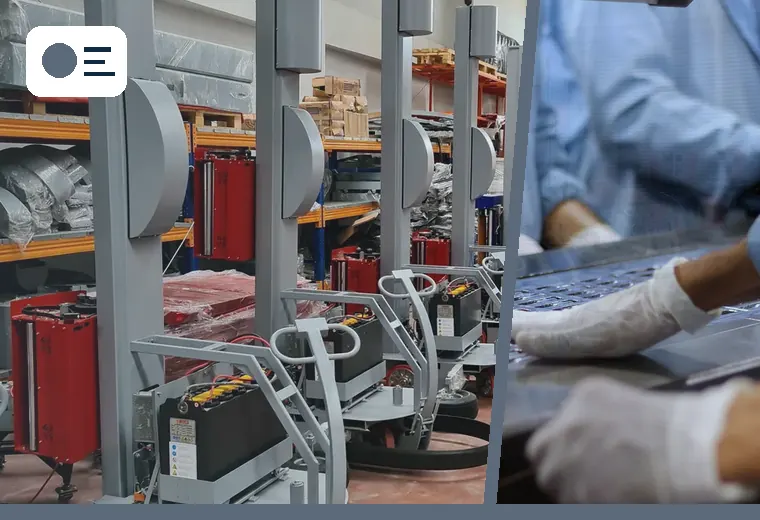 18 answers
Plastic drums
a packaging format where dimensions, material, centre of gravity, opening, closure and contact surfaces affect machine handling for plastic drums. Weight, operator access, safe handling and larger-format dosing or movement must be included.
Open the guide →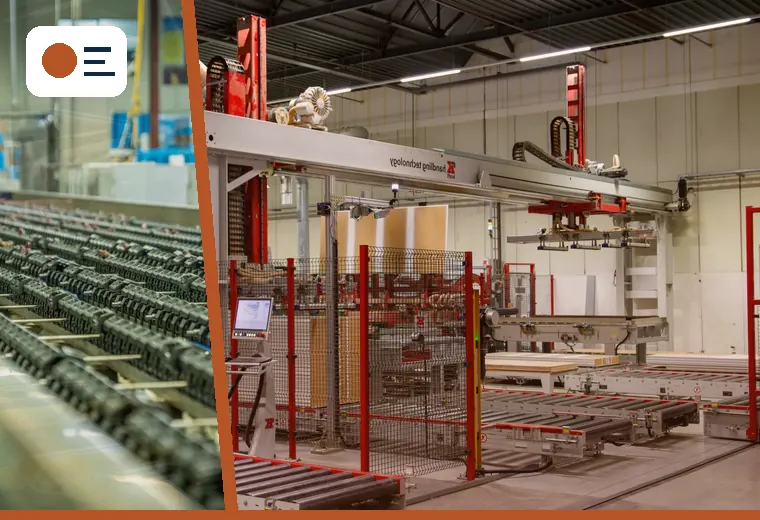 18 answers
Plastic tubs
a packaging format where dimensions, material, centre of gravity, opening, closure and contact surfaces affect machine handling for plastic tubs.
Open the guide →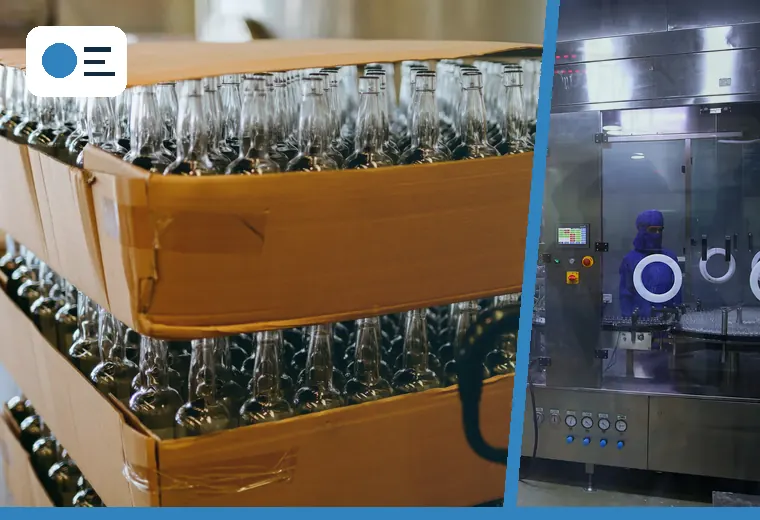 18 answers
Pre-filled syringes
a packaging format where dimensions, material, centre of gravity, opening, closure and contact surfaces affect machine handling for pre-filled syringes. Small dimensions, breakage risk, precise handling and inspection are particularly important.
Open the guide → 18 answers
Premade pouches
flexible packs that must be picked, opened, filled and sealed consistently
Open the guide → 18 answers
Pump bottles
a packaging format where dimensions, material, centre of gravity, opening, closure and contact surfaces affect machine handling for pump bottles.
Open the guide → 18 answers
Retort pouch containers
a packaging format where dimensions, material, centre of gravity, opening, closure and contact surfaces affect machine handling for retort pouch containers. Pack opening, film stiffness, sealing surfaces and support through transfers need to be proven.
Open the guide → 18 answers
Returnable bottle washing
used containers requiring sorting, label removal, washing, rinsing, drying and inspection
Open the guide →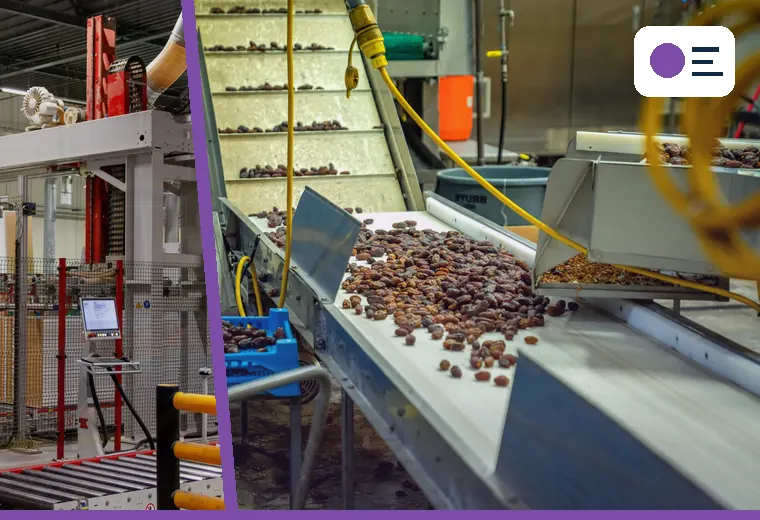 18 answers
Returnable crates
a packaging format where dimensions, material, centre of gravity, opening, closure and contact surfaces affect machine handling for returnable crates. Weight, operator access, safe handling and larger-format dosing or movement must be included.
Open the guide →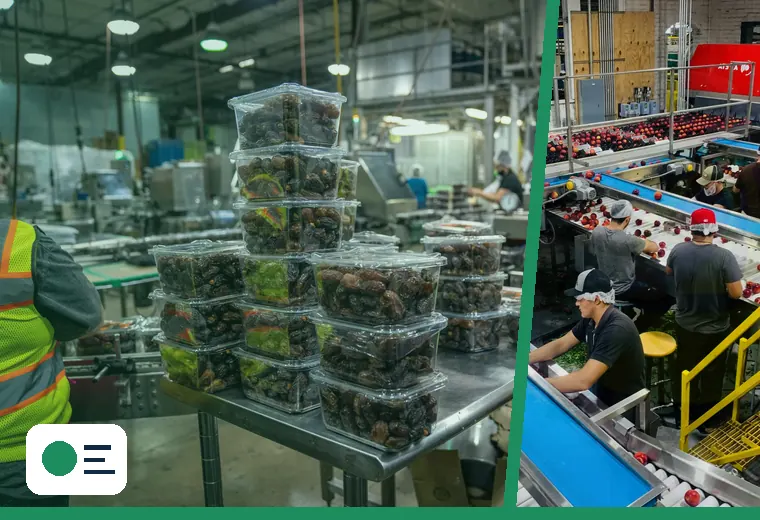 18 answers
Round bottles
cylindrical containers suited to wrap labelling but vulnerable to uncontrolled rotation
Open the guide →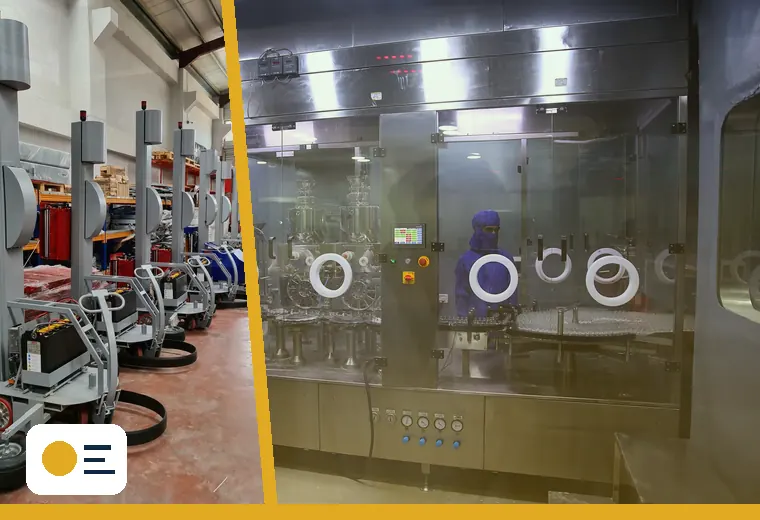 18 answers
Sachets
small single-dose flexible packs with demanding dose and seal control
Open the guide →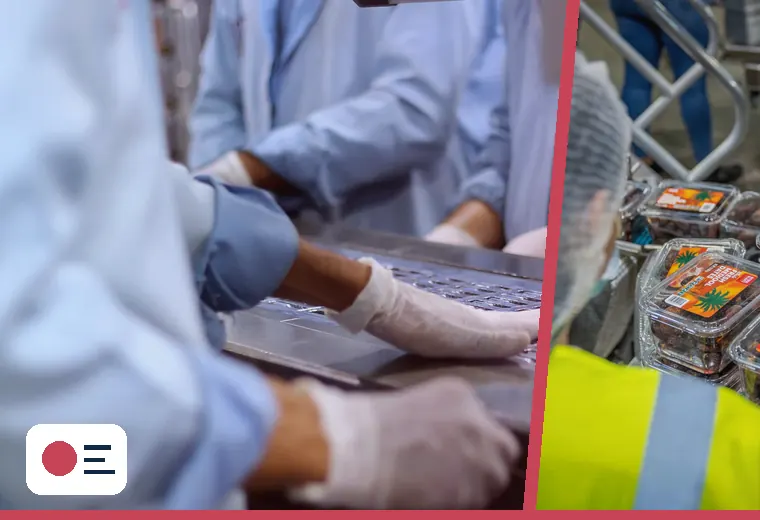 18 answers
Shipping mailers
a packaging format where dimensions, material, centre of gravity, opening, closure and contact surfaces affect machine handling for shipping mailers. Pack opening, film stiffness, sealing surfaces and support through transfers need to be proven.
Open the guide →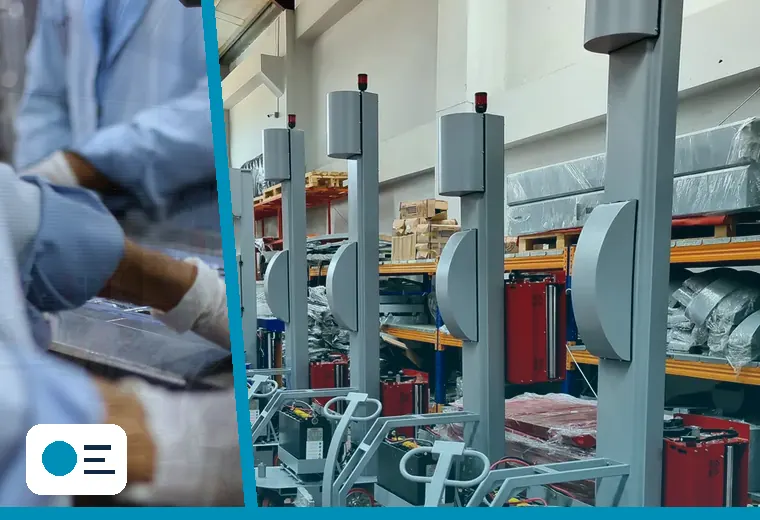 18 answers
Small bottles
a packaging format where dimensions, material, centre of gravity, opening, closure and contact surfaces affect machine handling for small bottles.
Open the guide →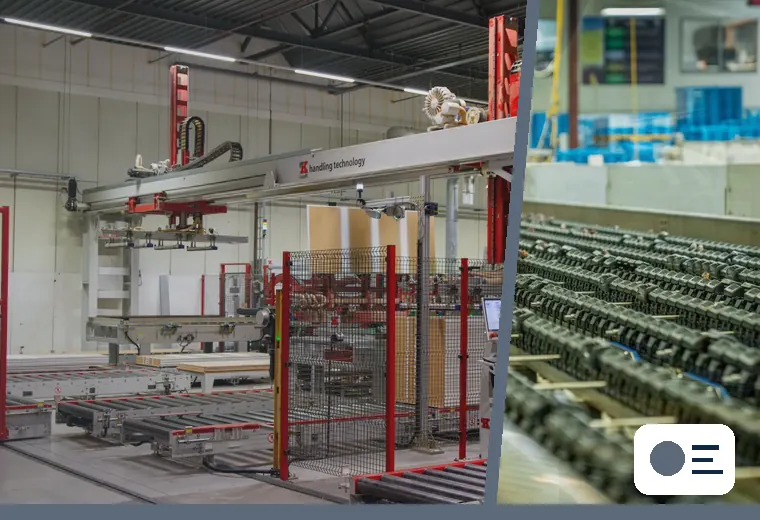 18 answers
Spouted pouches
flexible packs with a rigid spout that may be filled before or after spout insertion
Open the guide →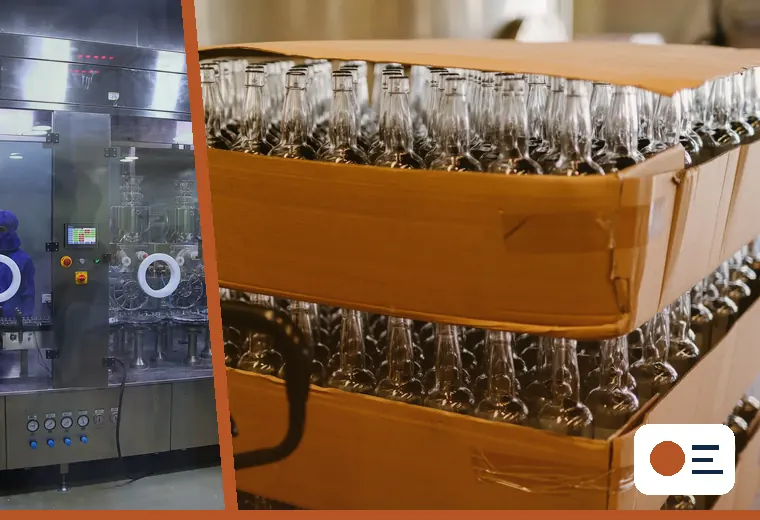 18 answers
Square bottles
flat-sided containers that need stable orientation and controlled corners at transfers
Open the guide →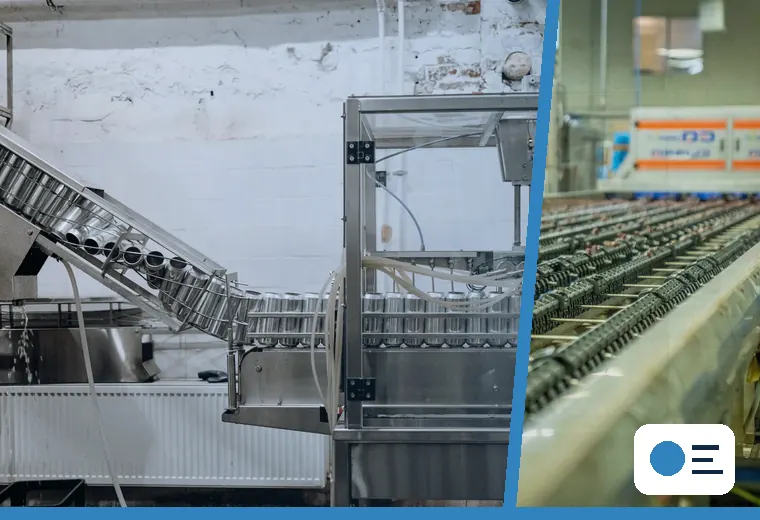 18 answers
Squeeze tubes
a packaging format where dimensions, material, centre of gravity, opening, closure and contact surfaces affect machine handling for squeeze tubes.
Open the guide → 18 answers
Stick sachets
a packaging format where dimensions, material, centre of gravity, opening, closure and contact surfaces affect machine handling for stick sachets.
Open the guide → 18 answers
Three-side-seal sachets
a packaging format where dimensions, material, centre of gravity, opening, closure and contact surfaces affect machine handling for three-side-seal sachets.
Open the guide → 18 answers
Trays
open or lidded formats used to collate, support or protect products
Open the guide → 18 answers
Trays with lidding film
a packaging format where dimensions, material, centre of gravity, opening, closure and contact surfaces affect machine handling for trays with lidding film.
Open the guide →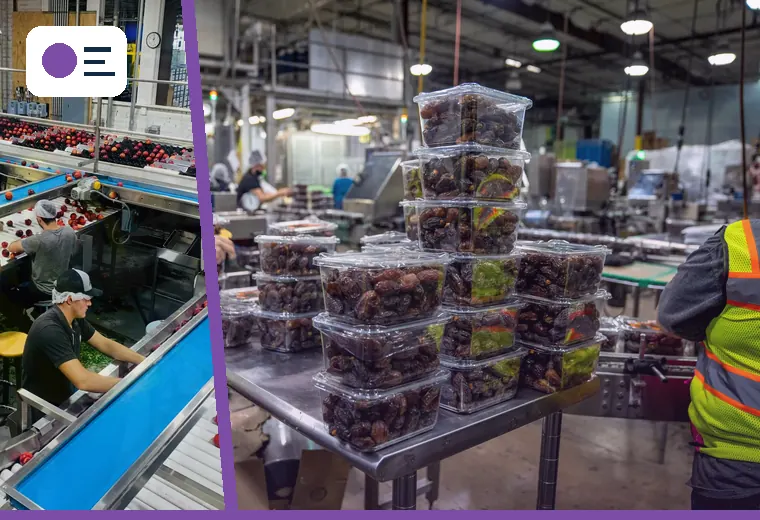 18 answers
Trigger spray bottles
a packaging format where dimensions, material, centre of gravity, opening, closure and contact surfaces affect machine handling for trigger spray bottles.
Open the guide →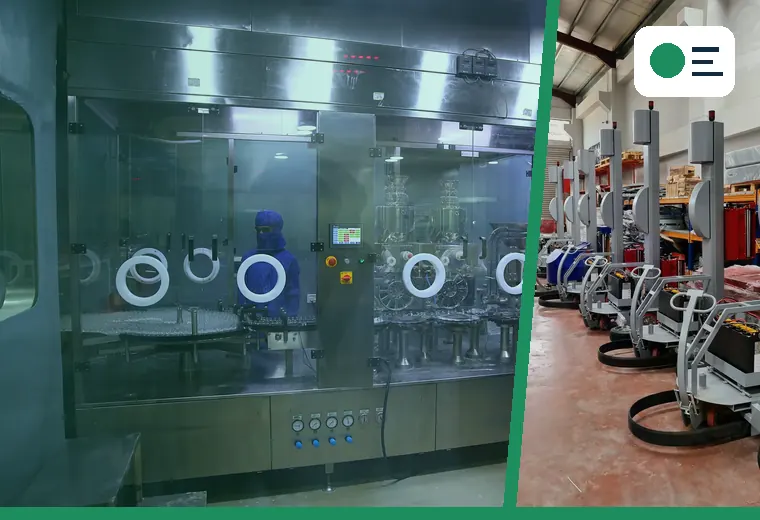 18 answers
Tubes
compressible packs whose orientation, filling and sealing method depend on tube material
Open the guide →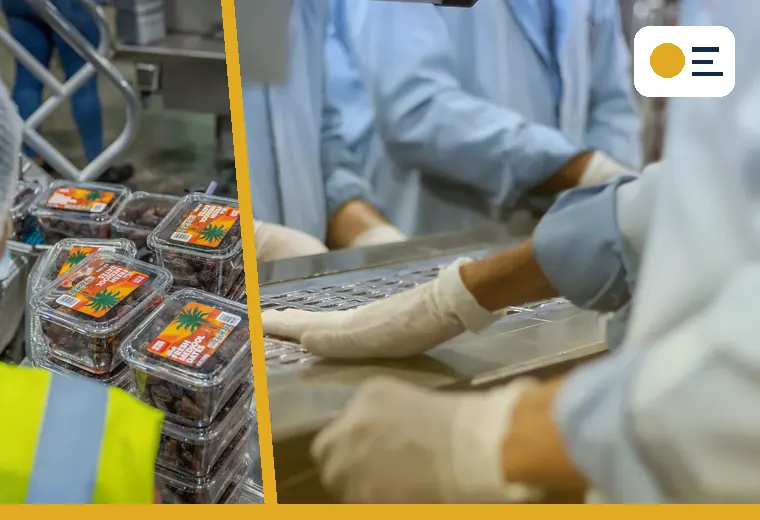 18 answers
Tubs
wide containers that may use snap lids, foil seals or overcaps
Open the guide →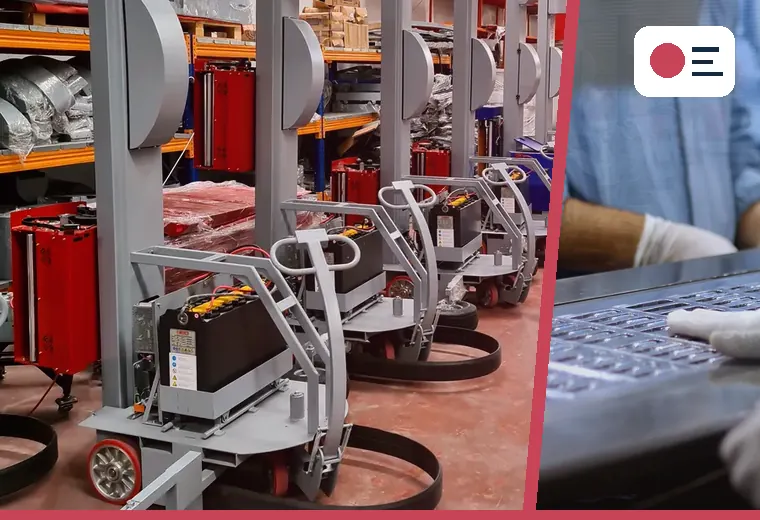 18 answers
Vacuum bags
a packaging format where dimensions, material, centre of gravity, opening, closure and contact surfaces affect machine handling for vacuum bags. Pack opening, film stiffness, sealing surfaces and support through transfers need to be proven.
Open the guide →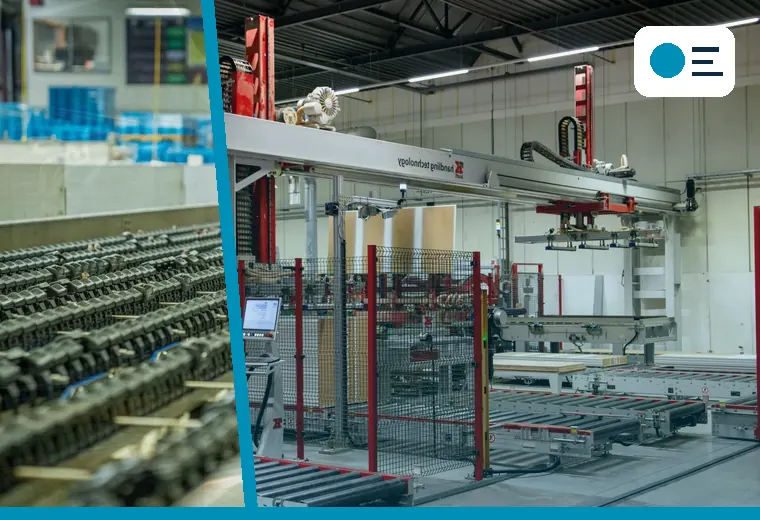 18 answers
Valve bags
a packaging format where dimensions, material, centre of gravity, opening, closure and contact surfaces affect machine handling for valve bags. Pack opening, film stiffness, sealing surfaces and support through transfers need to be proven.
Open the guide →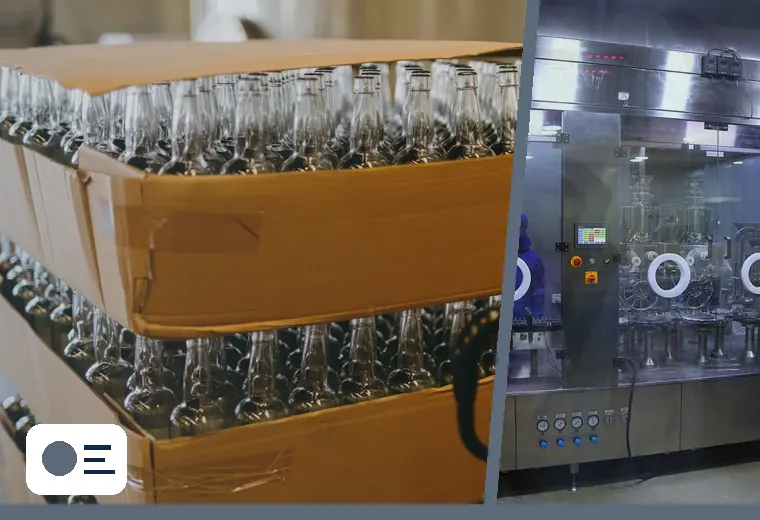 18 answers
Vials
small containers where precise dosing, cleanliness and controlled handling are critical
Open the guide →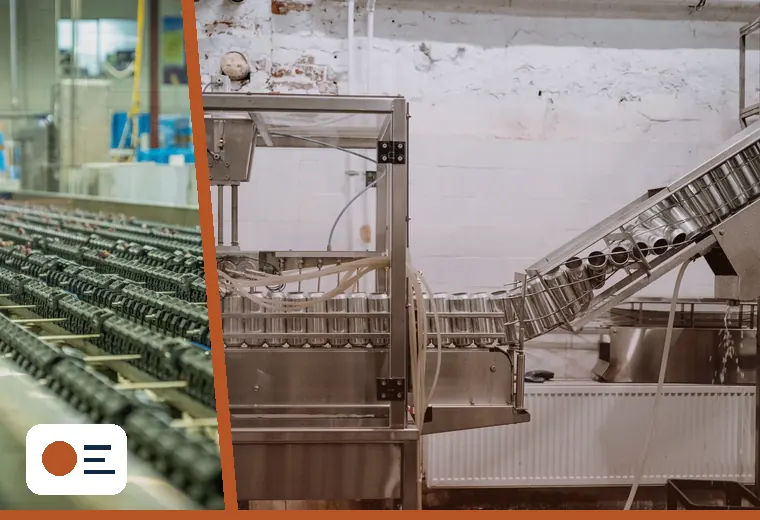 18 answers
Wicket bags
a packaging format where dimensions, material, centre of gravity, opening, closure and contact surfaces affect machine handling for wicket bags. Pack opening, film stiffness, sealing surfaces and support through transfers need to be proven.
Open the guide →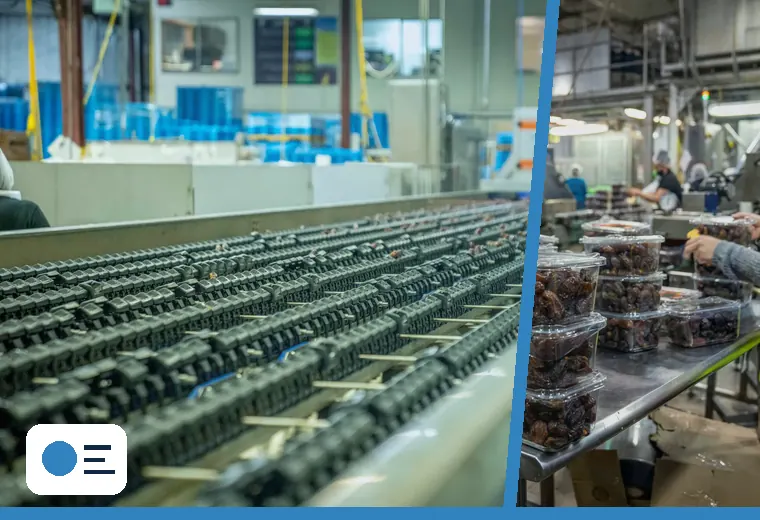 18 answers
Wide-mouth jars
a packaging format where dimensions, material, centre of gravity, opening, closure and contact surfaces affect machine handling for wide-mouth jars.
Open the guide → 18 answers
Woven polypropylene sacks
a packaging format where dimensions, material, centre of gravity, opening, closure and contact surfaces affect machine handling for woven polypropylene sacks. Pack opening, film stiffness, sealing surfaces and support through transfers need to be proven.
Open the guide →Start with the problem you can see
Questions customers also ask
Open a question for a concise answer, then use the detailed guide above for the full production checks.
What is covered in the Containers and pack formats section?
This section contains 60 customer topics and 1,080 detailed answers for find production answers for bottles, jars, tubs, cans, tubes, pouches, sacks, cases, trays and specialist packs.
How should I start diagnosing a pack formats problem?
Begin with the symptom you can measure, record a baseline using representative samples and trace the first point where the process loses control.
What information is needed before comparing pack formats machinery?
Provide real products and packs, dimensions, current and required output, tolerances, utilities, cleaning requirements and the hardest production case.
Why is sustained good output more useful than maximum speed for pack formats?
Sustained good output includes waiting, replenishment, changeovers, short stops and rejects, so it reflects the capacity the customer can actually use.
How are the answers linked to specialist solutions?
Each topic and answer shows a prominent best-matched specialist website selected from the packaging machinery and support network.
Can the guidance replace a machinery trial for pack formats?
No. The guidance helps define the route, but final suitability needs representative samples, a written requirement and measurable acceptance testing.