
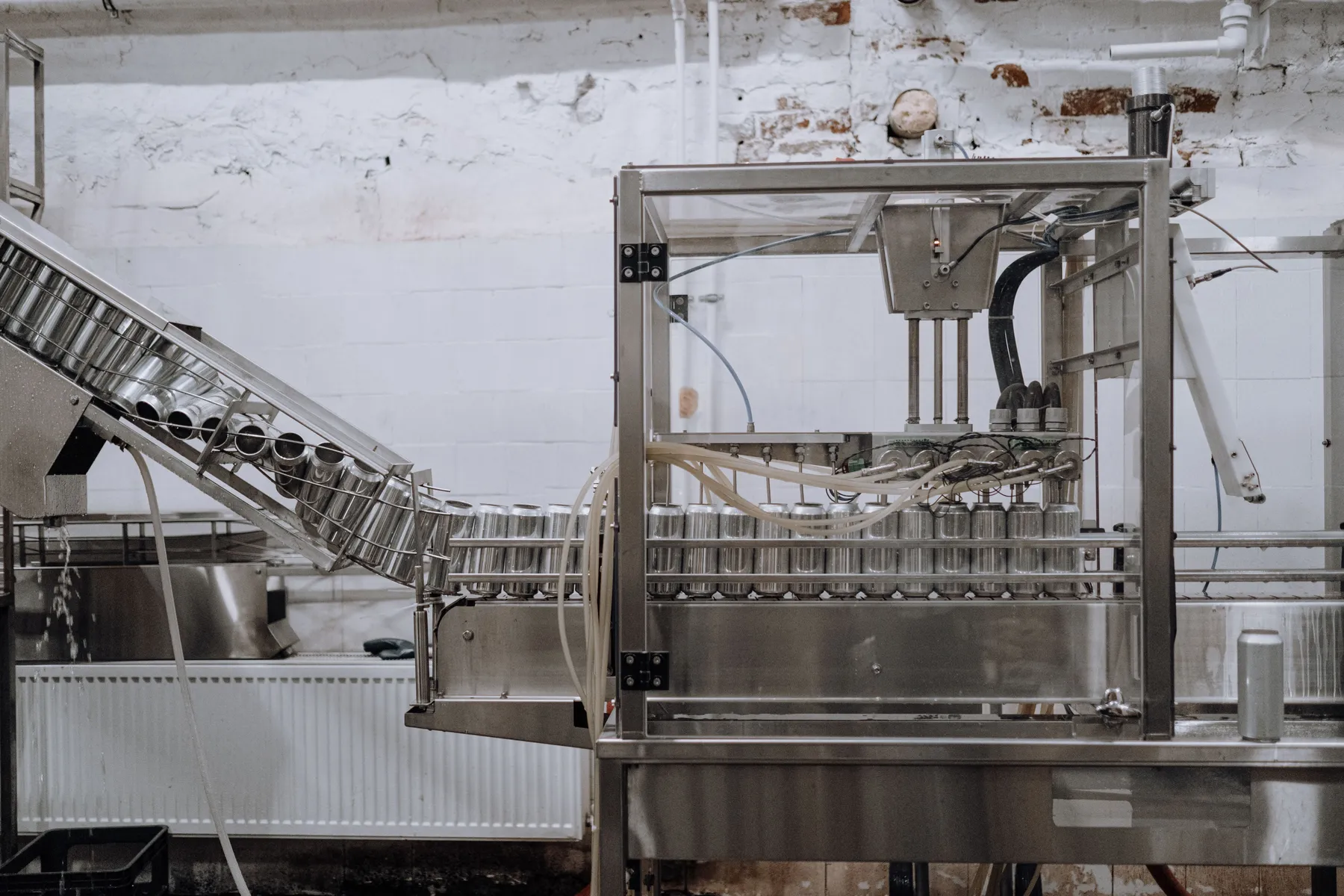
The main point
Choose the measurement and product-moving principle before choosing a model. Thin liquids, viscous pastes, foamy chemicals, powders, pieces and carbonated drinks need different handling.
Filling Machines UK
See the machinery and application options most closely matched to this production question.
1. Characterise the product
Record viscosity and temperature. This should be recorded in the customer requirement so it can be tested rather than assumed.
- Record viscosity and temperature
- Identify foam, stringing, particles, dust, aeration or chemical hazards
- Confirm product-contact and cleaning requirements
2. Define the quantity
State minimum and maximum fill. This should be recorded in the customer requirement so it can be tested rather than assumed.
- State minimum and maximum fill
- Set the tolerance and test method
- Decide whether volume, mass or visual level is the controlling result
3. Define the pack and output
Provide container samples and drawings. This should be recorded in the customer requirement so it can be tested rather than assumed.
- Provide container samples and drawings
- Record neck opening, stability and height range
- Set a sustained good-pack rate including loading and discharge
4. Test the full process
Use representative product. This should be recorded in the customer requirement so it can be tested rather than assumed.
- Use representative product
- Run minimum and maximum formats
- Measure accuracy, drips, foam, cleaning loss and cycle time
Customer comparison table
| Product condition | Common route to evaluate |
|---|---|
| Thin, stable liquid | Gravity, pump, timed-flow, volumetric or level filling |
| Viscous paste or sauce | Positive-displacement or piston filling |
| Fine or cohesive powder | Auger filling |
| Free-flowing pieces or granules | Weigh or combination weighing |
| Carbonated drink | Counter-pressure filling |
Relevant How to Package routes
Use the guide to prepare the requirement, then continue to the specialist routes below.