
Why is application torque inconsistent with disc-top caps?
Practical guidance for disc-top caps: find why weights, levels, positions, torque or finished packs vary during a run.
Direct answer
For disc-top caps, confirm the variation with measured samples before changing settings. Closure performance depends on cap and neck compatibility, presentation, seating, container support and controlled application force or torque. First, take a timed sample and record every result, not only the failures and record application and release torque, leak rate, seating height and closure damage. Make one controlled change at a time so the original cause is not hidden by several new settings.
Variation and repeatability
Take at least 20–50 sequential samples and keep them in production order. Record the mean, range and any drift from the start to the end of the run; a selected sample can hide a developing fault.
Application measure: For closure applications, include cap/neck batch, seating height, application and removal torque or force, cross-threading, liner contact and leaks.
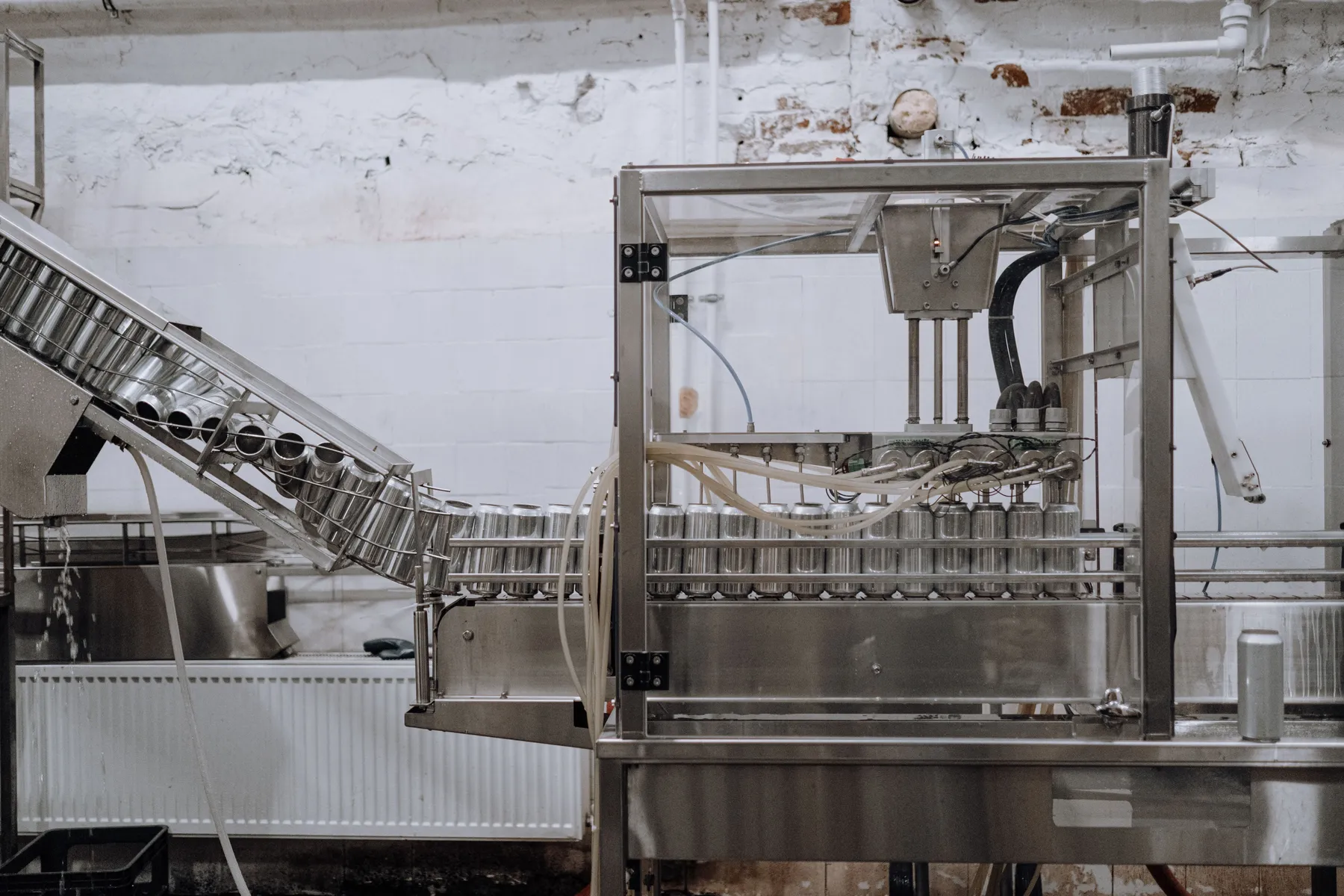
Capping Machines UK
See the machinery and application options most closely matched to this production question.
What usually causes this?
- normal variation in the product or packaging being mistaken for a machine fault
- A change in cap and neck dimensions or liner and sealing surface.
- an unstable feed, reference point or starting condition
- The equipment or handling method not being set for dispensing closures where orientation and finish quality affect presentation.
- wear, slip, air, temperature or build-up changing during the run
Checks to make in order
- Take a timed sample and record every result, not only the failures
- Record application and release torque, leak rate, seating height and closure damage using a representative sample.
- Separate product variation from machine repeatability
- Check cap orientation and seating, application force or torque and container support through the capping head.
- Check the first setting or reference point used by the process
- Compare the beginning, middle and end of the run
- Repeat the test after one controlled adjustment
How to decide the next step
Disc-top caps involves dispensing closures where orientation and finish quality affect presentation. Use the data to decide whether the answer is a setting, packaging change, maintenance action or a different machine principle.
If adjustment and maintenance cannot hold the required result across the complete product and pack range, compare the machinery route against a written acceptance test. The important comparison is sustained good output—not only maximum cycle speed.
What to include in your production brief
Supplying the information below makes it much easier to distinguish a setup problem from a machinery or packaging limitation:
- Loose closures from normal batches
- Container and neck drawings
- Closure drawing and liner details
- Target application or removal result
- Required output
- Orientation and feeding requirement
- Samples that represent disc-top caps
- A short video of the current process and fault
Relevant solution websites
These specialist sites match the production process discussed above. Final suitability should be confirmed with samples, output, site and acceptance information.
Related questions
 Capping and closures
Why do disc-top caps jam in the feeder or capper?
Practical guidance for disc-top caps: trace the first loss of control instead of repeatedly clearing the final jam.
Read the answer → Capping and closures
What information is needed to specify a capper for disc-top caps?
Practical guidance for disc-top caps: capture samples, dimensions, output, acceptance tests and site constraints before buying.
Read the answer → Capping and closures
How do I reduce damaged, missing or rejected disc-top caps?
Practical guidance for disc-top caps: reduce product loss, damaged packs, film waste and avoidable rejects.
Read the answer → Capping and closures
Why is application torque inconsistent with screw caps?
Practical guidance for screw caps: find why weights, levels, positions, torque or finished packs vary during a run.
Read the answer → Capping and closures
Why is application torque inconsistent with pump caps?
Practical guidance for pump caps: find why weights, levels, positions, torque or finished packs vary during a run.
Read the answer → Capping and closures
Why is application torque inconsistent with trigger sprays?
Practical guidance for trigger sprays: find why weights, levels, positions, torque or finished packs vary during a run.
Read the answer →