
How should protective overcaps be sorted and fed automatically?
Practical guidance for protective overcaps: present products, packs, caps or components consistently to the next operation.
Direct answer
For protective overcaps, define the required orientation and delivery interface before changing several settings at once. This is a closure application where presentation, alignment, engagement, application force or torque, liner contact and container support determine performance for protective overcaps. Use representative product and packaging, keep the order of results and identify the first point where the process moves outside the agreed limit. Then make one controlled change, repeat the same test and compare sustained good output rather than a single successful pack.
Starvation, recirculation and damage
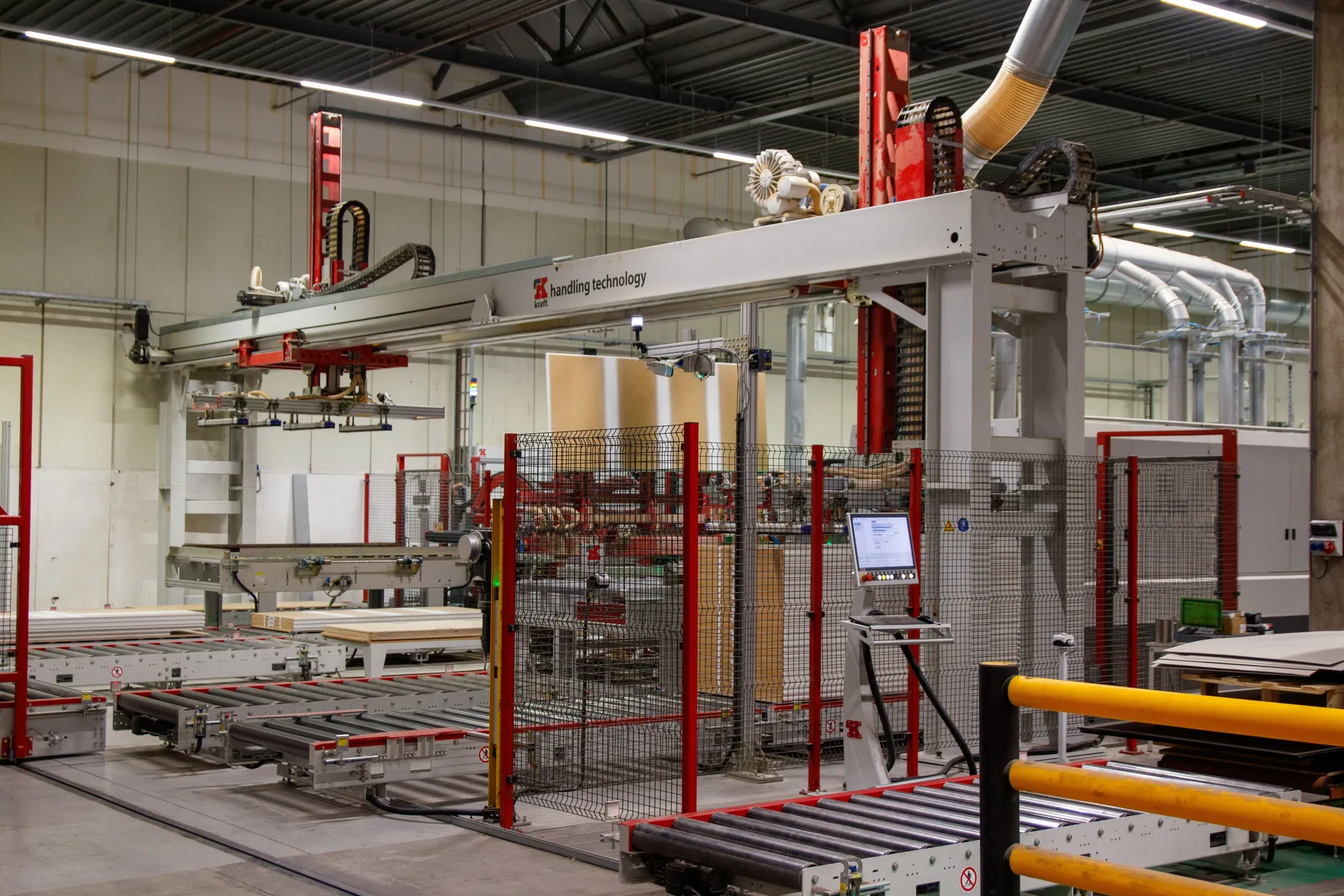
Measure sustained delivered parts per minute, recirculation, jams, damage and downstream starvation. Include production variation and recovery after the downstream machine stops.
Application measure: For closure applications, include cap/neck batch, seating height, application and removal torque or force, cross-threading, liner contact and leaks.
Capping Machines UK
General closure and capping-machine selection.
What usually causes this?
- bulk presentation does not suit the orientation needed by the next operation
- buffer capacity is too small to recover from normal replenishment
- static, tangling, nesting or variable friction affects separation
- the feeder is rated without allowing for rejects and recirculation
- the equipment or method is not configured for a closure application where presentation, alignment, engagement, application force or torque, liner contact and container support determine performance for protective overcaps.
Checks to make in order
- Define the required orientation and delivery interface
- Provide representative production samples
- Measure tangling, nesting, static and friction
- Set sustained output above downstream demand
- Include low-level detection and replenishment
- Test the full chute, buffer and downstream handoff
- Confirm safe bulk loading and jam access
How to decide the next step
Protective overcaps is a closure application where presentation, alignment, engagement, application force or torque, liner contact and container support determine performance for protective overcaps. Use the measurements to decide whether the next action is a material or packaging change, a setting correction, a maintenance task, improved feeding or a different machinery principle.
If the process cannot achieve the required product and pack feeding result across the full product and pack range, compare the best-matched route against a written acceptance test. Include cleaning, changeover, operator work, rejects and recovery from normal stops.
What to include in your production brief
Supplying the information below makes it easier to distinguish a setup problem from a product, packaging, feeding, maintenance or machinery limitation:
- Closure drawing and production samples
- Container neck-finish drawing
- Application and removal requirement
- Liner, wad or tamper feature
- Container height and stability
- Required closures per minute
- Samples that represent protective overcaps
- A short video of the present process and fault
Relevant solution websites
The first route is the primary match for this question. Final suitability must be confirmed with samples, output, site and acceptance information.
Related questions
 Capping and closures
How do storage and temperature affect protective overcaps?
Practical guidance for protective overcaps: understand how the production environment changes product and machine behaviour.
Read the answer → Capping and closures
Why is application force or torque inconsistent with protective overcaps?
Practical guidance for protective overcaps: find why measured results vary during a run.
Read the answer → Capping and closures
Why do protective overcaps jam in the feeder or capper?
Practical guidance for protective overcaps: trace the first loss of control instead of repeatedly clearing the final jam.
Read the answer → Capping and closures
How should pump caps be sorted and fed automatically?
Practical guidance for pump caps: present products, packs, caps or components consistently to the next operation.
Read the answer → Capping and closures
How should push-pull sports caps be sorted and fed automatically?
Practical guidance for push-pull sports caps: present products, packs, caps or components consistently to the next operation.
Read the answer → Capping and closures
How should ROPP caps be sorted and fed automatically?
Practical guidance for ROPP caps: present products, packs, caps or components consistently to the next operation.
Read the answer →