
How do I handle ampoules safely on a production line?
Practical guidance for ampoules: control product, machinery, operator and site hazards through competent assessment.
Direct answer
For ampoules, complete product, process and machinery risk assessments before changing several settings at once. This is a packaging format where dimensions, material, centre of gravity, opening, closure and contact surfaces affect machine handling for ampoules. Small dimensions, breakage risk, precise handling and inspection are particularly important. Use representative product and packaging, keep the order of results and identify the first point where the process moves outside the agreed limit. Then make one controlled change, repeat the same test and compare sustained good output rather than a single successful pack.
Risk-control verification
Stop and isolate before inspection. Record the task, hazard, existing safeguard and required control; output improvement must never rely on bypassing guarding, interlocks or procedures.
Application measure: For container and pack handling, include dimensional variation, base stability, guide contact, scuffing, transfer gaps and damage rate.
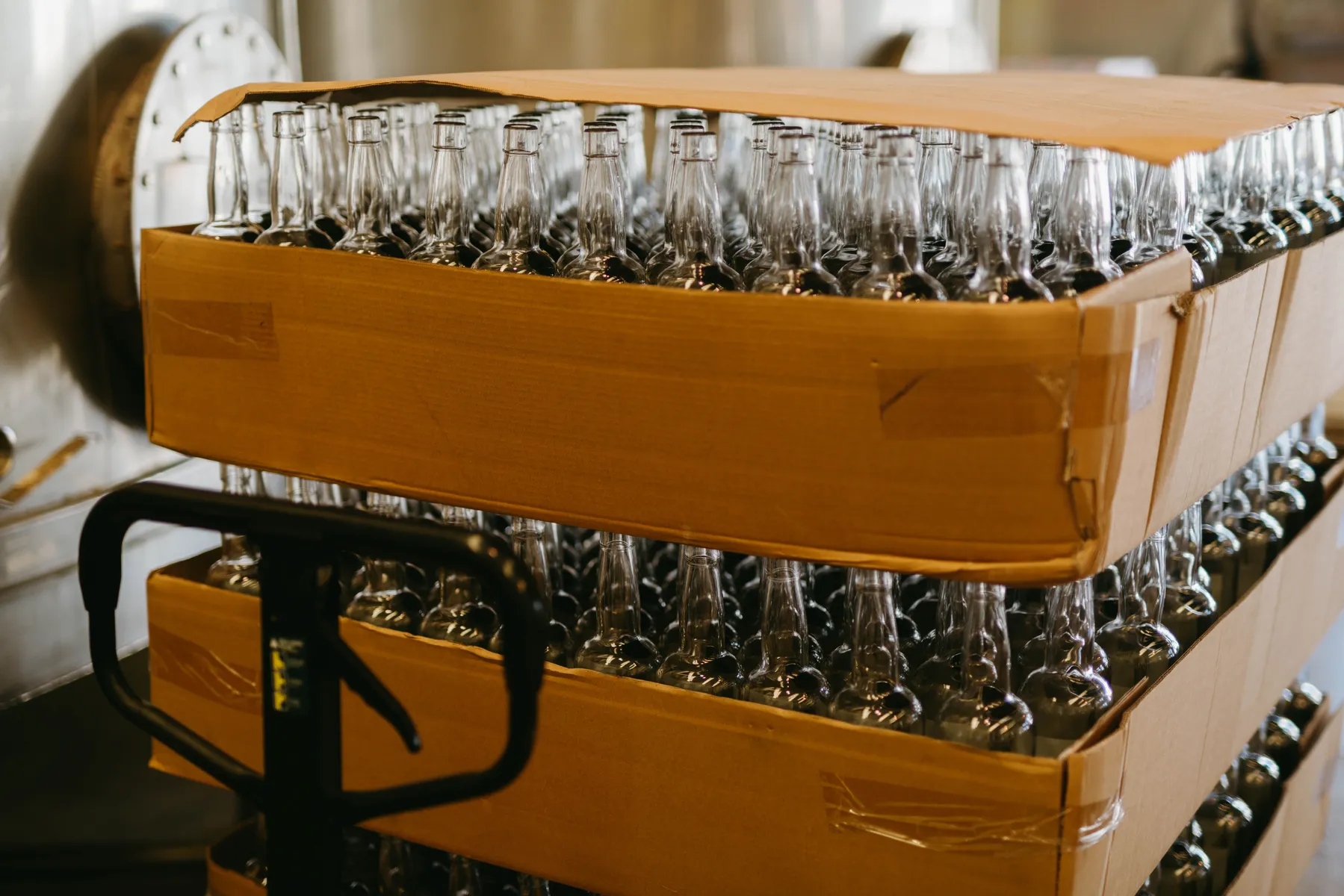
Bottle Filling Machines
Bottle filling for liquid and viscous products.
What usually causes this?
- the product and process hazards have not been assessed together
- access for cleaning or jam clearing bypasses normal safeguards
- stored energy, hot surfaces, pressure or hazardous substances are overlooked
- roles and competence for operation and maintenance are unclear
- the equipment or method is not configured for a packaging format where dimensions, material, centre of gravity, opening, closure and contact surfaces affect machine handling for ampoules. Small dimensions, breakage risk, precise handling and inspection are particularly important.
Checks to make in order
- Complete product, process and machinery risk assessments
- Identify stored energy and hazardous substances
- Review normal operation, cleaning, changeover and fault clearing
- Confirm guarding, interlocks and emergency stops
- Define competent-person tasks
- Provide procedures and training
- Validate safeguards before production
How to decide the next step
Ampoules is a packaging format where dimensions, material, centre of gravity, opening, closure and contact surfaces affect machine handling for ampoules. Small dimensions, breakage risk, precise handling and inspection are particularly important. Use the measurements to decide whether the next action is a material or packaging change, a setting correction, a maintenance task, improved feeding or a different machinery principle.
If the process cannot achieve the required safe production result across the full product and pack range, compare the best-matched route against a written acceptance test. Include cleaning, changeover, operator work, rejects and recovery from normal stops.
What to include in your production brief
Supplying the information below makes it easier to distinguish a setup problem from a product, packaging, feeding, maintenance or machinery limitation:
- Pack drawing and representative samples
- Minimum and maximum dimensions
- Material, wall thickness and stiffness
- Opening, neck or sealing area details
- Required orientation and line direction
- Current and required good output
- Samples that represent ampoules
- A short video of the present process and fault
Relevant solution websites
The first route is the primary match for this question. Final suitability must be confirmed with samples, output, site and acceptance information.
Related questions
 Pack formats
How do I reduce repeated line faults caused by ampoules?
Practical guidance for ampoules: turn recurring faults into controlled inspection, service and replacement actions.
Read the answer → Pack formats
How do I move from hand packing to automatic production for ampoules?
Practical guidance for ampoules: move from manual to semi-automatic and automatic production in sensible stages.
Read the answer → Pack formats
How do I feed empty or unfinished ampoules automatically?
Practical guidance for ampoules: present products, packs, caps or components consistently to the next operation.
Read the answer → Pack formats
How do I handle bag-in-box packs safely on a production line?
Practical guidance for bag-in-box packs: control product, machinery, operator and site hazards through competent assessment.
Read the answer → Pack formats
How do I handle blister packs safely on a production line?
Practical guidance for blister packs: control product, machinery, operator and site hazards through competent assessment.
Read the answer → Pack formats
How do I handle bottle rinsing before filling safely on a production line?
Practical guidance for bottle rinsing before filling: control product, machinery, operator and site hazards through competent assessment.
Read the answer →