
Why are finished packs inconsistent during hot-melt case sealing?
Practical guidance for hot-melt case sealing: find why measured results vary during a run.
Direct answer
For hot-melt case sealing, define the result and tolerance in a measurable unit before changing several settings at once. This is an end-of-line operation where product presentation, grouping, packaging material, timing, inspection and transfer control affect the finished transport pack for hot-melt case sealing. Pack pattern, board or load quality and stable transfers determine sustained output. Use representative product and packaging, keep the order of results and identify the first point where the process moves outside the agreed limit. Then make one controlled change, repeat the same test and compare sustained good output rather than a single successful pack.
Variation and repeatability
Take at least 20–50 sequential samples and keep them in production order. Record the mean, range and any drift from the start to the end of the run; a selected sample can hide a developing fault.
Application measure: For end-of-line packing, include pack pattern, material use, seal or tape quality, heat profile, case stability and transport damage.
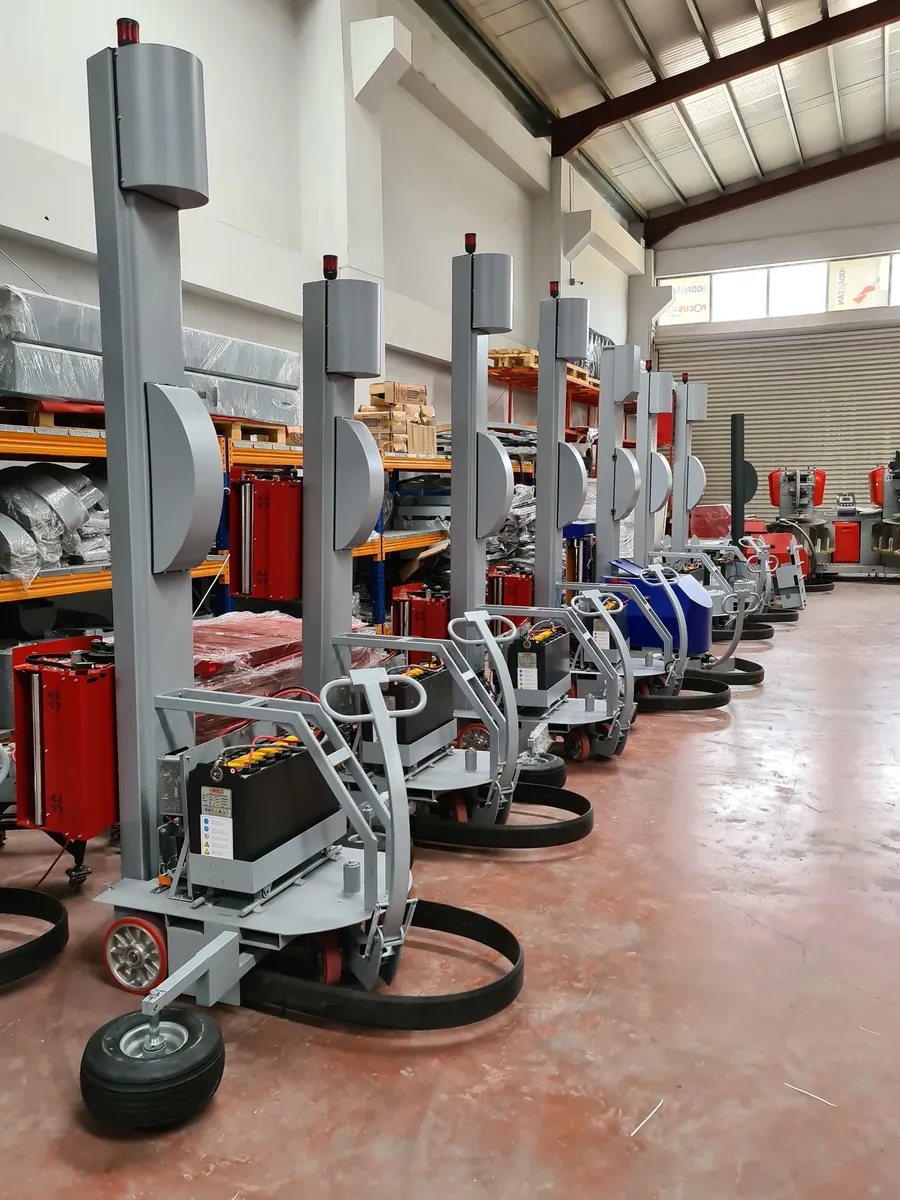
Case Tapers
Automatic case and carton tape sealing.
What usually causes this?
- incoming product or packaging varies outside the assumed range
- the starting reference or recipe is not repeated consistently
- wear, slip, air, build-up or temperature changes during the run
- the sampling method hides the sequence in which variation develops
- the equipment or method is not configured for an end-of-line operation where product presentation, grouping, packaging material, timing, inspection and transfer control affect the finished transport pack for hot-melt case sealing. Pack pattern, board or load quality and stable transfers determine sustained output.
Checks to make in order
- Define the result and tolerance in a measurable unit
- Take a timed baseline sample and keep the sequence
- Compare the start, middle and end of the run
- Separate incoming product or pack variation from machine repeatability
- Inspect the first reference, contact point or control used by the process
- Change one variable at a time
- Repeat the same sample after the adjustment
How to decide the next step
Hot-melt case sealing is an end-of-line operation where product presentation, grouping, packaging material, timing, inspection and transfer control affect the finished transport pack for hot-melt case sealing. Pack pattern, board or load quality and stable transfers determine sustained output. Use the measurements to decide whether the next action is a material or packaging change, a setting correction, a maintenance task, improved feeding or a different machinery principle.
If the process cannot achieve the required inconsistent results result across the full product and pack range, compare the best-matched route against a written acceptance test. Include cleaning, changeover, operator work, rejects and recovery from normal stops.
What to include in your production brief
Supplying the information below makes it easier to distinguish a setup problem from a product, packaging, feeding, maintenance or machinery limitation:
- Product and finished-pack dimensions
- Required grouping or pack pattern
- Film, carton, case or pallet specification
- Required good packs per minute
- Conveyor height, direction and available space
- Transport, stacking and acceptance tests
- Samples that represent hot-melt case sealing
- A short video of the present process and fault
Relevant solution websites
The first route is the primary match for this question. Final suitability must be confirmed with samples, output, site and acceptance information.
Related questions
 End of line
Why is hot-melt case sealing limiting production output?
Practical guidance for hot-melt case sealing: separate true machine speed from waiting, handling, replenishment and short stops.
Read the answer → End of line
How do I reduce material waste and rejects during hot-melt case sealing?
Practical guidance for hot-melt case sealing: reduce product loss, damaged packs, material waste and avoidable rejects.
Read the answer → End of line
How do I change pack sizes quickly during hot-melt case sealing?
Practical guidance for hot-melt case sealing: make product and pack changes repeatable, measurable and easier for operators.
Read the answer → End of line
Why are finished packs inconsistent during induction foil sealing?
Practical guidance for induction foil sealing: find why measured results vary during a run.
Read the answer → End of line
Why are finished packs inconsistent during L-sealing?
Practical guidance for L-sealing: find why measured results vary during a run.
Read the answer → End of line
Why are finished packs inconsistent during label inspection?
Practical guidance for label inspection: find why measured results vary during a run.
Read the answer →