
Which labelling or coding machine is best for batch codes?
Practical guidance for batch codes: match the machine principle to the real product, pack, output and acceptance criteria.
Direct answer
For batch codes, choose the operating principle from the product, pack and required result before comparing model numbers. Reliable identification needs a controlled pack surface, correct label or ink, stable web or print path, accurate triggering and verified finished data. First, list every product and pack format and record position tolerance, adhesion, print readability, scan rate and reject accuracy. Make one controlled change at a time so the original cause is not hidden by several new settings.
Requirement-to-evidence matrix
List each must-have requirement, the measurable pass criterion and the evidence that will prove it. Compare machinery against the matrix rather than feature lists.
Application measure: For labelling and coding, include label position, skew, adhesion, sensor state, print contrast, scan rate and false-reject performance.
Coding Machinery
See the machinery and application options most closely matched to this production question.

What usually causes this?
- buying by headline speed without including handling and changeover
- A change in pack surface and presentation or label, liner, adhesive or ink.
- assuming one machine will cover formats outside its practical range
- The equipment or handling method not being set for variable identifiers used to connect packs to a production batch.
- not defining accuracy, torque, position, seal or code acceptance
Checks to make in order
- List every product and pack format
- Record position tolerance, adhesion, print readability, scan rate and reject accuracy using a representative sample.
- Define sustained good output and measurable tolerances
- Check sensor and trigger position, web tension or print-head distance and wipe-down, rotation and code verification.
- Identify the hardest product, smallest pack and largest pack
- Confirm utilities, space, access and cleaning needs
- Witness a test using representative samples
How to decide the next step
Batch codes involves variable identifiers used to connect packs to a production batch. Use a written requirement and sample trial to compare complete production routes, not isolated catalogue specifications.
If adjustment and maintenance cannot hold the required result across the complete product and pack range, compare the machinery route against a written acceptance test. The important comparison is sustained good output—not only maximum cycle speed.
What to include in your production brief
Supplying the information below makes it much easier to distinguish a setup problem from a machinery or packaging limitation:
- Pack samples
- Label reel or print substrate
- Label size, gap and reel direction
- Required code or artwork
- Position tolerance
- Line speed and data interface
- Samples that represent batch codes
- A short video of the current process and fault
Relevant solution websites
These specialist sites match the production process discussed above. Final suitability should be confirmed with samples, output, site and acceptance information.
Related questions
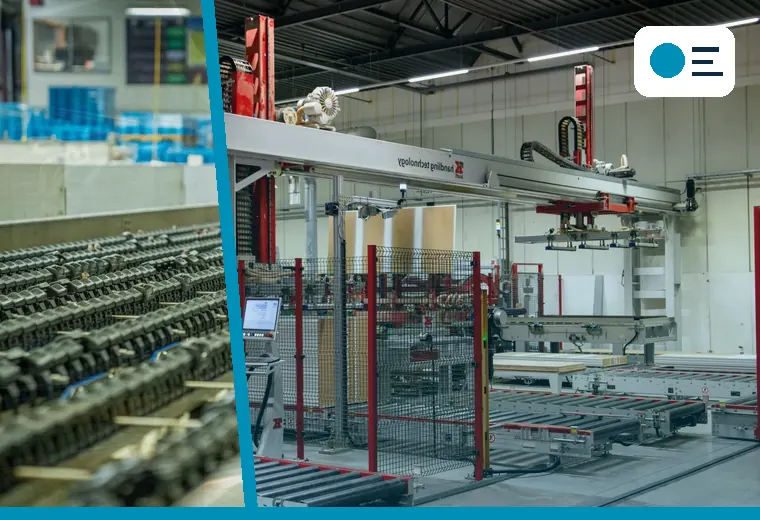 Labels and coding
How should I inspect and verify batch codes?
Practical guidance for batch codes: define what a good pack is and how defects will be detected and handled.
Read the answer →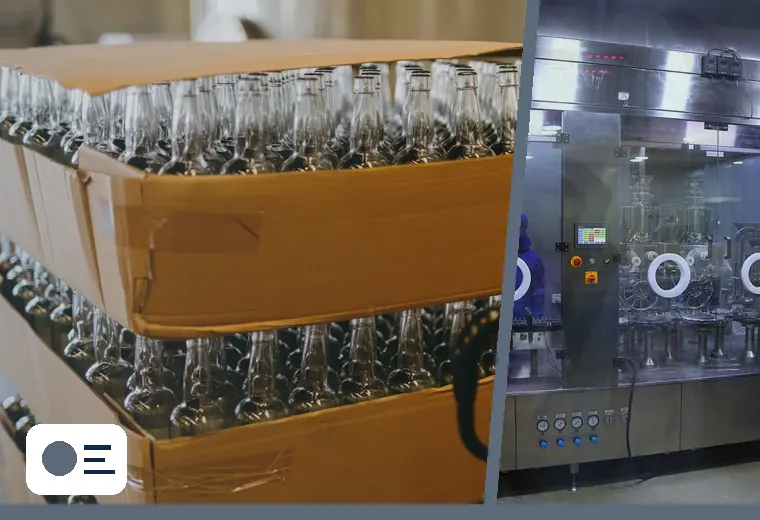 Labels and coding
How do I check material and surface compatibility for batch codes?
Practical guidance for batch codes: check materials, seals, adhesives, films, closures and product-contact parts.
Read the answer →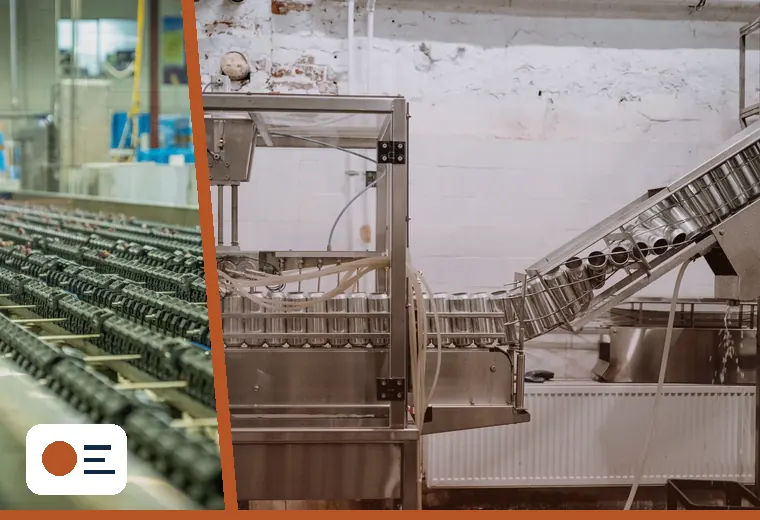 Labels and coding
How do I operate equipment for batch codes safely?
Practical guidance for batch codes: control product, machinery, operator and site hazards through competent assessment.
Read the answer →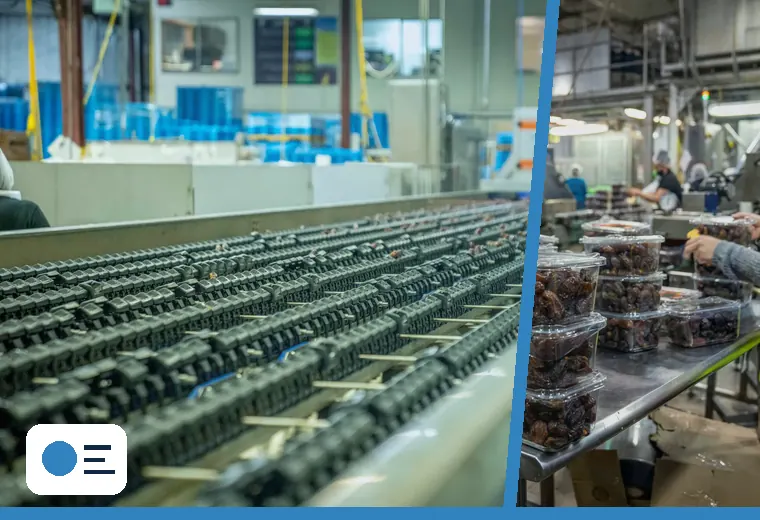 Labels and coding
Which labelling or coding machine is best for round-bottle labels?
Practical guidance for round-bottle labels: match the machine principle to the real product, pack, output and acceptance criteria.
Read the answer → Labels and coding
Which labelling or coding machine is best for front and back labels?
Practical guidance for front and back labels: match the machine principle to the real product, pack, output and acceptance criteria.
Read the answer → Labels and coding
Which labelling or coding machine is best for full wrap labels?
Practical guidance for full wrap labels: match the machine principle to the real product, pack, output and acceptance criteria.
Read the answer →