
What information is needed to specify a filler for foamy liquids?
Practical guidance for foamy liquids: capture samples, dimensions, output, acceptance tests and site constraints before buying.
Direct answer
For foamy liquids, write the requirement around the real product, pack, output and acceptance test. The result depends on product behaviour, supply conditions, dosing principle, nozzle design and container control. First, build a product-and-pack matrix and record measured fill weight or volume, cycle time and finished-pack leakage. Make one controlled change at a time so the original cause is not hidden by several new settings.
User requirement and acceptance test
State the product, pack, range, good output, quality limits, utilities, cleaning, changeover, safety and test duration. Every important requirement needs a measurable acceptance method.
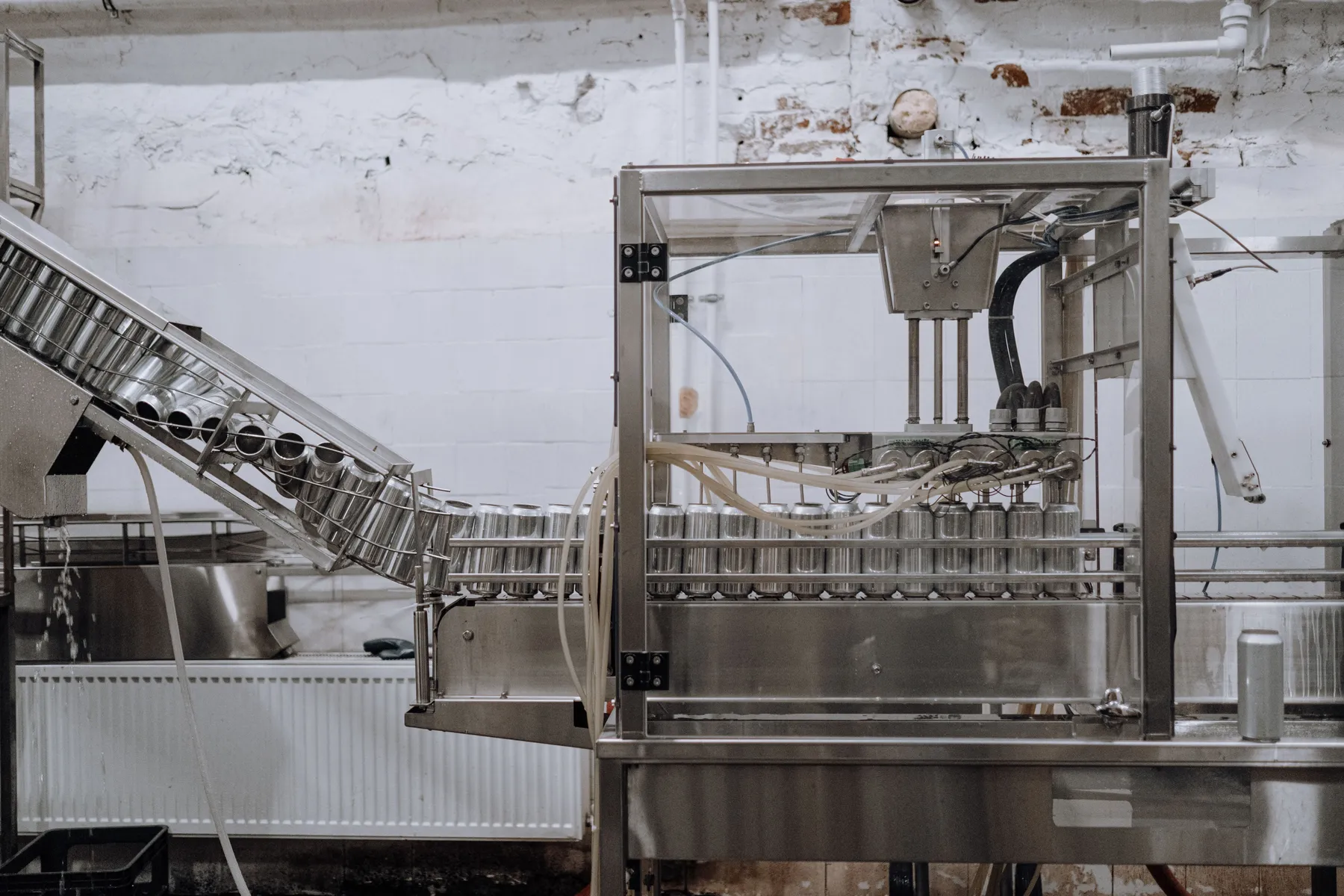
Application measure: For filling applications, include fill mass or volume, product temperature, viscosity, supply level or pressure, nozzle condition and finished-pack leakage.
Liquid Fillers
See the machinery and application options most closely matched to this production question.
What usually causes this?
- key samples or format extremes being supplied after design is fixed
- A change in product temperature and viscosity or product supply pressure or level.
- requirements described as “accurate” or “fast” without numbers
- The equipment or handling method not being set for products that trap air or form a head of foam when they are pumped or dropped into a container.
- site access, utilities or cleaning needs being discovered late
Checks to make in order
- Build a product-and-pack matrix
- Record measured fill weight or volume, cycle time and finished-pack leakage using a representative sample.
- State sustained good output and measurable tolerances
- Check dosing chamber, pump or valve condition, nozzle position and shut-off and container location beneath the fill point.
- supply representative products, packs and components
- include room, access, utilities and control interfaces
- agree factory and site acceptance tests before order
How to decide the next step
Foamy liquids involves products that trap air or form a head of foam when they are pumped or dropped into a container. A clear user requirement reduces quotation ambiguity, change costs and the risk of buying the wrong production method.
If adjustment and maintenance cannot hold the required result across the complete product and pack range, compare the machinery route against a written acceptance test. The important comparison is sustained good output—not only maximum cycle speed.
What to include in your production brief
Supplying the information below makes it much easier to distinguish a setup problem from a machinery or packaging limitation:
- Product formulation or safety data
- Normal filling temperature
- Minimum and maximum dose
- Acceptable fill tolerance
- Container and neck dimensions
- Required good packs per hour
- Samples that represent foamy liquids
- A short video of the current process and fault
Relevant solution websites
These specialist sites match the production process discussed above. Final suitability should be confirmed with samples, output, site and acceptance information.
Related questions
 Liquid filling
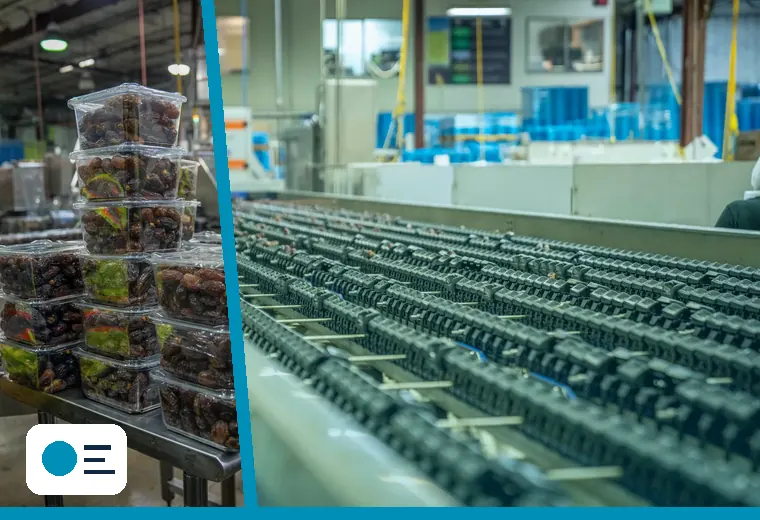
Why is filling foamy liquids too slow?
Practical guidance for foamy liquids: separate true machine speed from waiting, handling, replenishment and short stops.
Read the answer →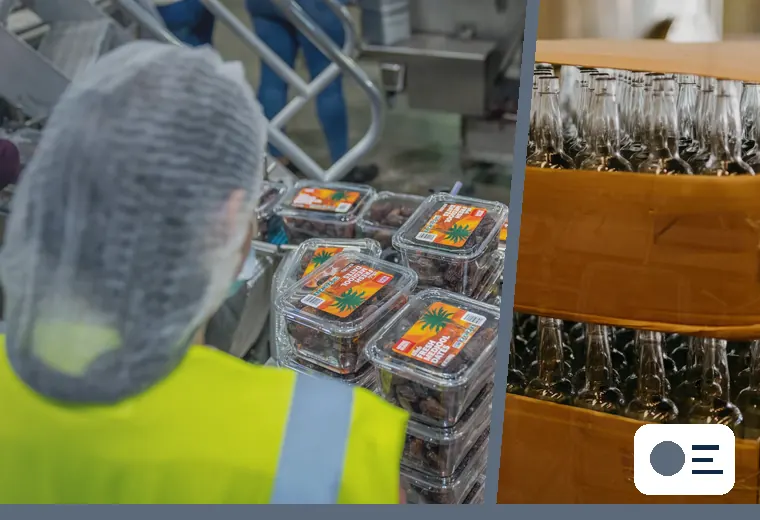 Liquid filling
How do temperature and room conditions affect filling foamy liquids?
Practical guidance for foamy liquids: understand how the production environment changes product and machine behaviour.
Read the answer →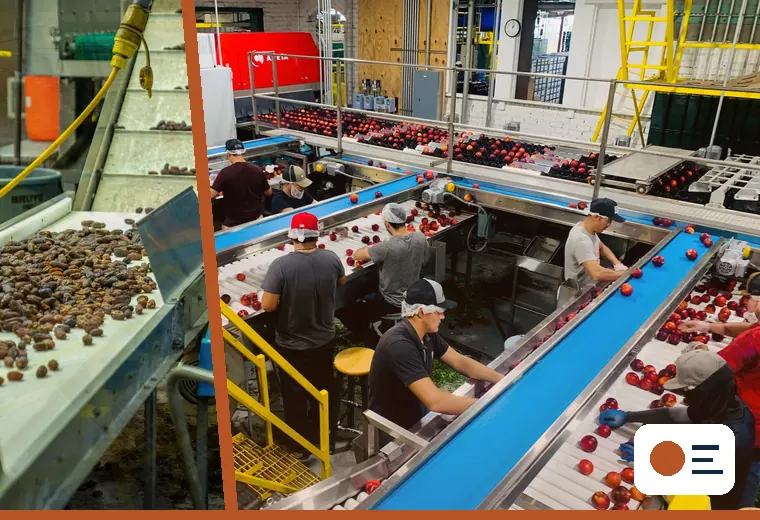 Liquid filling
Why do nozzles or valves block when filling foamy liquids?
Practical guidance for foamy liquids: trace the first loss of control instead of repeatedly clearing the final jam.
Read the answer → Liquid filling
What information is needed to specify a filler for thin free-flowing liquids?
Practical guidance for thin free-flowing liquids: capture samples, dimensions, output, acceptance tests and site constraints before buying.
Read the answer → Liquid filling
What information is needed to specify a filler for viscous liquids?
Practical guidance for viscous liquids: capture samples, dimensions, output, acceptance tests and site constraints before buying.
Read the answer → Liquid filling
What information is needed to specify a filler for carbonated drinks?
Practical guidance for carbonated drinks: capture samples, dimensions, output, acceptance tests and site constraints before buying.
Read the answer →