
Which filling or weighing machine is best for pesticide powders?
Practical guidance for pesticide powders: match the machine principle to the real product, pack, output and acceptance criteria.
Direct answer
For pesticide powders, write the production result before naming a machine before changing several settings at once. This is a dry-product application where bulk density, flow behaviour, dust, fragility, segregation and replenishment affect accurate dosing for pesticide powders. Dust containment, hopper flow and bulk-density variation are central to repeatability. Use representative product and packaging, keep the order of results and identify the first point where the process moves outside the agreed limit. Then make one controlled change, repeat the same test and compare sustained good output rather than a single successful pack.
Requirement-to-evidence matrix
List each must-have requirement, the measurable pass criterion and the evidence that will prove it. Compare machinery against the matrix rather than feature lists.
Application measure: For powders and pieces, include net-weight distribution, bulk density, hopper level, dust, bridging, segregation and product damage.
Auger Fillers
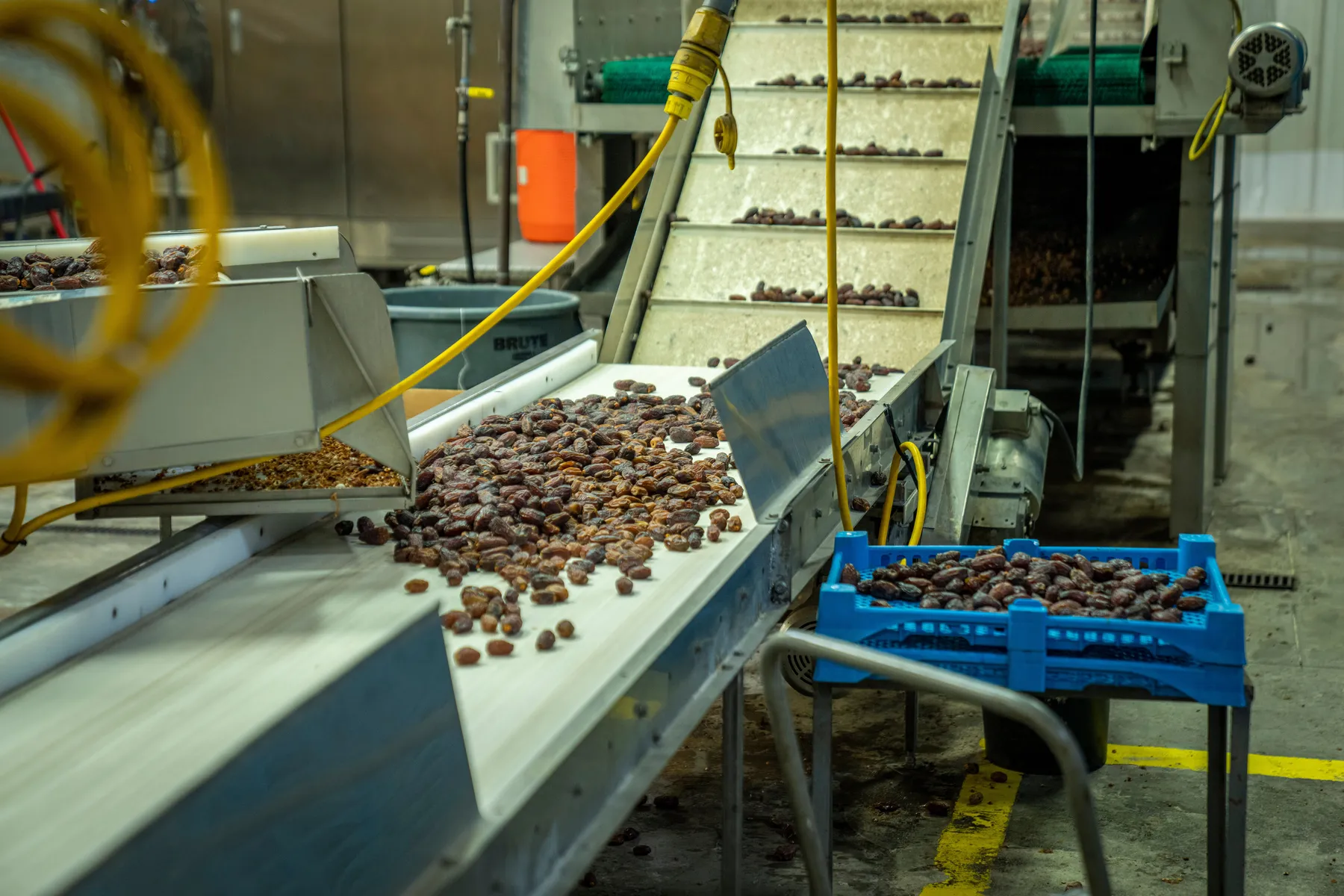
Auger dosing for fine, dusty and non-free-flowing powders.
What usually causes this?
- equipment is compared by headline speed rather than sustained good output
- the hardest product or pack is not included in trials
- cleaning, changeover and operator handling are excluded from the comparison
- the acceptance test is not agreed before purchase
- the equipment or method is not configured for a dry-product application where bulk density, flow behaviour, dust, fragility, segregation and replenishment affect accurate dosing for pesticide powders. Dust containment, hopper flow and bulk-density variation are central to repeatability.
Checks to make in order
- Write the production result before naming a machine
- Define minimum and maximum products and packs
- Set sustained output and quality tolerances
- Include cleaning, changeover and operator work
- Trial the hardest real samples
- Compare support, spares, guarding and utilities
- Agree a factory and site acceptance test
How to decide the next step
Pesticide powders is a dry-product application where bulk density, flow behaviour, dust, fragility, segregation and replenishment affect accurate dosing for pesticide powders. Dust containment, hopper flow and bulk-density variation are central to repeatability. Use the measurements to decide whether the next action is a material or packaging change, a setting correction, a maintenance task, improved feeding or a different machinery principle.
If the process cannot achieve the required choosing machinery result across the full product and pack range, compare the best-matched route against a written acceptance test. Include cleaning, changeover, operator work, rejects and recovery from normal stops.
What to include in your production brief
Supplying the information below makes it easier to distinguish a setup problem from a product, packaging, feeding, maintenance or machinery limitation:
- Product name and representative sample
- Target and tolerance by weight
- Bulk density and normal variation
- Particle size and largest inclusion
- Dust, bridging, static and fragility behaviour
- Pack size range and required output
- Samples that represent pesticide powders
- A short video of the present process and fault
Relevant solution websites
The first route is the primary match for this question. Final suitability must be confirmed with samples, output, site and acceptance information.
Related questions
 Powder and piece filling
How do I automate weighing, filling and sealing for pesticide powders?
Practical guidance for pesticide powders: automate the limiting operation without creating a new bottleneck.
Read the answer → Powder and piece filling
How do I handle and pack pesticide powders safely?
Practical guidance for pesticide powders: control product, machinery, operator and site hazards through competent assessment.
Read the answer → Powder and piece filling
How do I connect a pesticide powders filler to pouch or bag machinery?
Practical guidance for pesticide powders: coordinate product flow, controls, accumulation, guarding and restart behaviour.
Read the answer → Powder and piece filling
Which filling or weighing machine is best for pet food pieces?
Practical guidance for pet food pieces: match the machine principle to the real product, pack, output and acceptance criteria.
Read the answer → Powder and piece filling
Which filling or weighing machine is best for pet supplements?
Practical guidance for pet supplements: match the machine principle to the real product, pack, output and acceptance criteria.
Read the answer → Powder and piece filling
Which filling or weighing machine is best for pharmaceutical powders?
Practical guidance for pharmaceutical powders: match the machine principle to the real product, pack, output and acceptance criteria.
Read the answer →