
How do I prevent segregation, compaction or damage when packing seeds and grains?
Practical guidance for seeds and grains: improve appearance, seal, closure, code, dose and transport performance.
Direct answer
For seeds and grains, define the finished-pack result and trace each defect back to the first process variable that changed. Reliable dosing depends on flow behaviour, bulk density, aeration, particle size, feeder control and the product drop into the pack. First, keep labelled samples of acceptable and unacceptable packs and record net weight distribution, giveaway, dust release, breakage and sustained packs per minute. Make one controlled change at a time so the original cause is not hidden by several new settings.
Defect distribution
Create a small defect code set and count each type by time, product and packaging batch. A total reject percentage alone does not identify the corrective action.
Application measure: For powders and pieces, include net-weight distribution, bulk density, hopper level, dust, bridging, segregation and product damage.
Powder Fillers
See the machinery and application options most closely matched to this production question.
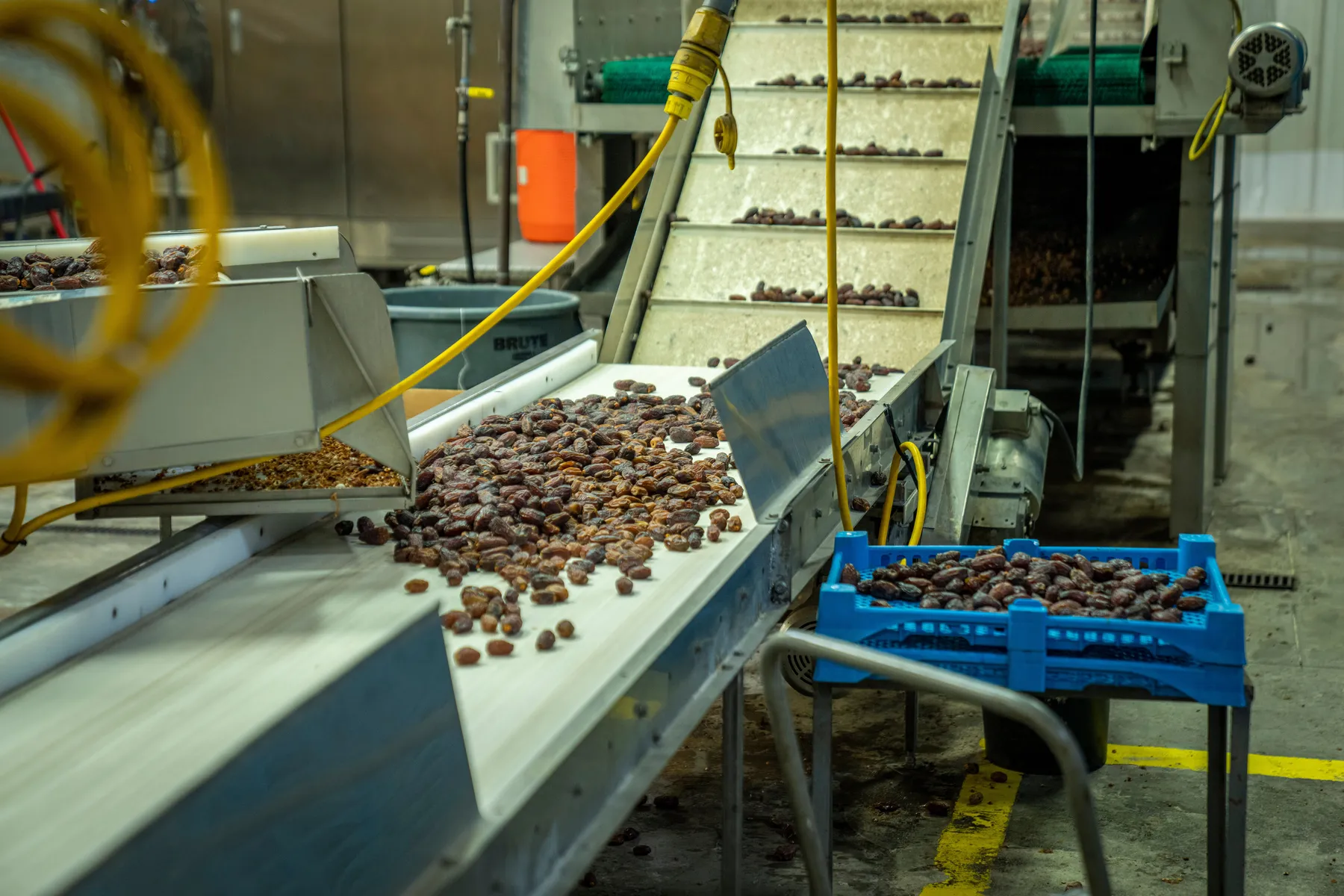
What usually causes this?
- packaging dimensions, surface or material varying between batches
- A change in bulk density and aeration or hopper geometry and agitation.
- product temperature, viscosity, dust or moisture changing during the run
- The equipment or handling method not being set for free-flowing but varied agricultural pieces that need gentle handling.
- incorrect setup being compensated for by excessive force, heat or speed reduction
Checks to make in order
- Keep labelled samples of acceptable and unacceptable packs
- Record net weight distribution, giveaway, dust release, breakage and sustained packs per minute using a representative sample.
- Record product and packaging batch details
- Check auger, vibratory or weigh-feeder setup, drop height and dust containment and pack support and product settling.
- Check the pack immediately after each process stage
- Change one variable at a time
- Repeat storage, transport or cooling checks where relevant
How to decide the next step
Seeds and grains involves free-flowing but varied agricultural pieces that need gentle handling. Specify measurable acceptance limits and validate the whole pack, not only the machine cycle.
If adjustment and maintenance cannot hold the required result across the complete product and pack range, compare the machinery route against a written acceptance test. The important comparison is sustained good output—not only maximum cycle speed.
What to include in your production brief
Supplying the information below makes it much easier to distinguish a setup problem from a machinery or packaging limitation:
- Representative product sample
- Bulk density range
- Particle or piece size
- Target weight and tolerance
- Pack dimensions and opening
- Dust, hygiene and cleaning requirement
- Samples that represent seeds and grains
- A short video of the current process and fault
Relevant solution websites
These specialist sites match the production process discussed above. Final suitability should be confirmed with samples, output, site and acceptance information.
Related questions
 Powder and piece filling
How do humidity, static and temperature affect packing seeds and grains?
Practical guidance for seeds and grains: understand how the production environment changes product and machine behaviour.
Read the answer → Powder and piece filling
How do I move from hand weighing to automatic packing of seeds and grains?
Practical guidance for seeds and grains: move from manual to semi-automatic and automatic production in sensible stages.
Read the answer → Powder and piece filling
What information is needed to specify equipment for seeds and grains?
Practical guidance for seeds and grains: capture samples, dimensions, output, acceptance tests and site constraints before buying.
Read the answer → Powder and piece filling
How do I prevent segregation, compaction or damage when packing fine powders?
Practical guidance for fine powders: improve appearance, seal, closure, code, dose and transport performance.
Read the answer → Powder and piece filling
How do I prevent segregation, compaction or damage when packing dusty powders?
Practical guidance for dusty powders: improve appearance, seal, closure, code, dose and transport performance.
Read the answer → Powder and piece filling
How do I prevent segregation, compaction or damage when packing cohesive powders?
Practical guidance for cohesive powders: improve appearance, seal, closure, code, dose and transport performance.
Read the answer →