
 Industries
How do I find and remove bottlenecks in bottled water production?
Practical guidance for bottled water production: trace the first loss of control instead of repeatedly clearing the final jam.
Read the answer →Customer-focused answers for food, drink, health, chemical, industrial, packing and logistics operations. Find the product, pack or process closest to your application and then choose the fault you can see.
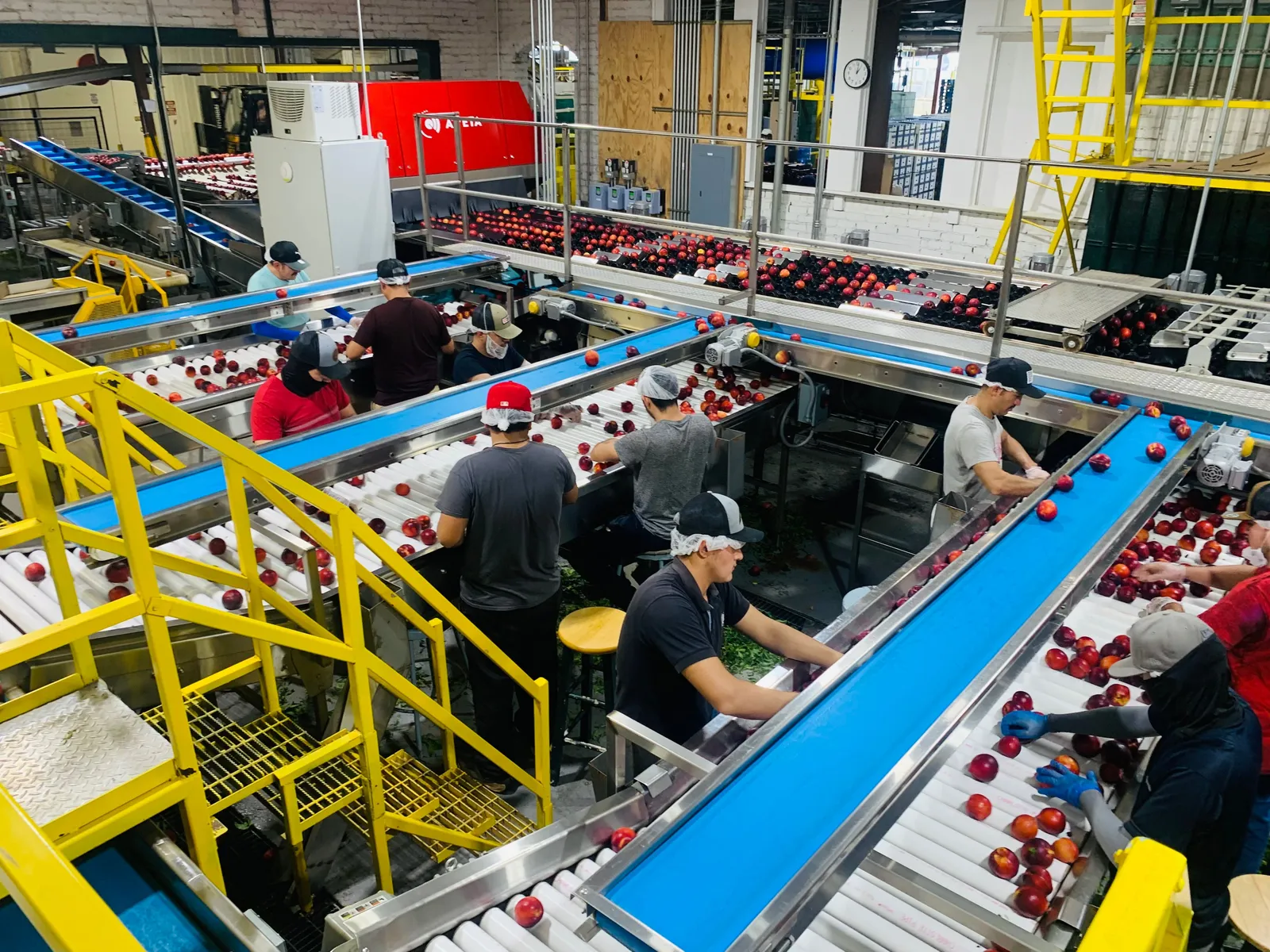
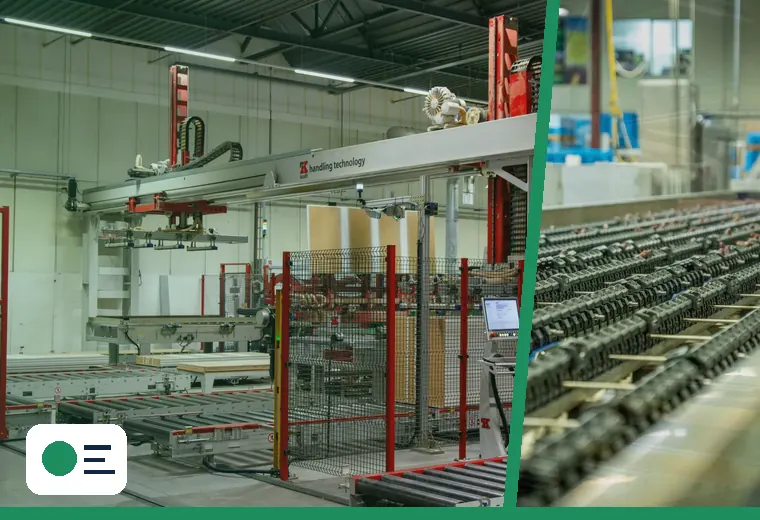
The best production route depends on the industry’s products, pack formats, hygiene or safety controls, changeover pattern and commercial output.
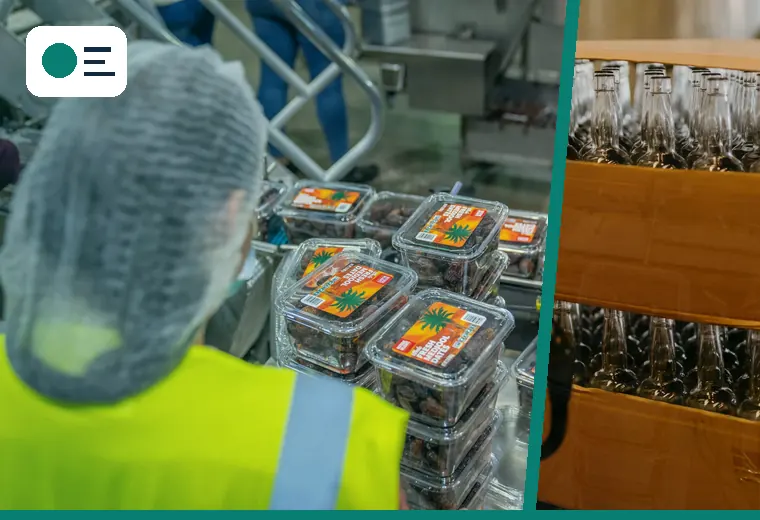
Still water in pet or glass bottles with hygiene, fill-level and closure requirements.
Open guide →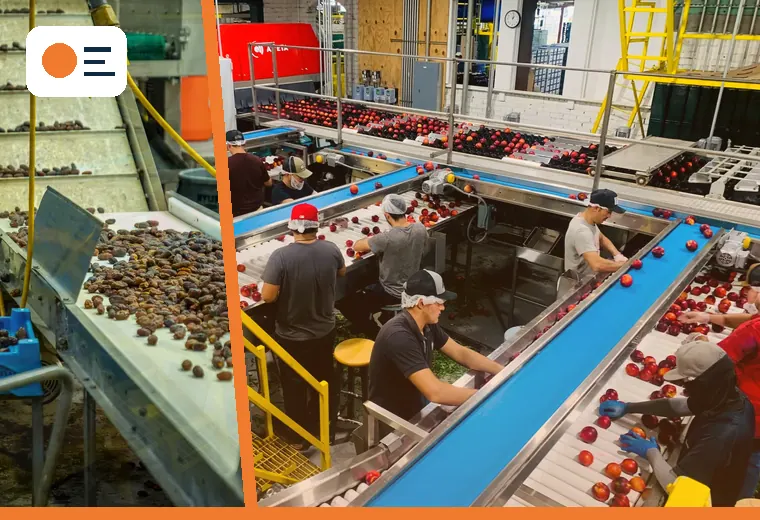
Still and carbonated drinks using bottles, cans or flexible packs.
Open guide →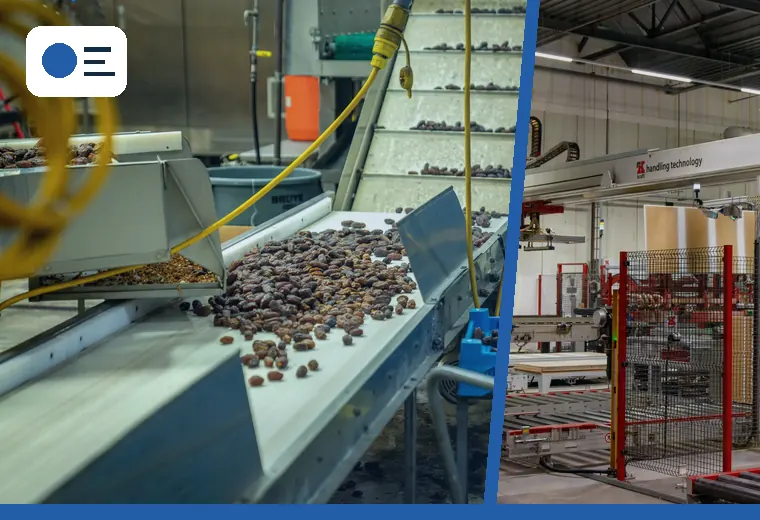
Beer filling, capping, coding and multipacking.
Open guide →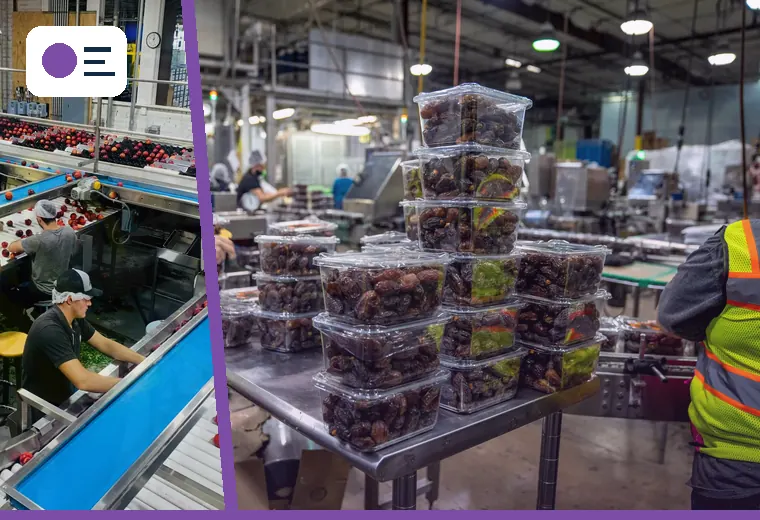
Still or carbonated cider in bottles, cans and kegs.
Open guide →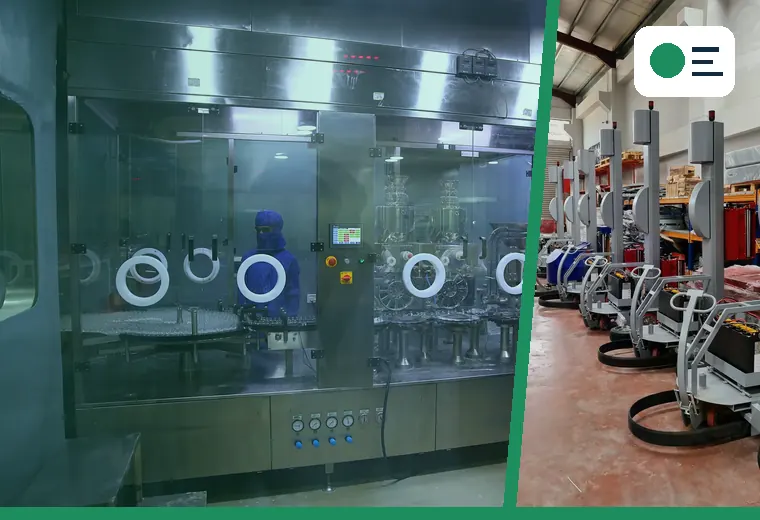
Glass bottle preparation, filling, corking, capping and labelling.
Open guide →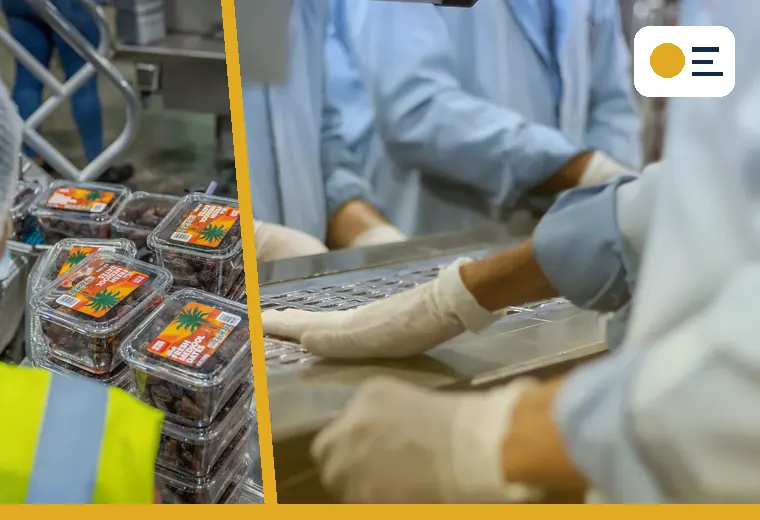
High-value and often flammable products with presentation-led closures and labels.
Open guide →
Milk-based liquids, powders and chilled products requiring hygienic handling.
Open guide →
Suspension-prone beverages where product mixing and cleanability matter.
Open guide →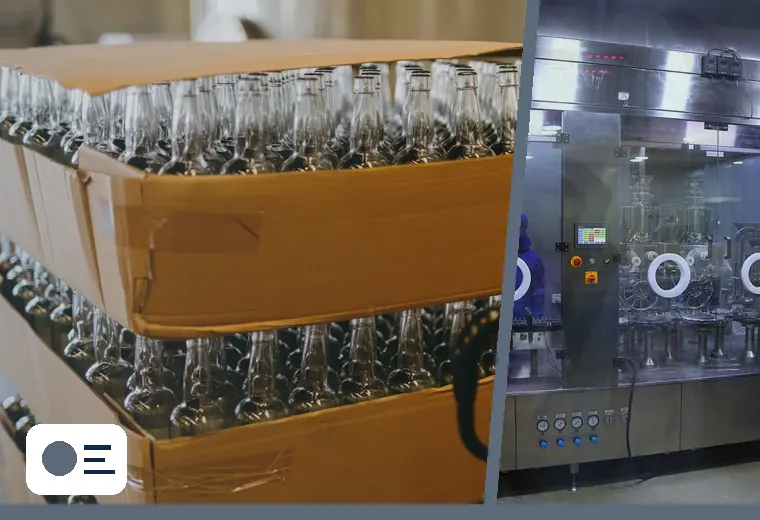
Viscous, particulate and hot-fill products in bottles, jars and pouches.
Open guide →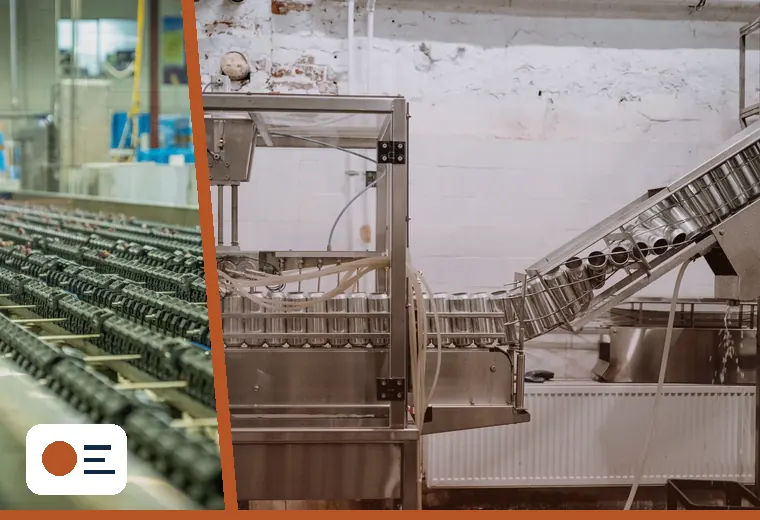
Sticky viscous products commonly packed into jars, bottles or sachets.
Open guide →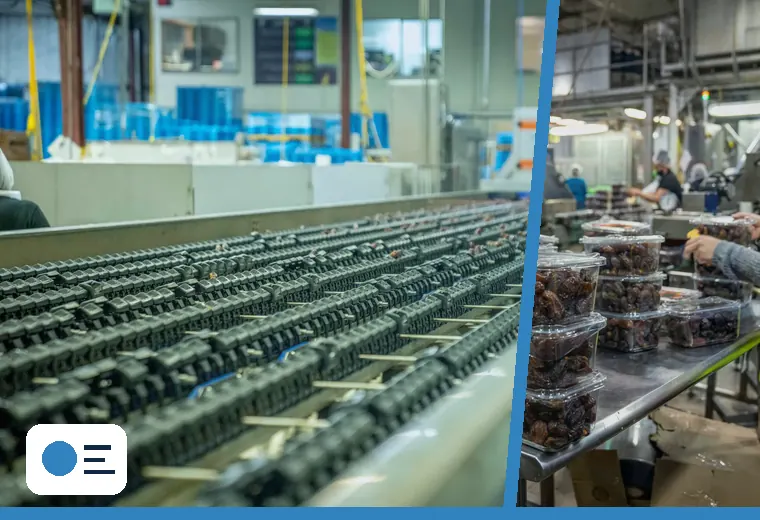
Mobile liquids where drips, closure integrity and giveaway matter.
Open guide →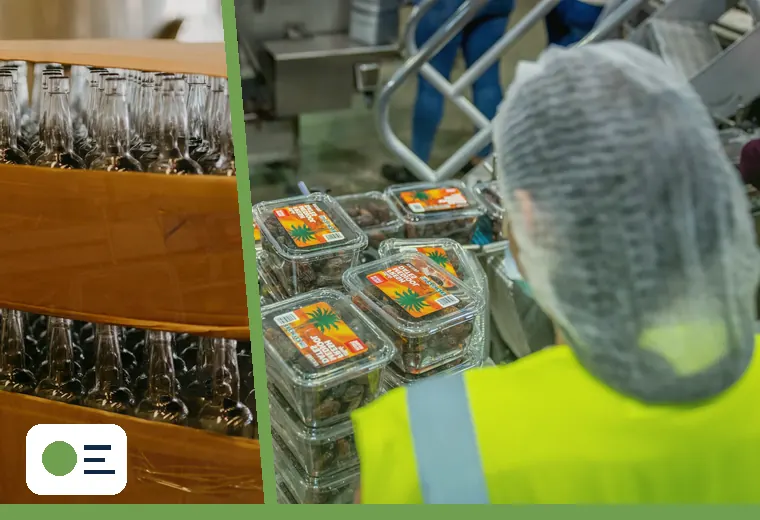
Flour, sugar, mixes and inclusions packed into bags, tubs or pouches.
Open guide →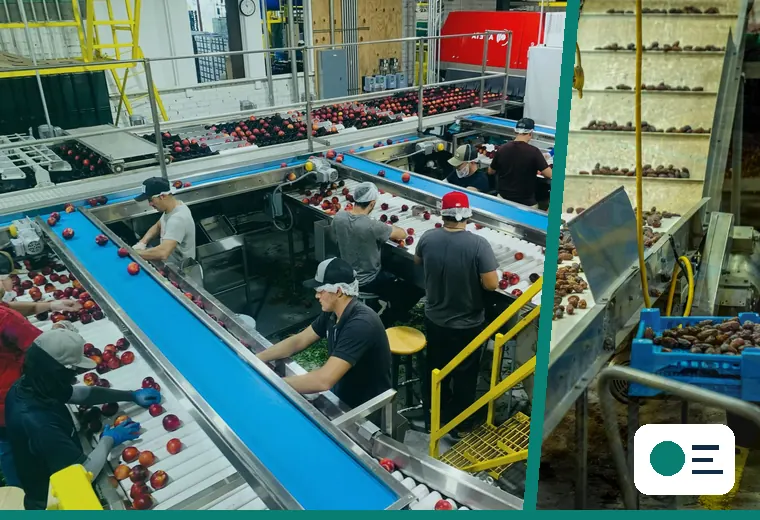
Fragile, irregular pieces requiring weighing and flexible packaging.
Open guide →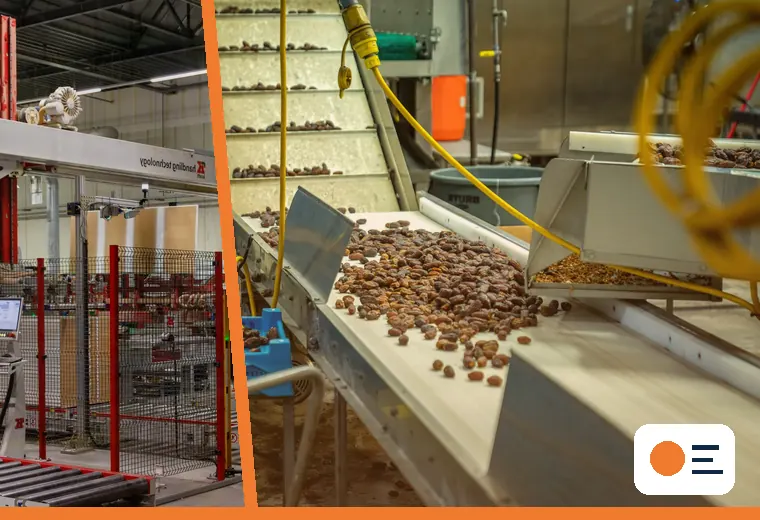
Aromatic powders, leaves and granules with freshness and dosing needs.
Open guide →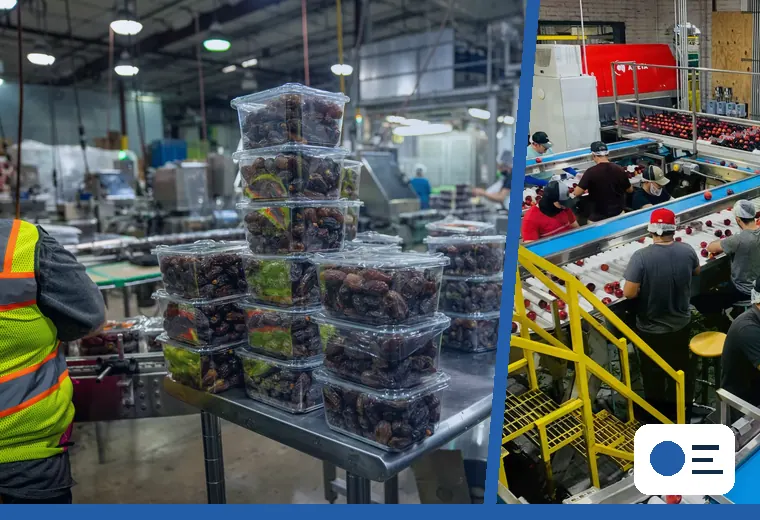
Dusty, aromatic powders and flakes with frequent recipe changeovers.
Open guide →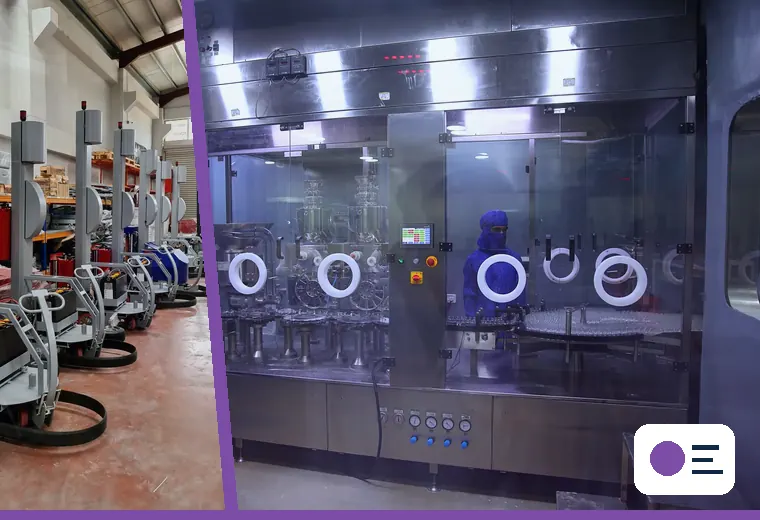
Powders, granules, pieces and liquids packed across a broad size range.
Open guide →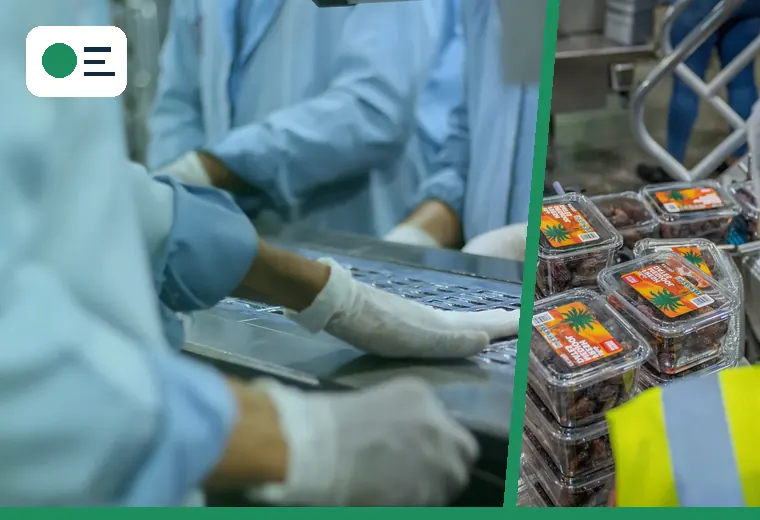
Free-flowing agricultural products packed by weight.
Open guide →
Creams, lotions, gels and liquids where presentation and clean changeover matter.
Open guide →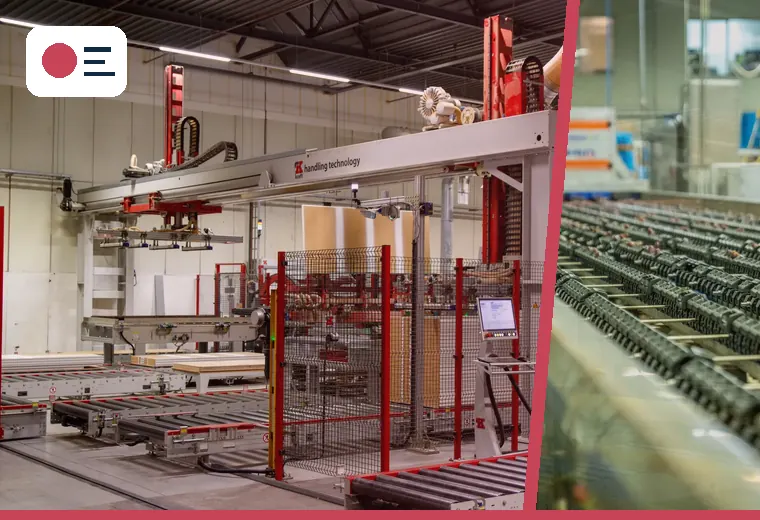
High-value creams, serums and gels in jars, bottles, tubes and sachets.
Open guide →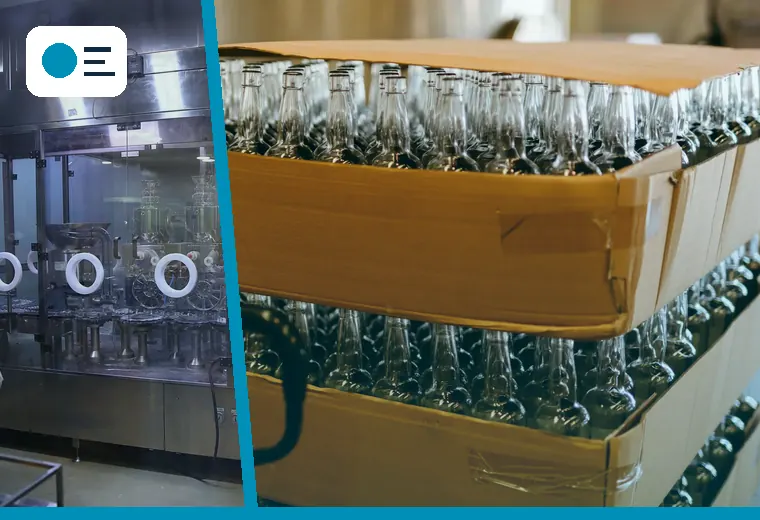
Shampoos, lotions, soaps and dispensing closures.
Open guide →
Controlled products requiring documented dose, coding, inspection and validation.
Open guide →
Components and sterile or protective packs requiring traceability and inspection.
Open guide →
Powders, capsules, tablets and liquids requiring accurate dosing and coding.
Open guide →
Solvent-rich high-value liquids in presentation-led packs.
Open guide →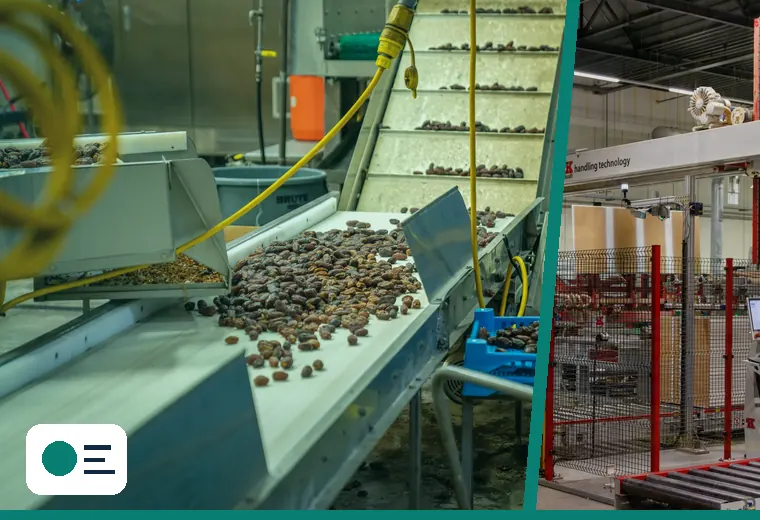
Foamy, corrosive or viscous products with pumps and trigger closures.
Open guide →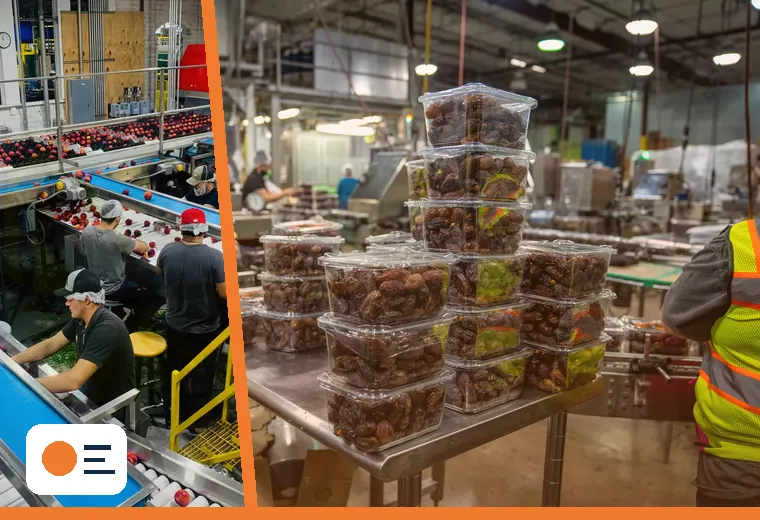
Aggressive products in bottles, jerrycans, drums and pails.
Open guide →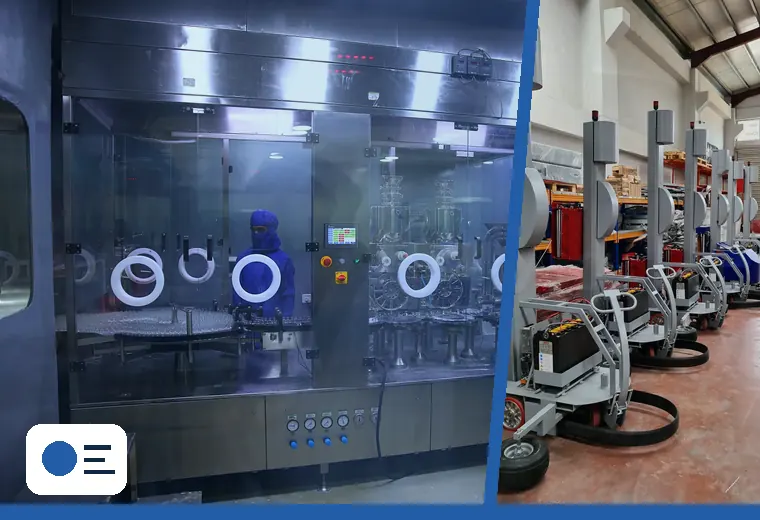
Concentrated liquids, powders and granules requiring compatibility and safe containment.
Open guide →
Viscous, solvent-based or particulate products in cans and pails.
Open guide →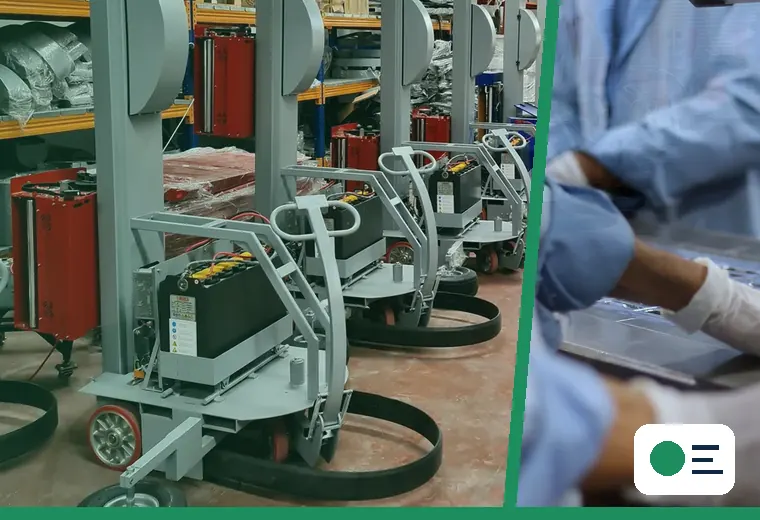
Stringing viscous products in cartridges, tubs, bottles and pails.
Open guide →
Oils and additives in bottles, cans, pails and drums.
Open guide →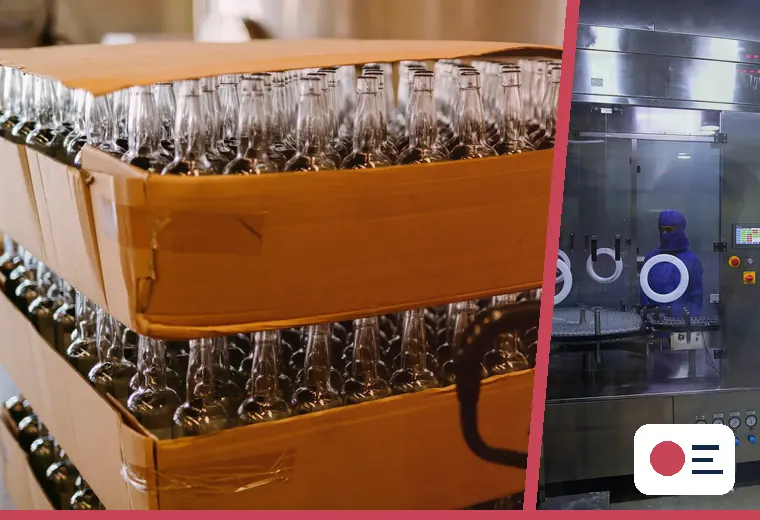
Dusty abrasive powders and granules in bags or sacks.
Open guide →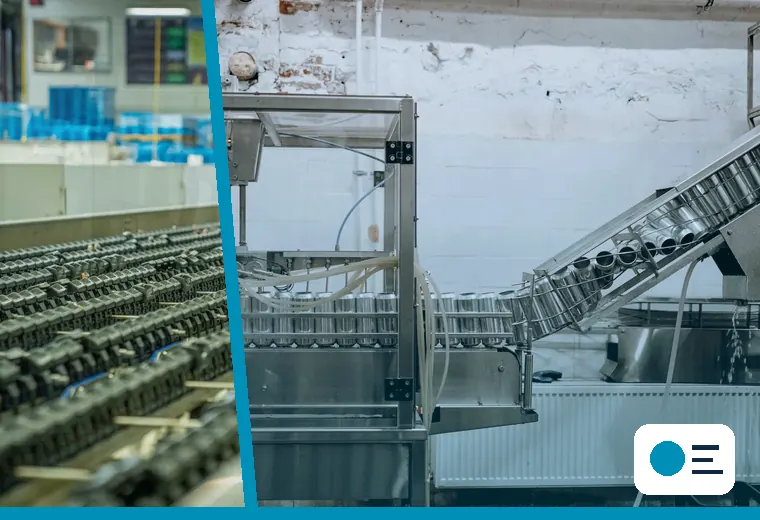
Small batches and varied formulations requiring flexible, accurate equipment.
Open guide →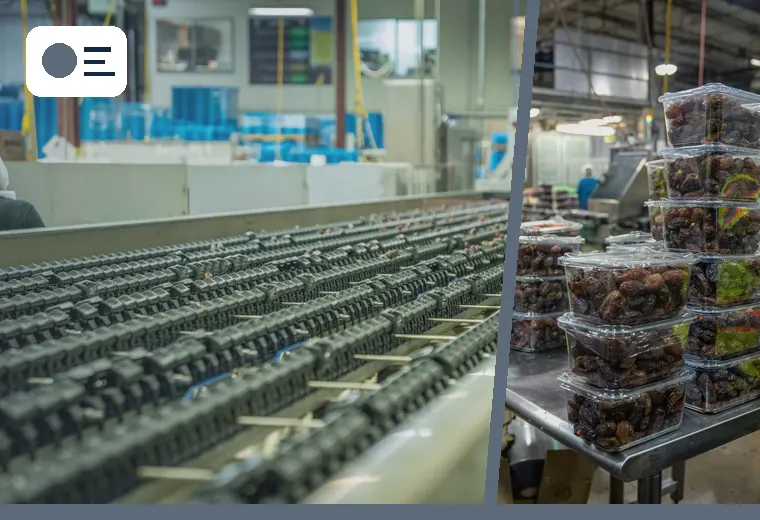
Frequent product and pack changeovers for multiple customers.
Open guide →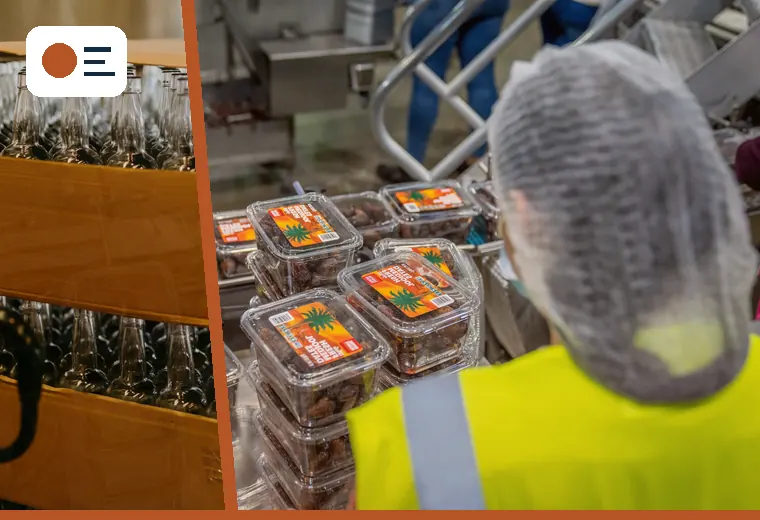
Mixed orders, variable shipping labels and dispatch packs.
Open guide →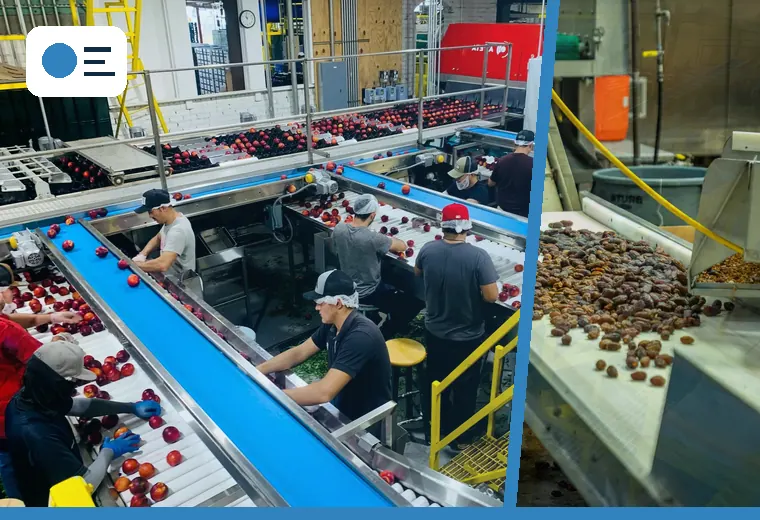
Case handling, print-and-apply, sealing and conveyor routing.
Open guide →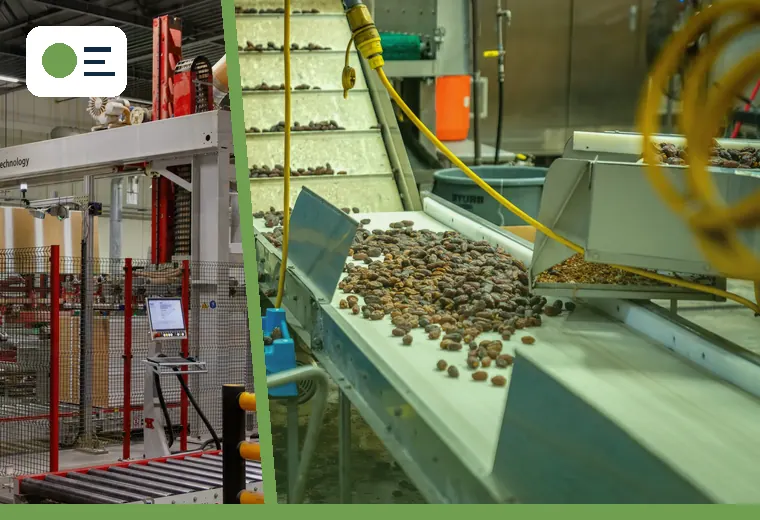
Small parts, feeding, counting and assembly automation.
Open guide →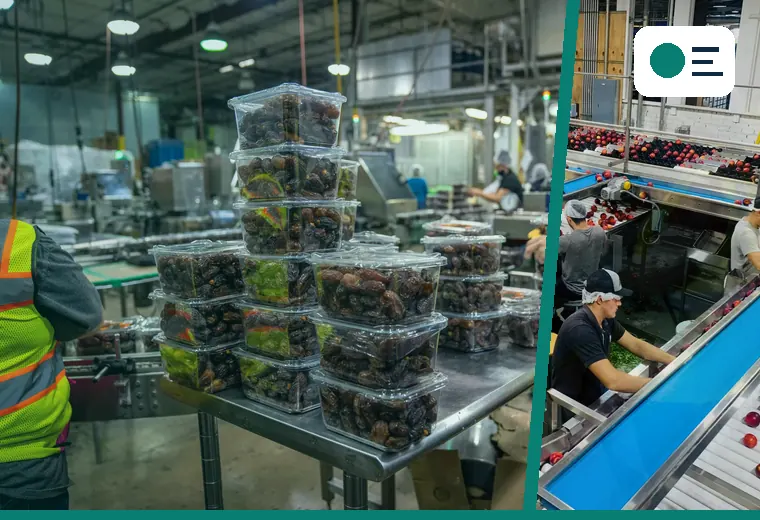
Counted or weighed metal and plastic components in bags, tubs and cartons.
Open guide →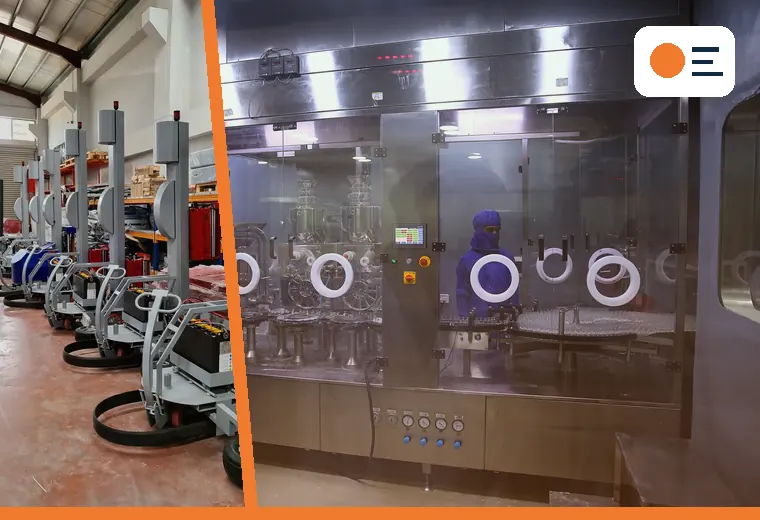
Flexible products requiring controlled feeding, flow wrapping and coding.
Open guide →
Used bottles requiring sorting, washing, inspection and refilling.
Open guide →
Material changes that must remain compatible with filling, sealing and labelling.
Open guide →IndustriesPractical guidance for bottled water production: trace the first loss of control instead of repeatedly clearing the final jam.
Read the answer → Industries
Practical guidance for brewery packaging: trace the first loss of control instead of repeatedly clearing the final jam.
Read the answer → Industries
Practical guidance for cider production: trace the first loss of control instead of repeatedly clearing the final jam.
Read the answer → Industries
Practical guidance for soft drink production: trace the first loss of control instead of repeatedly clearing the final jam.
Read the answer → Industries
Practical guidance for spirits and distillery packaging: trace the first loss of control instead of repeatedly clearing the final jam.
Read the answer → Industries
Practical guidance for wine bottling: trace the first loss of control instead of repeatedly clearing the final jam.
Read the answer → Industries
Practical guidance for bottled water production: find why weights, levels, positions, torque or finished packs vary during a run.
Read the answer → Industries
Practical guidance for brewery packaging: find why weights, levels, positions, torque or finished packs vary during a run.
Read the answer → Industries
Practical guidance for cider production: find why weights, levels, positions, torque or finished packs vary during a run.
Read the answer →Open a question for a concise answer, then use the detailed guide above for the full production checks.
Still water in pet or glass bottles with hygiene, fill-level and closure requirements.
Still and carbonated drinks using bottles, cans or flexible packs.
Beer filling, capping, coding and multipacking.
Still or carbonated cider in bottles, cans and kegs.
Glass bottle preparation, filling, corking, capping and labelling.
Customer-focused answers for food, drink, health, chemical, industrial, packing and logistics operations.