
How does line integration affect preventive-maintenance schedules?
Practical guidance for preventive-maintenance schedules: coordinate product flow, controls, accumulation, guarding and restart behaviour.
Direct answer
For preventive-maintenance schedules, create a scaled process and line layout before changing several settings at once. This is a production-improvement subject where measurements, responsibilities, standards, risk controls and acceptance criteria guide decisions for preventive-maintenance schedules. Use measured baseline data and named responsibilities so the result can be audited after implementation. Use representative product and packaging, keep the order of results and identify the first point where the process moves outside the agreed limit. Then make one controlled change, repeat the same test and compare sustained good output rather than a single successful pack.
Blocked, starved and handshake states
Record each machine’s ready, run, blocked, starved and fault conditions. Check what happens during short stops and restart, not only continuous running.
Application measure: For efficiency and project work, include scheduled time, good output, downtime, labour, changeover, reject cost and the agreed evidence for acceptance.
Packserv
Packaging machinery service, breakdown support and contracts.
What usually causes this?
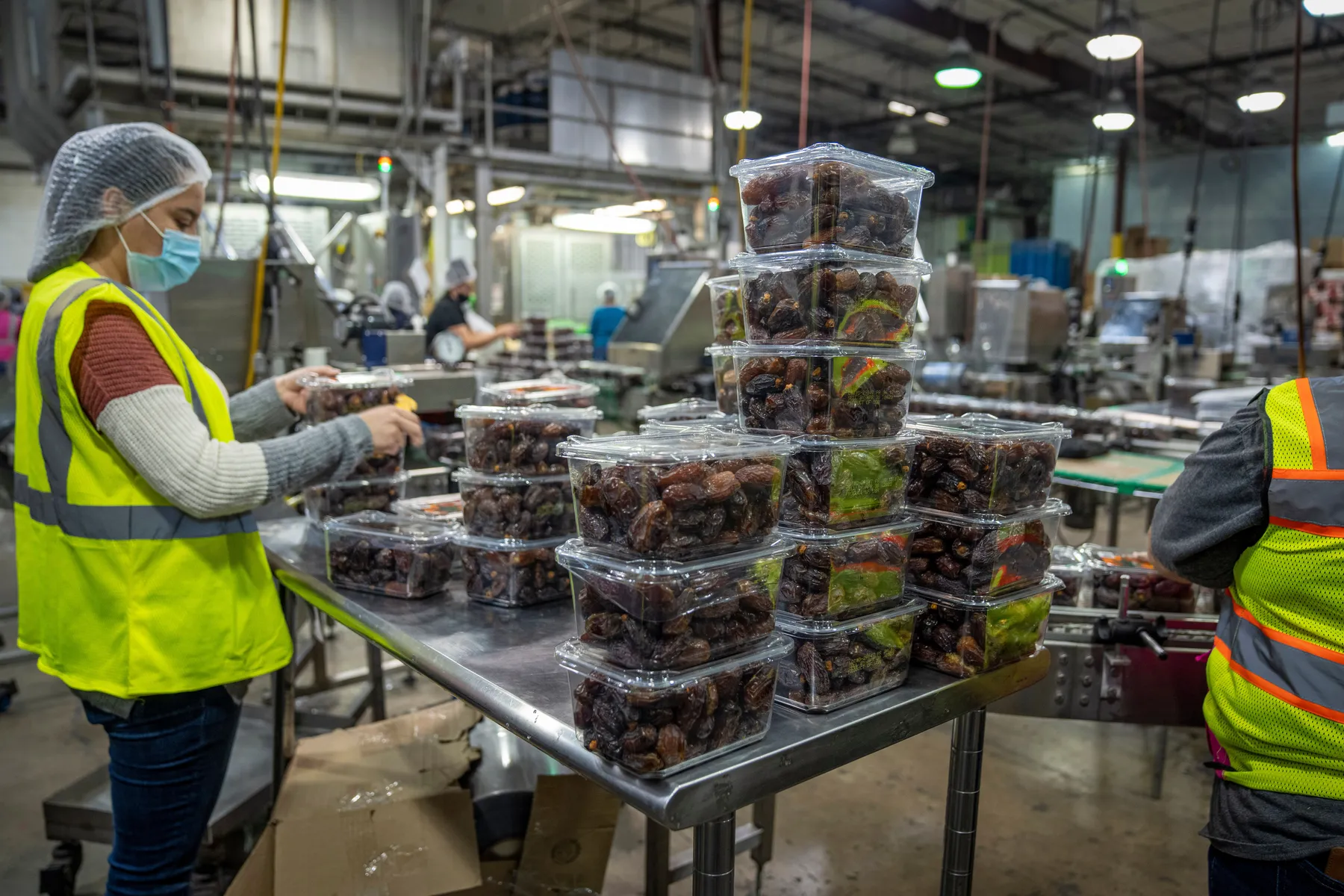
- machines use different speeds, heights or product pitches
- blocked, starved, ready and fault signals are not agreed
- there is insufficient accumulation for normal micro-stops
- restart and reject behaviour is not tested as a complete line
- the equipment or method is not configured for a production-improvement subject where measurements, responsibilities, standards, risk controls and acceptance criteria guide decisions for preventive-maintenance schedules. Use measured baseline data and named responsibilities so the result can be audited after implementation.
Checks to make in order
- Create a scaled process and line layout
- Set one sustained good-output target
- Record machine heights, speeds and product pitches
- Define every control signal and fault state
- Calculate accumulation for normal stops
- Review access, guarding and utilities
- Test start, stop, fault, reject and restart sequences
How to decide the next step
Preventive-maintenance schedules is a production-improvement subject where measurements, responsibilities, standards, risk controls and acceptance criteria guide decisions for preventive-maintenance schedules. Use measured baseline data and named responsibilities so the result can be audited after implementation. Use the measurements to decide whether the next action is a material or packaging change, a setting correction, a maintenance task, improved feeding or a different machinery principle.
If the process cannot achieve the required connecting the line result across the full product and pack range, compare the best-matched route against a written acceptance test. Include cleaning, changeover, operator work, rejects and recovery from normal stops.
What to include in your production brief
Supplying the information below makes it easier to distinguish a setup problem from a product, packaging, feeding, maintenance or machinery limitation:
- Current-state process and measured performance
- Required result and acceptance limit
- Product and format range
- Roles, responsibilities and competence
- Site, utility and safety constraints
- Implementation, validation and review plan
- Samples that represent preventive-maintenance schedules
- A short video of the present process and fault
Relevant solution websites
The first route is the primary match for this question. Final suitability must be confirmed with samples, output, site and acceptance information.
Related questions
 Planning and improvement
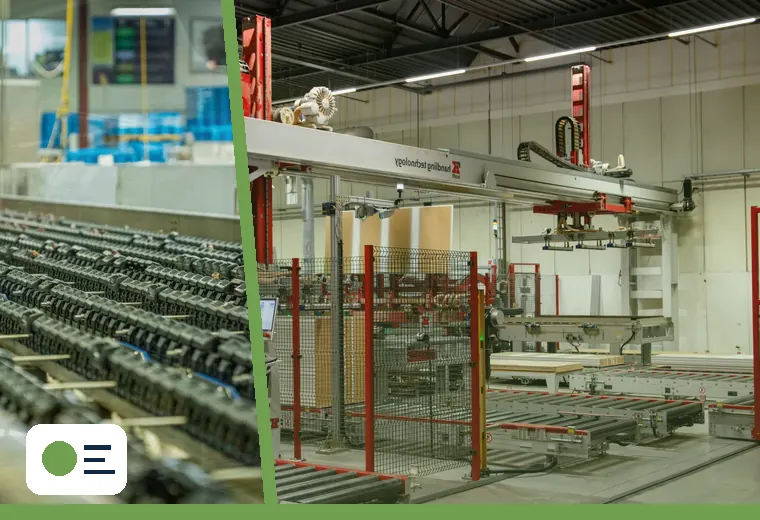
How should preventive-maintenance schedules be planned when production grows?
Practical guidance for preventive-maintenance schedules: move from manual to semi-automatic and automatic production in sensible stages.
Read the answer →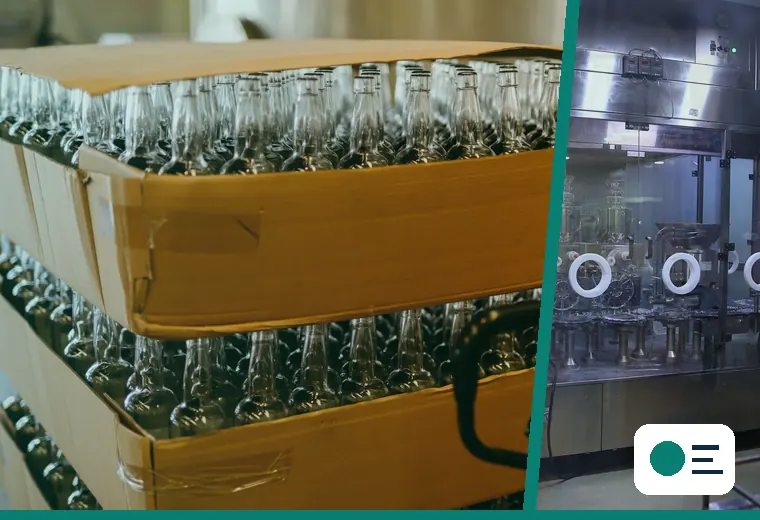 Planning and improvement
How do product and pack feeding affect preventive-maintenance schedules?
Practical guidance for preventive-maintenance schedules: present products, packs, caps or components consistently to the next operation.
Read the answer →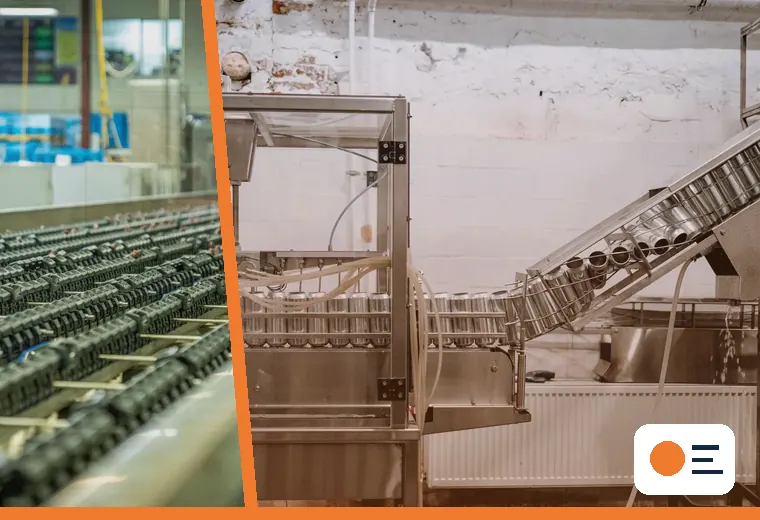 Planning and improvement
When should specialist support be used for preventive-maintenance schedules?
Practical guidance for preventive-maintenance schedules: capture samples, dimensions, output, acceptance tests and site constraints before buying.
Read the answer → Planning and improvement
How does line integration affect process validation?
Practical guidance for process validation: coordinate product flow, controls, accumulation, guarding and restart behaviour.
Read the answer → Planning and improvement
How does line integration affect product giveaway?
Practical guidance for product giveaway: coordinate product flow, controls, accumulation, guarding and restart behaviour.
Read the answer → Planning and improvement
How does line integration affect production downtime?
Practical guidance for production downtime: coordinate product flow, controls, accumulation, guarding and restart behaviour.
Read the answer →