
How do product and pack feeding affect second-hand machinery?
Practical guidance for second-hand machinery: present products, packs, caps or components consistently to the next operation.
Direct answer
For second-hand machinery, present every item to the next machine in one controlled orientation and at a stable rate. Improvement starts with a clear definition, measured baseline and an agreed result that can be tested after the change. First, provide a representative sample from normal batches and record a defined before-and-after metric supported by production records. Make one controlled change at a time so the original cause is not hidden by several new settings.
Starvation, recirculation and damage
Measure sustained delivered parts per minute, recirculation, jams, damage and downstream starvation. Include production variation and recovery after the downstream machine stops.
Application measure: For efficiency and project work, include scheduled time, good output, downtime, labour, changeover, reject cost and the agreed evidence for acceptance.
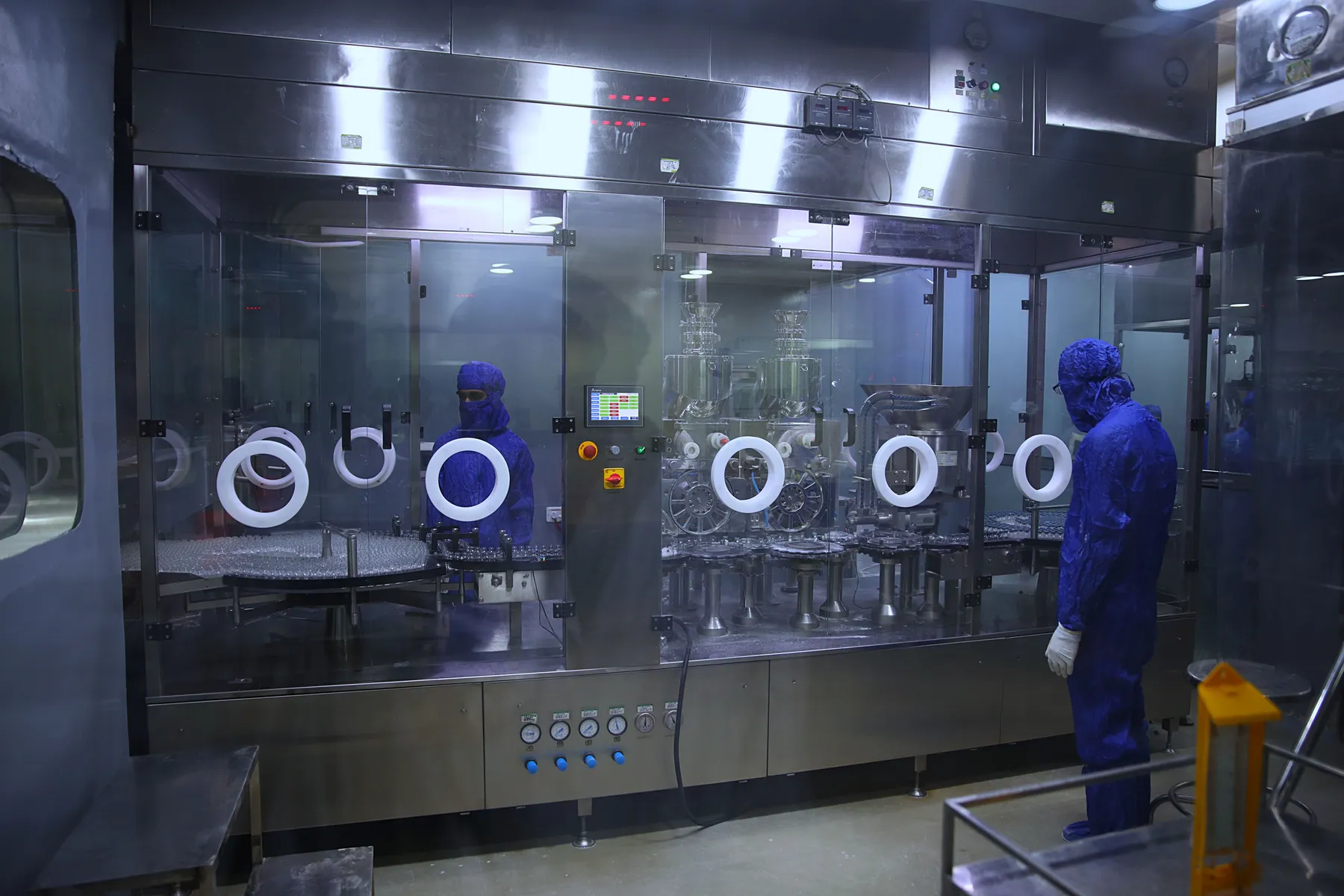
Second-hand Packaging Machines
See the machinery and application options most closely matched to this production question.
What usually causes this?
- bulk items nesting, tangling, bridging or recirculating
- A change in data definition and collection or operator and maintenance method.
- the feeder output being quoted without allowing for rejects and recovery
- The equipment or handling method not being set for used packaging equipment assessed for fit, condition, safety and support.
- insufficient buffer between feeding and the consuming machine
Checks to make in order
- Provide a representative sample from normal batches
- Record a defined before-and-after metric supported by production records using a representative sample.
- Define required orientation and delivery interface
- Check product and format variation, machine condition and process capability and acceptance, risk and commercial criteria.
- Test sustained output above the line demand
- include low-level and buffer behaviour
- challenge dimensional and material variation
How to decide the next step
Second-hand machinery involves used packaging equipment assessed for fit, condition, safety and support. Use a dedicated feeder, unscrambler, conveyor or operator-assisted method according to geometry, output and changeover needs.
If adjustment and maintenance cannot hold the required result across the complete product and pack range, compare the machinery route against a written acceptance test. The important comparison is sustained good output—not only maximum cycle speed.
What to include in your production brief
Supplying the information below makes it much easier to distinguish a setup problem from a machinery or packaging limitation:
- Current baseline data
- Affected products and formats
- Cost or risk of the problem
- Required future state
- Site and compliance constraints
- Acceptance test and owner
- Samples that represent second-hand machinery
- A short video of the current process and fault
Relevant solution websites
These specialist sites match the production process discussed above. Final suitability should be confirmed with samples, output, site and acceptance information.
Related questions
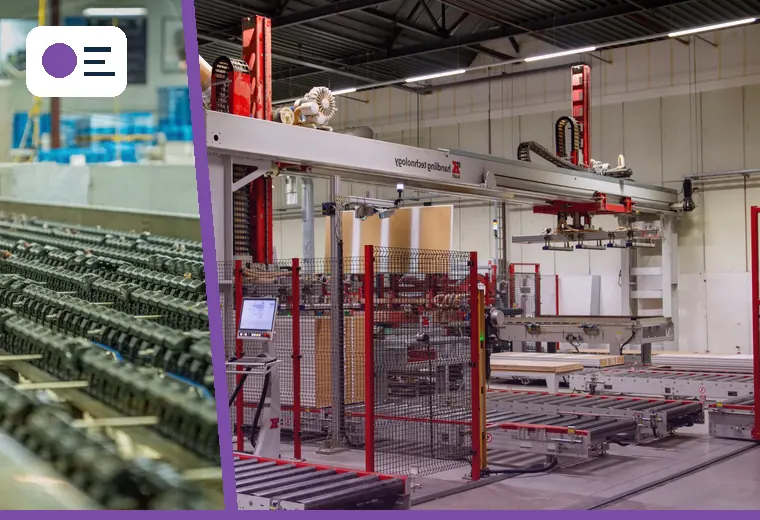 Planning and improvement
When should specialist support be used for second-hand machinery?
Practical guidance for second-hand machinery: capture samples, dimensions, output, acceptance tests and site constraints before buying.
Read the answer →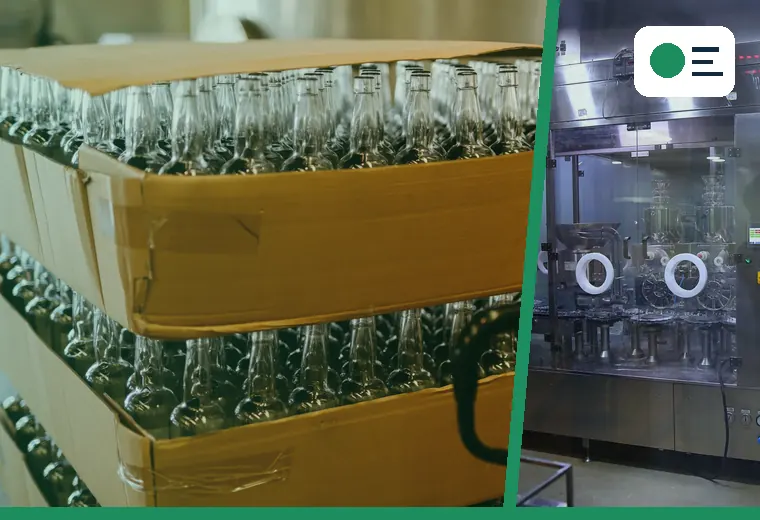 Planning and improvement
What acceptance test should cover second-hand machinery?
Practical guidance for second-hand machinery: improve appearance, seal, closure, code, dose and transport performance.
Read the answer →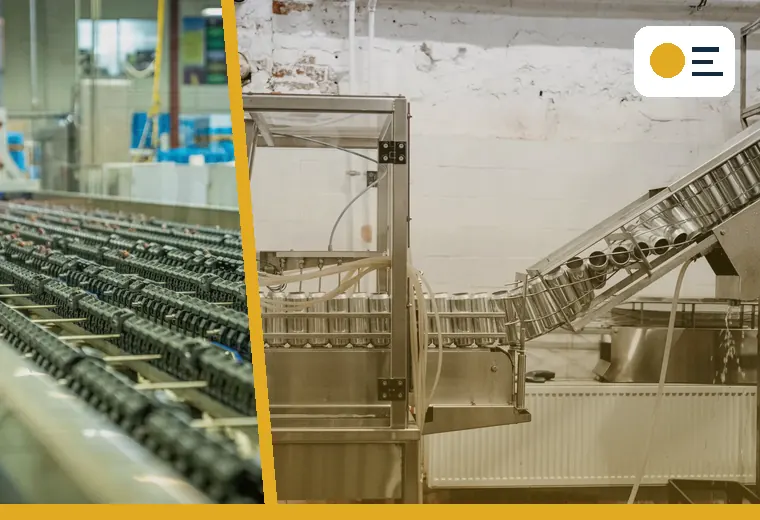 Planning and improvement
What does second-hand machinery mean in packaging production?
Practical guidance for second-hand machinery: find why weights, levels, positions, torque or finished packs vary during a run.
Read the answer → Planning and improvement
How do product and pack feeding affect line speed?
Practical guidance for line speed: present products, packs, caps or components consistently to the next operation.
Read the answer → Planning and improvement
How do product and pack feeding affect format changeovers?
Practical guidance for format changeovers: present products, packs, caps or components consistently to the next operation.
Read the answer → Planning and improvement
How do product and pack feeding affect planned maintenance?
Practical guidance for planned maintenance: present products, packs, caps or components consistently to the next operation.
Read the answer →