
Why is label inspection limiting production output?
Practical guidance for label inspection: separate true machine speed from waiting, handling, replenishment and short stops.
Direct answer
For label inspection, count good packs over a representative production period before changing several settings at once. This is an end-of-line operation where product presentation, grouping, packaging material, timing, inspection and transfer control affect the finished transport pack for label inspection. Challenge samples, reject confirmation and documented checks are essential to prove the control. Use representative product and packaging, keep the order of results and identify the first point where the process moves outside the agreed limit. Then make one controlled change, repeat the same test and compare sustained good output rather than a single successful pack.
Sustained good output
Count saleable packs over a representative period and record running, blocked, starved, fault and operator-wait time. The largest time category usually identifies the first improvement target.
Application measure: For end-of-line packing, include pack pattern, material use, seal or tape quality, heat profile, case stability and transport damage.
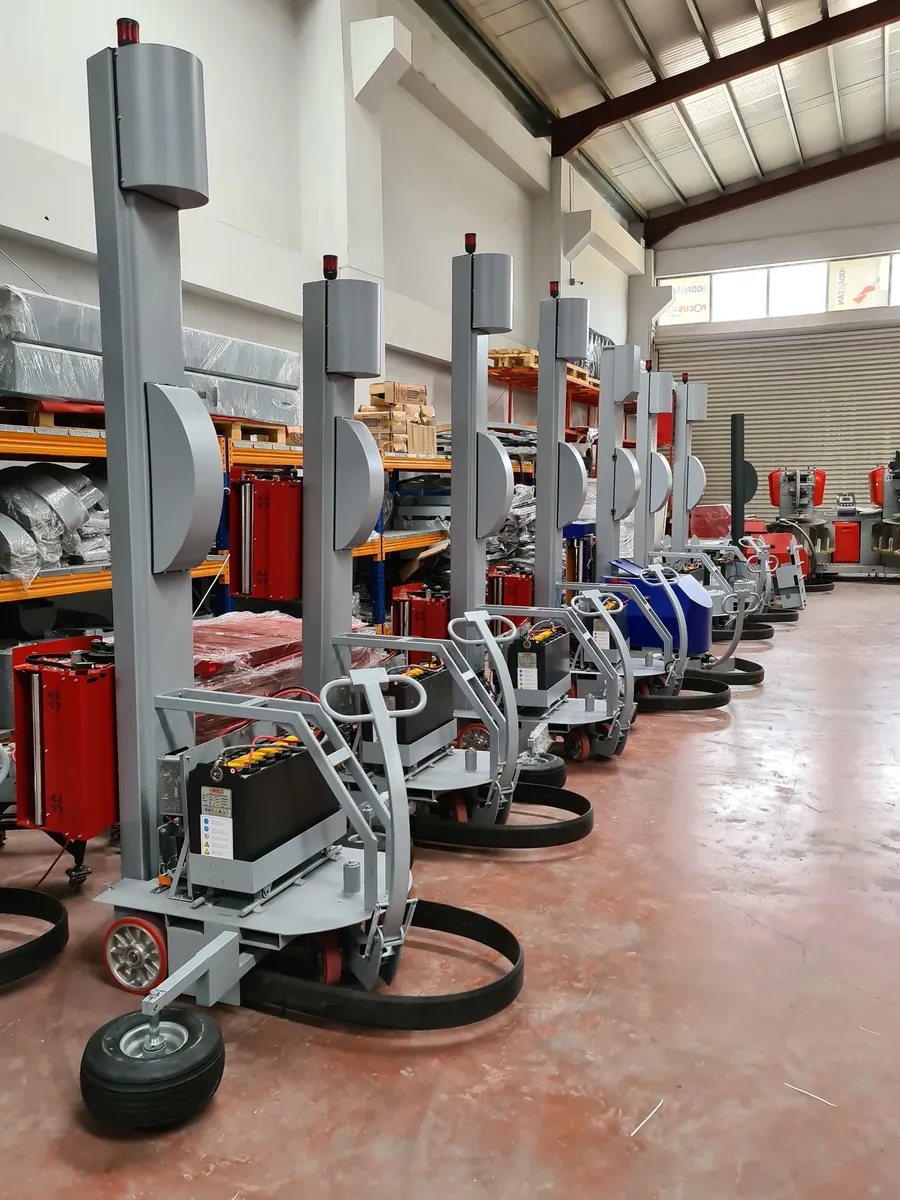
Automatic Packaging Lines
Integrated filling, closing, labelling, coding and end-of-line production.
What usually causes this?
- the machine is starved or blocked by another operation
- manual loading, unloading or replenishment extends the effective cycle
- short stops are not recorded and therefore appear as low speed
- settings are reduced to protect an unstable product or pack
- the equipment or method is not configured for an end-of-line operation where product presentation, grouping, packaging material, timing, inspection and transfer control affect the finished transport pack for label inspection. Challenge samples, reject confirmation and documented checks are essential to prove the control.
Checks to make in order
- Count good packs over a representative production period
- Time each operation including manual handling
- Record blocked, starved, stopped and running time
- Check replenishment and changeover losses
- Run the hardest product and largest format
- Improve one confirmed bottleneck
- Repeat the sustained-output test
How to decide the next step
Label inspection is an end-of-line operation where product presentation, grouping, packaging material, timing, inspection and transfer control affect the finished transport pack for label inspection. Challenge samples, reject confirmation and documented checks are essential to prove the control. Use the measurements to decide whether the next action is a material or packaging change, a setting correction, a maintenance task, improved feeding or a different machinery principle.
If the process cannot achieve the required slow output result across the full product and pack range, compare the best-matched route against a written acceptance test. Include cleaning, changeover, operator work, rejects and recovery from normal stops.
What to include in your production brief
Supplying the information below makes it easier to distinguish a setup problem from a product, packaging, feeding, maintenance or machinery limitation:
- Product and finished-pack dimensions
- Required grouping or pack pattern
- Film, carton, case or pallet specification
- Required good packs per minute
- Conveyor height, direction and available space
- Transport, stacking and acceptance tests
- Samples that represent label inspection
- A short video of the present process and fault
Relevant solution websites
The first route is the primary match for this question. Final suitability must be confirmed with samples, output, site and acceptance information.
Related questions
 End of line
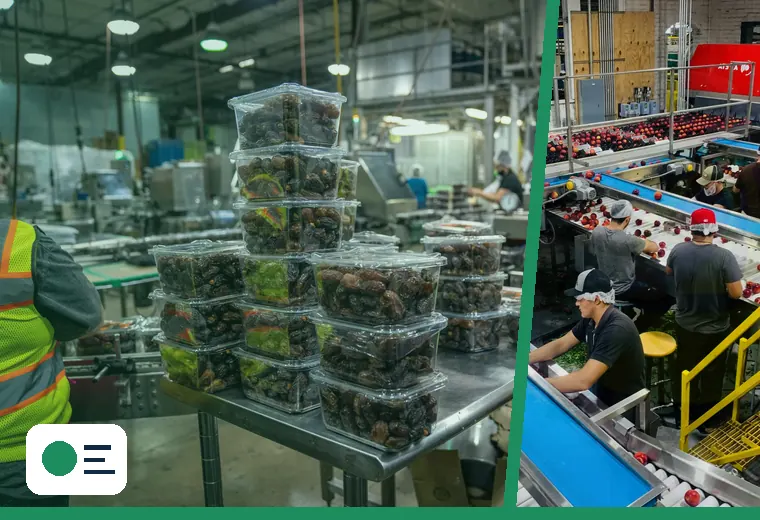
Why do products or materials jam during label inspection?
Practical guidance for label inspection: trace the first loss of control instead of repeatedly clearing the final jam.
Read the answer →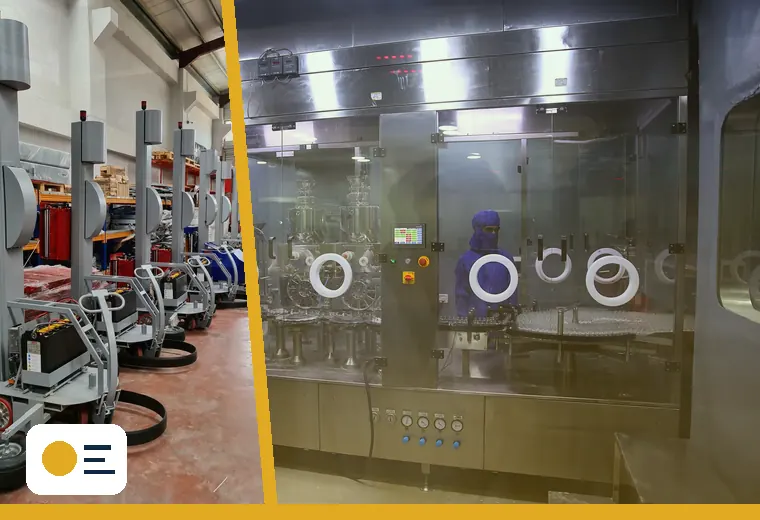 End of line
How do I clean and keep equipment for label inspection reliable?
Practical guidance for label inspection: plan access, product removal, safe cleaning and verified return to production.
Read the answer →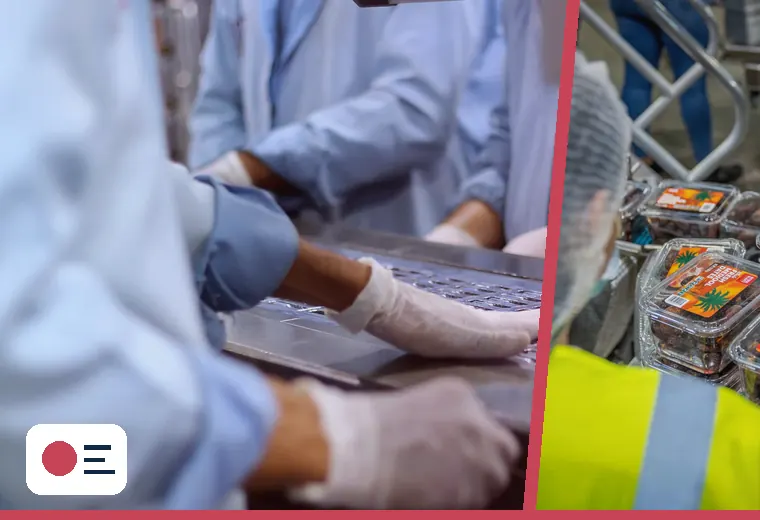 End of line
How do I confirm pack and material compatibility for label inspection?
Practical guidance for label inspection: check materials, seals, adhesives, films, closures and product-contact parts.
Read the answer →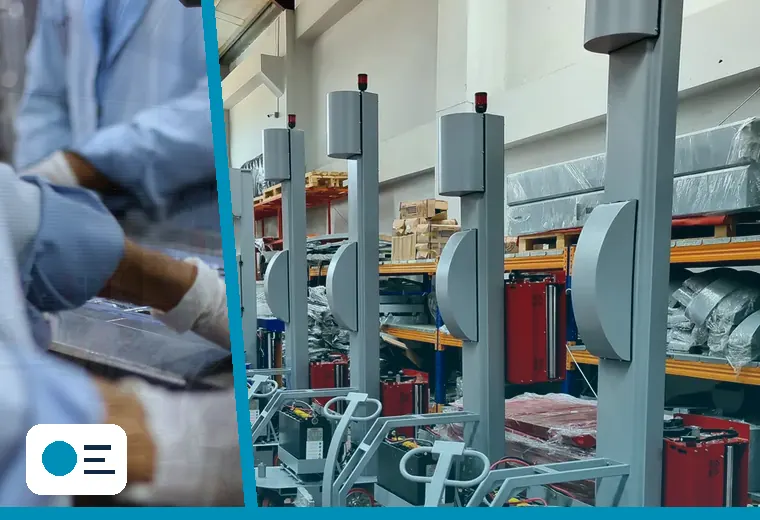 End of line
Why is leak detection limiting production output?
Practical guidance for leak detection: separate true machine speed from waiting, handling, replenishment and short stops.
Read the answer →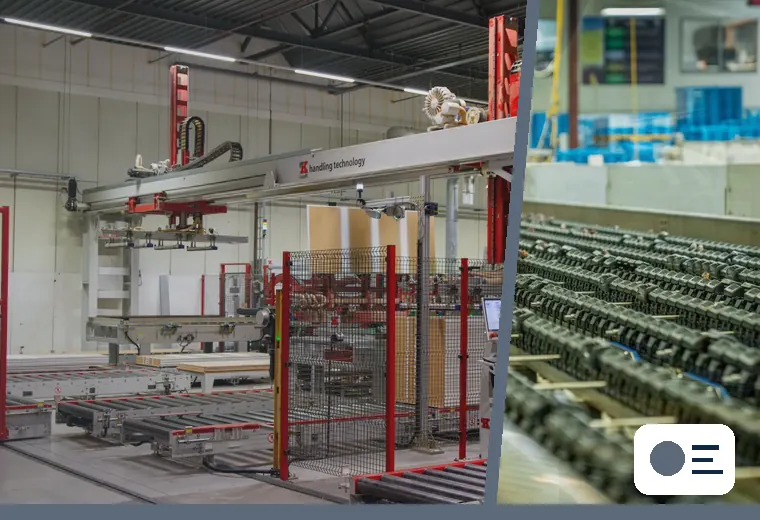 End of line
Why is load stabilisation limiting production output?
Practical guidance for load stabilisation: separate true machine speed from waiting, handling, replenishment and short stops.
Read the answer →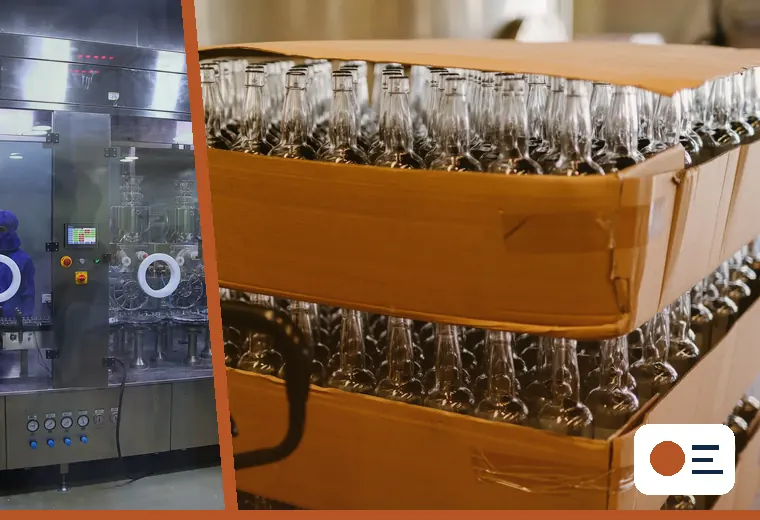 End of line
Why is metal detection limiting production output?
Practical guidance for metal detection: separate true machine speed from waiting, handling, replenishment and short stops.
Read the answer →