
Why do film or packs jam when producing liquid stick packs?
Practical guidance for liquid stick packs: trace the first loss of control instead of repeatedly clearing the final jam.
Direct answer
For liquid stick packs, stop and record the first point where control is lost before changing several settings at once. This is a flexible-pack application where film construction, pack opening, dosing, contamination control and the sealing window determine output and integrity for liquid stick packs. Seal-area contamination, product temperature and laminate compatibility require representative trials. Use representative product and packaging, keep the order of results and identify the first point where the process moves outside the agreed limit. Then make one controlled change, repeat the same test and compare sustained good output rather than a single successful pack.
Jam frequency and location
Record the exact first contact point, product orientation and jams per 1,000 units. Film the event from above and the side before changing guides, speeds or timing.
Application measure: For pouches, sachets and film, include dose variation, seal temperature/pressure/dwell, contamination, seal strength, leak rate and film waste.
Sachet Filling Machines
Small-format sachet filling.
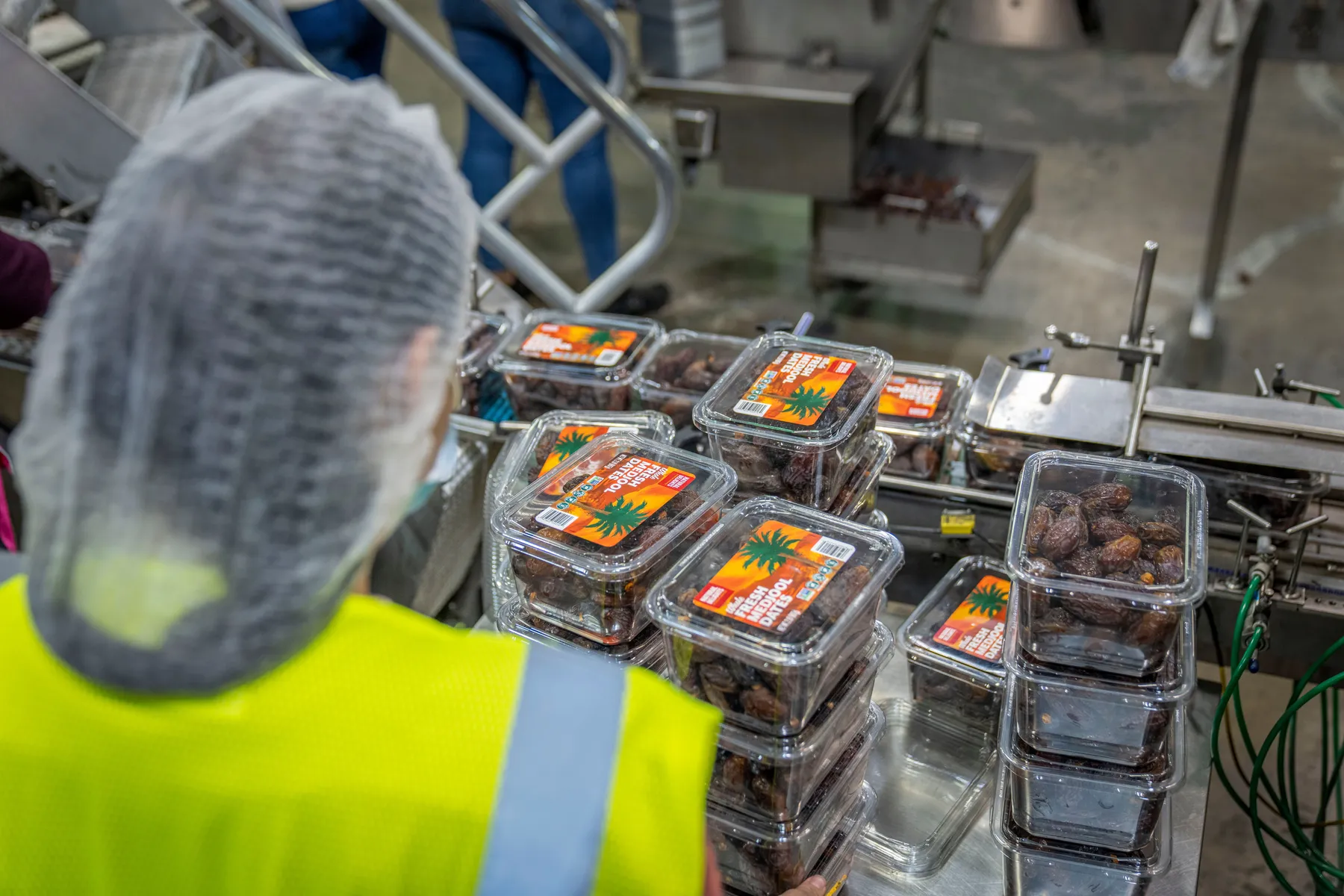
What usually causes this?
- the product or pack loses control before the final jam point
- guides, chutes or transfers do not suit the dimensional range
- line pressure or speed mismatch creates collisions and overlap
- dust, adhesive, product build-up or damaged material changes friction
- the equipment or method is not configured for a flexible-pack application where film construction, pack opening, dosing, contamination control and the sealing window determine output and integrity for liquid stick packs. Seal-area contamination, product temperature and laminate compatibility require representative trials.
Checks to make in order
- Stop and record the first point where control is lost
- Measure product and pack extremes
- Check levels, gaps, guides, belts, chutes and transfers
- Compare upstream and downstream speeds
- Inspect damaged material and contamination
- Film the event in slow motion where safe
- Test one controlled mechanical or speed change
How to decide the next step
Liquid stick packs is a flexible-pack application where film construction, pack opening, dosing, contamination control and the sealing window determine output and integrity for liquid stick packs. Seal-area contamination, product temperature and laminate compatibility require representative trials. Use the measurements to decide whether the next action is a material or packaging change, a setting correction, a maintenance task, improved feeding or a different machinery principle.
If the process cannot achieve the required jams and stoppages result across the full product and pack range, compare the best-matched route against a written acceptance test. Include cleaning, changeover, operator work, rejects and recovery from normal stops.
What to include in your production brief
Supplying the information below makes it easier to distinguish a setup problem from a product, packaging, feeding, maintenance or machinery limitation:
- Finished pack or rollstock samples
- Film laminate and sealing layer
- Pack dimensions and target dose
- Product flow, dust, oil and particle behaviour
- Seal width and integrity test
- Output, coding and secondary-pack requirement
- Samples that represent liquid stick packs
- A short video of the present process and fault
Relevant solution websites
The first route is the primary match for this question. Final suitability must be confirmed with samples, output, site and acceptance information.
Related questions
 Flexible packaging
How do I reduce film, pack and product waste with liquid stick packs?
Practical guidance for liquid stick packs: reduce product loss, damaged packs, material waste and avoidable rejects.
Read the answer → Flexible packaging
How do I change formats quickly when producing liquid stick packs?
Practical guidance for liquid stick packs: make product and pack changes repeatable, measurable and easier for operators.
Read the answer → Flexible packaging
Which machine is best for producing liquid stick packs?
Practical guidance for liquid stick packs: match the machine principle to the real product, pack, output and acceptance criteria.
Read the answer → Flexible packaging
Why do film or packs jam when producing mono-material recyclable pouches?
Practical guidance for mono-material recyclable pouches: trace the first loss of control instead of repeatedly clearing the final jam.
Read the answer → Flexible packaging
Why do film or packs jam when producing open-mouth paper bags?
Practical guidance for open-mouth paper bags: trace the first loss of control instead of repeatedly clearing the final jam.
Read the answer → Flexible packaging
Why do film or packs jam when producing paper-based pouches?
Practical guidance for paper-based pouches: trace the first loss of control instead of repeatedly clearing the final jam.
Read the answer →