
How do I move from hand weighing to automatic packing of dusty powders?
Practical guidance for dusty powders: move from manual to semi-automatic and automatic production in sensible stages.
Direct answer
For dusty powders, increase capacity in stages while keeping the product and pack range flexible. Reliable dosing depends on flow behaviour, bulk density, aeration, particle size, feeder control and the product drop into the pack. First, measure current good output and labour by operation and record net weight distribution, giveaway, dust release, breakage and sustained packs per minute. Make one controlled change at a time so the original cause is not hidden by several new settings.
Demand-to-design-rate calculation
Convert required good daily output into good packs per minute, then divide by a realistic OEE. Test the complete product mix and changeover schedule, not only the fastest format.
Application measure: For powders and pieces, include net-weight distribution, bulk density, hopper level, dust, bridging, segregation and product damage.
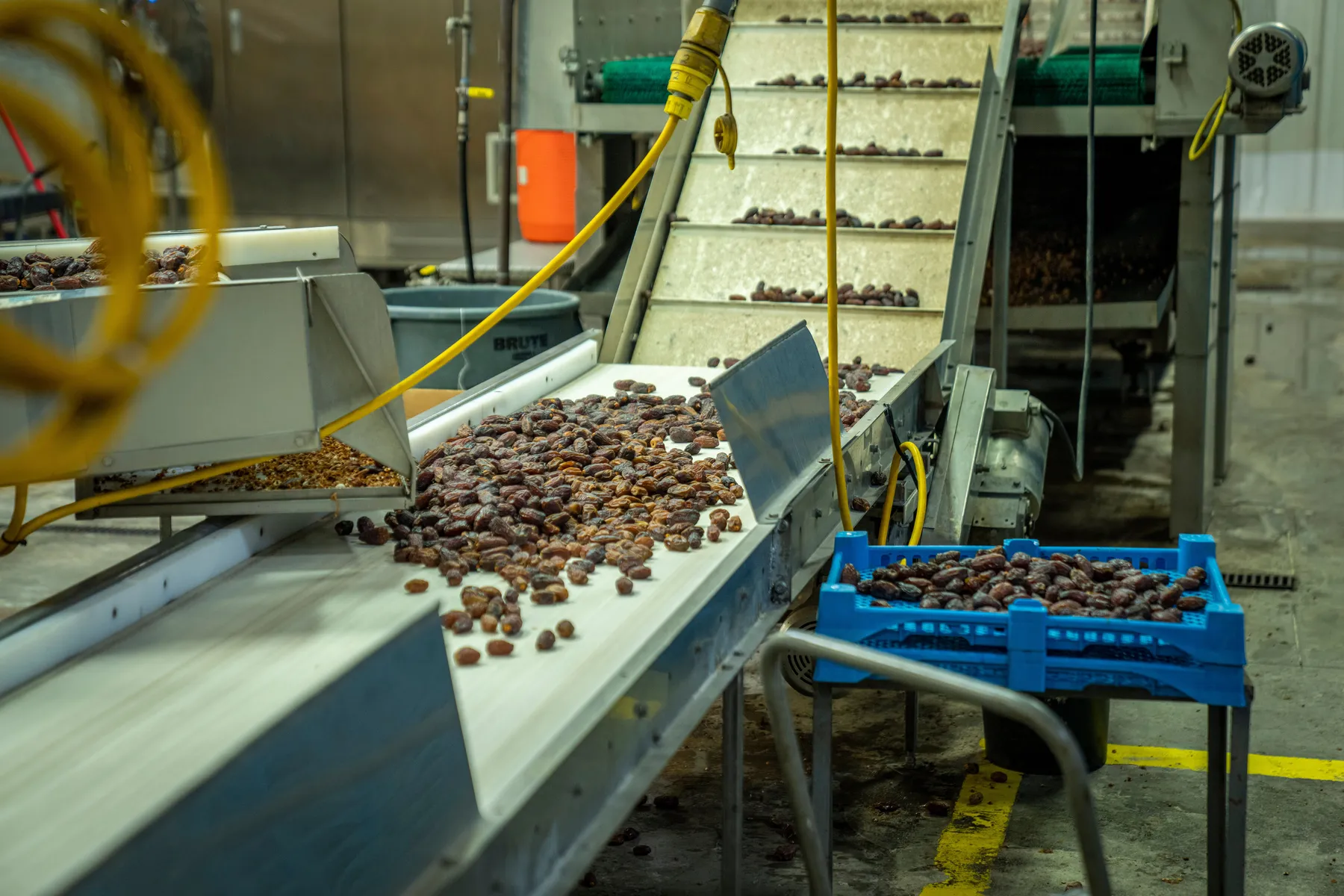
Auger Fillers
See the machinery and application options most closely matched to this production question.
What usually causes this?
- buying for an optimistic peak rather than measured demand
- A change in bulk density and aeration or hopper geometry and agitation.
- moving to full automation before packaging formats are stable
- The equipment or handling method not being set for products that release airborne dust during feeding, dosing and pack transfer.
- underestimating cleaning, setup and operator handling time
Checks to make in order
- Measure current good output and labour by operation
- Record net weight distribution, giveaway, dust release, breakage and sustained packs per minute using a representative sample.
- Forecast realistic low, normal and peak demand
- Check auger, vibratory or weigh-feeder setup, drop height and dust containment and pack support and product settling.
- Compare manual, semi-automatic and automatic cells
- Test the most difficult product and format
- Plan a layout and controls that allow later expansion
How to decide the next step
Dusty powders involves products that release airborne dust during feeding, dosing and pack transfer. Semi-automatic equipment often gives the best first step; full automation becomes stronger when demand and formats are stable.
If adjustment and maintenance cannot hold the required result across the complete product and pack range, compare the machinery route against a written acceptance test. The important comparison is sustained good output—not only maximum cycle speed.
What to include in your production brief
Supplying the information below makes it much easier to distinguish a setup problem from a machinery or packaging limitation:
- Representative product sample
- Bulk density range
- Particle or piece size
- Target weight and tolerance
- Pack dimensions and opening
- Dust, hygiene and cleaning requirement
- Samples that represent dusty powders
- A short video of the current process and fault
Relevant solution websites
These specialist sites match the production process discussed above. Final suitability should be confirmed with samples, output, site and acceptance information.
Related questions
 Powder and piece filling
How should dusty powders be fed into the dosing machine?
Practical guidance for dusty powders: present products, packs, caps or components consistently to the next operation.
Read the answer → Powder and piece filling
How do I connect a dusty powders filler to pouch or bag machinery?
Practical guidance for dusty powders: coordinate product flow, controls, accumulation, guarding and restart behaviour.
Read the answer → Powder and piece filling
How do humidity, static and temperature affect packing dusty powders?
Practical guidance for dusty powders: understand how the production environment changes product and machine behaviour.
Read the answer → Powder and piece filling
How do I move from hand weighing to automatic packing of fine powders?
Practical guidance for fine powders: move from manual to semi-automatic and automatic production in sensible stages.
Read the answer → Powder and piece filling
How do I move from hand weighing to automatic packing of cohesive powders?
Practical guidance for cohesive powders: move from manual to semi-automatic and automatic production in sensible stages.
Read the answer → Powder and piece filling
How do I move from hand weighing to automatic packing of free-flowing powders?
Practical guidance for free-flowing powders: move from manual to semi-automatic and automatic production in sensible stages.
Read the answer →