
How do I reduce repeated machinery faults in honey and preserve production?
Practical guidance for honey and preserve production: turn recurring faults into controlled inspection, service and replacement actions.
Direct answer
For honey and preserve production, record the initiating condition of each fault rather than only the final alarm or failed part. The best production route depends on the industry’s products, pack formats, hygiene or safety controls, changeover pattern and commercial output. First, log product, format, time, symptoms and corrective action and record good output, rejects, giveaway, downtime, labour and compliance evidence. Make one controlled change at a time so the original cause is not hidden by several new settings.
MTBF, MTTR and repeat fault history
Record operating time between failures, repair time, component replaced and the initiating condition. Repeated resets without the earliest fault evidence do not establish root cause.
Application measure: For industry-specific applications, include product risk, hygiene or compliance controls, batch variation, good output, rejects and traceability evidence.
Packaging Machines UK
See the machinery and application options most closely matched to this production question.
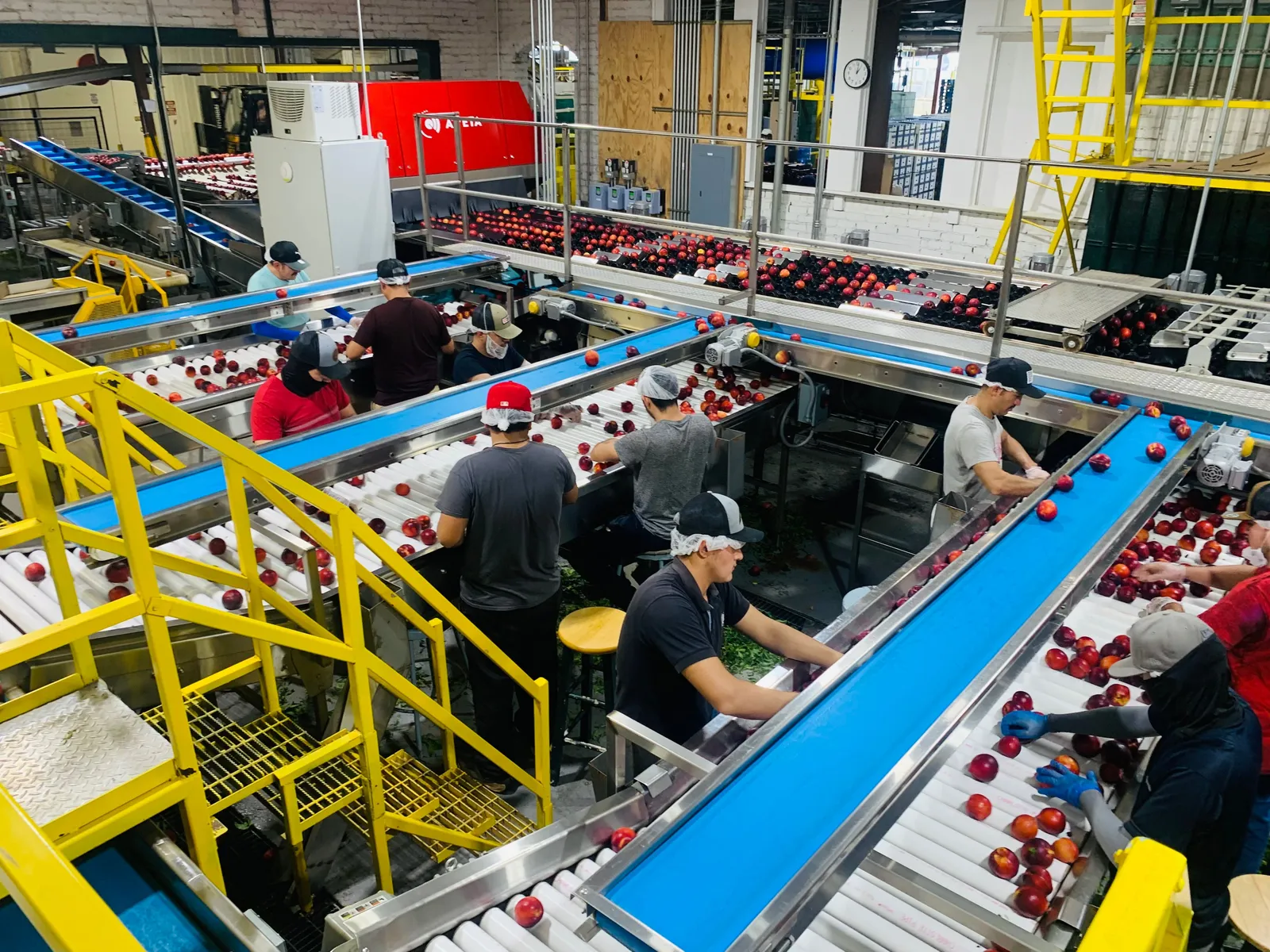
What usually causes this?
- wear items replaced only after failure
- A change in product and pack range or quality and compliance requirements.
- sensors, pneumatics, belts or guides drifting out of condition
- The equipment or handling method not being set for sticky viscous products commonly packed into jars, bottles or sachets.
- faults repeatedly reset without root-cause work
Checks to make in order
- Log product, format, time, symptoms and corrective action
- Record good output, rejects, giveaway, downtime, labour and compliance evidence using a representative sample.
- Inspect critical wear and adjustment points at defined intervals
- Check bottleneck and labour use, cleaning and changeover pattern and traceability and finished-pack checks.
- Trend repeated alarms and short stops
- Verify the repair under representative load
- Stock the parts whose failure would stop production
How to decide the next step
Honey and preserve production involves sticky viscous products commonly packed into jars, bottles or sachets. Use planned service and condition checks where the cost of repeated stoppage exceeds the maintenance effort.
If adjustment and maintenance cannot hold the required result across the complete product and pack range, compare the machinery route against a written acceptance test. The important comparison is sustained good output—not only maximum cycle speed.
What to include in your production brief
Supplying the information below makes it much easier to distinguish a setup problem from a machinery or packaging limitation:
- Complete product and pack matrix
- Current process and measured output
- Quality and compliance requirements
- Site layout and utilities
- Current faults and waste
- Growth and changeover needs
- Samples that represent honey and preserve production
- A short video of the current process and fault
Relevant solution websites
These specialist sites match the production process discussed above. Final suitability should be confirmed with samples, output, site and acceptance information.
Related questions
 Industries
How do I scale honey and preserve production from small batches to automatic production?
Practical guidance for honey and preserve production: move from manual to semi-automatic and automatic production in sensible stages.
Read the answer → Industries
What safety and compliance points matter in honey and preserve production?
Practical guidance for honey and preserve production: control product, machinery, operator and site hazards through competent assessment.
Read the answer → Industries
How do I improve finished-pack quality in honey and preserve production?
Practical guidance for honey and preserve production: improve appearance, seal, closure, code, dose and transport performance.
Read the answer → Industries
How do I reduce repeated machinery faults in bottled water production?
Practical guidance for bottled water production: turn recurring faults into controlled inspection, service and replacement actions.
Read the answer → Industries
How do I reduce repeated machinery faults in soft drink production?
Practical guidance for soft drink production: turn recurring faults into controlled inspection, service and replacement actions.
Read the answer → Industries
How do I reduce repeated machinery faults in brewery packaging?
Practical guidance for brewery packaging: turn recurring faults into controlled inspection, service and replacement actions.
Read the answer →