
How do I reduce changeover time in industrial spare-parts packing?
Practical guidance for industrial spare-parts packing: make product and pack changes repeatable, measurable and easier for operators.
Direct answer
For industrial spare-parts packing, list every change part, setting and inspection point before changing several settings at once. This is an industry operation covering product preparation, filling or packing, closing, labelling, inspection and end-of-line handling for industrial spare-parts packing. The final route should be based on the actual product, pack, output, site and acceptance requirements rather than the industry name alone. Use representative product and packaging, keep the order of results and identify the first point where the process moves outside the agreed limit. Then make one controlled change, repeat the same test and compare sustained good output rather than a single successful pack.
Last good pack to stable good pack
Time the complete change from the last acceptable pack of one run to the first stable acceptable pack of the next. Separate internal stopped-line work from preparation that can be completed externally.
Application measure: For industry-specific applications, include product risk, hygiene or compliance controls, batch variation, good output, rejects and traceability evidence.
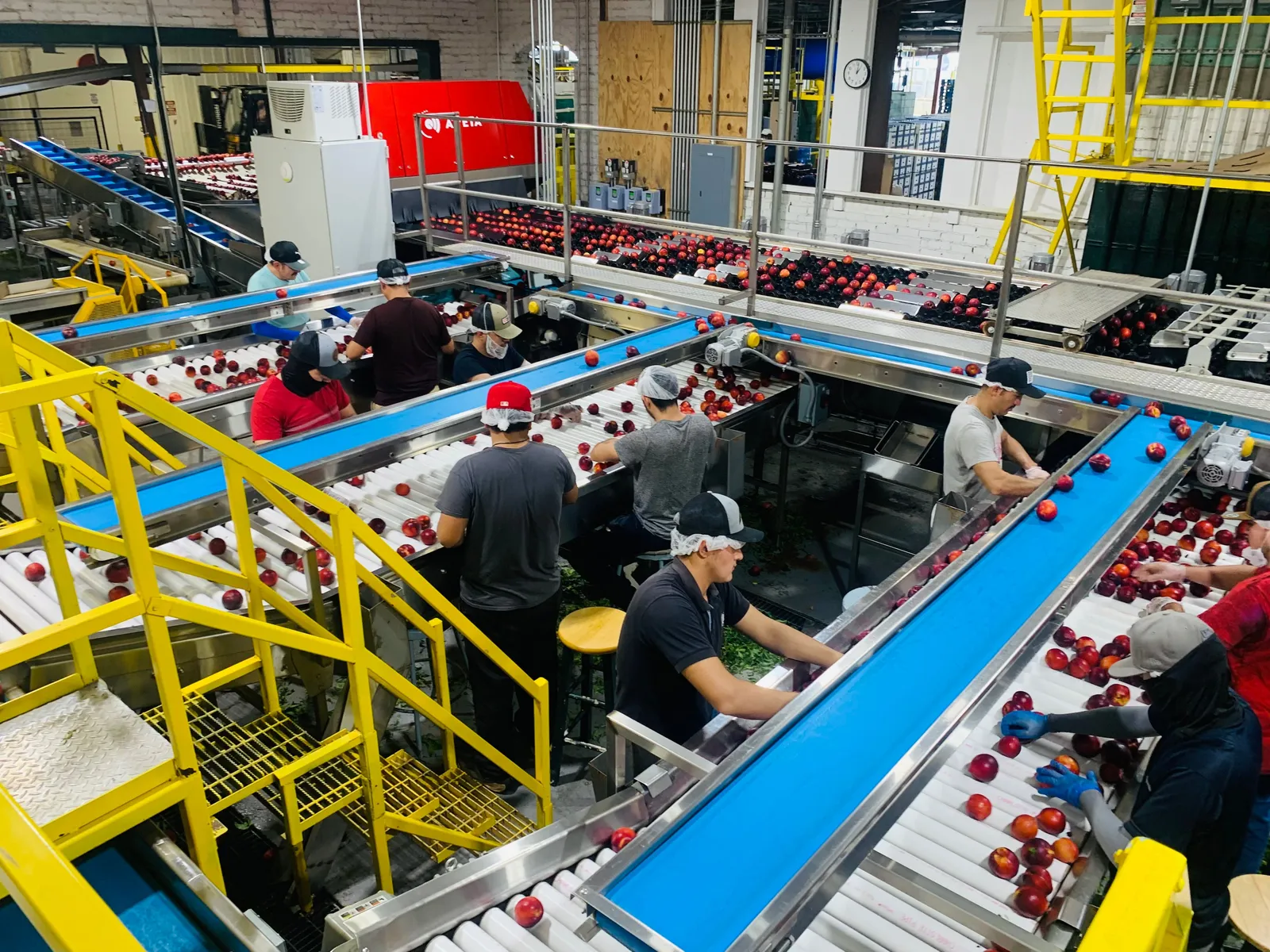
Print and Apply
Variable-data label printing and automatic application.
What usually causes this?
- settings and change parts are not identified clearly
- the next product or pack is not prepared before the line stops
- operators use different setup sequences
- first-off approval takes too long because tolerances are unclear
- the equipment or method is not configured for an industry operation covering product preparation, filling or packing, closing, labelling, inspection and end-of-line handling for industrial spare-parts packing. The final route should be based on the actual product, pack, output, site and acceptance requirements rather than the industry name alone.
Checks to make in order
- List every change part, setting and inspection point
- Prepare the next product and pack before shutdown
- Record the current changeover step by step
- Separate internal from external tasks
- Use labelled settings and controlled recipes
- Approve the first pack against a defined standard
- Time and review the improved sequence
How to decide the next step
Industrial spare-parts packing is an industry operation covering product preparation, filling or packing, closing, labelling, inspection and end-of-line handling for industrial spare-parts packing. The final route should be based on the actual product, pack, output, site and acceptance requirements rather than the industry name alone. Use the measurements to decide whether the next action is a material or packaging change, a setting correction, a maintenance task, improved feeding or a different machinery principle.
If the process cannot achieve the required format changeovers result across the full product and pack range, compare the best-matched route against a written acceptance test. Include cleaning, changeover, operator work, rejects and recovery from normal stops.
What to include in your production brief
Supplying the information below makes it easier to distinguish a setup problem from a product, packaging, feeding, maintenance or machinery limitation:
- Product and formulation range
- Pack, closure and label range
- Current and required output
- Hygiene, safety and compliance requirements
- Available space and utilities
- Acceptance tests and future growth
- Samples that represent industrial spare-parts packing
- A short video of the present process and fault
Relevant solution websites
The first route is the primary match for this question. Final suitability must be confirmed with samples, output, site and acceptance information.
Related questions
 Industries
How do I choose compatible packaging for industrial spare-parts packing?
Practical guidance for industrial spare-parts packing: check materials, seals, adhesives, films, closures and product-contact parts.
Read the answer → Industries
Which parts of industrial spare-parts packing should be automated first?
Practical guidance for industrial spare-parts packing: automate the limiting operation without creating a new bottleneck.
Read the answer → Industries
What safety and compliance points matter in industrial spare-parts packing?
Practical guidance for industrial spare-parts packing: control product, machinery, operator and site hazards through competent assessment.
Read the answer → Industries
How do I reduce changeover time in infant formula packaging?
Practical guidance for infant formula packaging: make product and pack changes repeatable, measurable and easier for operators.
Read the answer → Industries
How do I reduce changeover time in jam and marmalade production?
Practical guidance for jam and marmalade production: make product and pack changes repeatable, measurable and easier for operators.
Read the answer → Industries
How do I reduce changeover time in juice production?
Practical guidance for juice production: make product and pack changes repeatable, measurable and easier for operators.
Read the answer →